Toyota's Operating Profit May Rise for the First Time in Six Quarters
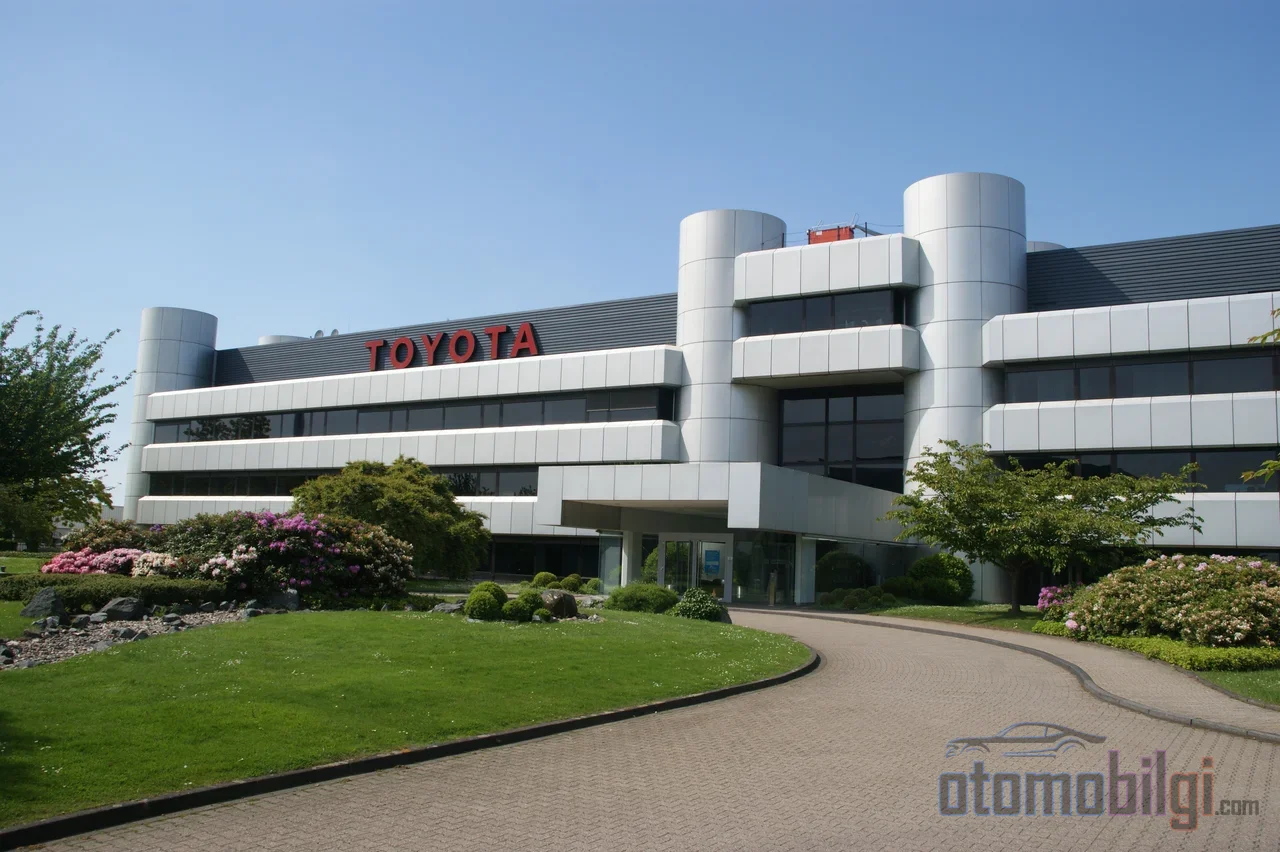
A long streak for Toyota is finally turning around. The financial results for the July-September 2026 quarter will be announced on Thursday, November 4, and the consensus expectation of nine analysts is for operating profit to rise 18% to 992 billion yen, or approximately 6.3 billion dollars. If this expectation materializes, the company will report its first year-on-year increase in operating profit after six quarters. How was such a turnaround possible at one of the world's largest automakers, which for a year has been synonymous with profit decline news?
The answer lies not in a single move, but in several dynamics overlapping in the same quarter. A weakening yen, strong demand shifting toward hybrid models, and the absence this time of American tariff costs that had severely hit profits a year earlier. But the other side of the coin is the harsh sales losses in China and the Middle East; the answer to the question of how solid the recovery is lies largely hidden there.
Highlights
- Operating profit in the July-September 2026 quarter is expected to be 992 billion yen, up 18%
- This will be the first operating profit increase after six quarters
- Revenue expectation is 13.4 trillion yen, up 8%
- Global sales fell below 2.5 million units in the period, down 4%
- Sales in China fell 22%, and by a third in the Middle East
The Six-Quarter Story of the Profit Decline
To understand how we got to this point, we need to look back a year. In the 2026 fiscal year, spanning April 2025 to March 2026, Toyota had eroded its operating income by 29.5%, falling to 2,777 billion yen. Three headlines that disrupted the picture were clear: Customs tariffs introduced in the United States, rising costs, and exchange rate pressure. In the first quarter of the 2025-26 fiscal year alone, the impact of tariffs was announced as 450 billion yen, with a negative impact of 1,400 billion yen projected for the full year. The North America operation sank into an operating loss of 21.1 billion yen in the same period.
Returning to the old profitability regime was not easy. The April-June quarter, announced in August 2026, brought the fifth consecutive operating profit decline; weak vehicle sales and cost pressure were decisive. However, in the same announcement, the company raised its annual operating profit forecast to 3.4 trillion yen, approximately 21 billion dollars, and announced a 6 billion dollar share buyback program. In other words, while the decline streak continued when viewed from outside the window, management was moving through the picture from within. This quarter expectation, which came along with 201,306 vehicle sales in the US in September and a volume increase of 8.4%, can be considered a logical continuation of that revision.
Three Dynamics Driving Profit Upward

The factors pushing the analyst expectation upward rest on several legs of a stool. The first is the exchange rate: In this environment, where one dollar trades around 158.52 yen, the income returning home swells for every vehicle produced and sold outside Japan. Second, it once again reminds us that it is perhaps the production mix rather than the volume itself that determines profitability.
Hybrid Demand Is Carrying the Profit Margin
In North America, high-margin electric and electrified vehicle sales grew more than 30 percent in the quarter, reaching approximately 430,000 units; by contrast, total sales volume in the US stayed below 1 percent. In other words, while volume remained nearly flat, profit is growing thanks to the type of vehicle sold. As gasoline prices rise, consumers turning to fuel-efficient hybrid models is feeding this picture; the real question is how many of these profitable hybrids were actually sold. Hybrid sales across the industry are expected to surpass 5 million units for the first time in 2026. Viewed from a thirty-year perspective, this is an interesting turning point: hybrid technology was once considered a transitional phase, and now it is Toyota's profit engine.
The Absence of a Tariff Burden
The third dynamic is more about arithmetic. In the same quarter a year earlier, US tariffs stood as a heavy burden on the balance sheet; this quarter, no similar item appears in the accounts. Part of the profit increase is the result of the business operating better, and part of it the result of a weak baseline. Separating the two is essential for assessing whether the recovery is sustainable.
China and the Middle East Are Straining the Ledger
The picture driving expectations upward is not the same in every market. Global sales of the Toyota and Lexus brands shrank 4 percent in the period, falling below 2.5 million units. The losses were concentrated in two regions: while sales in China declined 22 percent, the drop in the Middle East reached one third. September data also shows the trouble is fresh; global sales and production fell for three consecutive months, with production in China contracting 18.6 percent while Middle East sales shrank 29.8 percent. The decline in China has extended into its eighth month.
The causes of the situation in China appear structural. The intense competition from Chinese electric vehicle manufacturers, fluctuating EV demand, and the cautious effect of the real estate crisis on consumers are putting particular pressure on Toyota, whose portfolio is weighted toward gasoline and hybrid vehicles. The pressure is also spreading to the supply chain; Denso, one of Toyota's major suppliers, announced a drop of more than one third in its Asia operating profit for the six-month period ending in September. Investors are expected to keep watching China performance as the top agenda item; the competition there does not look like an issue that will be resolved in the short term.
How Does the Recovery Affect Electrification Investments?
The return of profitability is not only of interest to balance sheet enthusiasts; it is directly related to financing the investment agenda ahead of the company. According to Toyota's own figures, modernizing factories with automation and robotics from 2028 onward could cost up to 1 trillion yen per year. On top of that will come vehicle software and autonomous driving expenditures. The recovery in profit makes it easier for this heavy investment program not to go unrewarded; in the opposite scenario, perhaps the table would have to be revisited every single quarter.
On the strategy side, the expectation of a rapid shift to electric vehicles is putting pressure on the hybrid-focused production plan. The company is known to plan to raise its hybrid and plug-in hybrid production to approximately 6.7 million vehicles by 2028, which is 30% above its 2026 target. In other words, despite the rush toward full electrification, Toyota is continuing to significantly grow its hybrid capacity on the path it knows best. The profit picture this quarter rests on the equation of earning from hybrids while investing in an electric future.
How Solid Is the Expectation?
Previous developments teach caution in forecasts. The company had previously projected that its net profit would fall 35% to 3.1 trillion yen due to tensions in the Middle East, and expectations had been revised many times over time. The optimistic side argues that hybrid demand will drive profitability and that cost savings will come as the hybrid-focused production mix strengthens in North America. The pessimistic side looks at the 22% decline in China and the pressure spreading across the supply chain, questioning whether the recovery is sustainable. Both sides have legitimate reasons; the distinction will become clearer as the quarter progresses.
In summary, the clear answer to the question: Toyota's operating profit in the July-September 2026 quarter is expected to rise 18% to 992 billion yen, marking the first profit increase in six quarters; the weak yen, high-margin hybrid sales, and the absence of last year's tariff costs this quarter are carrying the increase, while sales losses in China and the Middle East keep the sustainability question open. Thursday's announcement will provide clues confirming not only one quarter's record, but also the direction of the investment program.
Sources
- Toyota second-quarter profit seen climbing 18%, first increase in six quarters
- FINANCIAL SUMMARY FY2026 First Quarter (Toyota Motor Corporation)
- FINANCIAL SUMMARY FY2026 (Toyota Motor Corporation)
- TMC Announces April Through June 2026 Financial Results
- Toyota Motor North America Reports September, Third Quarter 2026 U.S. Sales Results
- Toyota lifts annual forecast and unveils $6 billion buyback
- Toyota September sales, production slide for a third straight month
- Toyota plans 30% boost to 2026 hybrid vehicle output by 2028