Used EVs Are Selling Faster Than Gasoline Cars in America
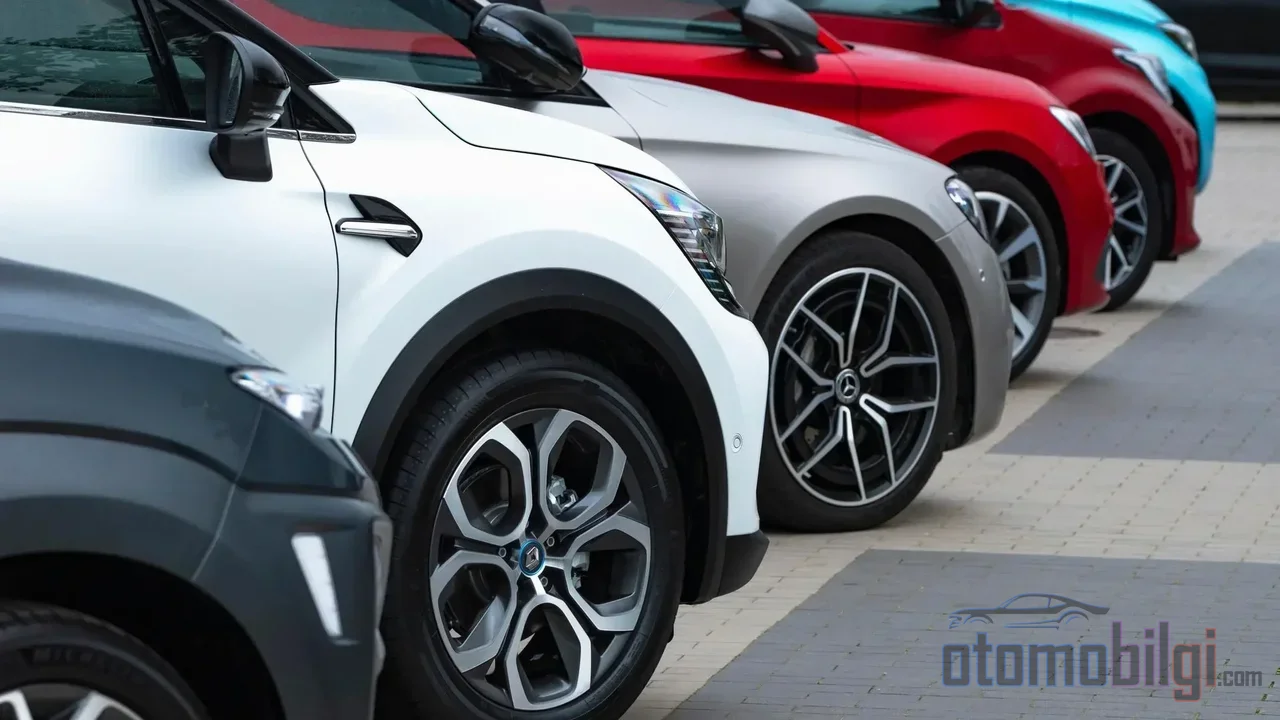
There was a picture in the used car trade that had remained unchanged for over thirty years: the dealer ignores the EV, the buyer asks, the seller frowns, and the vehicle sits in the same spot for months. The September 2026 sales data is turning that picture upside down. Looking at a market where more than one and a half million used vehicles aged 1-5 years were analyzed, electric vehicles are now changing hands noticeably faster than their gasoline and hybrid counterparts. What's more, they are doing so while their average prices have surpassed gasoline vehicles for the first time. A year ago, the story in this market was exactly the opposite.
How Big Is the Gap in Sales Speed?
The numbers are telling: In September 2026, a used electric vehicle sells within an average of 41.9 days. In the same period, this figure was 54.8 days for a gasoline vehicle and 48.6 days for a hybrid. That means EVs change hands on average 13 days faster than gasoline vehicles. While gasoline cars gathering dust in showrooms stay with the seller 19.9% longer on an annual basis, the sales speed of EVs increased by 10.1% in a year.
Industry analysts explain this transformation as an exit from the demand turbulence experienced shortly before. The disappearance of federal incentives a year ago had thrown buyer behavior into disarray, and combined with high fuel prices, the market was unable to recover for a while. Now the electric segment appears to have shaken off that volatility: the price display at the fuel pump, with the national average gasoline price reaching $4.24 per gallon, remains the most tangible reason steering buyers toward electric.
Highlights
- Used EVs sold in an average of 41.9 days in September 2026; gasoline vehicles lingered for 54.8 days.
- The average used EV price of $32,533 surpassed gasoline vehicles ($31,954) for the first time.
- EV sales speed accelerated by 10.1% on an annual basis; the time gasoline vehicles spend on the market lengthened by 19.9%.
- The US national average gasoline price stands at $4.24 per gallon.
- In September, used EV sales reached a record 3.3% market share.
Price Equalization: The Depreciation Era Is Closing
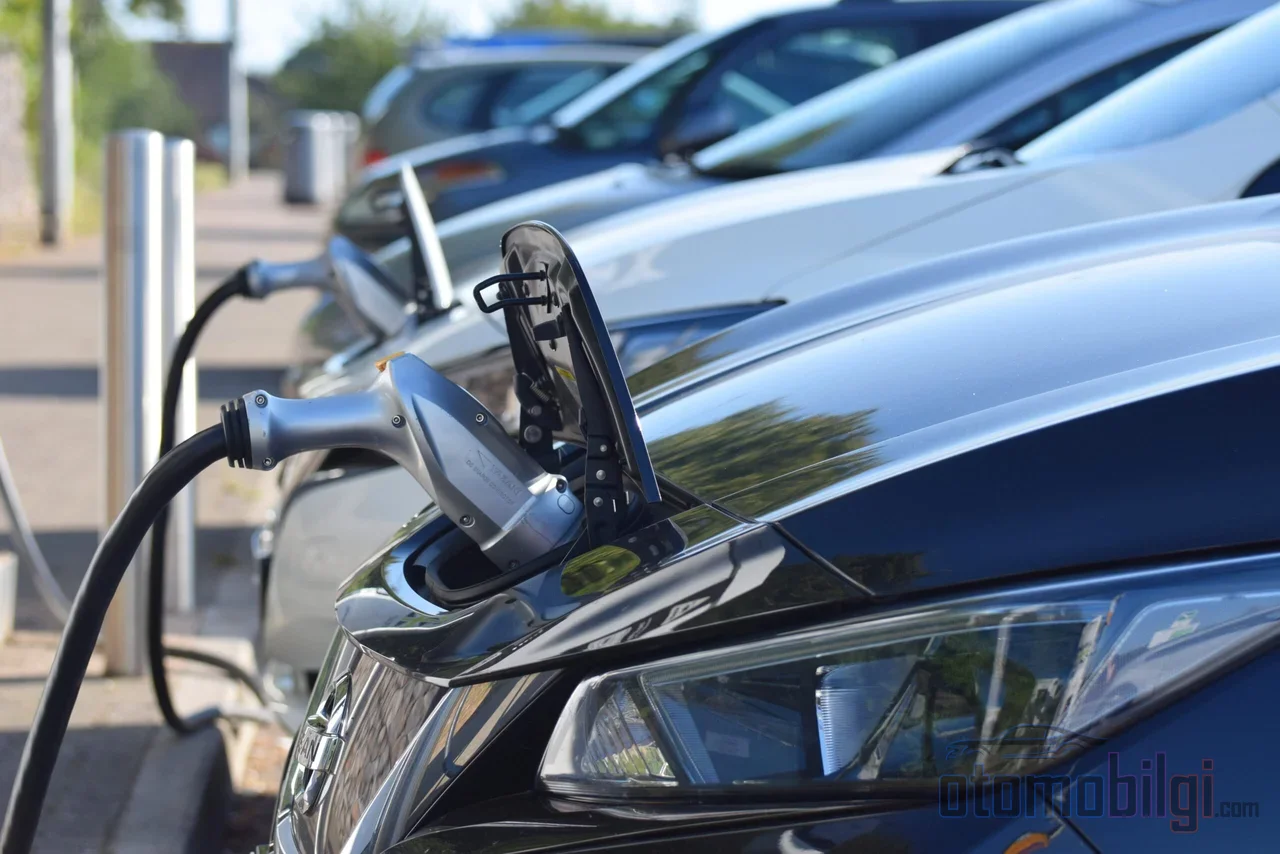
The most striking development behind this speed difference is on the price side. The average price of used electric vehicles was $32,533 in September; that means an increase of 9.8% compared to last year, or $2,896 in dollar terms. In the same period, hybrid prices rose by 4.9% ($1,625), while gasoline vehicles barely moved: at an average of $31,954, the annual change didn't even reach $90.
The real breaking point is this: last year, used EVs were $2,227 cheaper than gasoline vehicles. Today, it's exactly the opposite - they are $579 more expensive. This means that for the first time, prices in the used electric vehicle market have surpassed gasoline vehicles. Prices began rising in April 2026, peaked in August, and have stabilized in recent months. Independent market watchers note that this recovery following last year's steep depreciation is no coincidence, and that price gains have been preserved.
Tesla Prices Stand Out
The most notable movement in annual increases is seen in Tesla models. The Model S commanded an average premium of $10,636, the Model X $9,336; the Model 3 also rose by roughly $3,870. The brand maintains its clear leadership in used EV sales as well.
Supply Squeeze and the Leasing Wave
Another reason for the speed lies on the supply side: In September, used EV sales reached a record 47,862 units with a 3.3% market share, and the number of vehicles waiting in inventory tightened to 35 days. The flow of vehicles coming off lease terms will continue to shape this squeeze for a while longer. While roughly 243,000 leased EVs are expected to enter the market within 2026, some forecasts predict this number could climb to 500,000 by the end of the year, and reach about double that in 2027. In other words, fast sales are also a sign of a market where shelves are emptying quickly.
The New and Used Markets Have Split in Two
There is an ironic divergence here: new EV sales are weak in 2026. In the first quarter of 2026, new EV sales stayed at around 228,000 units, experiencing a year-over-year decline of up to 39%. The expiration of tax credits had pulled buyers toward 2025, and a hard brake was applied on the new vehicle side. In contrast, in the same quarter, used EV sales rose by 12%, approaching a record level. A 21.2% annual increase in January, and a record 42,080 units in April with a 16.7% rise - the picture is consistent: the market didn't shrink, it stratified. Buyers who cannot or do not want to afford a new vehicle's price are finding EVs on the used shelf.
Some evaluate this dynamic as an unusual development in the market; indeed, a rush of buyers is normal in a year when prices fall, but sales speed rising while prices climb is a rarely seen combination.
Which Models Are Fast, and Which Sit on the Shelf?
The top two spots on the overall fast-selling list belong to gasoline models: the Lexus IS 500 and the Audi A4 Allroad, both of which ended production in 2025. But the first EV sits right in third place: the Audi Q4 Sportback e-tron sells in an average of 29.8 days. It is followed by the Toyota bZ4X and the Lexus RZ 300e; the Honda Prologue, Polestar 2, and BMW iX are also among the fast sellers.
At the other end are the big, expensive EVs: the Cadillac Escalade iQ, GMC Sierra EV, Dodge Charger Daytona, and Volvo EX90 are among those waiting on the shelf. There are slow movers on the hybrid side as well; the Mercedes-Benz S-Class hybrid takes close to 130 days on average to find a buyer. Industry analysts summarize this picture clearly: even high fuel prices cannot save an unloved EV. Being electric is not a guarantee of sales speed; it has to be the right product at the right price.
The Hybrid Reality Still Stands
This picture does not mean hybrids have been wiped from the market. In the first half of 2026, used hybrid demand was strikingly strong: hybrid demand grew 41.8% in the first quarter while electric demand rose only 15.9%; the hybrid share grew 2.6 times faster than the EV share. In the second quarter, hybrids reached a record share in light commercial vehicle sales. In other words, September's sales speed data sits side by side with the hybrid weighting in the overall market during the same period. The market is not a zero-sum game; gasoline is slowing down, hybrid is strong, and electric is gaining speed.
What Does This Market Offer Buyers and Sellers?
The Buyer's Side
The price erosion in electric performance vehicles still offers tangible opportunities. The 641-horsepower Hyundai Ioniq 5 N can be found for around $47,000, below its new price of over $60,000. The 576-horsepower Kia EV6 GT changes hands for around $31,500, while the Polestar 2 goes for under $25,000. The Ford Mustang Mach-E, BMW i4, and Chevrolet Equinox EV are also among the models that look attractive for the price.
But in a fast-moving market, hesitation means missing the opportunity. The buyer's checklist still goes through the classic headings: battery health, warranty coverage, charging compatibility, tire and suspension condition, and the possibility of charging at home. If these are skipped, a vehicle bought quickly can turn into a slow regret.
The Seller's Side
For the seller, the picture is becoming clearer: electric vehicles that had to be sold at a loss last year now hold their value, and even turn a profit. Average depreciation is still serious - EVs lose roughly 60% of their average list price - but the source of this decline is not battery failure; it is new vehicle discounts and market correction. When prices stabilized, the seller's side also breathed easier.
Conclusion: Reversed Hesitation
In short, the clear answer to the question is this: As of September 2026, used electric vehicles sell on average 13 days faster than gasoline cars and about 7 days faster than hybrids; the 41.9-day selling time came with a 10.1% annual acceleration, and it achieved this while prices were rising. A year ago, EVs were selling more slowly than gasoline cars and were $2,227 cheaper; today they change hands both at a higher price and more quickly. The hesitation of the used market that approached electric vehicles with caution has been reversed. The price at the gas pump, tight supply, and a maturing model lineup are the three pillars carrying this transformation. Only one question remains: will the leasing wave doubling in 2027 disrupt this balance, or rivet it down? The market's current speed suggests the latter.
Sources
- Used EVs Are Selling Faster Than Gas Cars or Hybrids
- The Used EV Market Is Now Hotter than the Used Gas Car Market
- Used Electric Cars Are Selling Faster Than Gas Cars
- Used Electric Car Prices & Market Report - Q4 2026
- Falling prices steer US buyers toward used electric vehicles
- EV Market Monitor - January 2026
- Halfway Through 2026, U.S. EV Market Is Finding its Footing
- Used Market Provides EV Opportunity In 2026