Toyota, Nissan, and Honda Are Standardizing Parts
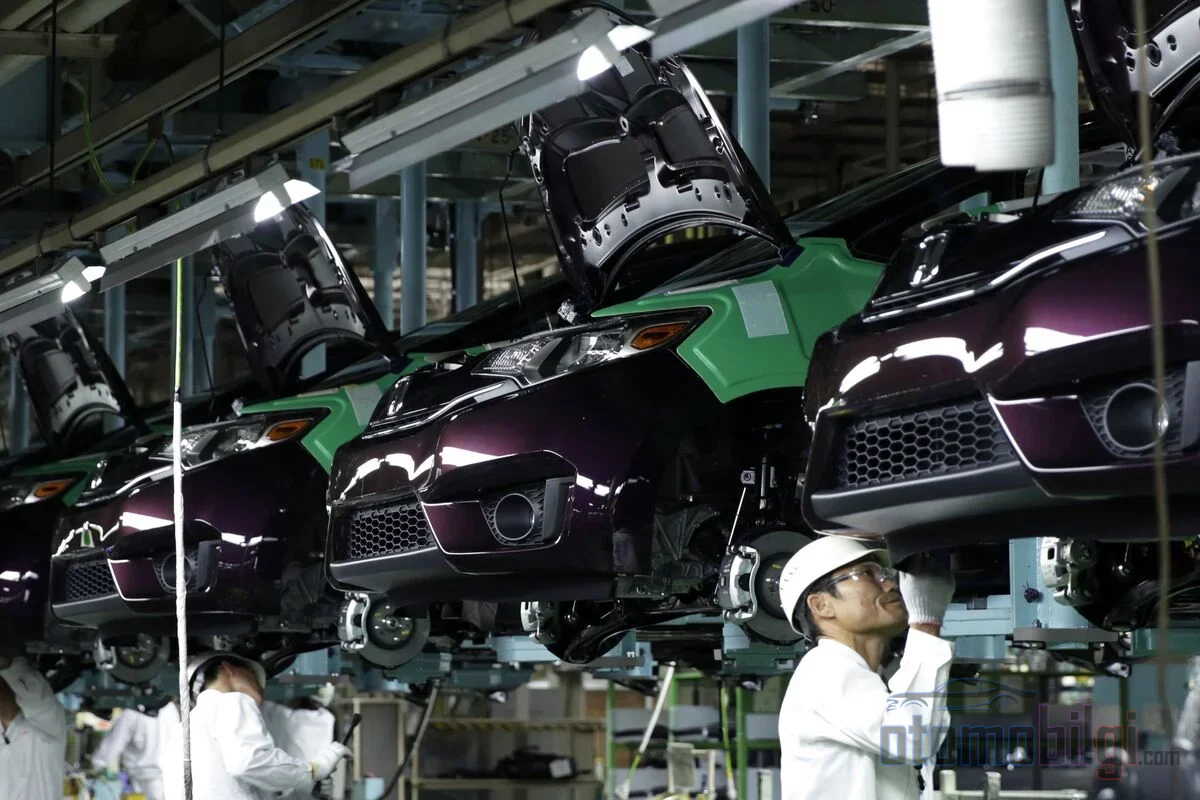
Japan's automotive industry is facing a picture it has not been accustomed to for many years: Manufacturers such as Toyota, Nissan and Honda, each other's fiercest rivals, are chasing the same part. According to the plan announced by the Japan Automobile Manufacturers Association (JAMA) on November 19, 2026, the industry will standardize its material and part requirements across a spectrum ranging from steel to resins and wiring harnesses. The open support of the three major manufacturers for this framework raises the question on its own: What exactly is it that brings rivals together around the same table?
What Does the Standardization Plan Cover
JAMA will carry out its plan together with the Japan Automotive Suppliers Association. In the first step, three areas have been identified: steel, resins and wiring harnesses. On the steel side, the goal is to unify sheet metal types; for resins, recyclability assessment criteria that differ among manufacturers will be aligned. Wiring harnesses are the most striking dimension of the work: These components, which bring electrical cables together, are produced today in approximately 70,000 different types.
The focus of the cooperation is on invisible components: parts such as fasteners, electronic connectors and certain steel alloys, which the customer will never see but which carry the weight of the cost table. These currently show major differences from manufacturer to manufacturer. Harmonizing these specifications means meeting on a single procurement ground.
Highlights
- JAMA announced that it will begin standardizing steel, resins and wiring harnesses on November 19, 2026
- There are approximately 70,000 different wiring harness types in the industry
- Japanese manufacturers' global market share, which was 32.7 percent in 2021, fell to 25.9 percent in the first half of 2026
- The shared architecture under Honda's SDV agreement with Nissan will be applied in next-generation vehicles from fiscal year 2029
The Pressure That Seats Three Rivals at the Same Table
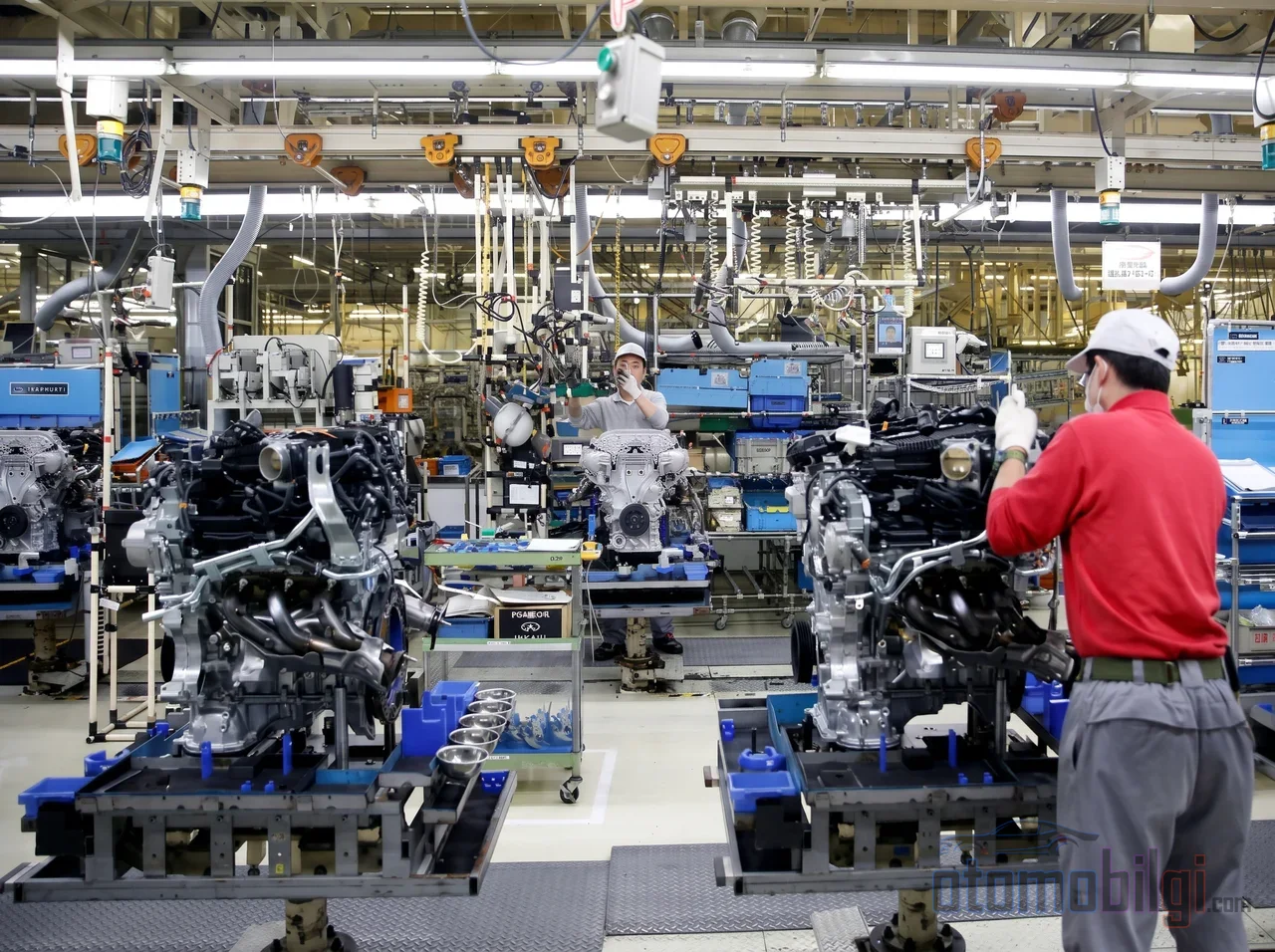
The industry describes this process as a transformation that happens once in a century. Developing electric, autonomous and software-defined vehicle (SDV) technologies requires massive investment and is accelerating cooperation among major manufacturers. JAMA Chairman and Toyota vice chairman Koji Sato said that, in line with concerns coming from the field, work has started in these areas and the aim is for manufacturers to allocate more management resources to areas where they can gain a competitive advantage.
The formula is simple but the results are profound: If procurement costs fall with common specifications, the freed-up resources can be shifted to next-generation vehicles. For Japanese manufacturers, this is not a luxury but a necessity calculation. Market share figures clarify the picture.
Why Is the Market Share Table So Bad
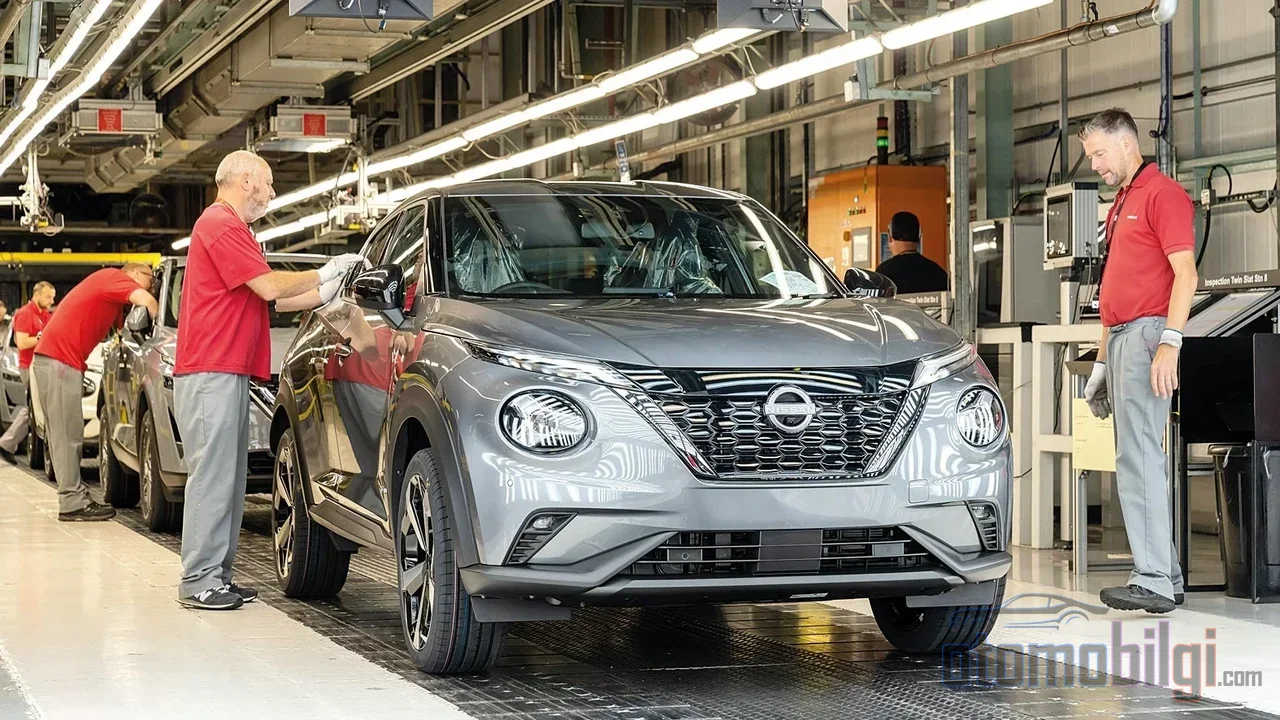
Japanese automakers' global market share, which was 32.7 percent in 2021, fell to 25.9 percent in the first half of 2026. In the same period, Chinese manufacturers' share rose from 14.7 percent to 27.5 percent; With this, China has surpassed Japan as the world's largest national manufacturing group. The combined market share of Toyota, Honda, Mazda, and Mitsubishi in China fell from around 30 percent in 2021 and 2022 to an average of 26.2 percent between 2023 and 2025.
Europe is showing the same trend. As of September 2026, registrations of Chinese-brand cars in the region nearly doubled within a year, reaching 12.7 percent of the market and overtaking Japanese manufacturers for the first time; according to another calculation, the share of Chinese brands reached 14.5 percent while Japan's remained at 12 percent. Hybrids are the area where Chinese manufacturers lead. While rivals advance on every front, it is not surprising that Japanese industry is looking for cost discipline within itself.
Nissan and Honda's Software Agreement
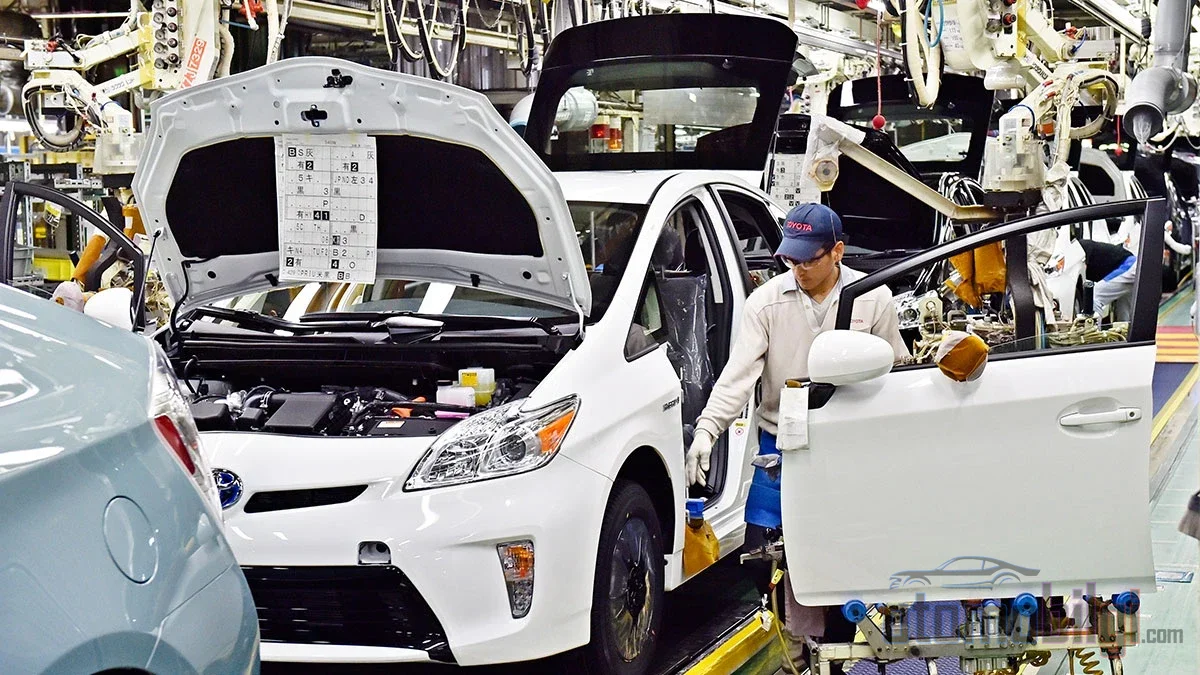
The JAMA plan is not a decision made out of thin air. The groundwork was laid earlier at the beginning of the summer. On August 31, 2026, Nissan and Honda signed a joint development agreement to standardize the electronic control units (ECUs) that form the core of software-defined vehicles, the in-vehicle operating system, key parts of the middleware, and vehicle control software. The scope includes high-performance main ECUs as well as zonal ECUs that oversee each region of the vehicle.
This common E/E architecture will be applied in the two companies' next-generation SDVs starting from fiscal year 2029. The goals are: to reduce development costs, achieve economies of scale, and increase development speed. The agreement is part of a broader strategic partnership between the two companies, in line with their goals of carbon neutrality and zero traffic fatalities. The two brands had already decided to continue their cooperation after the previously cancelled merger process. It was reported that Mitsubishi Motors, in which Nissan holds a stake, also plans to join the framework and take over the supply of common parts.
Not Every Brand Has the Same Leverage
The cost structures of the companies joining the cooperation differ greatly from one another. In its quarterly results announced on November 10, 2026, Honda recorded a quarterly loss of 484.8 billion yen, about 3 billion dollars, as a cost of restructuring its electric vehicle business; it kept its estimated EV restructuring cost for this fiscal year at 520 billion yen. The only bright spot in the picture is that it raised its annual profit forecast by 20 percent thanks to strong US hybrid demand and the weak yen.
Honda's EV-related losses came after losses exceeding 9 billion dollars in the previous fiscal year. These losses carried Japan's second-largest automaker to its first annual loss in about 70 years: a net loss of 403.3 billion yen announced in May 2026. Honda's previous strategy anticipated that batteries would account for about 40 percent of EV costs and targeted a 20 percent reduction in battery costs. It is also argued that Nissan and Honda, remaining in Toyota's shadow, could gain an advantage over Toyota in competition through this cooperation; however, the JAMA framework is being discussed with a Toyota-centric focus. Although Toyota's name came up in past software talks with Nissan and Honda, it was not a party to the August agreement.
Does the Supply Chain Win, Does Differentiation Lose
Analysts' calculation cuts both ways. Standardization can bring suppliers higher-volume orders; uniform parts mean large lots, and large lots mean lower unit costs. However, on the other side of the same coin lies the difficulty of product differentiation. Finding common ground in invisible components is not perceptible to the customer; but this consolidation can intensify price competition. Reducing the roughly 70,000 wire harness types is a move with a deep impact on supplier structures.
There are also questions on the fleet purchases side: How procurement processes will take shape as software and hardware are standardized is not yet clear. JAMA, for its part, aims to gradually expand the range of standardized parts and materials; today's three areas were chosen as a starting point.
How Far Will This Alliance Go
In short, the answer to the question is this: Facing the cost pressure brought by electrification and software investments and the market share offensive of Chinese rivals, Japanese manufacturers aim to find common ground in invisible parts and shift their resources toward areas that create competitive advantage. JAMA's material standards and Nissan-Honda's SDV software agreement are two different layers of the same need: one industry-wide, the other between two companies.
Three rivals meeting on a single supply and design ground at this scale is not a scene Japanese automotive history is accustomed to. Thirty years ago, for a Japanese manufacturer, even sharing its own bolt with someone else was a topic beyond debate; today, wire harnesses are going into a common pool. How deep the transformation will go and how quickly the standardized parts list will expand will be the deciding factors. How much manufacturer differentiation can be preserved remains on the table as the question of whether this alliance could end without result.
Sources
- Nissan and Honda Conclude Joint Development Agreement to Standardize ECUs and Software for Next-Generation SDVs - Honda Global
- Nissan and Honda Conclude Joint Development Agreement to ... - Nissan Global Newsroom
- Toyota, Nissan, Honda and Mitsubishi Agree to Joint Development - Toyota Pressroom
- Toyota, Nissan, Honda back Japan plan to standardize parts, lower costs
- Japanese Auto Alliance to Challenge the US and China - Economy.ac
- Honda, Nissan in final talks on shared parts to cut costs - Mainichi
- Japanese automakers Nissan and Honda agree to work together on software for cars - Mainichi
- Honda, Nissan to Jointly Develop Core SDV Components - Jiji Press via Nippon.com
- Honda and Nissan to jointly develop components for software-defined vehicles - The Japan Times