VW Has Stopped Development of the Electric Golf
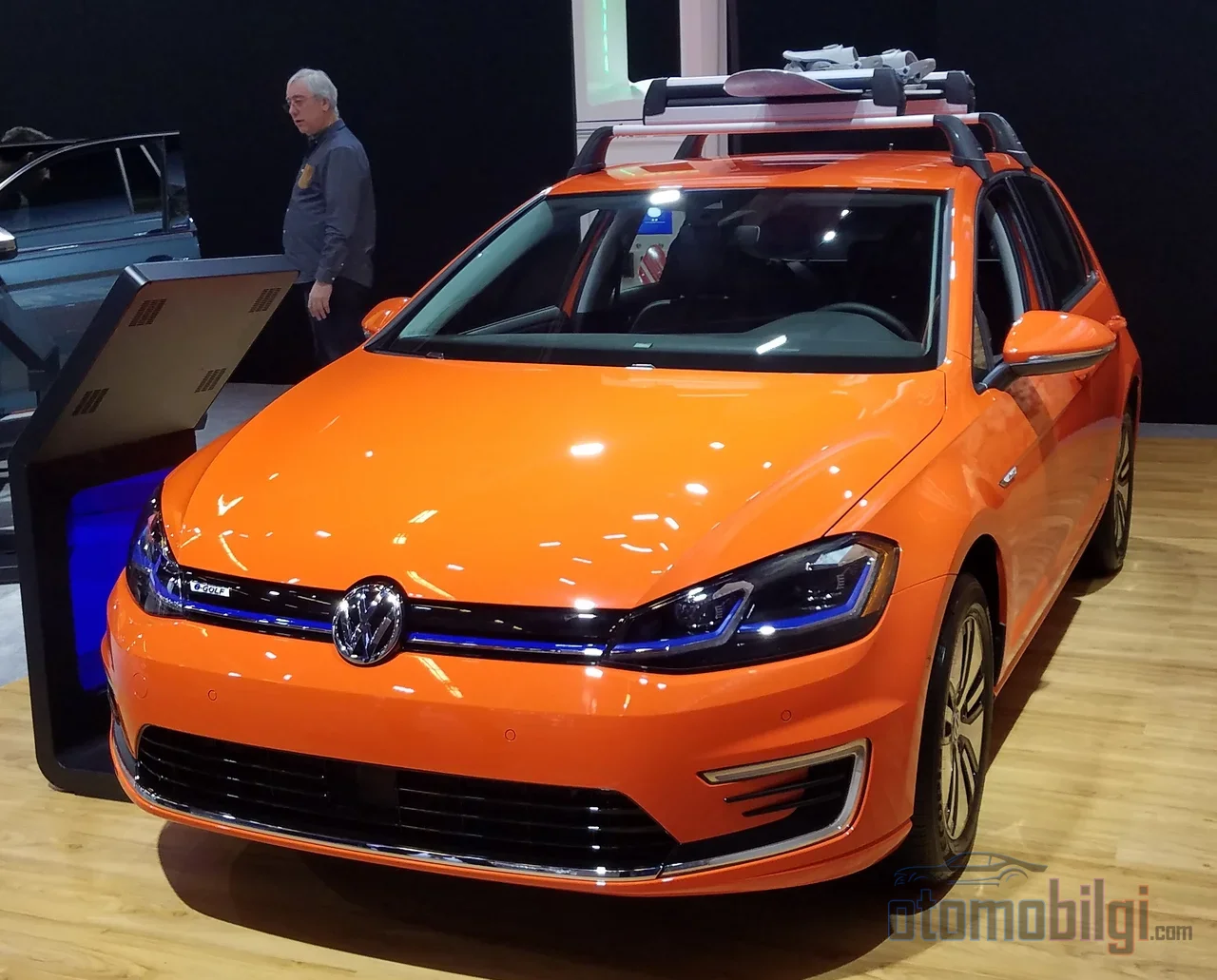
The elders said there is so much in a Volkswagen called the Golf; they were right. This model, which has been the benchmark of its class for nearly half a century, had its electric generation's development desk quietly cleared at Wolfsburg this week. The decision was not announced as a major strategy shift; on the contrary, with an internal memo and in a tone completely opposite to that usually used when launching big projects, it was explained as a pause forced by the math. So why was the electric Golf frozen now, and how temporary is this?
Why did the workbench at Wolfsburg sit empty?
David Powels, the Volkswagen brand's finance chief, confirmed that development work on the project known entirely as the electric Golf, the ID.Golf, has been temporarily suspended. The suspension will remain in effect until the company can reliably guarantee the required investment. Brand CEO Thomas Schäfer, meanwhile, summarized the essence of the matter in blunter language in an internal note sent to employees: there is no money for this right now. He also added that the decision was not taken easily; which sounds nothing like the words one expects to hear when touching the fate of a Golf in the automotive world.
Behind this lies a concrete number. The main plant in Wolfsburg is roughly 300 million euro behind the cost-cutting targets that were set. Converting the plant for next-generation electric models had already been delayed due to budget constraints; now the desk calculations show that the electric Golf's development budget can also be written off. The reasoning reported by the Wall Street Journal points in the same direction: the goal is to preserve net cash flow while under profit pressure.
What picture does the deepest loss since Dieselgate paint?
One day before the suspension decision, on October 29, the Volkswagen Group announced its largest quarterly loss since the 2015 diesel scandal. Net loss in the third quarter was at the level of about 5.8 billion euro. There is no single cause for this loss: a multibillion-euro writedown of the Porsche stake, weak sales in the Chinese market, lower profit margins on electric vehicles, and restructuring costs all came into play together.
The tone of Arno Antlitz, the Group's finance and operations chief, belongs not to a surrendered company but to a rushing one: no time can be lost, and swift, resolute action is needed. The VW brand had already lowered its 2026 profit margin outlook to as low as 1% back in September; together with the effects from Porsche and China, a roughly 10 billion euro scale effect was announced with a sharp profit warning. For someone who has been running in this business for more than thirty years, the picture is familiar: companies that once hoarded cash make their most expensive mistakes precisely during the periods when the wallets loosen.
Highlights
- The development suspension remains in effect until the required investment is guaranteed; it does not mean cancellation.
- About 5.8 billion euro net loss in Q3: the deepest quarterly loss since the 2015 diesel scandal.
- The Wolfsburg plant is roughly 300 million euros behind its cost-cutting targets.
- The electric Golf was originally targeted for 2028; the launch had already been pushed to a date near 2030.
- Within the Future Plan 2030 framework, a workforce reduction of 100,000 people and possible plant closures are on the agenda.
Why is Future Plan 2030 the backdrop to this decision?
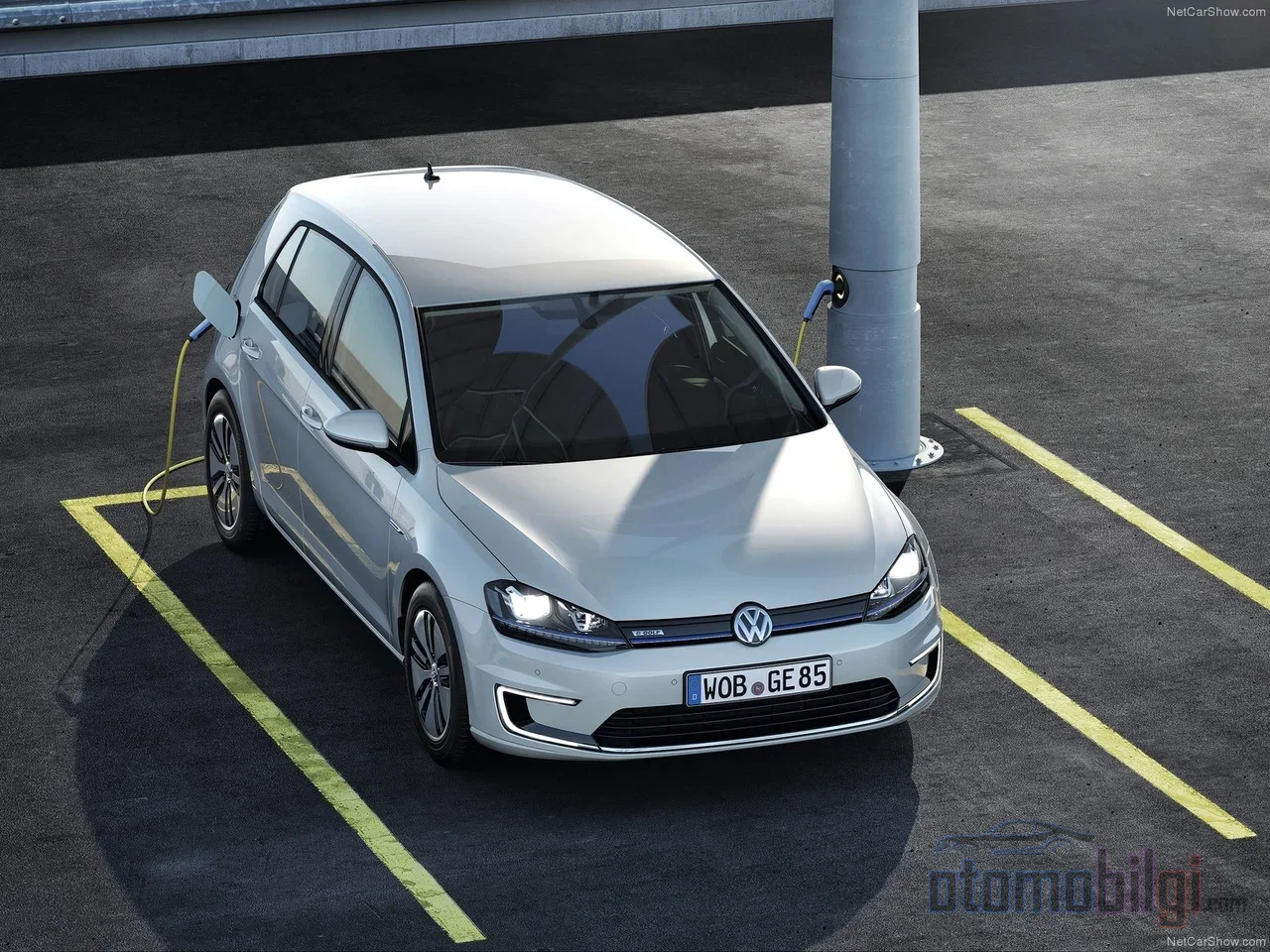
The suspension is not a decision that stands on its own. It should be read as a natural continuation of the restructuring strategy called Future Plan 2030, which the supervisory board approved last month. The plan includes a reduction of about 15% of the global workforce - up to 100,000 people - a narrowing of the product lineup, and the closure of several plants in Germany. Cutting the product line in half is also on the table.
Looking at the bigger picture, the situation gets even heavier: closures of up to four plants are being discussed, and that list includes Zwickau, the pioneering facility for electric vehicle production aimed at the Chinese market. Gasoline Golf production will move to Mexico in 2027; the electric Golf was planned to be built in Wolfsburg toward the end of the decade. In other words, the plant conversion and the product schedule are so intertwined that a delay in one naturally pushes the other back. This week's pause is the most visible link in the same chain of constraints flowing from the top down.
When will the electric Golf arrive?
The original plan was clear: the electric Golf was to be on the roads in 2028. Schäfer confirmed earlier this year that the schedule had been changed and the launch postponed to a date near 2030. The justification given was that the current product lineup, especially in the compact segment, is positioned so well that an electric Golf will not yet be needed. Speaking with thirty years of professional habit, I say this: a manufacturer rarely postpones its flagship model for a single reason.
Two technical factors come into play here. First, the ID.Golf will be one of the first vehicles to use the SSP (Scalable Systems Platform) developed under the partnership with Rivian; delays on that platform directly reflect on the Golf's schedule. Second, the conversion of the Wolfsburg plant for next-generation electric models was already progressing slowly due to budget constraints. The software delay, the plant conversion, and now the frozen development budget; all three feed into each other.
Is this a cancellation, or truly a temporary pause?
The message from the company and the Wolfsburg works council points in the same direction: this is not a cancellation. According to the works council's assessment, the suspension does not mean the project is cancelled or that the launch will necessarily be delayed; it is stated that the lost time can be made up and the launch is still planned for 2030. The council also acknowledges that the freeze is a sign of financial strain; so whichever side you take, the seriousness of the picture is beyond dispute.
Yet someone who has been through the wringer on this business has to add one truth: money that pauses even once in electric vehicle investments often never flows at the same speed again. VW is maintaining its claim, and the calendar still points to the end of the decade; but the real message of this decision is that the company now manages electrification not against time, but against the balance sheet.
What will be the price of this delay in the compact EV market?
The compact segment is the highest-volume area of the European electric vehicle market and the ground VW trusts the most. Hurling the electric Golf toward 2030 creates a gap in this territory and buys time for Chinese manufacturers, primarily BYD, to expand in Europe. While the petrol life of the Mk8 Golf is extended by being relocated to Mexico, rivals are gaining ground in the compact electric field. For those who remember the old balance, the situation is ironic: the Golf once used to set the calendars of its rivals; now the rivals move forward without waiting for the Golf's calendar.
Still, VW holds some cards. The company's small electric vehicle family will face us in 2026 with an entry-level model of around 25,000 euros in the ID.2all class; the ID. Polo, ID. Cross and ID.3 models run on the MEB+ platform. While VW's electric sales were trending strongly in Europe, a 7.1% decline was recorded in China; in other words, the problem is not universal, it changes shape depending on the geography. Even though the electric Golf is on hold, the brand's electrification line is not completely shut down.
Conclusion: The Golf's electric generation is on hold
Here is the summary of the matter: the electric Golf was not cancelled, but its development has been halted for now; because the company has to protect its cash flow and cannot guarantee the necessary investment. The launch still looks to be around 2030, and the works council says the lost time can be made up, but in the background stands a 5.8 billion euro quarterly loss, a workforce reduction of 100,000, and a list of factories facing the possibility of closure. The electric generation of a model that has been the compass of its segment for fifty years is the most tangible hostage of the brand's profitability crisis. VW can make up for it in time; but this decision leaves its pen on the table as the most concrete example of stepping back from ambitious electric vehicle plans.
Sources
- VW suspends work on electric Golf as retrenchment hits HQ - Reuters
- Volkswagen pauses the Golf EV as it faces urgent need for action - Electrek
- Volkswagen Pauses Work on ID.Golf Model to Preserve Cash Flow - WSJ
- Volkswagen pauses electric Golf development as financial woes deepen - Yahoo Finance/dpa
- VW suspends electric Golf development as cost pressures mount - Automotive News
- Volkswagen posts deepest loss since Dieselgate - Reuters
- Volkswagen to cut further 50,000 jobs - The Guardian
- Volkswagen slashes 2026 profit outlook to 1% - Automotive News
- Volkswagen Golf EV won't arrive until end of decade, CEO confirms - Autocar
- Mobility for everyone: with the ID. EVERY1 - Volkswagen Newsroom