EV Growth Squeezes Profitability at Volkswagen
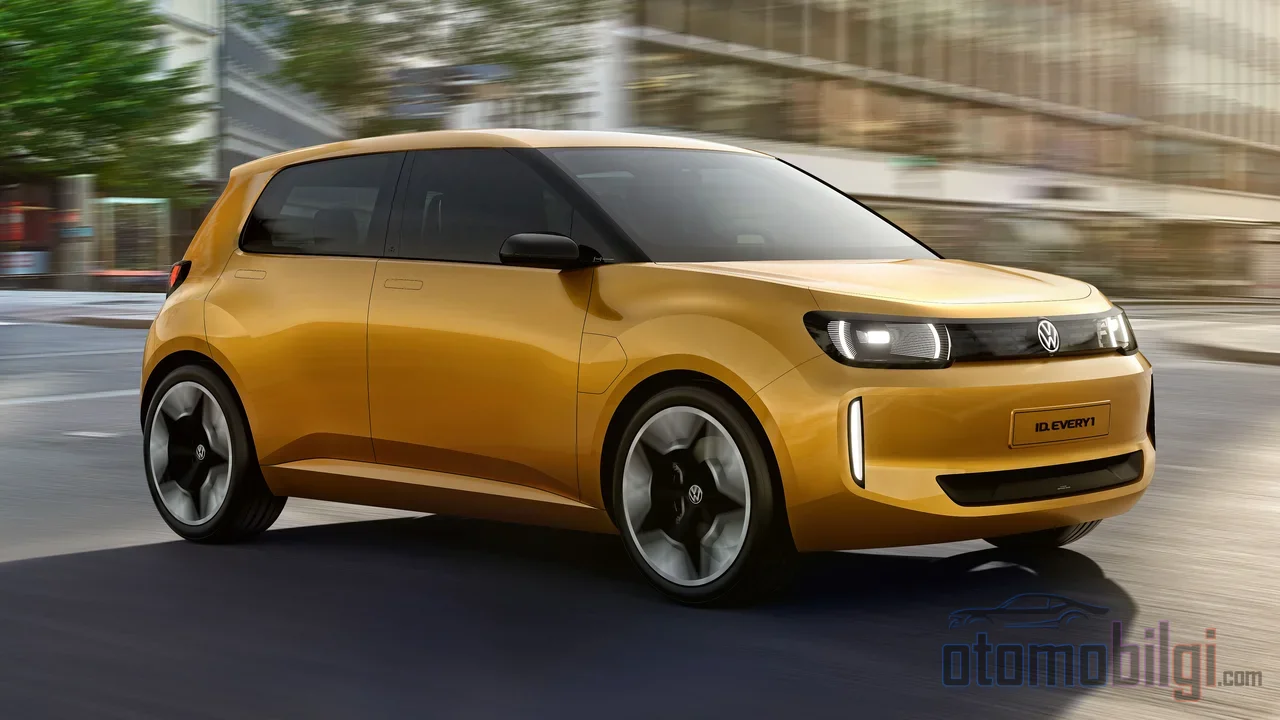
With a Volkswagen facing its harshest quarterly loss in over a decade at its doorstep, the bill for its electric vehicle strategy is on the table. With the 3rd quarter results announced on October 29, 2026, the company laid on the table not just a bad period, but that difficult balance where electrification must reconcile with profitability. Management signed off on an official warning that in precisely this equation, electric vehicle growth is squeezing profit margins. So how deep is this pressure, and can the cost-cutting target really solve the problem?
3rd quarter picture: As revenue fell, the loss grew
The Volkswagen Group's July-September figures are staggering even for someone who has been watching the automotive world for many years. In the quarter, the company reported a 5.9 billion euro operational loss; that is the largest quarterly loss recorded in more than a decade. The net loss was around 5.8 billion euros. In the same period, quarterly revenue fell 6% to 75.3 billion euros.
There is no single cause of the loss. The heaviest item is the decline recorded in the value of the Porsche brand; followed by the downturn in the Chinese market and restructuring expenses. In other words, part of the loss means that past investments have found their way into the accounting; but the remaining portion sends a clear message about the state of the business.
The nine-month picture scales the magnitude of the crisis more clearly. In the first nine months of 2026, group revenue fell to 233.4 billion euros with a 2% decline, while operational profit remained at just 0.1 billion euros. In other words, nearly all the earnings the group generated over nine months has been eroded by special items and restructuring costs. Management nevertheless used reassuring language, pointing to strong cash flow and cost reductions; but at the same meeting, a clear warning was issued that the electric vehicle mix is diluting margins, the Chinese market is shrinking, and special items are weighing heavier.
Highlights
- 3. a quarterly operational loss of 5.9 billion euros; the largest quarterly loss in more than a decade
- Quarterly revenue fell 6% to 75.3 billion euros
- The 2026 operational margin expectation was lowered to 1% in September; the previous target was a range of 4–5.5%
- 3. quarter, global deliveries fell 14.3%; Weakness in China was decisive
- The model range will be streamlined to up to 50% by 2030
Why are electric vehicles squeezing profit margins?
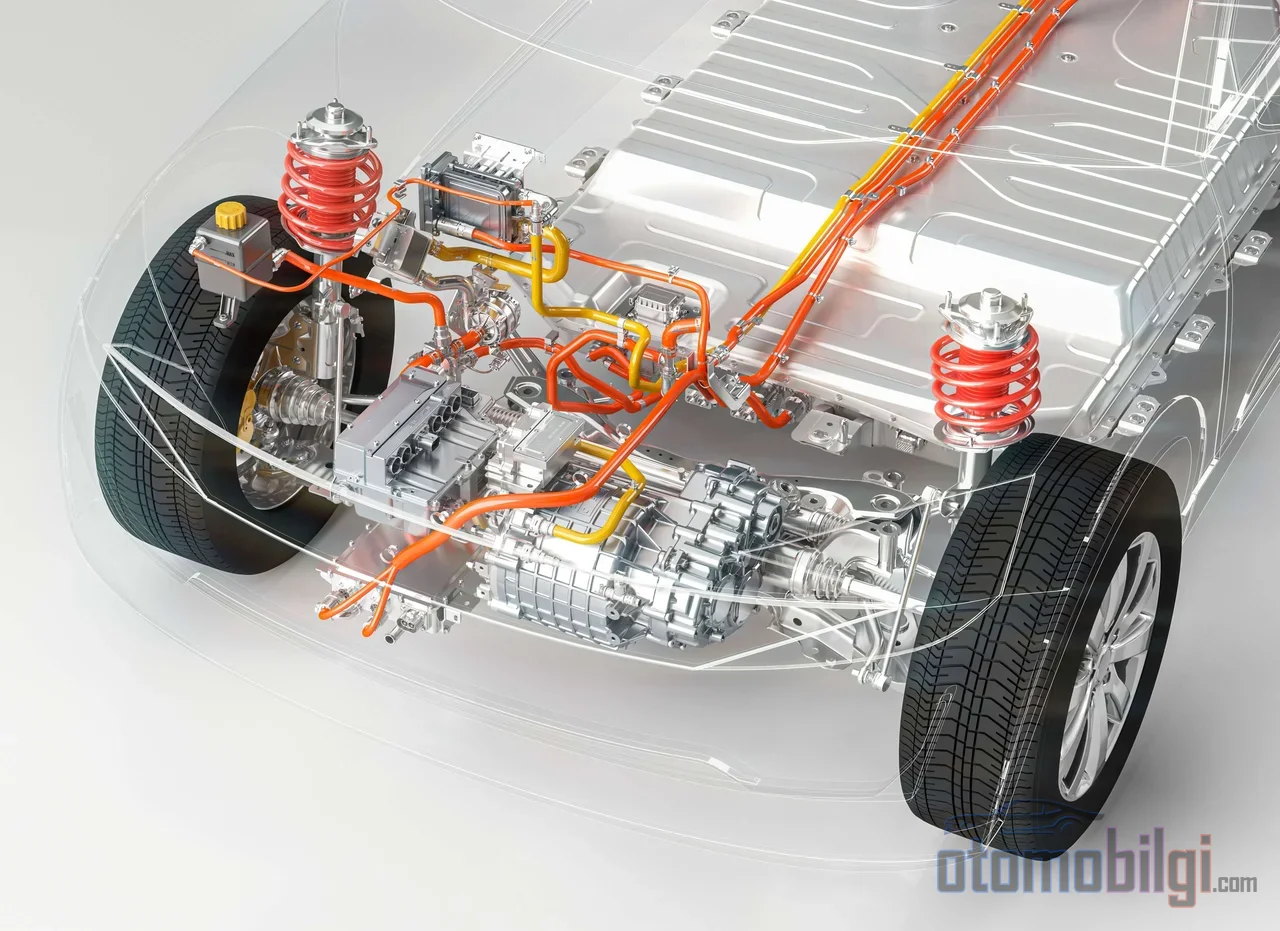
selling electric vehicles in Western markets brings in less than internal combustion vehicles. Battery supply, dedicated production platforms, the charging ecosystem, and next-generation software investments require serious capital. When sales volume does not reach the desired level, the fixed costs of these investments are spread over a small number of vehicles, and per-unit profit melts away. When sales volume does not reach the desired level, the fixed costs of these investments are divided among a small number of vehicles, and per-unit profit melts away. In Volkswagen's own words, the growing electric vehicle mix is diluting the group's margin.
The culprit is not electric vehicle demand itself; it is the pace of demand growth lagging behind the pace of investment. In the first quarter of 2026, the group's fully electric deliveries had declined by 8%. In other words, while the company continued to invest throughout 2026 at a rate of 11-12% of revenue in marketed capacity and model range, demand to fill that capacity is not yet in place. The annual net cash flow expectation was maintained nonetheless; which means, for the company, there is a difference between profitability and cash generation.
Deliveries and China: the other half of the story
Attributing the profitability pressure solely to electrification would be an incomplete reading. The group's third- quarter global deliveries came in with a 14.3% drop, producing one of an automaker's worst results; the main factor behind it was the contraction of the Chinese market. There, the old order in the global class has long since changed. Oliver Blume, at the head of the group, emphasized that they face more than 150 competitors in China and that all of these brands have also arrived in Europe. Manufacturers such as BYD and Geely have already entered the European market, with production bases in Hungary and Spain.
In the past, a group model leaving Germany would share almost the same fate in every market of the world; now every share lost in China is coming back through the same competitors' factories in Europe. This is a structural change that makes the margin pressure permanent, and it is precisely why Volkswagen defends its cost targets so persistently.
The cost-cutting target: how deep, how realistic?
The plan that came onto the agenda in February 2026 foresaw a 20% cost reduction across all of the group's brands by the end of 2028. Since then, the picture has grown heavier and heavier: in 2025, profit was reported to have fallen by more than 50%; in mid-September, following a special item of 10 billion euros (including the Porsche impairment), the company cut its 2026 operating margin expectation to 1%; the previous target had been a range of 4-5.5%. At the same time, the revenue forecast was also revised downward; it was projected that 2026 revenue could close with a decline of up to 3%. Tariffs and China were cited as the main causes of the pressure.
The dosage of the restructuring is also being debated. Blume's attempt to raise the previously decided 50,000 job cuts to 100,000 and to propose the closure risk of four German factories after 2030 failed to get full approval from the supervisory board; the decisions are expected to be clarified before the end of the year. On the capacity side, a reduction of global production capacity by 1 million vehicles per year and a lowering of the production target to 9 million units annually are planned. Scrapping electric vehicle production at a factory in the United States had an effect not of 500 billion euros, but of 500 million euros; in other words, even the walk-backs come with a bill.
The message from the works council front is in the same direction: Cuts alone are not enough; the real work lies in advancing technology and product development. Market analysts are also split into two voices. Some point out that business results have begun to stabilize despite the challenging backdrop, and highlight strong free cash flow. Others think management tried to send a harsher message to the workforce while comforting investors, which is a balance close to the limits of what is possible. The debate over who is right will become clear along with the year-end decisions.
The lineup is being simplified: Fewer models, fewer options
At the other end of the margin squeeze is product strategy. The Volkswagen Group aims to reduce its model lineup by up to 50% and cut option complexity by up to 75% by 2030. This effectively means abandoning the approach of having a model in every segment, which formed the core of the groups' growth strategy for decades. Complexity is an invisible cost machine in the automotive industry: Fewer variants mean less hardware combination, shorter assembly time, and a more predictable supply chain. Simplifying the lineup is a move that directly frees up cash so that electric vehicle investments can be financed.
A long-running imbalance
Today's picture is not disconnected from yesterday. In the 3rd quarter of 2024 quarter of 2024, group profits had already fallen by 41.7%, and the main factor blamed at the time was consumers' reluctance toward electric vehicles. Two years later, the same question is on the table with much harsher numbers: If no investment is made in electric vehicles, the future is lost; if it is made, today's margin erodes. Volkswagen's quarterly results are the clearest evidence that this dilemma is at the center. The group has not given up on its electric vehicle targets; but it is now officially acknowledged that the path to those targets cannot be crossed profitably without cuts and simplification.
Conclusion: The bill for the growth story
In the size of the 3rd quarter loss, one-off items such as the Porsche write-down played a role; but at the backbone of the loss and margin pressure lies electric vehicle volume failing to justify the investment and a permanent loss of share in China. Volkswagen's answer stands on three pillars: a 20% cost-cutting target, an annual capacity reduction of 1 million vehicles, and model simplification of up to 50%. If these three pillars complement each other, electric vehicle growth can turn into a profitability-friendly course. If they do not, the restructuring awaiting the largest employer of the European automobile industry could be even deeper than today's estimates. The upcoming decisions are expected to be announced before the end of the year; that day will be the turning point of this story.
Sources
- Volkswagen Group: Nine-month results underline urgent need for action
- VW loss widens in Q3, raising restructuring stakes
- VOLKSWAGEN (VOW.PR) Q3 FY2026 earnings call transcript
- Volkswagen slashes 2026 profit outlook to 1% on Porsche
- Volkswagen Q3 2026 deliveries drop 14% on China weakness
- Volkswagen targets European production cut as profits fall
- VW Group to reduce lineup by 50% through 2030
- Volkswagen plans to cut costs by 20% by end 2028
- Volkswagen Faces 42% Profit Drop in Q3