Porsche's Value Loss Has Plunged Volkswagen into a Deep Crisis
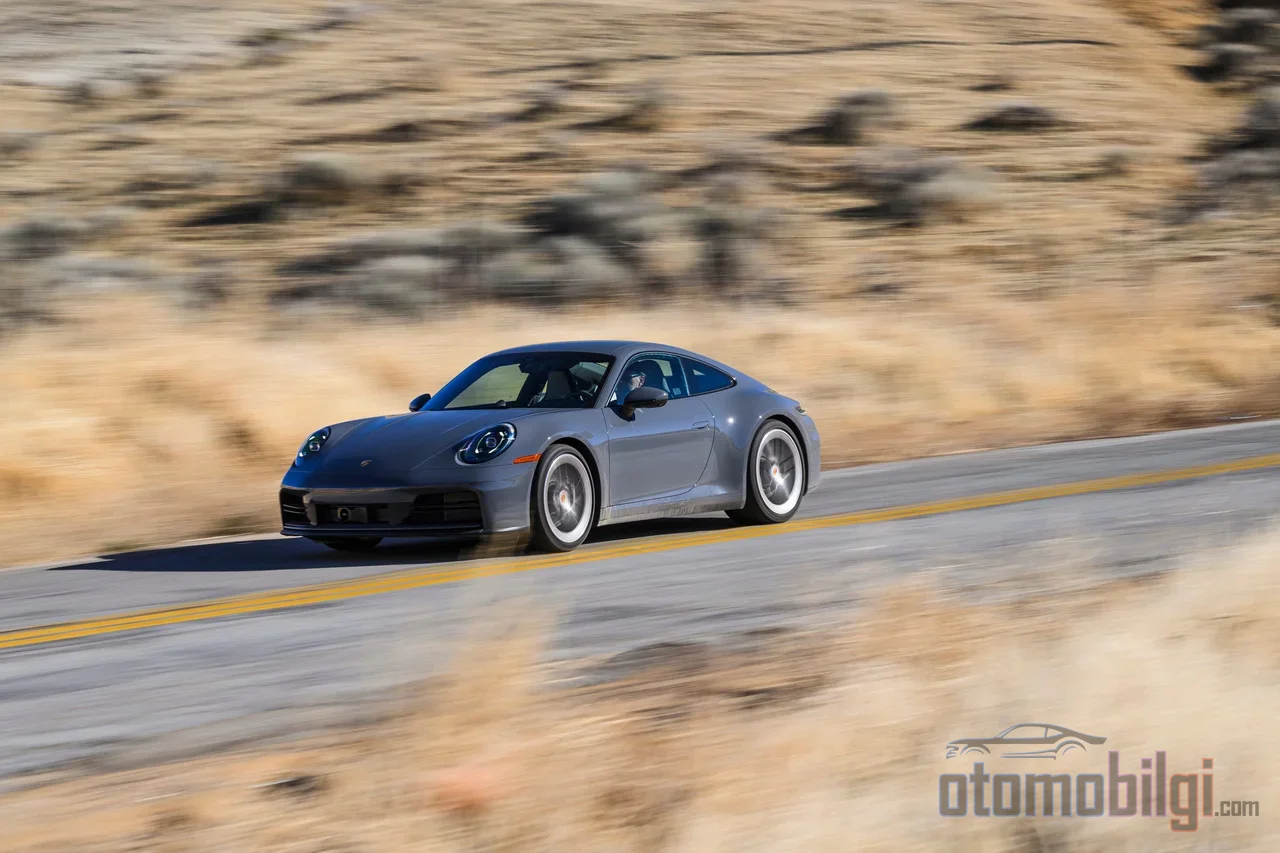
Volkswagen Group's quarterly closings have always proceeded cautiously throughout its history; the shadow of dieselgate loomed over the financials for years. The third-quarter results announced on October 29, 2026 left that shadow behind: The Group posted its worst quarterly operating loss since 2015. And this time the culprit is not an exhaust scandal, but a far more ironic file: Porsche. Long regarded as the backbone of group profits as the reliable earner of the luxury segment, the brand now appears in the consolidated figures with a massive impairment charge. So how big is this loss really, what does it mean, and why is it bringing Volkswagen to the brink of restructuring?
Third-quarter figures: The worst picture since dieselgate
Volkswagen Group's third-quarter operating result was a loss of 5.86 billion euros - roughly 6.5 billion dollars. This is the heaviest quarterly loss the company has recorded since the peak of the 2015 emissions scandal. In the same period last year, the group was still posting an operating profit of 1.3 billion euros; in other words, the picture deteriorated over the course of a year enough to change the very nature of the business.
At the center of the loss is a single item: a 6.4 billion euro impairment on the stake in Porsche AG. This is a non-cash adjustment made on the books; but it hits the group's operating result in full, because Volkswagen holds 75% of Porsche AG's shares and consolidates the company. Looking at the nine-month picture, the situation becomes even clearer: In the first nine months of 2026, group revenue was 233.4 billion euros, while operating profit was a mere 0.1 billion euros - a year earlier, profit for the same period was 5.4 billion euros. These nine months contain a total of 8.7 billion euros in special items, and the largest of them is precisely that Porsche goodwill loss.
The sales side is not lending support either. In the quarter, deliveries, sales volumes and production declined by about 15%; sales revenues were dragged down as well. In the first nine months of the year, vehicle sales fell to 5.9 million units - a drop of 11% compared with the same period of 2025.
Highlights
- Volkswagen Group posted an operating loss of 5.86 billion euros in the third quarter - the worst quarter since 2015.
- At the center of the loss is a 6.4 billion euro non-cash impairment on the stake in Porsche AG.
- The 2026 profit margin forecast was cut in September from the 4-5.5% range to at most 1%.
- The restructuring plan includes the loss of up to 100,000 jobs and the possible closure of four German plants.
- The goal is to regain an 8-10% operating profit margin by 2030.
The September warning: Anatomy of the 10 billion euros in special items
The October 29 loss is in fact the final act of a process. On September 18, 2026, Volkswagen cut its profit margin forecast for the year from the 4-5.5% range to at most 1% and announced that behind this stood special items worth around 10 billion euros (11.5 billion dollars). That day the shares lost 5.6% in value; by the end of October, the stock was trading at its lowest levels in more than a decade.
The largest of the special items is the roughly 6 billion euro non-cash goodwill impairment related to VW Group's 75% stake in Porsche AG. Goodwill is the portion of the price paid when acquiring a company that exceeds its tangible assets; its value is based on assumptions that the company will generate profits in the future. The review of Porsche's medium-term 10-15% profit margin corridor pulled down exactly those assumptions and triggered the valuation test. The result is that huge item written into the third-quarter operating result.
The remaining items are not small either: Provisions for expanded early retirement, the sale of the Osnabruck plant, and non-cash impairments at consolidated units in China add roughly 2 billion euros of extra weight to the second half - with the bulk of it also in the third quarter. Together with the 0.9 billion euros recorded in the first half, the company expects the first-year total of special items to be around 10 billion euros; excluding these, the year-end operating margin is forecast to be approximately 4%. The revenue forecast has also been cut to around 315 billion euros; last year that figure was 321.9 billion euros, with a margin of 2.8%.
Why is Porsche no longer the group's profit guarantee?
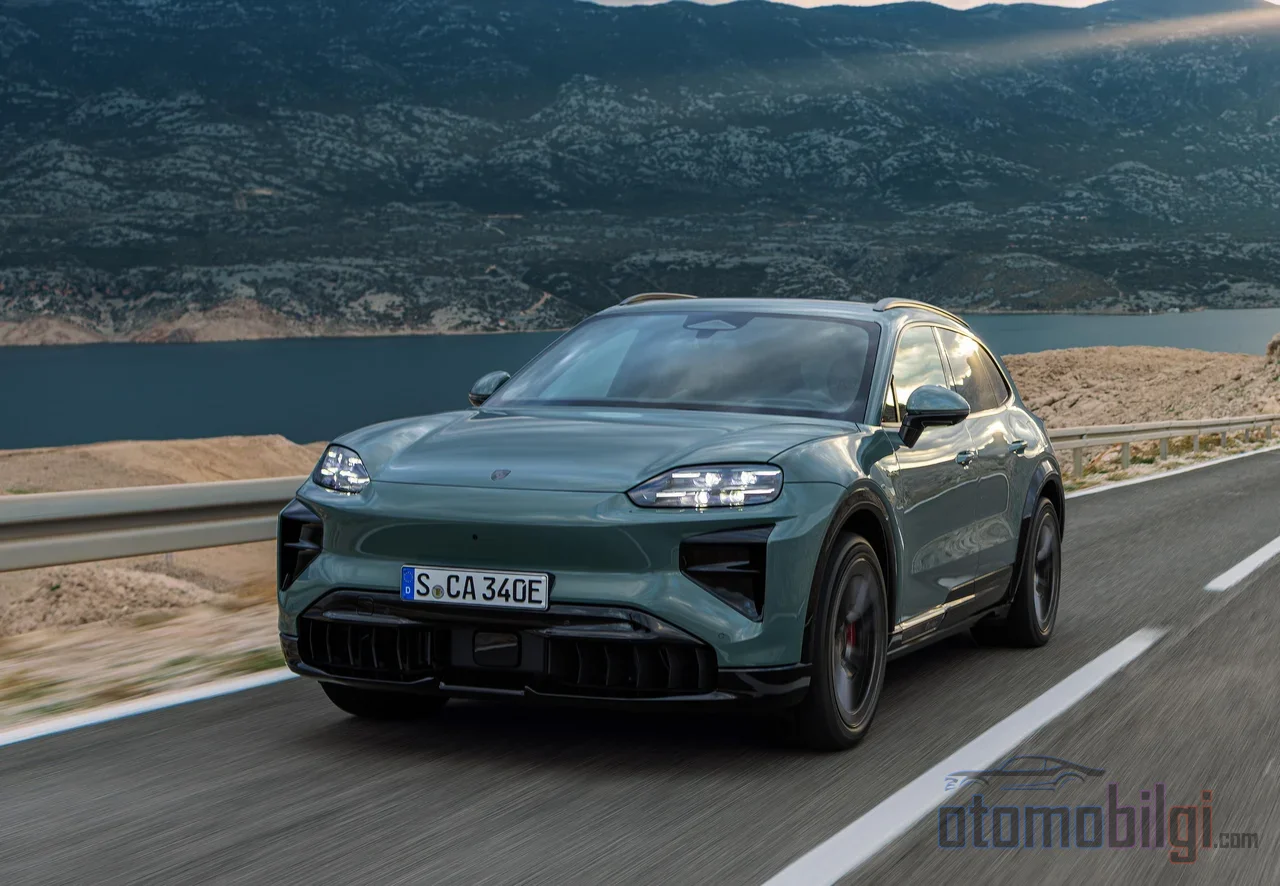
The equation used to be simple: Volkswagen's volume brands produced volume, and Porsche produced profit. Four years ago, Porsche could cover more than a quarter of the group's operating profit on its own. In 2025, that share fell to below 5%. Today, the same brand appears in the consolidated accounts with a 6 billion euro goodwill adjustment. Few cases in the automotive industry in recent years have seen a brand's role within a group change so quickly.
Two developments stand out in the background. First, there are reports that Porsche CEO Michael Leiters has prepared a new strategy based on a smaller model lineup; according to the claims, 4,000 roles at the company are being assessed as surplus. These are not official announcements but assessments leaked to the press - yet read together with the triggering of the valuation test, they explain the picture: Porsche's profitability expectations shrank, and the shrunken expectations pulled down its value on the books.
Second, there is an interesting contrast: Porsche's own third-quarter report emphasizes strong results and cash flow; in the automotive segment, net liquidity has reached 8.23 billion euros, an increase of 884 million euros. In other words, the loss weighing down the group's accounts does not mean Porsche's operations have collapsed - it shows that future profit expectations have shrunk. This distinction is perhaps the most overlooked point of the story.
Why is the Porsche-VW relationship so complicated?
To understand the situation, one must look at the structure's design. Volkswagen is not only the owner of the Porsche brand; it is itself controlled by a Porsche. Porsche Automobil Holding SE (Porsche SE) owns 53.3% of Volkswagen AG's ordinary shares and 31.9% of its nominal capital - in other words, VW's largest shareholder and the controller of the majority of voting rights. Porsche SE's controlling stake is also in the hands of the Porsche-Piëch family. The holding also owns 25% plus one share of the ordinary shares of sports car manufacturer Porsche AG, and 12.5% of its total shares.
The second-largest shareholder is the State of Lower Saxony, which holds 20% of the voting rights. So the Porsche name appears twice, both at the top control point and in the hierarchy of brands. This structure creates a double irony: Volkswagen, which sees the loss of value in Porsche AG on its books, is at the same time a company run by a shareholder structure controlled by the Porsche-Piëch family. And this shareholder is getting impatient: Porsche SE announced that its group result after tax and adjustments slipped to 0.9 billion euros in the first half of 2026 (from 1.1 billion euros the previous year) and called on Volkswagen to act quickly to strengthen its competitiveness. The holding's year-end forecast was also revised widely, to a range between a 500 million euro loss and a 1.5 billion euro profit.
100,000 jobs, four factories and profitability pressure
The real tension lies beyond the financial picture, on the shop floor. In early September, Volkswagen's supervisory board approved a plan that envisions cutting about 50,000 more positions on top of the existing reductions and ending production at four factories - bringing the total downsizing to over 100,000. CEO Oliver Blume's plan is based on a combination of layoffs across the group, including at Audi and Porsche, and not filling retirement positions, and includes the possibility of closing four factories in Germany. Union resistance is fierce; it is said it could lead to strikes next year. On October 29, the loss exceeding expectations raised the stakes of this restructuring even further.
CFO Arno Antlitz's take on the picture is one of assessment: In the first nine months, the operating sales return excluding special items was 3.8% - and it is clear that this is not enough in the long run. The goal is to regain an 8-10% operating profit margin by 2030. The distance in between is the real measure of all these downsizing and factory debates.
So where does the pressure come from? Three headlines stand out:
- Competition from Chinese manufacturers and falling demand in China - a market that was once Volkswagen's main profit center no longer carries the same weight.
- The auto tariffs imposed by US President Trump.
- The cost of the transition to electric vehicles - electric models currently bring in less profit per vehicle than their internal combustion counterparts.
Is there no positive on the demand side at all? Actually, there is. Order intake for new vehicles rose by 4% year-on-year, and for battery-electric vehicles by 39%. The growth of electric vehicles itself is a market reality; the problem is that this growth has not yet translated into profit under today's cost structure. This is exactly where Volkswagen finds itself in a vise: on one side a product lineup forced to keep pace with electrification, on the other a cost sheet that has yet to produce the profit expected from that lineup.
Is the loss a real cash loss? The critical distinction between the two
The reader's first question should be this: Did the 5.86 billion euro loss go out the door in cash? No. Impairments are non-cash items; a goodwill adjustment is the revision of an asset's book value according to future profit expectations, and involves no money changing hands that day. But that does not make the loss insignificant. Book value is like a pledge about the future - when expectations shrink, that pledge shrinks too, and shareholders and financing costs directly feel the impact on the company's capital base and reputation. Moreover, the indirect pressure of the non-cash loss on profit targets materialized in the acceleration of layoff and factory decisions. In other words, this figure that stays "on paper" is determining the future of jobs, factories and models in the real world.
The market reaction also read this distinction: Following the results on October 29, Volkswagen shares recovered with a 2% gain at midday in Frankfurt. The worst-case scenario having actually materialized means reduced uncertainty - a classic example of markets sometimes finding relief in bad news.
Payoff: Where does the company go from here?
The one-sentence summary of the third-quarter loss is this: Volkswagen repriced the future profit expectations of its 75% stake in Porsche, and this non-cash 6.4 billion euro adjustment dragged the quarter into its worst operating loss since 2015. The real issue is not on the table but on the agenda: The path from a 3.8% operating margin to the 8-10% target means a downsizing of up to 100,000 jobs, the possible closure of four German factories and negotiations with the unions. Porsche's own cash position remains solid; on the demand side, orders are rising, especially for electric vehicles. Volkswagen's task is to build these positive signals on top of a cost structure that is not yet producing profit. As someone who has been watching this industry's quarterly results for more than three decades, I can say this: It is not the size of the loss but the steps taken after it that write a company's story. The calendar for Volkswagen's next chapters is narrowing between the 2030 target and the union table.
Sources
- Volkswagen Group: Nine-month results underline urgent need for action
- Volkswagen AG updates its forecast for fiscal year 2026
- VW logs €5.86 billion Q3 operating loss on Porsche writedown
- Volkswagen Posts $6.5 Billion Quarterly Loss
- Volkswagen posts deepest loss since Dieselgate
- VW slashes 2026 profit outlook to 1% on $11.5 billion hit
- Porsche's decline from crown jewel to millstone for parent Volkswagen
- Volkswagen board approves cutting 50,000 more jobs and ending production at 4 plants
- Porsche SE calls for swift action at Volkswagen
- Porsche Q3 2026: Robust results and cashflow