Volkswagen Announced a Package Concerning Its 120,000 Employees
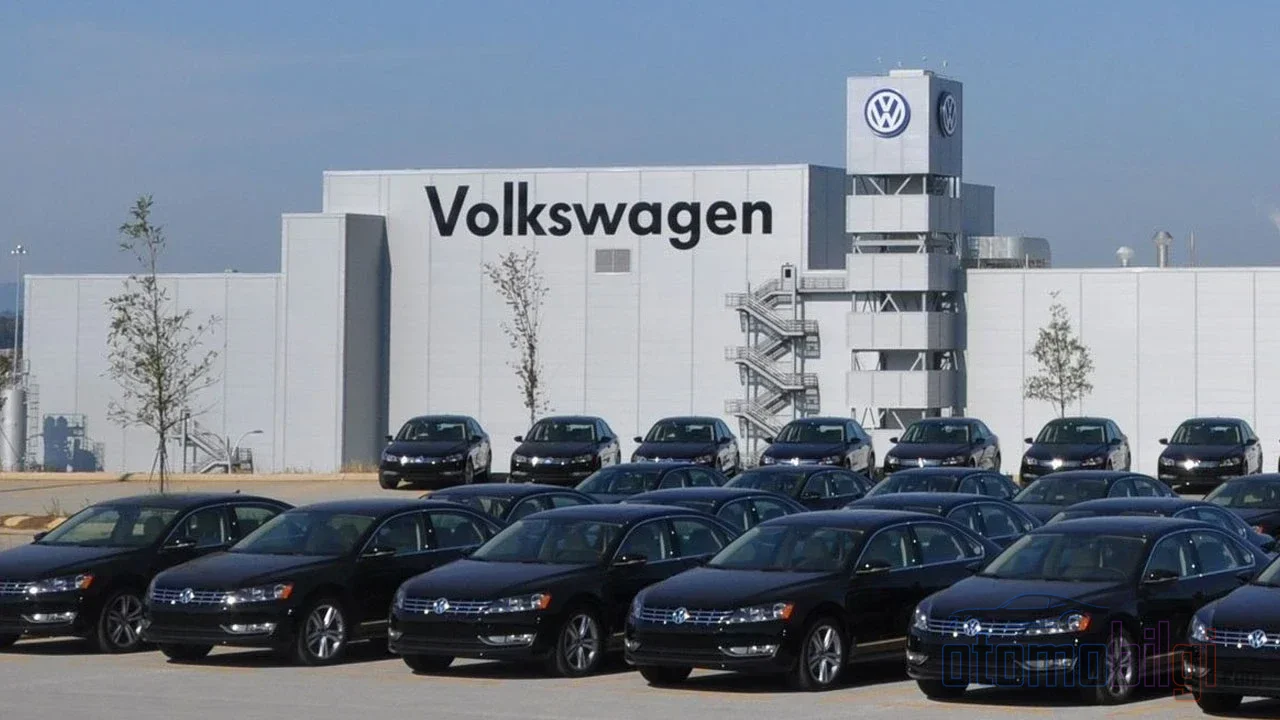
Volkswagen has put a catalogue on the table that will mark the eve of collective bargaining negotiations affecting around 120,000 of its employees in Germany: A demand for a complete wage freeze for 2027 and 2028. And the company doesn't stop there; it also wants the removal of collective-agreement bonus payments and the flexible adjustment of weekly working hours based on capacity. IG Metall, for its part, stands on the other side demanding a 5 percent raise. With the two sides' demands so directly at odds, one of the biggest industrial relations tests for the German automotive industry looks inevitable. So what is pushing Volkswagen to such a harsh demand, and why is the negotiating table starting off so tense?
What Does Volkswagen's Demand Catalogue Contain?
Volkswagen AG positioned the demand package it announced on November 19, 2026 within the framework of easing its cost structure and making its capacity more flexible according to demand. At the top of the package is a two-year wage freeze; but its scope is not limited to that.
- A wage freeze for 2027 and 2028
- The removal of the collective-agreement bonus payment, equal to 27.5 percent of average monthly earnings, or alternatively 6 days of paid leave
- The termination of the collective-agreement payment of 167 EUR per month
- Tying the normal working time of 35 hours per week to capacity utilization: increases could be implemented without additional pay, while reductions would be applied with a proportional pay adjustment
Highlights
- Volkswagen is demanding a wage freeze for 2027-2028
- The demands affect around 120,000 employees in Germany
- IG Metall is demanding a 5 percent raise in return
- The peace obligation ends on December 31, 2026; from January 1, 2027, warning strikes become legal
- Management's target is a workforce reduction of 100,000 by 2030
A New Negotiating Team, A Familiar Tension
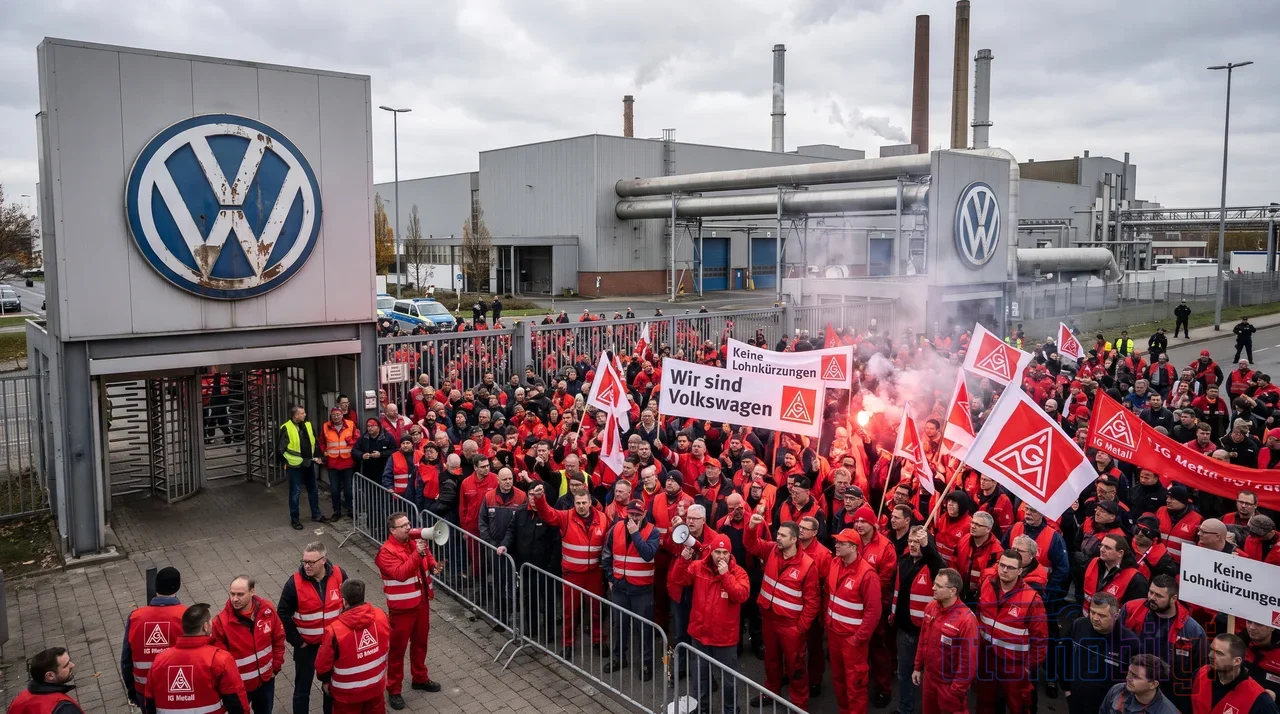
There is also a generational change on the management side of the table. HR Board Member Arne Meiswinkel is leaving the company on December 31, 2026, as planned. From now on, a dual structure will take over the negotiation leadership: Kerstin Scholz, Head of Group HR Policy and Governance, and Frank Ischner, responsible for Group Human Resources Management. The handover of duties coincides precisely with the most critical weeks of the process; the official negotiations begin on Tuesday in Emden.
The choice of Emden is no coincidence. The plant, one of the factories whose closure came onto the agenda in the September 2026 crisis, is counted among the four factories that could be closed from the early 2030s. Sitting there to negotiate a contract reminds both sides just how serious the message is.
Three Factors Putting the Company Under Pressure
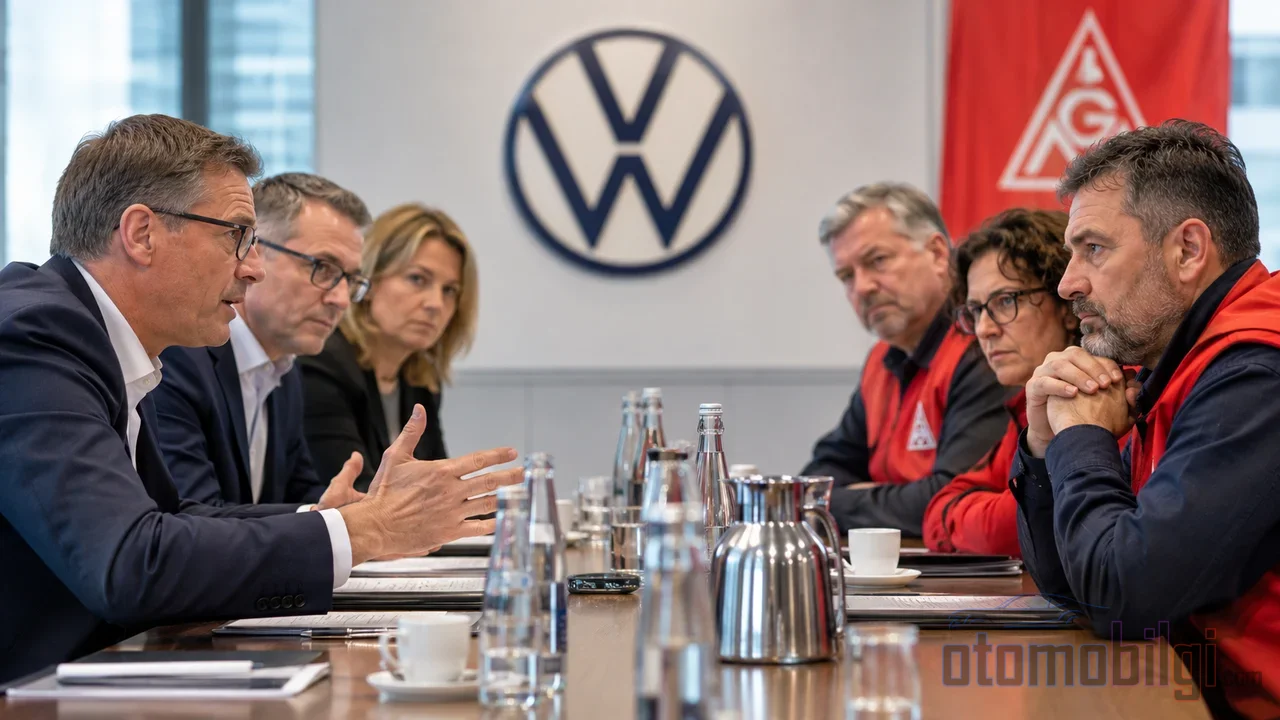
Volkswagen bases the justification for its demands on foreign trade and market conditions. The three points put forward are clear: trade barriers and tariffs, the shrinking Chinese market, and intensifying competition in Europe. According to the company's claim, the cost measures agreed upon in 2024 are no longer sufficient on their own; the business model needs to be realigned faster and more consistently.
Within this framework, collective bargaining demands are being positioned as part of a broader program. Under the group's 2030 target vision, efficiency programs in development, purchasing, production, quality and sales units are aimed at pulling costs down significantly compared to current planning. In short, the pay freeze demand placed on the table is not merely a bargaining move; it is the labor pillar of the group-wide savings architecture.
IG Metall's Answer: 5 Percent Raise and Strike Threat
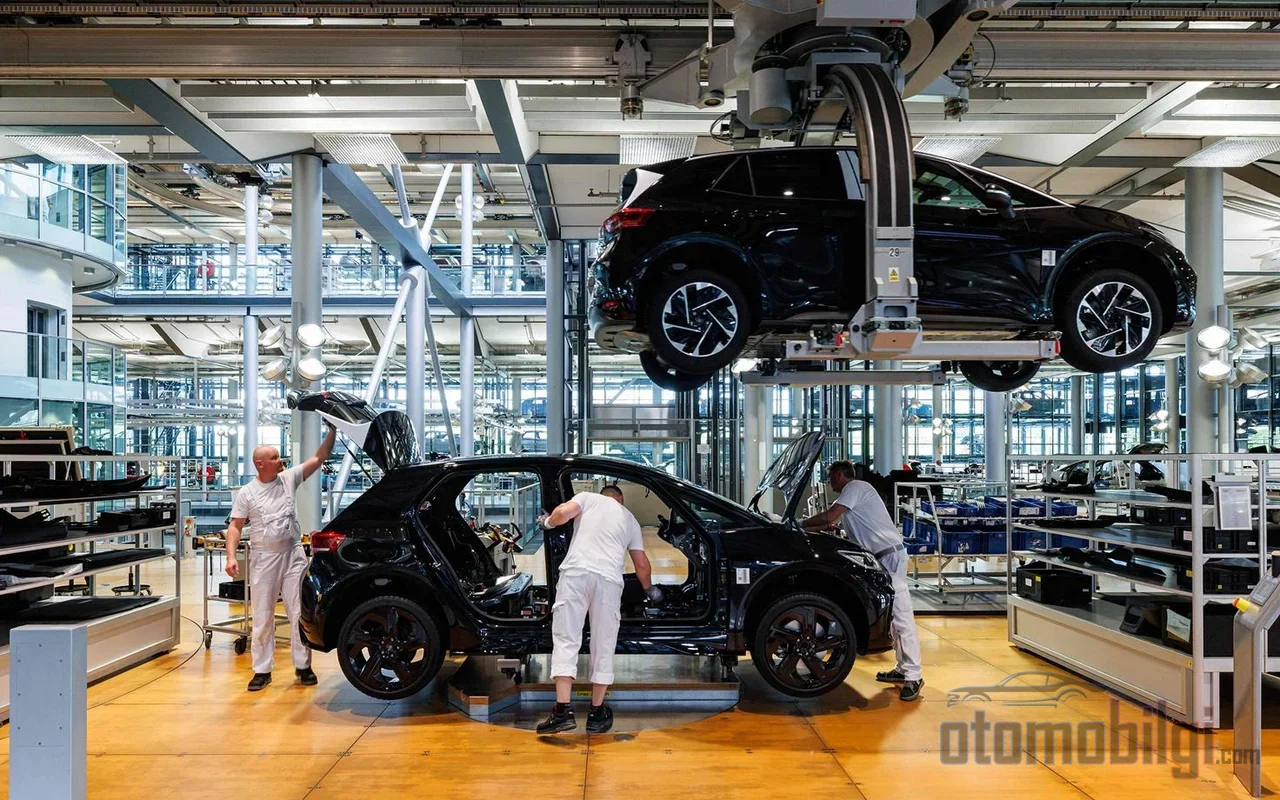
On the union side, the picture is entirely the opposite. IG Metall is demanding a 5 percent pay increase and considers Volkswagen management's demands unacceptable. The union's chief negotiator Thorsten Groger accused management of betraying employees, warning that the process will evolve into a tough conflict that will leave deep marks on the company. The union also argues as a point that Volkswagen's labor cost ratio has been falling for years, dropping below 17.5 percent; that is, it is argued that the problem does not lie in wages.
The calendar is also fueling the tension. The peace obligation of the current agreement expires on December 31, 2026, and warning strikes become legal from January 1, 2027 onward. Since Volkswagen has terminated almost all of its internal collective agreements, workers are voicing the strike threat seriously from January onward. It is a strong possibility that scenes of intense action will be seen in front of Volkswagen plants in Germany at the start of the year.
From the September Crisis to Today: The Background of the Tension
This conflict did not develop in a vacuum. On September 30, 2026, Volkswagen terminated nearly the entire framework of internal collective agreements, in a scope extending to 10 contracts. IG Metall had called for the contracts to be withdrawn by the end of October; when this did not happen, it became inevitable that the process would reach today's point.
In the broader picture, at the center of the restructuring program led by CEO Oliver Blume is a workforce reduction of 100,000 by 2030. This figure corresponds to about 15 percent of employees and is interpreted as one of the largest restructuring moves on this scale in the global automotive industry. The supervisory board recently approved the plan to raise the cuts to this level; the group employed more than 600,000 people at the end of the year.
In the previous crisis resolved by compromise in September 2026, closure scenarios were discussed for Hannover, Emden, Zwickau and Audi's Neckarsulm plant, and the agreement reached with the union prevented plant closures. The plan to convert the Osnabrück plant to the defense industry, however, was abandoned this year due to objections from Qatari investors. This background explains how much the mutual trust between the two sides has eroded.
Not Just Volkswagen's Problem
German automakers in general are reassessing their local operating costs. IG Metall is planning 24-hour strikes at Mercedes-Benz and Audi, a subsidiary of Volkswagen. One source of the pressure on the industry is low-cost Chinese manufacturers, which have reached a share of over 10 percent in the European market. In terms of German industrial relations, the Volkswagen round will set a general direction for the sector in the coming months.
Two Narratives Colliding Head-On
At the heart of the matter, two different claims of reality are colliding. Management argues that tariffs, the contraction in the Chinese market and competitive conditions in Europe mean current measures are not enough, and that the business model needs to be realigned quickly. The union, on the other hand, states that the labor cost ratio has been declining for years and the problem is not in wages, and that management is putting employees' futures at risk. The gap between the parties' demands is so wide that a escalation of the conflict into strikes at the start of the year stands as a strong possibility.
In short, the answer to the problem is clear: Volkswagen wants a wage freeze for 2027 and 2028, the removal of bonus payments, and unpaid flexibilization of working hours; IG Metall is demanding a 5 percent raise, and once the peace obligation ends on December 31, the path to strikes opens from January 1, 2027. From the table that will begin in Emden, either a compromise or a wave of industrial action unseen in years will emerge. Both outcomes will shape not only the wage agreement of the German automotive industry but also its investment and production decisions.
Sources
- 2026 collective bargaining negotiations: Volkswagen AG calls for significant relief in labor costs (Volkswagen Group)
- 2026 Volkswagen Collective Bargaining Round (IG Metall)
- Volkswagen's workers threaten strikes unless it reinstates wage deals (Reuters)
- Volkswagen proposes two-year pay freeze in union clash (The Fund)
- Volkswagen seeks pay freeze, flexible hours in showdown with union (The Detroit News)
- Volkswagen seeks pay freeze and flexible hours (RTÉ)