Mercedes C111 To Be Sold for the First Time in History: 25 Million Euros
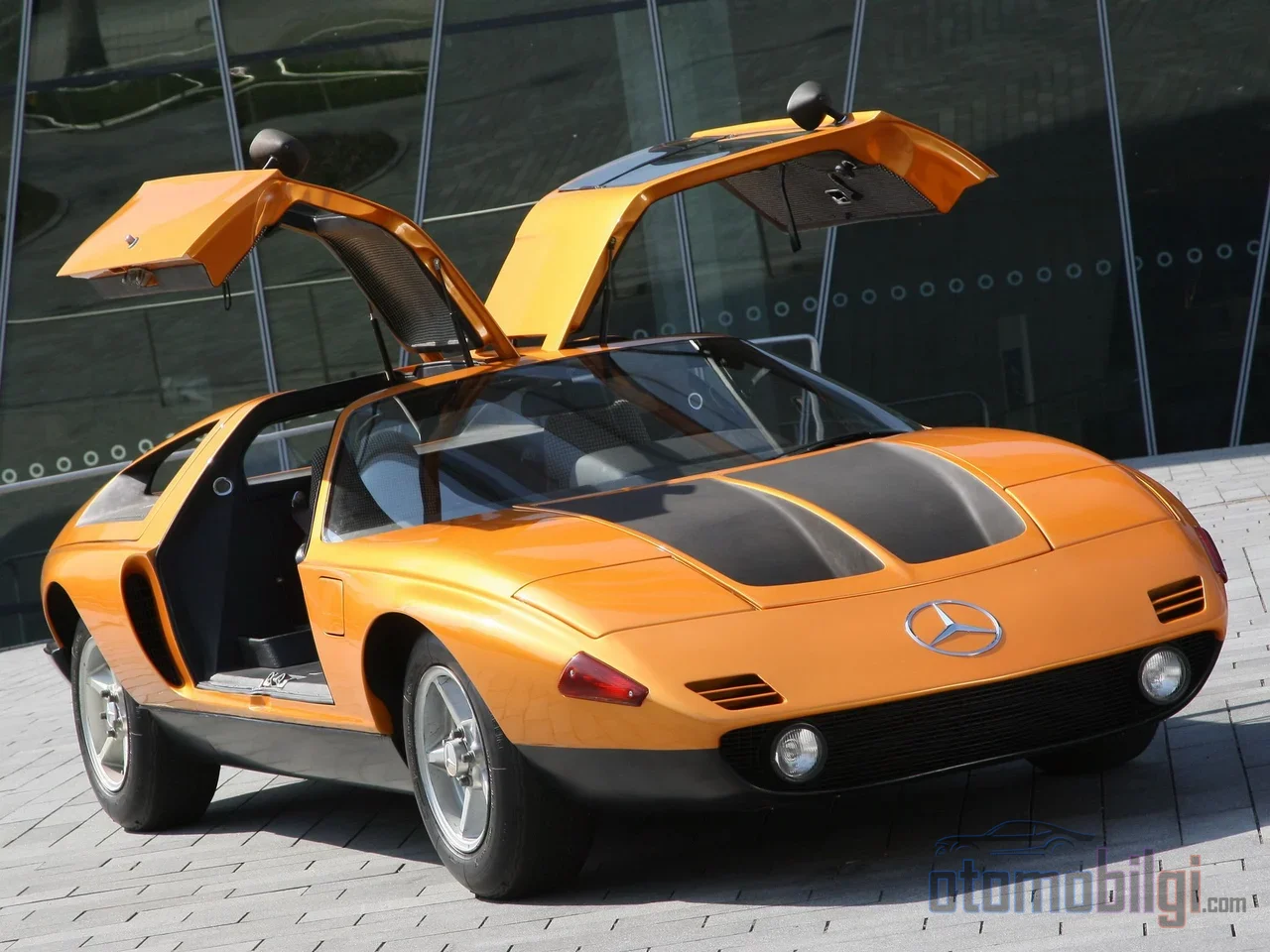
Last week's news from Stuttgart opened one of the most closely guarded vaults in the classic car world: Mercedes-Benz is putting a C 111 prototype up for sale for the first time in its history. Since 1969, not a single C 111 has left the company's collection; now the 1970 C 111-II known as "Car 33" will go under the hammer in Paris on February 3, 2027. The answer to the questions of why now, and why this car, after more than half a century of waiting, is more calculated than you might think: This sale will be the last opportunity for at least 25 years.
When and where will the auction take place?
The car will go under the hammer via RM Sotheby's on February 3, 2027, in the Salles du Carrousel section of the Louvre Palace in Paris, alongside the Rétromobile Paris show. The announcement was made on November 17, 2026 through Mercedes-Benz's official channels; the car is being previewed to potential buyers this week at the Rétromobile event in New York. Online bidding will not be accepted: Bids may only be placed in the salesroom, by phone, or in person by buyers who have pre-registered. Participation conditions and pre-inspection appointments will be arranged through the Mercedes-Benz Classic Center.
Highlights
- A C 111 is being offered for sale for the first time in Mercedes-Benz history
- Auction: February 3, 2027, Paris, Louvre, RM Sotheby's
- Car being sold: 1970 C 111-II, four-rotor Wankel, 345 hp, 300 km/h
- Price expectation: Estimated at 25 million euros and above
- The company has committed not to sell another C 111 for at least 25 years
Which car is being sold: What is "Car 33"?
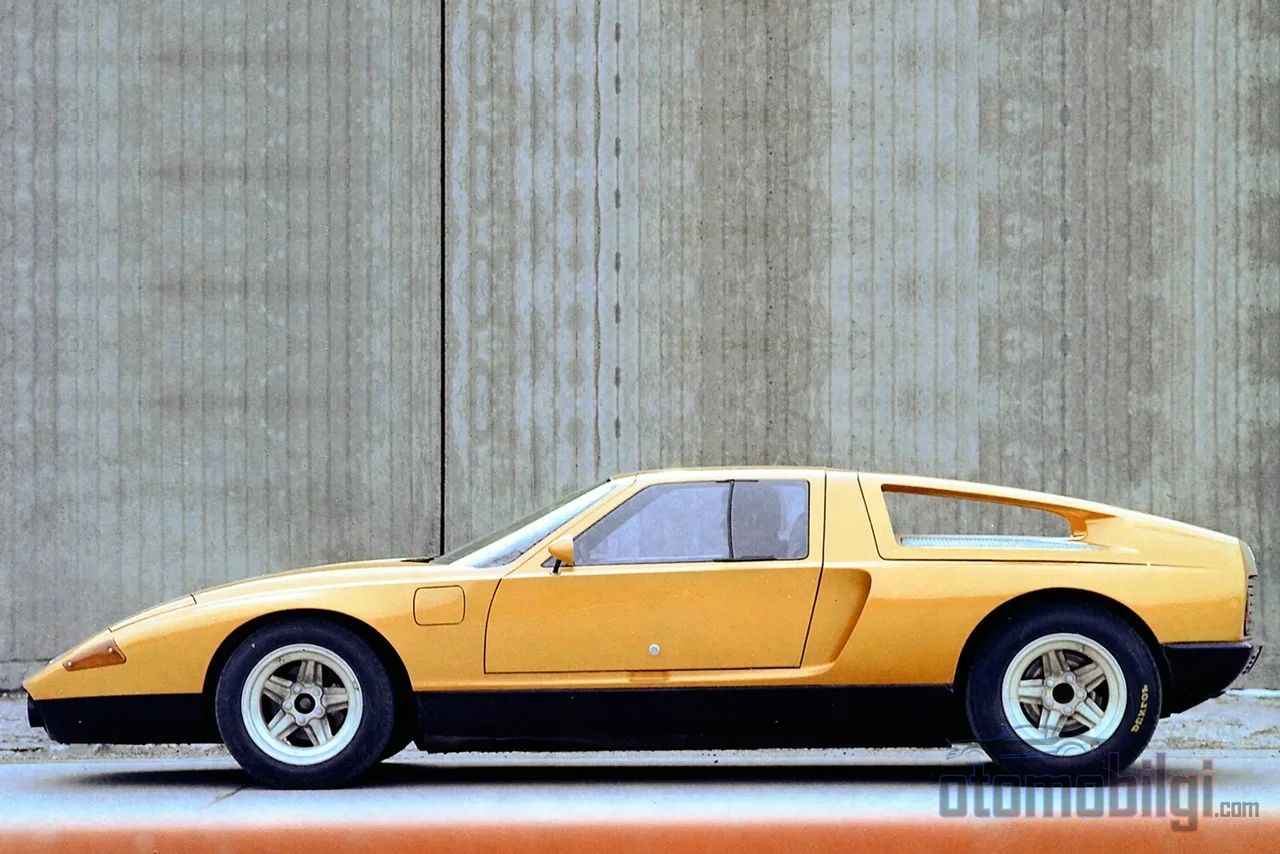
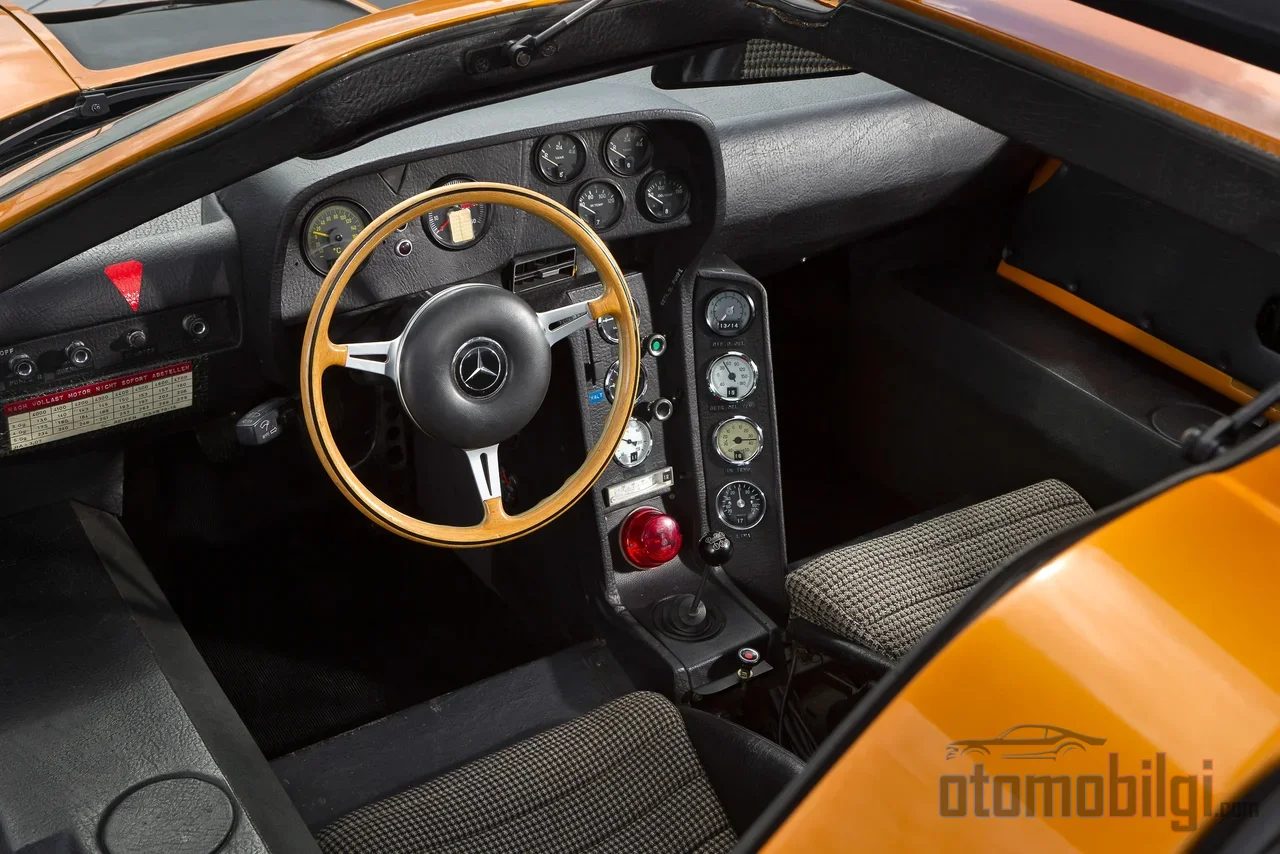
A total of 17 C 111 prototypes were built; one was destroyed in a crash test, three were dismantled in the 1970s, and today 13 examples remain in the Mercedes-Benz collection. The car going to auction is from the C 111-II test fleet completed in 1970; it is known among legends as "Car 33" because of its number in the collection records. The third C 111-II, whose production began in March 1970, was painted in "Weißherbst" color; with its gray-and-white houndstooth patterned sports seats, four-spoke steering wheel, and vertically mounted Becker Europa radio, it has preserved its identity as a period development vehicle to this day.
The car also has a colorful history: It was shown to the famous orchestra conductor Herbert von Karajan in 1971, appeared in the first issue of German Playboy in 1972, passed into the company collection in 1975, and since 2006 has been displayed in the design section of the Mercedes-Benz Museum. As of October 2026, its mileage is 24,766 km. In 2024 it was made roadworthy at the Mercedes-Benz Classic Center in Fellbach: The exterior and interior patina were preserved as is, the drivetrain underwent a major service, and a fire suppression system was added to the engine bay. After the restoration, the car was also displayed at the Pebble Beach Concours d'Elegance.
The four-rotor Wankel: The technical identity of the C 111
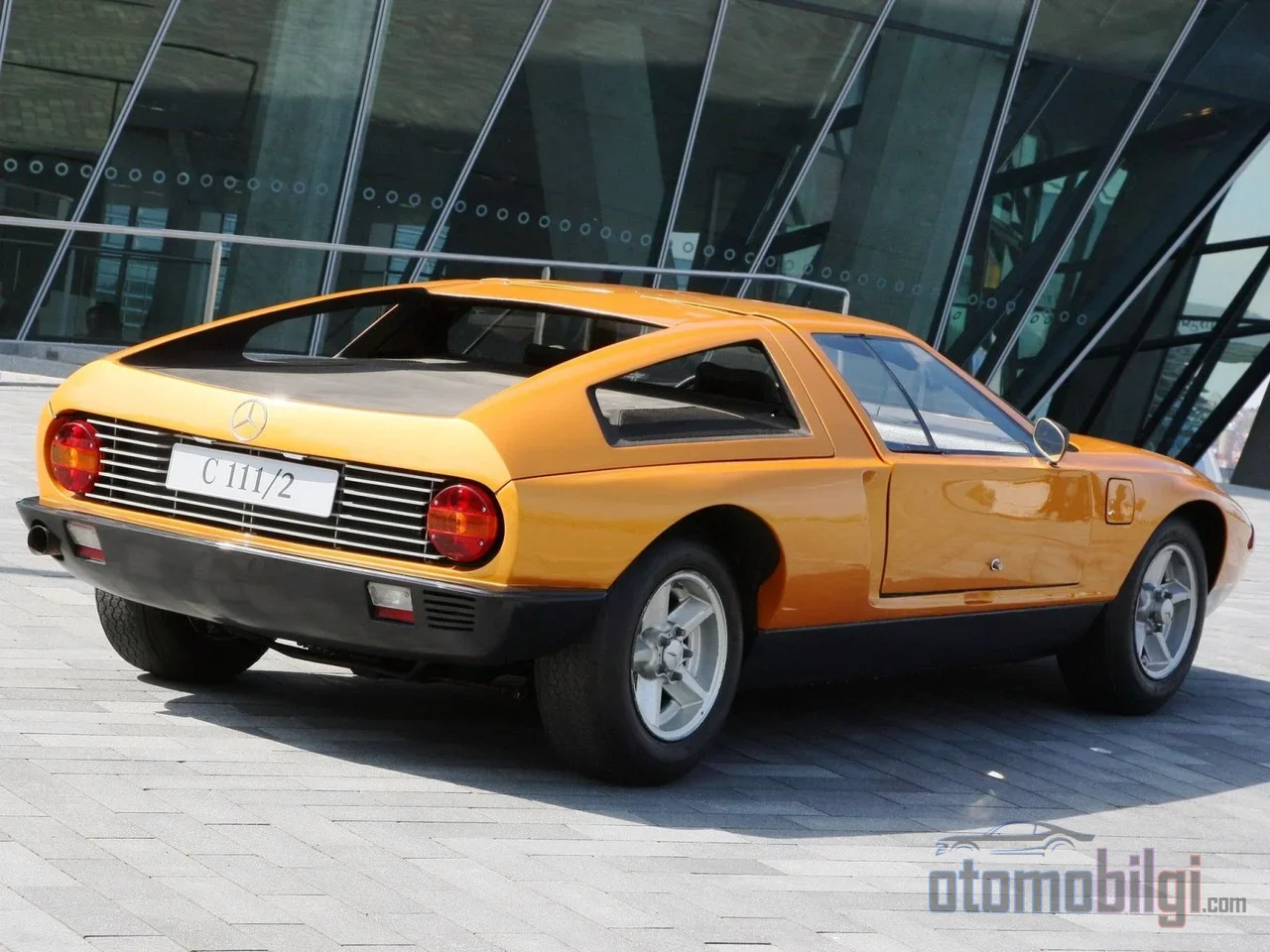
At the heart of the C 111 was the Wankel-type rotary engine, the most ambitious technology of its era. The first C 111, introduced at the 1969 Frankfurt IAA with a three-rotor M 950 engine, produced 280 hp and a top speed of around 260 km/h. The radically redesigned C 111-II, introduced at the 1970 Geneva Motor Show, moved to four rotors. The Car 33 being offered for sale carries its original M 950 W 48 type 2.4-liter four-rotor engine.
| Specification | Value (1970 C 111-II) |
|---|---|
| Engine | Four-rotor Wankel, 2,400 cc (4,800 cc equivalent) |
| Power | 345 hp (257 kW) @ 7,700 rpm |
| Torque | 392 Nm @ 4,000-5,000 rpm |
| 0-100 km/h | 4.8 seconds |
| Top speed | 300 km/h |
| Weight | 1,240 kg (engine 217 kg) |
| Transmission | ZF 5-speed manual DS-25/1, axle ratio 4.22 |
| Fuel tank | 116 liters (two side tanks) |
| Tires | 215/70 VR15 Michelin XWX; magnesium wheels included for track use |
These figures were clearly sensational for 1970: 4.8-second 0-100 km/h acceleration and a 300 km/h top speed were beyond even the series-production super sports cars of that era. With its mid-engine layout, glass-reinforced plastic body, and gullwing doors paying homage to the 1954 300 SL, the car was not merely an engine experiment but a vision of carrying the 300 SL's design and technical legacy into a new era.
Why did it never enter production?
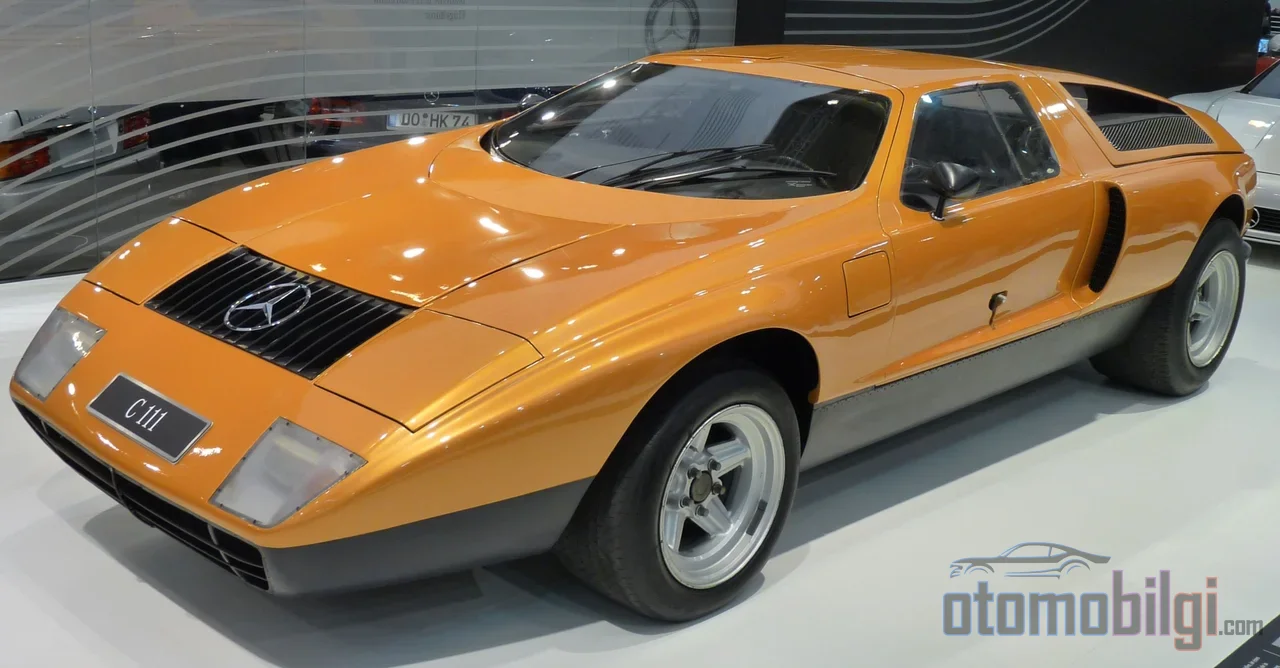
After the C 111-II's introduction, serious purchase inquiries poured into Stuttgart; according to company records, some eager buyers even sent signed blank checks. Yet series production never materialized. In 1971, Mercedes-Benz abandoned the production decision: Tightening emission standards, high production costs, and the ensuing 1973 oil crisis put the Wankel engine's viability under strain. The era's strengthening safety policy was another additional weight on the engineering side of the project. The rotary engine, which seemed like the engine of the future in the short term, conflicted with the fuel economy realities of the crisis period.
But the program did not end there; it changed direction. In 1976, the C 111-II D, fitted with the five-cylinder OM 617 A turbodiesel, set 16 records at the Nardò circuit, averaging 251.798 km/h over 10,000 miles. The 1978 C 111-III continued the diesel records. The 1979 C 111-IV, with its 494 hp twin-turbo V8, set a closed-circuit world record of 403.978 km/h at Nardò. The experimental body became a showcase for the brand's engineering. Today, the Vision One-Eleven concept, introduced in June 2023 and inspired by the C 111, is read as a continuation of this legacy.
Why the last chance for 25 years?
The most striking aspect of the sale is not the price but the commitment that comes with it: Mercedes-Benz has contractually guaranteed not to sell any other C 111 for at least 25 years. In other words, until 2051, this auction will be the only way to own a C 111. The rationale is clear: To guarantee from the outset that the future buyer's investment value is not diluted. Such a guarantee is rarely seen in the classic car market; the same manufacturer adding a promise to protect the market value of a car sold from its own history demonstrates the seriousness of the sale.
What is the price expectation, and where will the proceeds go?
No official estimate has been announced, but the forecasts of the two main actors in the deal offer clues. While Mercedes-Benz Heritage management speaks of a meaningful double-digit million euro range, the head of the auction house predicts the price will exceed 25 million euros. For comparison: The same team sold the 300 SLR Uhlenhaut Coupe for 135 million euros in 2022, and the W 196 R Streamliner from the Indianapolis Motor Speedway Museum collection for 51,155,000 euros in 2025; both vehicles remain in the Stuttgart museum. The C 111, as the first Mercedes legend that can be sold, continues this series.
The entire proceeds from the sale will be allocated to the "Mercedes-Benz Museum 2.0" project: The goal is to develop the museum in Stuttgart, create new exhibition experiences, and make the museum accessible online worldwide through digital twin technology. The first concrete results of the project are expected to be seen in 2027. In other words, the sale not only transfers a piece of the collection into private ownership; the resources obtained will serve to carry the brand's own memory into the future.
Assessment: A historic door opens a crack, once
For someone who has been following this business for many years, the situation is clear: Mercedes-Benz selling a one-of-a-kind symbolic car from its own collection is an event seen once in generations in the classic car market. In the past, these cars could only be seen behind museum glass; now one of them, and moreover one of its most symbolic versions, is looking for a real owner. Car 33 with its 345 hp four-rotor Wankel engine will be the only C 111 on the market for 25 years, and this uniqueness will be the strongest determinant of the price. The seconds when the drop hammer falls at the Louvre on February 3, 2027, will go down in history as one of the rare breaking moments of classic car history.
Sources
- More Than 50 Years Later, You Can Finally Buy a Mercedes-Benz C111
- Mercedes-Benz Will Sell a C111 Rotary Supercar Prototype for the First Time in History
- Unique opportunity to buy a Mercedes-Benz C111 as sale paves way for museum reboot
- Mercedes-Benz Is Selling a C111 for the First Time Ever
- Mercedes-Benz C111 is up for sale to the public for the first time