Volkswagen ID. Cross Open for Orders at £30,260
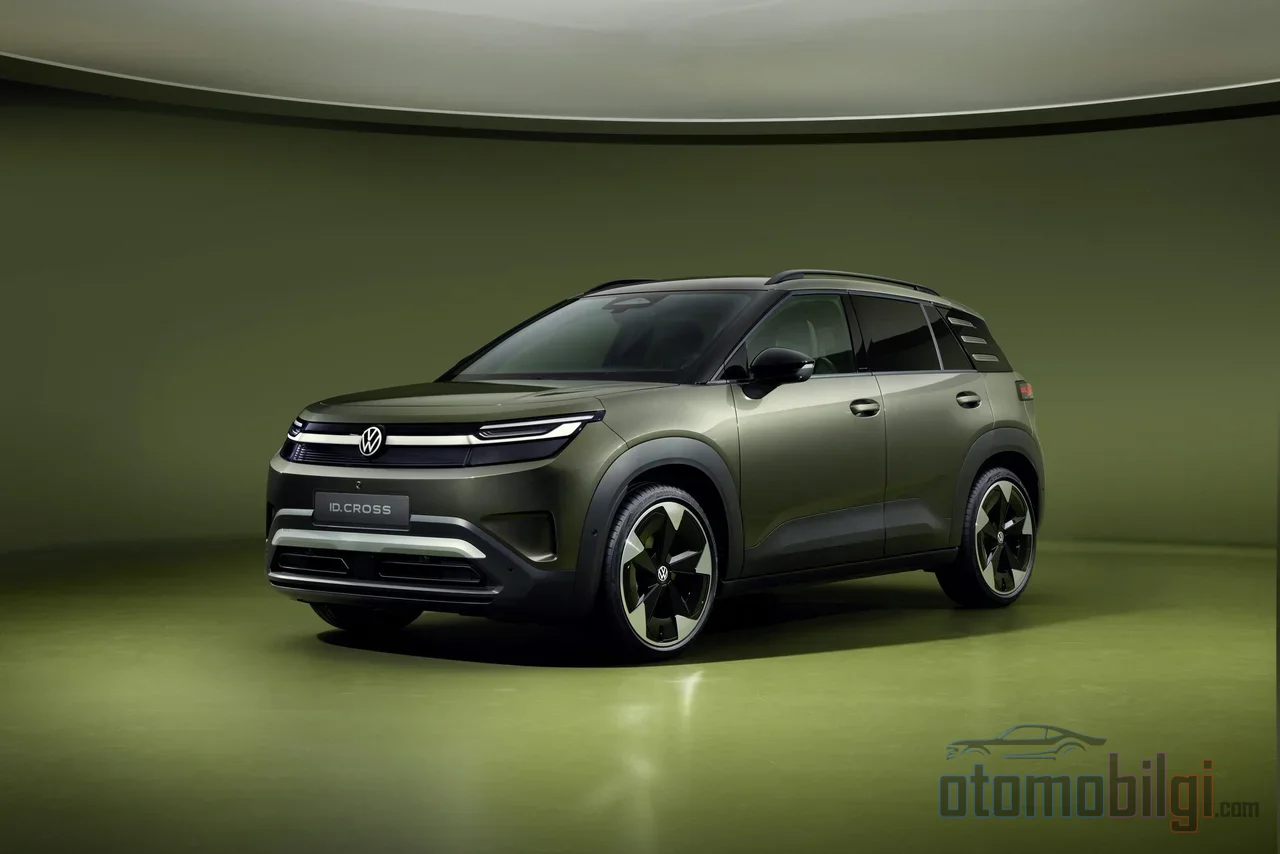
Volkswagen's prices for retail sale of the fourth member of its electric city family, the ID. Cross, have now become clear. The order book opens in the United Kingdom as of Thursday, and the first version to go on sale is priced at £30,260. But the real story that should be read from the headline is not this figure: the 37 kWh version, the segment's true entry model, will only arrive in January 2027. Where does Volkswagen's small electric move sit on the price scale, and who will the ID. Cross compete with in this increasingly crowded segment?
The ID. Cross is positioned as the brand's first fully electric B-SUV and can be considered the electric counterpart of the petrol-powered T-Cross. Following the ID. Polo and ID. Polo GTI, the model is the crossover member of the city car family, built on the MEB+ platform with a front-motor, front-wheel-drive layout; it shares the same platform with the Skoda Epiq and Cupra Raval. Production takes place alongside the Skoda Epiq in the city of Pamplona, Spain. In short, Volkswagen now has a complete lineup in the compact class, the most critical threshold of the transition to electric.
Highlights
- The first order phase opens on November 19, 2026 with 52 kWh versions only: Life at £30,260, Style at £33,675
- The entry-level 37 kWh Life version will open for orders from January 2027 starting at £26,985
- The 52 kWh model delivers 211 PS of power and a 265-mile WLTP range
- DC charging from 10% to 80% takes about 23 minutes on both batteries
- The 52 kWh versions qualify for the £1,500 electric vehicle grant in the United Kingdom
How are UK prices and the order schedule shaping up?
In the order book that opens on Thursday, only two trims with the larger battery are available in the first phase. The ID. Cross Life, with a 52 kWh battery producing 211 PS, opens the family's door at an OTR price of £30,260; with the same battery, the more richly equipped Style is £33,675. The £26,985 37 kWh Life version, the threshold that really matters for the segment, will wait for January 2027; the small-battery variant in Style trim will be £30,400.
So Volkswagen's seemingly aggressive £26,985 entry price remains, for now, a commitment on display; the British customer who goes to a dealership and orders today will pay at least £30,260. This two-stage launch is a curtain strategy where the product as a whole is the event but part of it waits backstage: the classic way of managing pressure on the production and delivery side.
The £1,500 government grant
The UK Government's electric vehicle grant under Band 2 amounts to £1,500, and the 52 kWh versions qualify for this grant. It is the dealer, not the customer, who claims the grant; the discount is reflected directly in the sale price. The eligibility of the 37 kWh versions is expected to become clear before the January launch. This also carries the possibility that the small-battery model's real sticker price could drop to £25,485 after the grant.
Technical specifications: two batteries, three power options
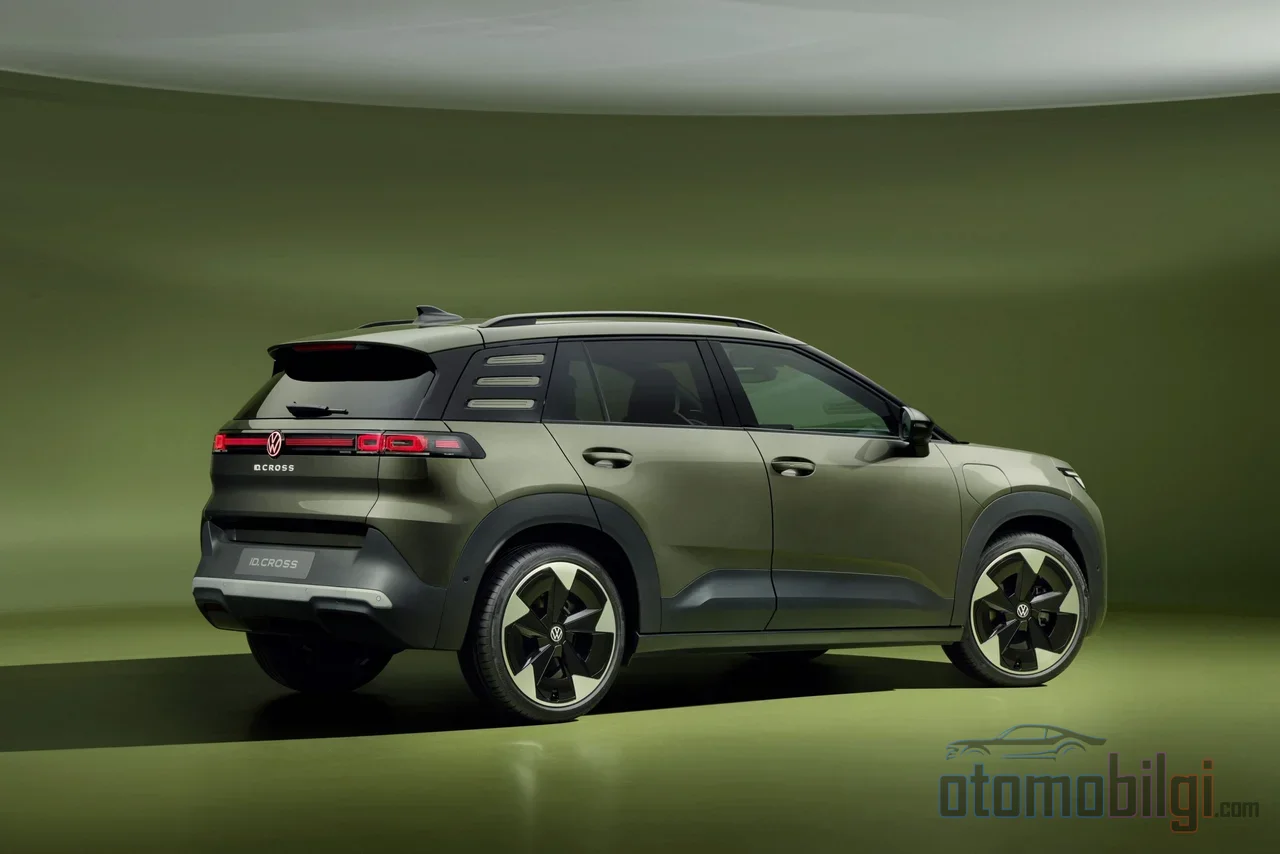
ID. Cross comes with 37 kWh battery options with lithium iron phosphate (LFP) chemistry and 52 kWh with nickel-manganese-cobalt (NMC) chemistry. The power range extends from 116 PS to 211 PS. The 52 kWh model, which opened for orders today, produces 211 PS and 290 Nm of torque, completing 0-100 km/h acceleration in 7.1 seconds. The 37 kWh model, arriving in January, produces 135 PS and completes the same acceleration in 9.9 seconds; its top speed is 160 km/h.
| Feature | 37 kWh | 52 kWh |
|---|---|---|
| Power | 135 PS | 211 PS |
| Torque | 290 Nm | 290 Nm |
| WLTP range | 194 miles | 265 miles |
| 0-100 km/h | 9.9 s | 7.1 s |
| DC charging power | 88 kW | 105 kW |
| Battery chemistry | LFP | NMC |
On the charging side, both batteries charge from 10% to 80% in approximately 23 minutes; DC power is at the 105 kW level for the 52 kWh and 88 kW for the 37 kWh. AC charging is 11 kW. In the 211 PS version, WLTP consumption is announced in the 16.9-14.3 kWh/100 km band. The 265-mile range is a solid reference for an electric vehicle in this size class; the small battery's 194 miles is more than enough for city use, but a figure that requires planning for long journeys.
What about everyday usability?
The body, at 4,153 mm in length, carries a five-seat cabin. Boot capacity is 475 liters; rising to 1,345 liters with the rear seats folded. That figure is 20 liters more than the petrol T-Cross. There is also underfloor storage and a 25-liter front boot. A towing capacity of up to 1,200 kg is offered; with a tow bar that can be removed and stored in the boot. The vehicle can also supply electricity to external devices with its V2L (Vehicle-to-Load) function.
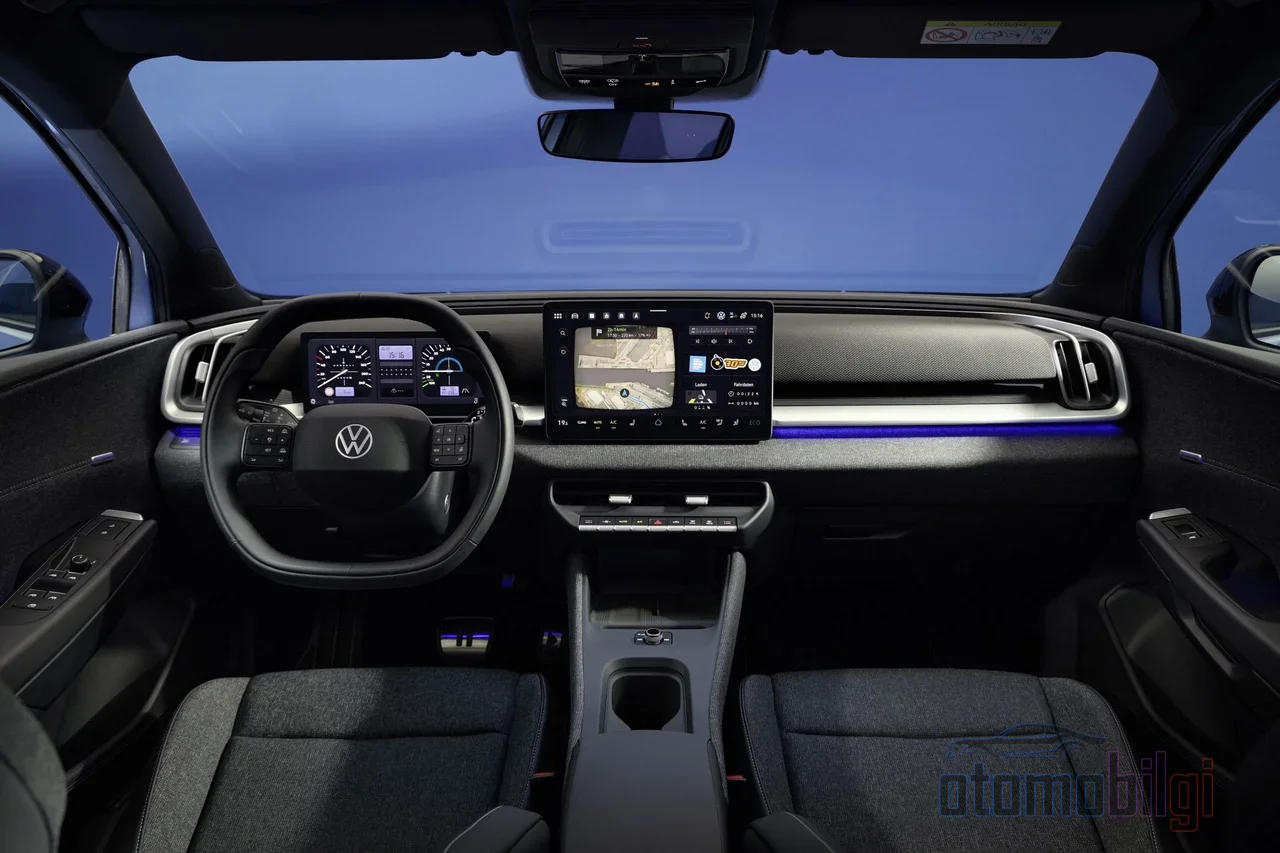
The cockpit features a 10.25-inch digital instrument display along with a 12.9-inch touch center screen. Rearview mirror-style displays are also part of the package: a screen frame with retro Golf references, a fabric-covered dashboard, and physical controls as a return from the fully touch-centric trend that has been the focus of user complaints for years. In Life trim, 18-inch alloy wheels and LED headlights are standard; Style adds 19-inch wheels, adaptive Matrix LED headlights, heated front seats and steering wheel, 30-color ambient lighting as well as a 360-degree camera. The options list includes a Harman Kardon sound system, panoramic roof, massage seats, heat pump, remote smartphone parking (Park Assist Pro), traffic light-recognizing Connected Travel Assist, and one-pedal driving.
Who is it competing with in the segment?
The competitive side of the matter is as important as the price list. In the UK market, the Kia EV2 starts from £24,245, the Skoda Epiq from £24,950, and the Renault 4 from £26,995. So the ID. Cross will not be the cheapest option even with its entry version arriving in January 2027; the initial 52 kWh prices sit in the upper half of the range. In return, with its 265-mile range it leaves many rivals in the same price band behind, and the 52 kWh versions benefit from government support.
It is said that Volkswagen sees the Kia EV2 as a more serious threat in terms of price; with the Renault 4, the base version price roughly evens out, while it pulls ahead in range. The sibling models built on the same platform also complicate the equation: the Skoda Epiq is both cheaper and comes off the same production line. ID. Cross's trump cards are brand value, the performance of the 52 kWh version and the depth of its equipment.
The big picture of the small electric family
ID. Reading the Cross on its own means seeing only half of Volkswagen's electrification strategy. From 2026 onward, the brand is gradually bringing four fully electric models to market in the small and compact segments: Cupra Raval, ID. Polo, Skoda Epiq and ID. Cross. All four were showcased together for the first time at the Paris Motor Show, and according to the company's statements, the launch process has met with demand above expectations. So much so that buyers of the brand's cheapest electric car can face waiting times of almost two years.
The next step is also planned: In 2027, the most affordable Volkswagen electric car to date, priced at around 20,000 euros, is expected. This model is expected to use the same 37 kWh LFP battery as the ID. It is expected to use the 37 kWh LFP battery from the Cross. Cross. In the German market, the entry price of the ID. Cross in Trend trim stands at 27,995 euros including VAT as of the end of September. In the past, mentioning electric cars would bring to mind the top-of-the-segment models; now the fiercest competition takes place in the entry band, where pennies are counted.
Conclusion: the right car, a price that needs defending
The ID. Cross is not a model with much to criticize as a product: it offers solid range, fast charging, usable interior space and a well-thought-out cabin from start to finish with the return of physical controls. The problem is not the product, but the pricing architecture. Ordering one in the UK today costs 30,260 pounds, and this figure remains competitive with the segment's most optimistic reading, high with its most pessimistic. The whole picture will become clear in January 2027: If the 26,985-pound 37 kWh Life approaches the list price with government support and delivery times remain reasonable, the ID. Cross could become the expected volume seller for Volkswagen in the B-SUV segment. In a market where demand already exceeds expectations, the real bottleneck seems set to be not price but production capacity.
Sources
- At a glance: ID. Cross - Volkswagen Newsroom
- World premiere of the all-new electric ID. Cross - Volkswagen Group
- Volkswagen ID. Cross orders open at £30,260
- Volkswagen ID. Cross UK Prices Revealed - From £26,985
- Volkswagen ID Cross goes on sale with 265-mile range and £30k price tag
- Volkswagen prices its new ID. Cross for the UK
- Volkswagen ID. Cross UK Price
- Volkswagen ID. Cross 155 kW - 52 kWh - EV Database