Ferrari Luce's 2027 Production Is Already Sold Out
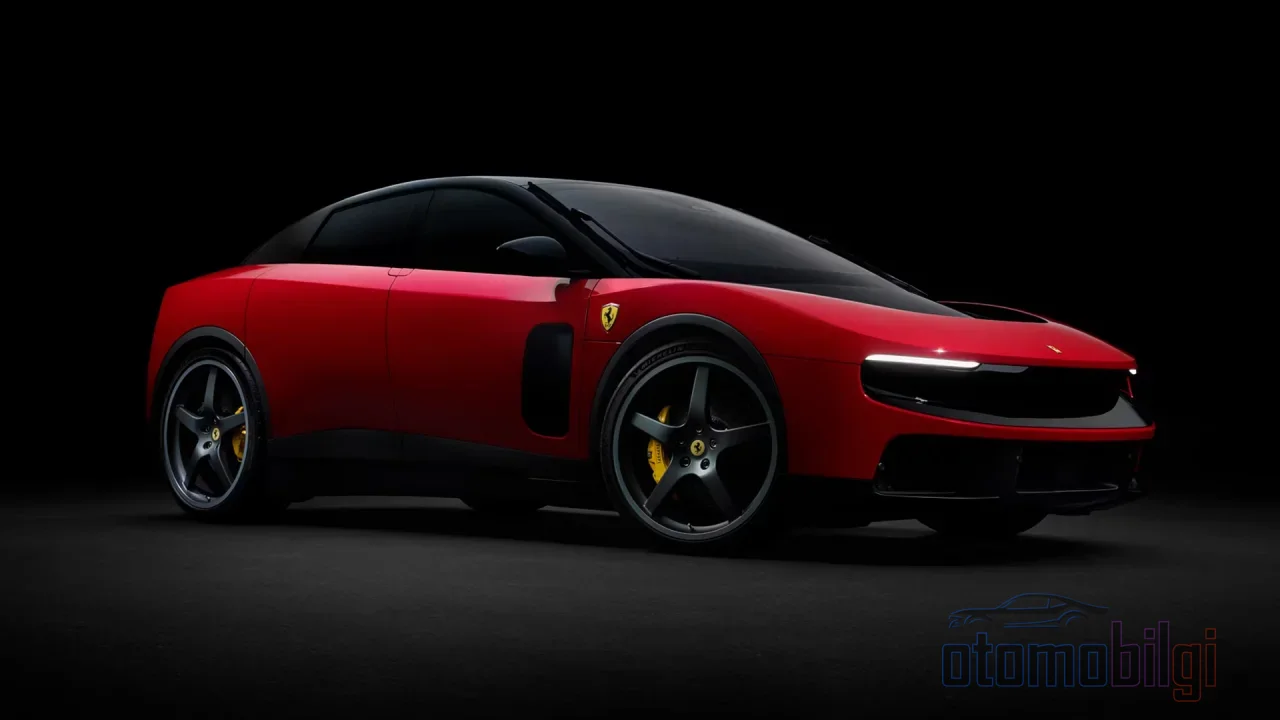
When it was unveiled in Rome in May 2026, Ferrari's first series-production electric model, the Luce, faced harsh criticism over its design, and Ferrari shares lost more than 8 percent in value on the day after the presentation. Five months later, the picture is completely different: Ferrari CEO Benedetto Vigna announced during the third-quarter earnings call on November 3, 2026 that every Luce to be produced throughout 2027 already has a buyer, and that new customers ordering today will have to wait roughly a year. So where is this demand coming from despite a price tag exceeding half a million dollars, and what does it mean for the luxury electric vehicle market?
2027 Production Is Fully Allocated: How Many Cars, and Who Is Buying?
The picture Vigna laid out is simple but striking: buyers are already set for every Luce to be built next year, and someone joining the queue today will wait approximately 12 months to take delivery of their car. Ferrari expects demand to grow even further in the period ahead.
In fact, this is the second sellout news for the series. In July 2026 it had already been reported that the allocation for the 2026 model year - around 500 cars - was filled well in advance, at a price of 550,000 euros for the European market. Ferrari never announced an official production plan; what is known is that the long-term plan reaches roughly 600 cars per year and 2,500 units in total by 2030. In other words, the figures being discussed show just how tightly production is being kept, by Ferrari standards.
Highlights
- Ferrari's CEO announced on November 3, 2026: 2027 production is fully allocated, new orders face a ~12-month wait
- US starting price is $560,800, 550,000 euros in Europe
- Four electric motors, 1,035 hp, 0-100 km/h in 2.5 seconds, WLTP range of 530 km
- First Luce deliveries begin in the last quarter of 2026; in the US, in the second quarter of 2027
- Chassis 0, the first production car, sold at auction in August for $40 million
As for the customer profile, Vigna did not go into detail on that; he said the buyers represent a balanced mix in terms of customer type and geography, with no specific demographic pattern. As a result, who exactly is in the queue remains a matter of speculation for now.
Pricing: A Tag Below Expectations
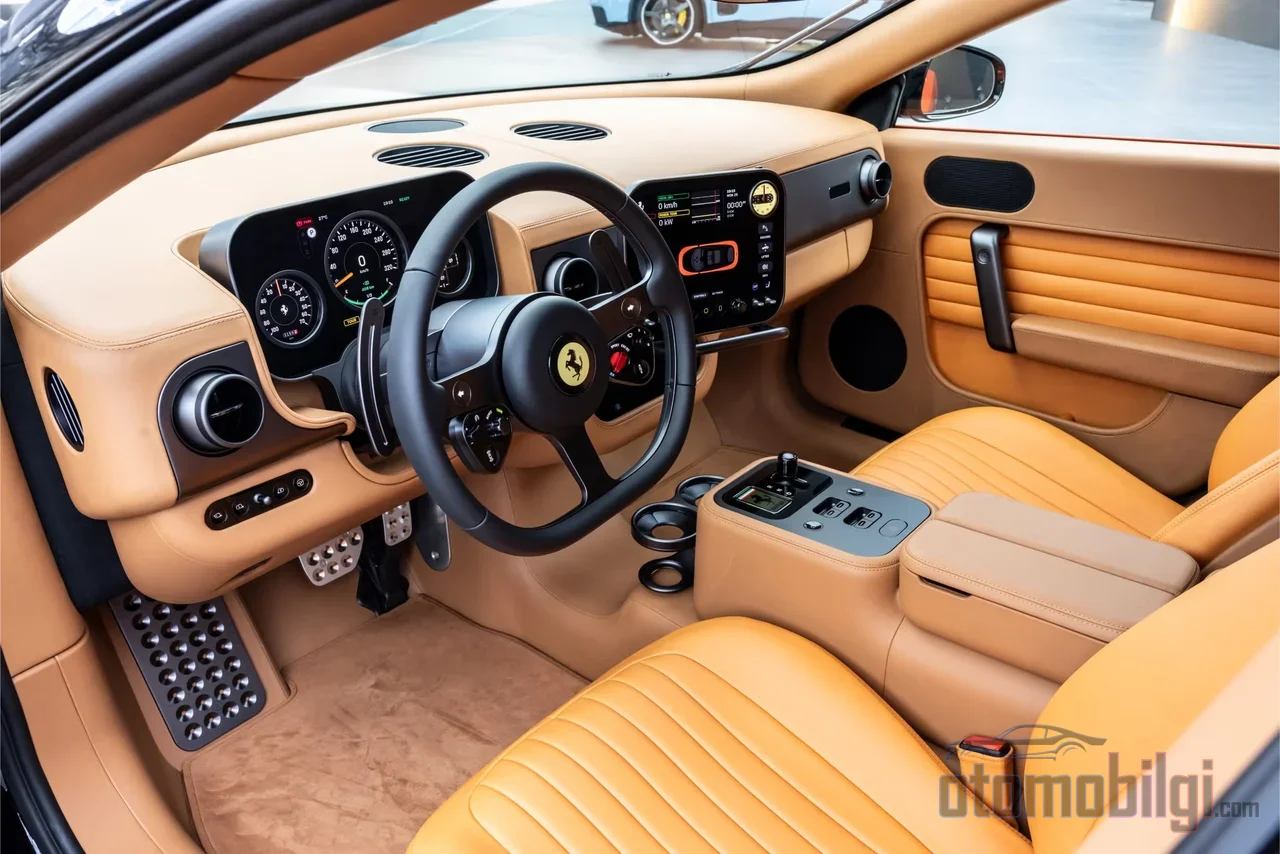
In the US market, the Luce starts at $560,800; the equivalent in Europe is 550,000 euros. What stands out is that this figure came in roughly $80,000 below the estimates made based on the announced European price. Ferrari appears to have chosen to price its first electric car slightly below market expectations.
However, this does not change the fact that the car sits at the very top of the luxury EV segment. The Luce is $122,190 more expensive than the V-12-powered Purosangue SUV, and also surpasses the Rolls-Royce Spectre, which starts below $400,000. In short, Maranello has opened the door to the electric era from the segment's highest step.
What the Luce Represents: Technical Specifications and Its Place in the Brand's Portfolio
The Luce carries a series of firsts in Ferrari history at once: its first series-production fully electric model, its first four-door and its first five-seat vehicle. The design process was carried out in collaboration with Jony Ive's LoveFrom studio. This marks a deliberate departure from the brand's tradition of aggressive, low silhouettes; the Luce is taller and arrives with a different form language.
| Specification | Value |
|---|---|
| Power | 4 motors, 1,035 hp |
| Torque | 730 lb-ft (approximately 990 Nm) |
| 0-100 km/h (0-62 mph) | 2.5 seconds |
| Battery | 112 kWh pouch type |
| Range (WLTP) | 530 km |
| Peak charging power | 350 kW |
| Starting price in the US | $560,800 |
The technical architecture is remarkable: four electric motors, one per wheel, suspension derived from the F80 and rear-axle wheel steering show that this vehicle is not an SUV marketing exercise but a serious engineering product. Critics nonetheless ask pointed questions: for a half-million-dollar vehicle, 350 kW of peak charging power falls behind today's fastest-charging electric cars; under the EPA cycle in the US, the range is expected to drop below 300 miles (approximately 480 km).
The Design Debate and Ferrari's Strategy
The May unveiling became one of the noisiest moments of the brand's recent years. Critics debated whether the car looked like a Ferrari, sarcastic reactions on social media were plentiful, and the shares fell sharply the next day. With similarly radical EV forms, the Jaguar Type 01 and the electric Mercedes-AMG GT were also subject to similar debates; this is an industry-wide problem of searching for design.
Vigna's approach to these debates was clear from the start. In July, he said there was nothing to change about the design found polarizing, and that the perception of customers who saw and especially drove the vehicle changed in a positive direction. Today's sold-out 2027 production can be read as the commercial counterpart of that assessment: the critics and the buyers are not the same audience.
On the strategy side, Ferrari is proceeding cautiously: the plan for a second electric model has been postponed to at least 2028. The picture at rivals is even more backward-looking; Lamborghini canceled its first electric project, and its CEO stated that after the reaction the Luce received, he believes this decision was right. Brands like Porsche have also slowed their electrification plans due to low demand. With its formula of limited quantities and high prices, Ferrari is attempting a controlled transition through this turbulent period.
The Balance Sheet Also Confirms the Demand
The sell-out news came on a day when strong financial results were announced. Ferrari revised its full-year outlook upward: it forecasts at least 3 billion euros (approximately 3.36 billion dollars) in adjusted profit, up from the previous expectation of 2.97 billion euros. In the third quarter, revenue rose 7 percent year-on-year to 1.9 billion euros, and net profit rose 13 percent to 431 million euros; the operating margin was 29.7 percent. Personalization options account for more than 21 percent of vehicle and spare parts revenue; Ferrari's revenue grows not from model scarcity but from the personal touches customers add to their cars.
This picture shows that Luce is not on its own a sales volume story, but is built on the strength created by the brand's broad portfolio. The fact that Chassis 0, the first production car, was sold at auction in August for $40 million, breaking the record for the most expensive new car ever sold at auction, also clarifies the collector value side.
What It Means: Small Volume, Big Signal
We need to answer this question honestly: how big an achievement is filling an annual allocation of roughly 500-600 vehicles? At Ferrari's scale, this is a deliberately narrow production; it cannot be compared with rival brands' million-unit volumes. Whom it convinces is open to debate.
On the other hand, the fact is this: at a time when Lamborghini has canceled its first electric car and many manufacturers, including Porsche, have pulled back their EV plans, the brand at the very top of the luxury segment has already sold out even next year's allocation of its first series-production EV. The fact that a price starting at $560,800 can consume a full year of production despite design debates and technical criticism is proof that demand in the luxury EV market concretely exists in the topmost segment. Ferrari seems to have drawn a lesson from this: produce little, sell expensive, and by making buyers wait a year, make scarcity as valuable as the car itself. Even in the electric age, the formula does not change.
Sources
- Ferrari says Luce EV sold out for 2027, expects demand to grow further
- Ferrari's controversial Luce EV is sold out for 2027
- Defying Online Backlash, The Ferrari Luce EV Is Already Sold Out Through 2027
- Ferrari Announces Luce Pricing, and It's Less than Initially Estimated
- Ferrari's $640K Luce EV sells out 2026 allocation: ~500 units
- Critics give Ferrari Luce EV a cool response, shares fall
- After Ferrari Luce backlash, Lamborghini CEO says canceling its own EV was the right choice
- Ferrari Luce