Hyundai and Kia Profits Rose but Outlook Weakened
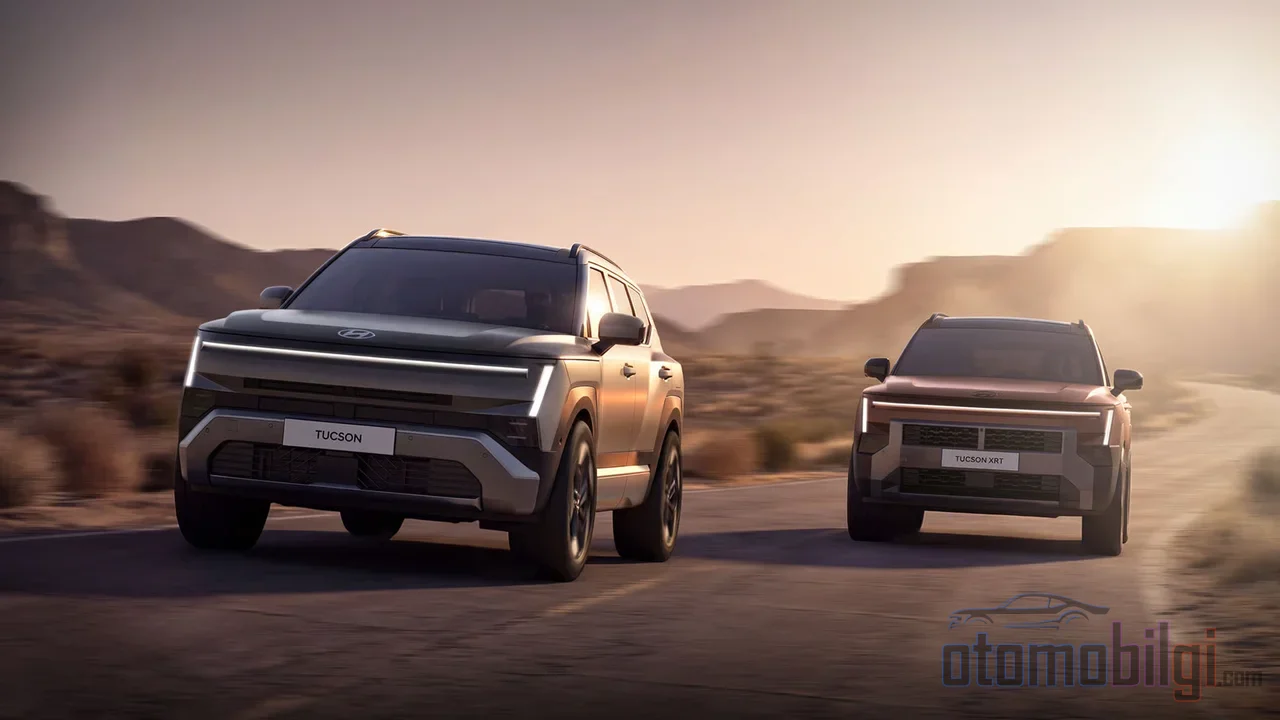
When Hyundai and Kia's third quarter 2026 figures landed on the table, the picture looked encouraging at first glance: both brands' operating profit had increased on a year-over-year basis. Yet after the earnings calls in Seoul wrapped up, the market told exactly the opposite story. Why did shares fall even as profit grew, and why were annual targets revised downward? With notes from someone who has been tracking this industry's numbers for over three decades, let's take a closer look inside this contradictory quarter.
Highlights
- Hyundai's operating profit of 2.68 trillion KRW rose 5.5%; the margin climbed to 5.9%.
- Kia's operating profit increased 24.3% to reach 1.82 trillion KRW, but it missed market expectations by 23%.
- Hyundai cut its annual wholesale sales target from 4.16 million to 4.0 million units.
- Hyundai's global wholesale sales fell 11.3% to 920,710 units.
- The end of the $7,500 EV tax credit in the US is weighing on electric sales.
Third Quarter Report Card: Where Did the Profit Come From?
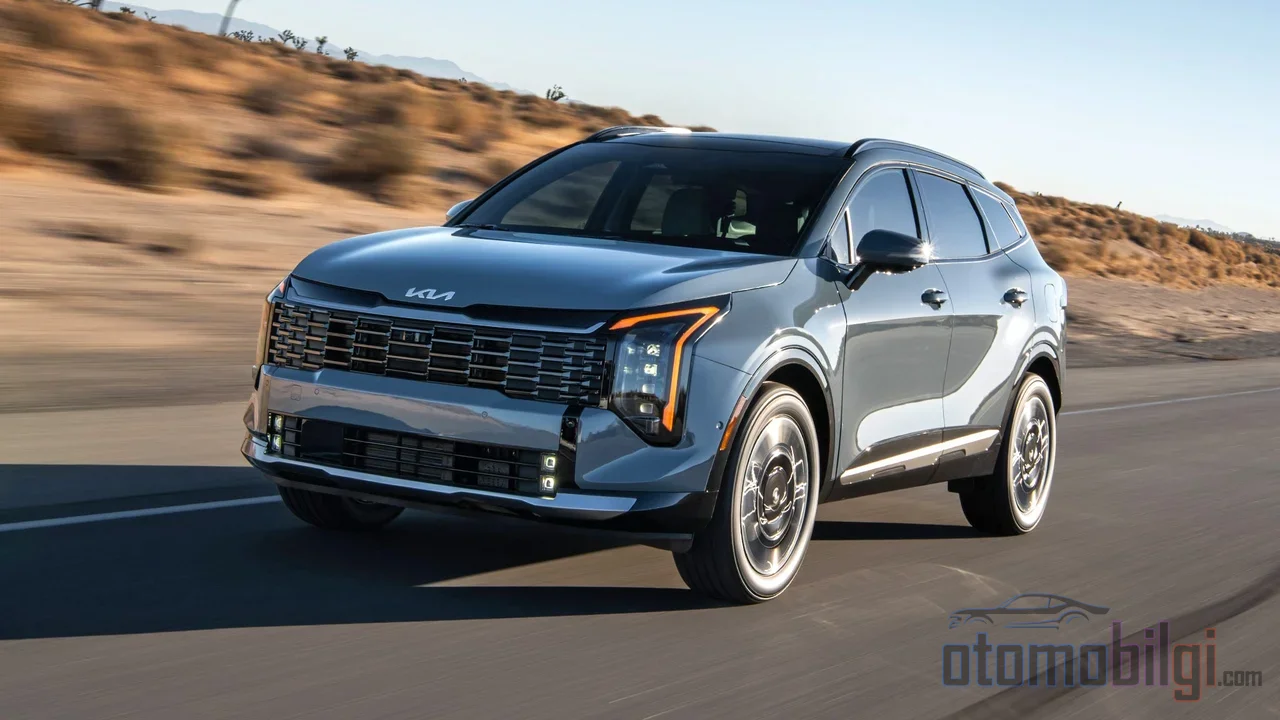
Hyundai's figures, announced in Seoul on October 29, were as follows: operating profit of 2.68 trillion KRW, a year-over-year increase of 5.5%. The operating profit margin settled at 5.9%, gaining half a percentage point year over year. Revenue, on the other hand, declined 3.4% to 45.11 trillion KRW; net profit, including non-controlling interests, fell 24.2% to 1.93 trillion KRW.
So how did profit grow while sales declined? Those who know this industry's old ledgers see the answer right away: profit came not from volume, but from the exchange rate, cost discipline, and product mix. The average appreciation of the Korean won against the dollar, up 38.1 KRW year over year, translated into a positive impact of roughly 500 billion KRW on the company's balance sheet. Cost optimization, meanwhile, offset another burden of about 500 billion KRW, including raw material price increases. Another supporting factor was US import tariffs, which came in lower than expected thanks to differing tariff rates.
In the product mix, the weight was in hybrids' hands. Hyundai's global hybrid sales rose 3.8% to reach 167,414 units; hybrids accounted for 18.2% of global sales and 26.8% of US sales. In Korea, the hybrid share rose 3.7 points, led by the Grandeur Hybrid, reaching 29.4%. The automotive division itself painted an interesting picture: despite revenue falling 10%, operating profit grew 24.8%. In the financial division, the picture reversed; revenue rose 27.8%, but operating profit eroded 18.2% due to interest expenses.
Kia's Picture: Growing Profit, Missed Expectation
Kia shared its results in an investor call on October 30. Operating profit rose 24.3% year over year to 1.82 trillion KRW, and the operating profit margin was announced as 5.8%. On paper, this is a healthy picture carried by strong growth in hybrid sales ( 152% in the third quarter). However, markets don't price the raw figures - they price the figures relative to expectations, and Kia's third-quarter operating profit missed market consensus by roughly 23%. Result: a sharp drop in the share price. Hyundai shares also fell more than 4% the same day, following target price downgrades.
Putting the two brands' quarterly results side by side shows just how differently the picture can be read:
| Metric | Hyundai | Kia |
|---|---|---|
| Operating profit | KRW 2.68 trillion (+5.5%) | KRW 1.82 trillion (+24.3%) |
| Profit margin | 5.9% | 5.8% |
| Revenue | KRW 45.11 trillion (-3.4%) | - |
| Market reaction | Share decline exceeding 4% | Missing consensus by 23%, sharp drop |
| Hybrid sales growth (Q3) | 39% | 152% |
In the past, a decent operating profit in quarters like this was enough; today, what the company says about tomorrow carries more weight than the number it delivered. That's exactly why both stocks took their punishment despite rising profit.
Why Were Targets Pulled Down?
Hyundai's revised annual guidance is the real source of the market's harsh reaction. The company cut its annual wholesale sales target from 4.16 million units to 4.0 million units. The operating profit margin expectation was lowered from the 6.3-7.3% range to the 5.5-6.5% range; the consolidated revenue growth target was kept at 1.0-2.0%. The automotive investment plan was also pulled back from KRW 17.8 trillion to KRW 16 trillion - roughly a 1.8 trillion optimization. The free cash flow target (-1.5 / +0.5 trillion KRW) remained unchanged.
The company lists the reasons as a series of uncontrollable events in its own narrative:
- Production disruptions caused by internal strikes and a supplier fire in the second quarter
- Weakening sales due to geopolitical uncertainty in the Middle East
- Raw material price increases driven by geopolitical developments - steel sheet, aluminum, and plastic added roughly KRW 500 billion in extra burden
- The trend of the Korean won losing value against the dollar
- The postponement of some new model launches
To put the scale of these factors in numbers: the negative volume effect was KRW 3.44 trillion, the negative product mix effect from rising incentives was KRW 0.69 trillion, and the total cost of lost global volume was approximately KRW 1.1 trillion. The company emphasizes that the revision does not signal any deterioration in underlying competitiveness, but rather reflects accumulated external factors. The market, however, reads the same picture more pessimistically; that gap is the real story of the quarter.
Global Context: US Demand, Tariffs, and the Slow Pace of the EV Transition
US demand is still holding up
Hyundai's US performance is more solid than its paper target cuts suggest. While US industry demand fell 1.3% annually, the company increased its retail sales by 3.5% and held its market share at 6.6%; Hyundai has been moving within the 6% band for six quarters. Hyundai Motor America announced its best September ever with 77,439 units in September. The partnership between the two brands had also broken sales records in the first half of the year, driven by hybrid growth in the US. So there is no collapse on the demand side; the target cuts stem mostly from turbulence on the production and cost side.
The tariff bill is still steep
Tariffs are an old wound. Hyundai stated that US import tariffs cost it approximately 4 trillion KRW last year and that this year would bring a similar picture. On the Kia side, the memory is fresh too: the company had announced that its net profit fell 23% in 2025 due to the tariff impact. Analysts expecting a recovery in 2026 through easing and increased hybrid shipments also explains why consensus expectations were kept high for this quarter.
Regional divergence in the electric transition
The pace of electrification has turned out bumpier than anyone predicted. Hyundai's EV sales remained at 69,117 units, a drop of 9.2%; total electric sales declined by 2.7% while hybrids continued to grow. The expiration of the federal EV tax credit of up to $7,500 in the US weighed on the picture; across the industry, electric sales in June fell 27.8% year on year, with market share slipping to 5.4%, and forecasts for 2026 point to a 15% decline. Hyundai-Kia is among the brands pulling back its EV plans due to slowing electric demand and pricing issues in the US. On the other hand, in Europe the same duo set a record by exceeding 100,000 EV sales in the first half of the year. The same strategy, two different results on two continents - contrary to the industry's 30-year-old habits, the pace of the transition now varies from region to region.
The Korean Market and the Outlook for the Fourth Quarter
Korean sales, which fell to 131,468 units, a decline of 27.2% year on year, were the most bruising figure of the quarter; strikes and fewer working days share the blame for this drop. Another risk was also raised on the earnings call: Chinese brands exceeding the 10% threshold in the Korean market. The company's response was measured - it announced it would not engage in frequent price cuts and would compete with its network of more than 1,000 service points (compared with Tesla's 17). This is a move that recalls an old player's trump card: fighting not on price, but with the service network.
The picture for the fourth quarter is mixed. The per-unit burden of fixed costs will rise, raw material pressure will persist, and US tariffs will remain in effect. On the other hand, domestic production returned to normal from September onward; the company's recovery calculations lean on models such as the IONIQ 3, Tucson, GV90, GV80 Hybrid, Avante Hybrid and the Santa Fe facelift. There is continuity on the quarterly dividend side as well: the payment of 2,500 KRW per share is maintained, with a record date of November 30 and a payment date of December 30. It remains unclear whether the 4 trillion-won share buyback plan under the Value-Up Program will be updated.
So What Do These Results Tell Us?
Getting down to the core: Hyundai and Kia's third-quarter profit growth came not from sales, but from exchange rates, cost cuts, and a hybrid-weighted product mix; sales at Hyundai fell 11.3%, remaining at 920,710 units, while net profit eroded by 24.2%. That is exactly what the market punished: Kia missing consensus by 23% and Hyundai lowering its annual sales and margin targets showed that profit quality was supported by savings, not growth. For anyone who has followed this industry for years, it is no surprise - operating profit can mimic revenue, but it cannot permanently take its place. The real question for the fourth quarter is whether this structural weakness can be overcome with production returning to normal and new model launches. The operational capability we are accustomed to from the two brands' past track records will be decisive here as well.
Sources
- Hyundai Motor Announces 2026 Q3 Business Results
- Kia Announces 2026 Third Quarter Business Results
- Hyundai Motor reports 5.5% rise in Q3 operating profit, beats forecasts
- Hyundai Motor Q3 2026 earnings call transcript
- Kia's disappointing Q3 earnings, bleak guidance trigger steep share drop
- Hyundai Motor Cuts Annual Outlook as Profit Slump
- Hyundai Motor America Reports Record-Breaking September 2026 and Q3 Sales
- EV Market Monitor - June 2026