Rivian R2 Sales Surpass Both R1 Models Combined
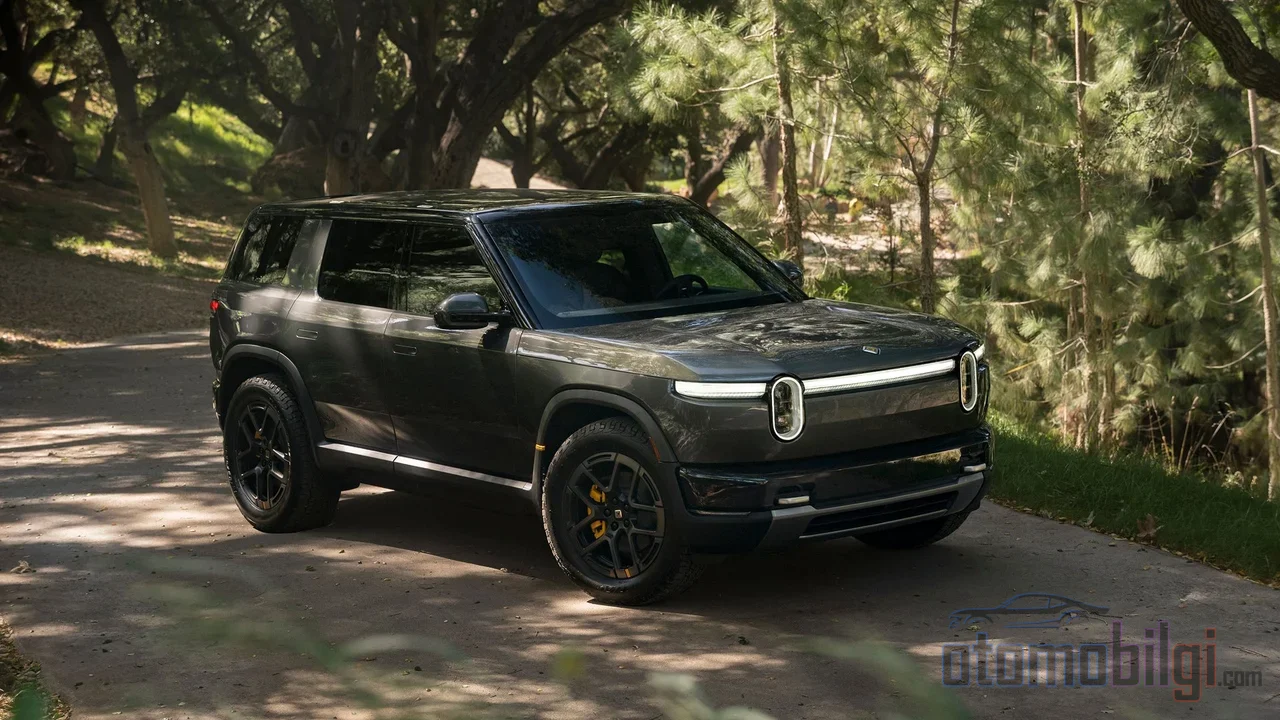
When the doors first opened for the R2 at Rivian's Normal factory in Illinois in April, the company had set a production target of 20,000 for the year. Six months later, things are far beyond expectations: The venture's more affordable SUV surpassed the combined sales of the company's two premium models - the R1T pickup and the R1S SUV - and Amazon delivery vans in the third quarter. The third-quarter financials announced on October 29 confirm this picture with numbers while also marking Rivian's first concrete milestone on the road to profitability. So how solid is the foundation beneath the R2's surge?
Why is the R2 such a critical model?
Those who have followed Rivian for years know the company's dilemma well. The R1 family was a technically respectable effort; but the R1T starting at $81,885 and the R1S starting at $85,885 made the brand the address of a narrow segment. Yet the real volume of the electric SUV market beats in the $45,000-55,000 band where the Tesla Model Y reigns. Rivian's growth story needed a counterpart there.
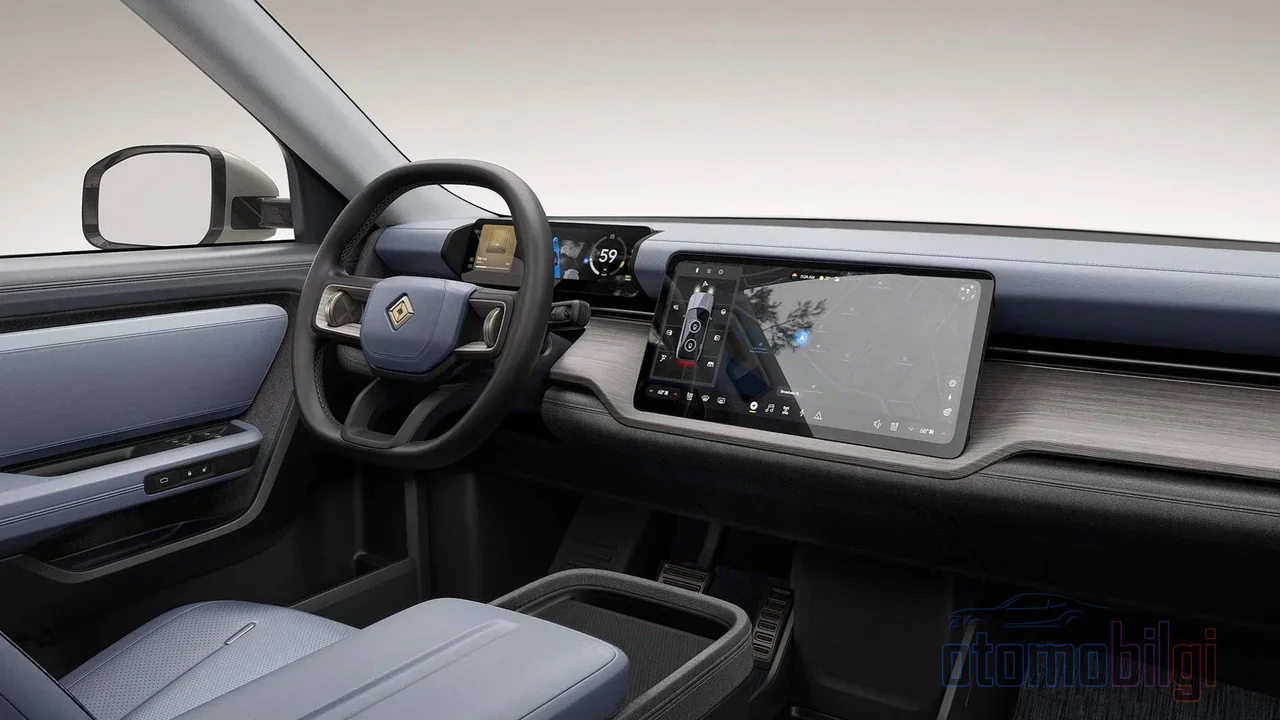
The R2 is precisely the product of that calculation. The Performance trim, the only version currently on sale, starts at $59,485; the $55,485 Premium is expected by the end of 2026, and the $46,485 Standard version in 2027. In other words, the company is producing these figures while still selling its most expensive version - the real volume potential is yet to come.
Highlights
- In the third quarter, the R2 surpassed the combined sales of the R1T, R1S, and delivery vans.
- The quarter saw 19,751 vehicles produced and 19,248 delivered - both records; deliveries rose 46% year over year.
- Revenue was $2.155 billion (expectation: $2.02 billion), and per-vehicle cost fell by $12,000.
- The annual delivery guidance was raised to 67,000-70,000; the company's target is gross profitability by year-end.
What do the quarter's figures say?
The third quarter closed with a double record in Rivian's history: 19,751 vehicles came out of its Normal factory and 19,248 vehicles were delivered. Deliveries showed a 46% increase compared to the same period last year, and 58% compared to the second quarter. The company also raised its annual delivery guidance from the 65,000-70,000 range to 67,000-70,000; as of the end of September, 41,807 deliveries had been made, meaning roughly 25,000-28,000 deliveries are needed in the fourth quarter.
The financial picture also exceeded expectations. Revenue came in at $2.155 billion, above the analyst consensus, posting a 38% year-over-year increase. Adjusted EBITDA loss fell from $602 million last year to $435 million; although the net loss was $913 million, the adjusted loss per share (-$0.48) came in better than expected (-$0.61). Together with the $1 billion credit funded by Volkswagen in October, the company has $7.095 billion in total liquidity.
Price tag and size: Where does the R2 stand against the Model Y?
Whether the R2 can find a true rival in its target market is the question every new electric SUV has to answer. On the analyst side, the picture is optimistic: The R2 is assessed as being able to fill a relatively unique gap between Tesla and Ford in the $45,000-55,000 band; another analytics house sees the R2 as the first legitimate competitive element against the Model Y. On the range front, the Model Y is ahead: It offers range from 294 miles in the base AWD version to 357 miles in the RWD Premium. Where the R2 seems to differentiate itself is elsewhere - comfort, versatility, and especially the off-road capability the Model Y does not offer are among the areas earning praise.
Signals about the R2's sales dynamics are also strong. Reservation conversion for the launch trim is tracking above expectations; a second R2 shift was added at the Normal factory, and demo drive numbers rose from 57,000 in the second quarter to over 103,000. That means nearly double the interest - and considering the $7,500 federal EV tax credit was lost last year, it shows demand is coming not from credit motivation but from the product itself.
The loss-making automotive segment: Seeing the truth behind the numbers
The picture has a dark corner as well as its bright side. Consolidated gross profit turned positive at $176 million, but much of that figure comes not from automotive but from the software and services segment. That segment generated $605 million in revenue and a 42% gross margin; $354 million of the revenue - that is, 59% - comes from the joint venture established with Volkswagen Group, and this revenue is expected to be recognized until roughly mid-2028.
The automotive segment, which actually produces the vehicles, is still at a gross loss: -$80 million, a 5% margin. Better than last year's $130 million loss, worse than the second quarter's $36 million. The main reason is the R2 ramp-up: The company reported roughly $120 million in additional costs this quarter tied to the ramp-up. Excluding credits, the automotive gross loss reaches about $161 million; roughly $8,400 per vehicle.
The cost curve at a critical threshold
The most striking figure is the drop in automotive cost per vehicle: It fell by more than $12,000 in one quarter, down to about $84,700 (it was $96,700 in the second quarter). Revenue per vehicle also slipped to $76,300 excluding credits; so if the cost decline progresses faster than the revenue decline, margins could recover on their own at some point. Adjusted EBITDA loss guidance was revised to $1.75-1.85 billion, and capital expenditures to $1.40-1.50 billion. The company confirms its target of reaching gross profitability by year end. Two-digit million-dollar quarterly losses used to be considered "the normal cost of the roadmap" for an electric vehicle startup; now the yardstick is where the cost curve bends.
Beyond the R2: Georgia, autonomy, and the growth plan
The R2's success today is the first leg of the strategy. Construction of the first phase of the Gurur plant, the second factory in Georgia, is ongoing; an additional annual capacity of 300,000 units is planned here for the R2 and R3. In other words, the R2 has managed to become the company's best-selling vehicle while still on a single shift, at the earliest stage of its ramp-up - capacity will expand further.
On the technology front, the timeline has also become clearer: For "Point to Point" autonomous driving, invite-only early access is planned this year, with general availability for Autonomy+ subscribers in 2027. The Uber milestone expected by the end of the year will unlock the additional $250 million equity investment; and Autonomy and AI Day will be held on December 9. Since the software side's revenue is the backbone of gross profit, growth in this area means more than a technology demonstration for the company's financial architecture.
Conclusion: Is the transition to the mass market complete?
The R2 becoming the company's best-selling vehicle in the third quarter is the first concrete evidence of Rivian's transition to the mass market - all the more impressive considering it is still sold in its most expensive trim. However, a balanced reading requires this: The automotive segment is running at a gross loss, and consolidated profit relies largely on the Volkswagen partnership. If the per-vehicle cost reduction maintains this pace, it is a reasonable scenario for the automotive segment to reach break-even on its own; this holds, Rivian will have pinned its hopes on a strong software business, but still an automotive business losing money per vehicle. The launch of the cheaper versions of the R2 - Premium at the end of 2026, Standard in 2027 - will be the next question in this test.
Sources
- Rivian Introduces R2 Lineup, Sharing Full Trims and Pricing - Rivian Newsroom
- Rivian Says the R2 Is Outselling the R1T Truck, R1S SUV, and Its Delivery Vans Combined - Car and Driver
- Rivian (RIVN) Q3 2026 earnings: revenue up 38%, R2 now its best-seller - Electrek
- Rivian reports upbeat Q3 results, boosts full-year guidance as R2 sales ramp up - Yahoo Finance
- The R2 SUV is already Rivian's best-selling vehicle - TechCrunch
- Rivian R2 vs. Tesla Model Y, an Edmunds electric SUV comparison - AP News
- Rivian third-quarter earnings beat estimates - Phil LeBeau, LinkedIn