Mercedes-Benz USA Grew in the Third Quarter with Luxury SUVs
Share This Page
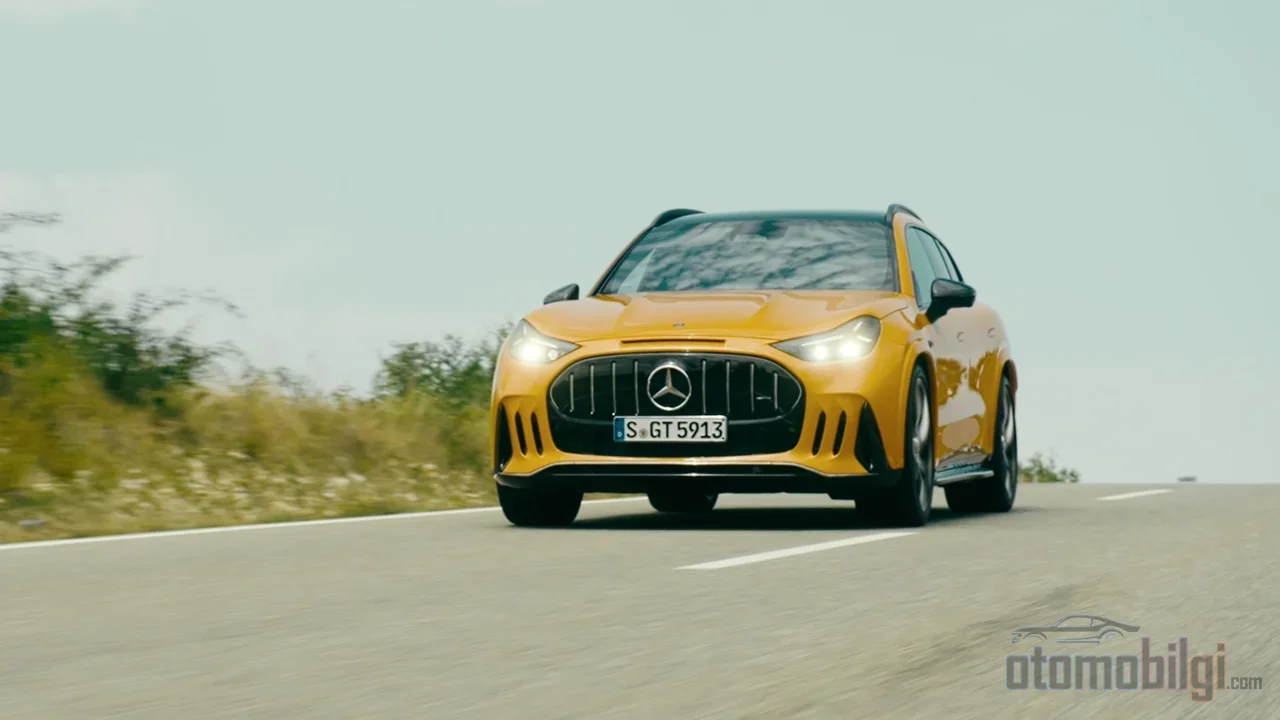
Mercedes-Benz USA retailed 76,200 passenger cars in the third quarter of 2026, a figure that represents a 4% increase compared to the same period last year. Including van deliveries, total volume reached 85,800 units. The engine of growth was the brand's core SUV family and what we call Top-End, the upper luxury segment. However, the picture is not as bright as it seems: since the start of the year, passenger car sales are still 1% behind.
Highlights
- in Q3 76,200 passenger cars, together with vans 85,800 retail sales
- Year-over-year in passenger cars 4%, overall 3% increase
- S-Class grew in the quarter 47% , E-Class 39%
- Core segment rose 12% in the quarter, with SUVs at the center of demand
- YTD passenger car sales are still 1% down; BMW maintained its lead
What the Numbers Say: The Concrete Picture of the Quarter
According to the data in MBUSA's official release dated October 7, 2026, passenger car sales reached 76,200 units, with a 2% increase compared to the previous quarter as well. In other words, the momentum is upward within the three-month period too. On the van side, deliveries of 9,600 units show a calm but steady 1% progress on both a quarterly and annual basis.
| Segment | Q3 2026 | Quarterly Change | Annual Change | YTD |
|---|---|---|---|---|
| Passenger cars | 76,200 | +2% | +4% | 221,200 (-1%) |
| Vans | 9,600 | +1% | +1% | 27,500 (0%) |
| Total | 85,800 | +2% | +3% | 248,700 (-1%) |
Now let's clarify one point from the start: all of these figures are preliminary data, and the official source explicitly points this out. Minor revisions may come once the final reports are published. This has always been the case with automotive sales reports; as someone who has been reading quarterly releases for thirty years, I treat this as a routine precaution.
SUVs and Top-End: The Two Segments Carrying the Growth
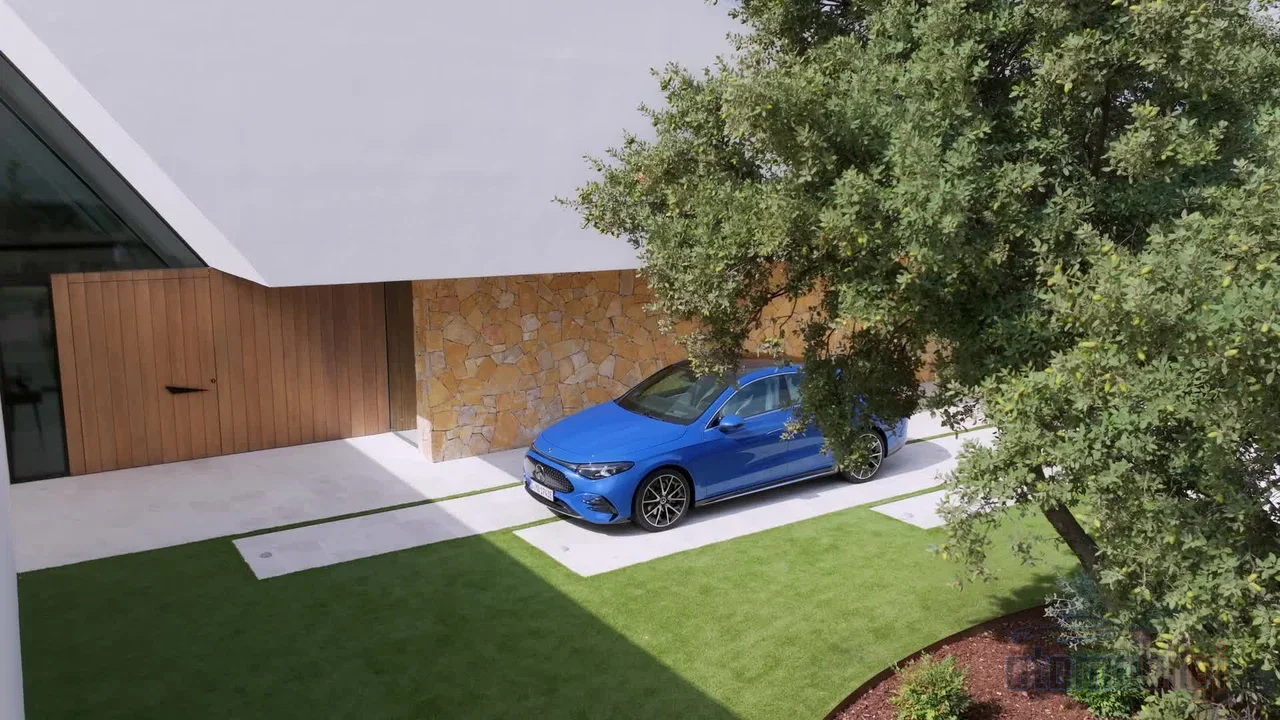
The real story of the quarter lies in the segment breakdown. The Core segment - meaning C-Class and E-Class families in all their variants, plus EQE and EQE SUV - captured a 12% increase in the quarter. Since the start of the year, a 5% increase has accumulated. The fact that the official statement directly attributes this demand to Mercedes-Benz SUVs is no coincidence: the GLE continues with double-digit annual growth, and its production at the Tuscaloosa plant in Alabama gives it a natural advantage in the US market in terms of supply and customs dynamics. The GLC also remains one of the highest-volume models and carries positive YTD momentum.
Things get even more colorful on the Top-End side. Strong demand continued in this upper segment consisting of AMG, Maybach, G-Class, S-Class, GLS, EQS and EQS SUV. The S-Class alone posted a 47% increase in the quarter - this leap, following the launch of the new S-Class Sedan, shows that the long-built-up waiting crowd at dealers is being rewarded. Mercedes-Maybach sales are up 21% since the start of the year. The entry segment, meanwhile, showed a modest increase of 3% over three months; most of this increase GLA's 63% quarterly jump.
The E-Class also deserves special mention: its 39% quarterly increase is above-average performance for a model in the middle phase of its product cycle. The old-timers in this business know: a sales jump in a model's facelift year, when combined with a clean product mix, can change the quarterly picture on its own.
Management's Message: SUV Family and New Product Wave
MBUSA President and CEO Adam Chamberlain emphasized that the growth was achieved together with the dealer network, and that the appeal of the broad and versatile SUV family and the strength of the Top-End range were reflected in these results. The new products arriving in the US - the new GLE, new GLS and new S-Class - were pointed to as the vehicles that will sustain momentum in the coming period. This is a classic quarterly bulletin message; but this time there are concrete model launches behind it.
The global picture shared by Mathias Geisen from the Mercedes-Benz Group AG Board of Management completes the framework. Mercedes-Benz Cars reached the highest quarterly electric vehicle sales in the company's history; sales of the electric GLC tripled compared to the second quarter. Car sales outside China recorded a third consecutive quarterly increase in 2026. New electric models - the electric GLC, CLA, GLB and GLA - are sold out in Europe for the rest of the year; order books extend to 2027. On the electrification side, BEV sales of cars and vans across the group rose 52%. This is not just a US story; it is a period in which supply cannot keep up with demand all around the world.
How Does the US Increase Reconcile with the Global Decline?
Mercedes-Benz Group sold 491,700 cars and vans worldwide in the third quarter. This figure is 4% behind the previous quarter and 6% behind the same period last year. Total volume year-to-date reached 1,503,200 units, also marking a 6% decline. The center of gravity of the decline is the contraction in the Chinese market.
So the 4% increase in the US is an exception to the global picture. It is no coincidence that a brand performs so differently in two different geographies: in the US, the product mix - domestically produced SUVs, a fresh S-Class, strong van demand - is aligned in the right direction. In China, the pressure of local competition has been challenging German premium manufacturers' calculations for years. How much of this recovery in the US side is structural, and how much is the one-time effect of the new product wave, will become clear over the next two quarters.
BMW Does Not Give Up the Lead: The Big Picture of the Market
Although Mercedes' 4% increase is welcome news, the seat of power in the US luxury market did not change. BMW maintained its lead in the third quarter with 100,210 sales (a 3.4% increase); Lexus ranked second with 93,056 units (1.6%). Although Mercedes' growth rate appears higher than its rivals, the difference in absolute volume is still substantial.
Behind this table lies a long-running strategic debate. After years of decline in the US, Mercedes aims to reach 400,000 annual retail sales by the end of this decade and return to the number one position among luxury brands. However, the Top-End focus - a product strategy shifting upward with an emphasis on AMG and Maybach - is criticized for causing share loss in the higher-volume, more reasonably priced entry luxury segment. This criticism is not unfounded; assessments that volume must come from core everyday-use SUVs combine with observations that Mercedes is responding to entry-level models with new platforms. The GLA's 63% quarterly increase becomes meaningful exactly at this point: the brand appears to have managed to open the volume door at the lower end while preserving its profit margin story in the upper segment.
The Balance Marking the Middle of 2026
In the first quarter of the year, MBUSA had made 78,500 total retail sales: 70,000 passenger cars (a 3% decrease) and 8,500 vans (a 6% decrease), a 3% overall decline. Even then, there was a strong point: sales of the GLC along with the US-built GLE and GLS had increased by more than 22%, accounting for 61% of passenger car sales. The G-Class was up 16%, the SL 47%, Maybach 22%, while the GLE at 19% and the GLC at 17% carried double-digit momentum. Interest in the new CLA was high, but production was being directed primarily toward meeting European demand.
In this context, the third-quarter recovery is not a surprise but a point of continuation: throughout 2026, domestically produced SUVs and Top-End models formed the backbone of the brand. What changed is that the slight decline of the first quarter turned into positive year-over-year growth in the third quarter. But looking at the official total, we are still at minus one percent - meaning the momentum captured over three quarters has not yet fully offset the loss from the first months of the year. Abandoning old habits is not easy; the luxury buyer pays less attention to quarterly fluctuations than to long-term promises, and the task ahead of Mercedes is to carry this consistency into the fourth quarter as well.
Points to Watch in the Period Ahead
- The impact of the new GLE, GLS, and S-Class on fourth-quarter deliveries: the size of the launch effect will be measured here.
- Whether the 1% deficit in YTD figures turns positive by year's end.
- How quickly the electric GLC's momentum will reflect in the US market; the European example, where order books extend into 2027, is instructive.
- The trend of the volume gap with BMW closing; the realism of the 400,000 sales target depends on this.
To summarize: Mercedes-Benz USA marketed the right products with the right timing in the third quarter and received its reward in the numbers. The lasting success of this strategy, which oscillates between the volume layer and the profit layer of the luxury market, will be seen not in a single quarter but in the year as a whole and in the delivery performance of the upcoming wave of products. Preliminary data is still early; the final quarter must be awaited for the definitive picture.