Tesla Cybertruck Production Is Ending, the Model Is Becoming History
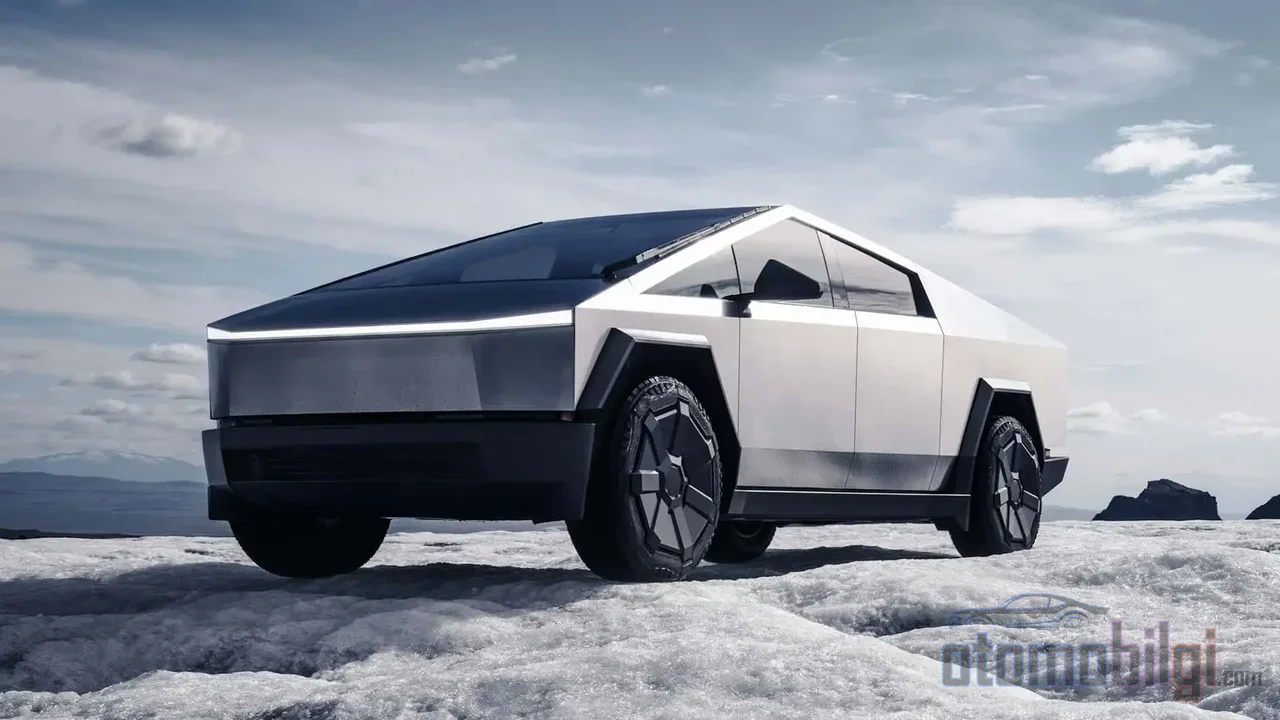
Elon Musk confirmed via a statement on his X account on Friday, November 6, 2026, that Tesla Cybertruck production at Giga Texas will end around mid-2027. As justification, he pointed to the need to make room for ramping up Cybercab production. Yet behind this decision lies not only factory planning but also the demand picture of a model whose promises and reality diverged over its seven-year story. Cybertruck had been placed at the center of Tesla's pickup strategy; now the question on the table is: Is the model becoming history entirely, or is the stage only emptying in Texas?
Musk's Statement and the Unknowns
Musk wrote that Cybertruck production will be halted at the Texas plant toward mid-2027; he did not give an exact date. Since Giga Texas is currently the only facility producing the Cybertruck, the gaps left by the statement are as significant as the decision itself. Whether the vehicle will be moved to another plant, and whether the program is ending entirely or only this chapter is closing, is not yet clear. There is also no statement from Tesla on what will happen to the existing order book, warranty, and service processes.
This is the third product shelved by Tesla in line with its autonomy goal. Previously, Model S and Model X production had ended, with the space at Fremont reserved for Optimus robots. Now it was the turn of the company's most talked-about and most controversial model.
Highlights
- Cybertruck production is being halted at Giga Texas in mid-2027; the justification is Cybercab capacity.
- The model launched in 2023 with a target of 250,000 sales per year; the pace is roughly 30,000/year.
- 2025 US sales were 20,237 units: a drop of approximately 48% compared to the previous year.
- The starting price was $60,990; the dual-motor version now starts at $74,990.
- On October 22, 2026, sales in Australia and New Zealand were canceled, with deposits being refunded.
Sales Figures Tell the Story Themselves
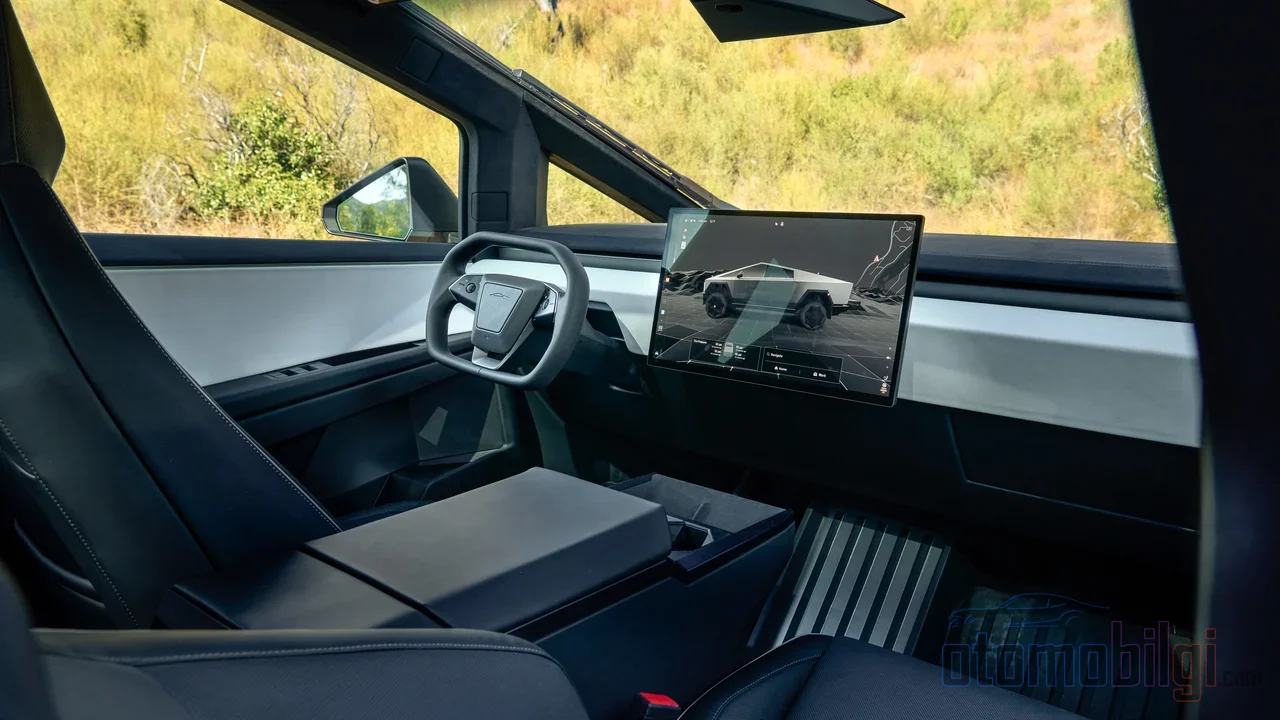
Tesla does not report Cybertruck deliveries separately; it includes them under the "Other Models" heading along with Model S, Model X, and Semi. Still, the picture is quite clear. In the third quarter of 2026, deliveries of this group fell to 8,295 units: a 48% drop year over year and the lowest level since the second quarter of 2021. Since Model S/X production ended in April, it is estimated that around 7,000-8,000 of this figure is the Cybertruck; which means an annual pace of roughly 30,000 units. About 12 percent of the plan.
US registration data confirms the same picture. The Cybertruck, which sold 38,965 units in 2024, fell to 20,237 units in 2025. In the first quarter of 2026, 3,519 registrations occurred, and 3,744 in the second quarter; far from the 14,416-unit level of the third quarter of 2024. While the plant's installed capacity is over 125,000, the line was running at roughly a quarter of its capacity.
A more striking detail: In the last quarter of 2025, SpaceX alone took delivery of 1,279 Cybertrucks; The total purchases by Musk-owned companies, at 1,339 units, account for roughly 19 percent of US registrations in that quarter. In other words, the real demand in the market may be even weaker than it appears.
The Gap Between Promises and Reality
The 2019 Debut and the Four-Year Wait
The Cybertruck appeared before the world as a prototype at its November 2019 unveiling, and its cyberpunk-inspired sharp design, along with the shattering of glass by steel balls during the presentation, was etched into memories. It was delayed by two years for various reasons, including the pandemic; series production and first deliveries began in the US in November 2023. Around 250,000 sales per year had been projected at the initial deliveries; Musk had previously also mentioned annual targets of 250,000-500,000.
The promise had two ends: price and range. At the unveiling, a starting price below $40,000 and a range of 500 miles had been discussed. In reality, the price started at $60,990; hardware claims such as a 14,000-pound towing capacity and a 6.5-foot bed stood out, while the range target was not met. There was no stability on the price front either: The cheap rear-wheel-drive version launched in 2025 was discontinued a few months later, a more accessible dual-motor trim arrived in the summer, and with the $5,000 price increase in August, the starting price of this version rose to $74,990.
A Model That Became the Target of Protests
The vehicle struggled not only with the market but also with the headlines. From 2024 onward, due to Musk's political stance and the roles he took on, the Cybertruck became the target of protests; vehicles in showrooms were damaged. Quality problems and numerous recalls were added to these. It was already difficult for a counter-design vehicle to find buyers at a price far above what was promised; its placement at the center of political debates made things even harder.
The Cybercab Rationale and the Counter-Reading
The rationale Musk put forward is production space: The two-seater robotaxi Cybercab, which has no steering wheel or pedals, was introduced in 2024, began production in Texas in April, and entered service in Austin in September; an expansion to Dallas is planned for November. According to Musk, space in the factory is needed to increase this vehicle's volume.
There are those who question this rationale. Industry commentary pointing out that Giga Texas has more than 10 million square meters of factory space and that the Cybertruck line is already running at a quarter of its capacity hold the view that the real reason is the lack of demand and the cost of keeping a low-volume niche vehicle alive. The same commentary estimates that the program has likely recorded billions of dollars in losses and failed to generate positive cash flow over nearly three years with around 70,000 deliveries; these are not hard data, but industry analyses. It is also noted that Wall Street did not find the outcome surprising, as the result of high prices and weak demand had long been anticipated.
Is the Model Being Discontinued Entirely, or Is Tesla Leaving the Pickup Market?
There is no clear answer yet. Musk only mentioned the termination of production in Texas; The possibilities of the Cybertruck being moved to another facility or the program being shelved entirely were not announced. Given that Giga Texas is considered the sole production site, the scenario that the program has completely ended is not far-fetched, but it is not verified information. It also remains unclear what current owners will encounter in terms of warranty, software updates, and service.
In the bigger picture, the question is this: Is Tesla pulling out of the full-size pickup market? Musk had said in the past that if the Cybertruck did not sell, they could make a conventional pickup. In today's picture, that is not expected to happen; the company is piling its resources into autonomy, robotaxi, and robotics. An ironic footnote: despite its weakened sales, the Cybertruck was still positioned as America's best-selling electric pickup in the third quarter of 2026. Even the segment leader can be shelved when it is seen as an obstacle on the road to autonomy. The old rule of automotive history has not changed: the vehicle that stays on the production line is the one whose story is written by profit.