Fire Risk Warning from VW to ID.4 and Audi Q4 e-tron Owners!
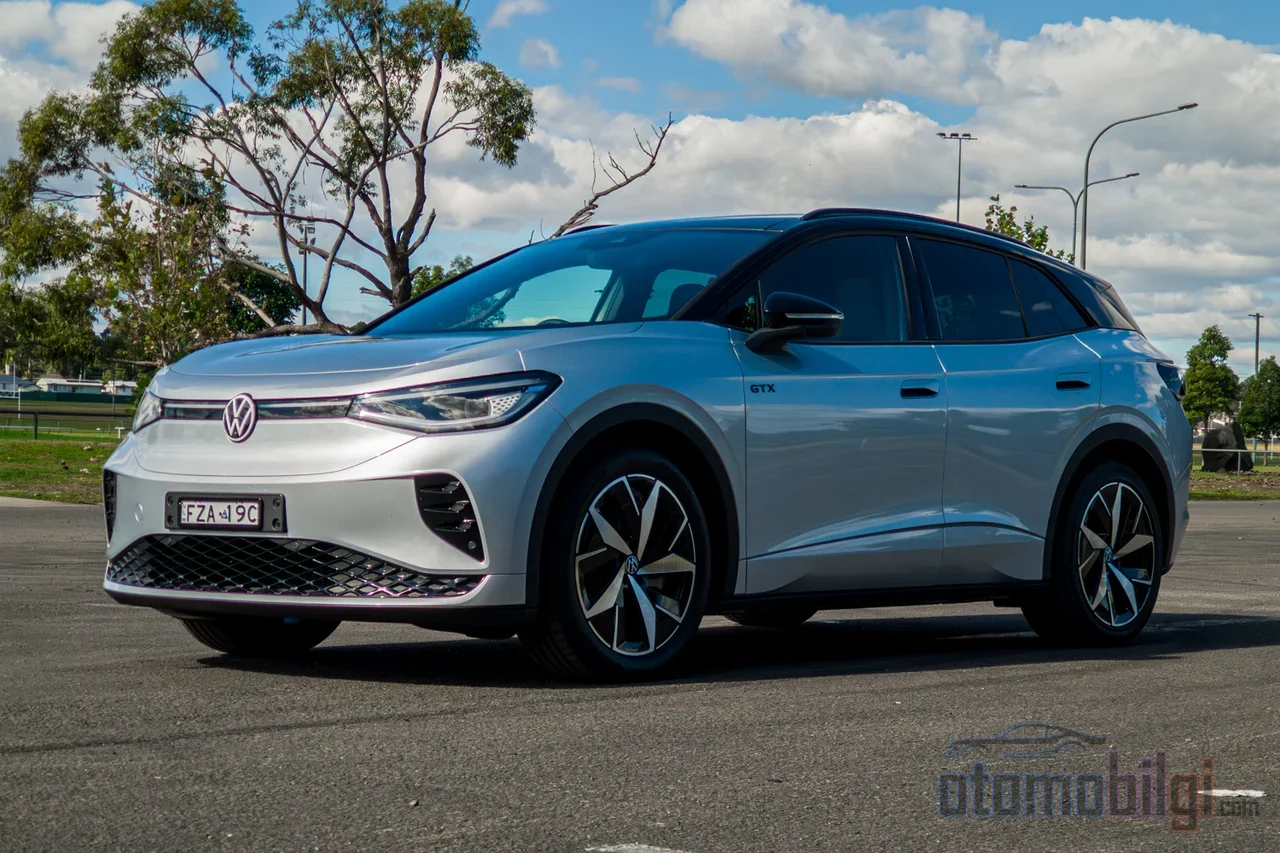
Owning an electric vehicle had over time become a familiar routine: plug in at night, full by morning, hit the road. Volkswagen abruptly suspended the most basic assumption of this routine with its official announcement in recent weeks. The warning sent to ID.4 and Audi Q4 e-tron owners was clear: due to a fire risk in the battery, do not charge your vehicle above 80 percent. Moreover, the German manufacturer applying this limit remotely, without the owner's approval, on some vehicles reignited the long-running data and control debate in the automotive world. So what actually happened, how serious is the risk, and what should owners do now?
The Concrete Picture of the Recall: How Many Vehicles, Which Models?
Let's start with the US side. Volkswagen recalled 22,524 ID.4 units from the 2023 through 2026 model years due to a fire risk in the high-voltage battery. The safety recall code is 93EX, and the corresponding NHTSA campaign number is 26V630. All of the affected vehicles came out of the Chattanooga, Tennessee plant; the battery cells also came from the SK Battery America facility in Commerce, Georgia, in the state of South Carolina. On the Canada front, 5,633 ID.4s from the 2023-2025 model years are covered, and this case is registered with Transport Canada under number 2026469.
The production range is a decisive detail as well: The US recall covers ID.4s produced between January 1, 2023 and February 1, 2025. In other words, vehicles that came off the line after this date are for now excluded. Indeed, Volkswagen estimates that only about 0.1 percent of the recalled vehicles are defective. Although this rate seems small, it is natural for manufacturers to take a wide margin on a risk of thermal event severity; that is how the industry handles this, whether it is likely or not.
Highlights
- VW recalled 22,524 ID.4s in the US over a battery fire risk; in Canada, 5,633 vehicles are covered.
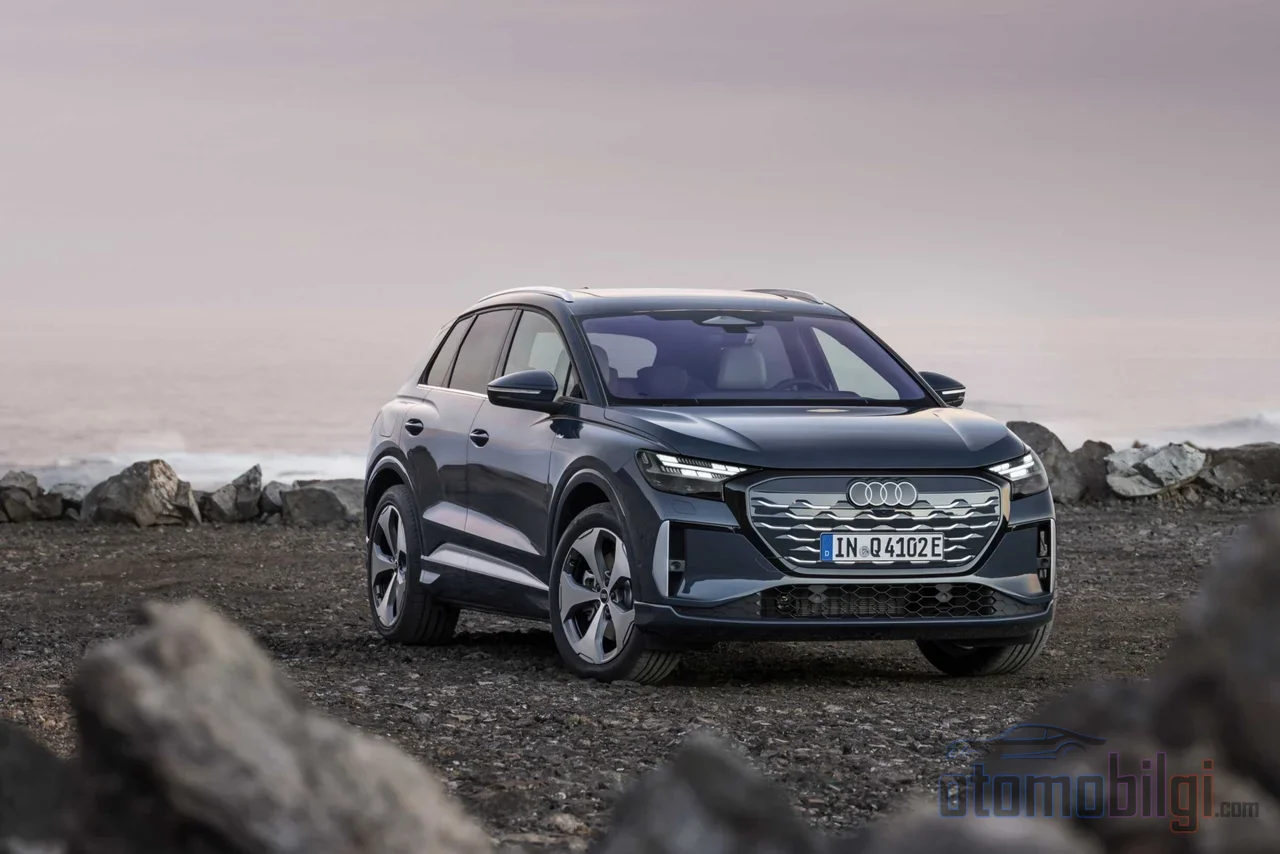
- On the Audi side, 9,048 Q4 e-tron and Q4 Sportback e-tron (2024-2025) owners received the 80 percent charging warning.
- The recall has reached more than 85,000 vehicles worldwide as of the end of October; including the ID.3, ID.7, ID. Buzz and Cupra Born.
- VW states that it still does not know the root cause of the defect; a permanent repair solution has not yet been announced.
- Neither VW nor Audi issued a "do not drive" instruction; the main precaution is to keep charging at 80 percent.
The Technical Cause: Thermal Propagation and a Still Unknown Root Cause
The technical logic behind the warning relates to thermal propagation, the most feared failure mode of lithium-ion batteries. According to the official report submitted to NHTSA, the combination of certain charging patterns with a high state of charge can trigger thermal propagation in some battery packs. To put the mechanism here simply: a problem starting in a single cell can jump to neighboring cells and spread across the entire pack, and this can end in a fire. This is the first thing any engineer who has been through the mill learns; a single cell fault in a battery is not a problem; the problem is that fault spreading to its door neighbors.
What is truly troubling is this: Volkswagen still does not know the root cause of the defect. That statement is also the main explanation for why a permanent fix has been delayed. You cannot claim a software update or a battery replacement will solve the problem without knowing the source of the fault; in the industry it goes in this order: first diagnosis, then repair. For now, the only tool at hand is keeping the charge below 80 percent. As the manufacturer states, this is not a permanent solution but a temporary risk-mitigation step.
It should be added that the risk also applies while the vehicle is parked. Transport Canada records note that an overheating battery poses a fire risk even while the vehicle is parked and switched off. So it would be wrong to oversimplify the problem as "it explodes while charging." As we have seen in similar cases in the past, fires in parked vehicles are the most inconvenient scenario for both owners and insurers.
Why the Scope Grew: The Jump to Audi and Other VW Group Models
The rapid expansion of the recall throughout October clearly shows that the problem is not limited to a single model. The process, which began with the ID.4 on October 9, had jumped to the Audi front as of October 27-28: Volkswagen Group of America instructed 9,048 owners of 2024-2025 Q4 e-tron and Q4 Sportback e-tron models not to charge above 80 percent. This case is being handled under Audi recall code 93SK and NHTSA campaign 26V698. The Audi side is reported to extend to approximately 13,000 vehicles globally.
The story does not end there. Information based on the records of KBA, Germany's vehicle safety authority, indicates that as of October 21 the recall had reached 72,668 electric vehicles worldwide, with the ID.3, ID.7, ID. Buzz and Cupra Born also included in the scope. Toward the end of October, this total rose above 85,000. The common denominator points to battery cell supplier SK Battery America; the presence of the same cells in vehicles of different brands produced at different factories makes it reasonable to look for the problem on the supply side. What we used to call a recall used to be limited to a single part of a single model; in the age of platform sharing and common supply chains, a single cell batch can affect models around the world all at once.
This case also has an interesting history. NHTSA records show two previous battery recalls in January 2026: Campaign 26V030 covered 43,881 2023-2025 ID.4s due to the overheating risk. At the time, a two-step fix plan had been discussed; first a battery software update, and if necessary a free battery replacement by the dealer. In the current campaign, however, no such definitive repair has yet been announced, which shows the seriousness of the case and that uncertainty persists.
How Is VW Applying the Charging Limit Remotely, and What Can Owners Do?
This is the most hotly debated aspect of the matter. Volkswagen began remotely applying a temporary 80 percent charging limit to affected ID.4s in the US around October 27. Whether the remote intervention is possible depends on the vehicle's configuration and whether it is online; if the vehicle is connected, the limit can take effect without the owner ever touching the bodywork. There is a door open for those who do not want it: through the 93EX High-Voltage Battery Settings notification in the myVW app, it is possible to decline this automatic limitation with the Decline Setting option. But there is a subtle point here; declining does not mean charging to 100 percent is safe. Owners who opt out are also considered responsible for keeping the limit at 80 percent themselves.
Every affected owner will also be sent a label containing a warning not to charge above 80 percent. Audi's approach is a bit different; owners are advised to set the 80 percent charging limit themselves from the central display, noting that this is a precautionary measure. The companies issued neither an instruction like "do not drive the vehicle" nor "park it outside". So in practice life has returned to normal, with the single rule being to leave the battery in an uncharged state.
The idea of remotely imposing a limit sparked considerable debate on social media, and I think the debate is justified. As someone who has followed this industry for thirty years, I can say this: a manufacturer remotely intervening in a vehicle would have been unthinkable in the cars of decades ago; now it is both a connectivity reality and a subject of debate. VW presents the process as a temporary measure that is transparent and carries a right of refusal; the existence of an opt-out mechanism supports that. Still, where the line is drawn between seizing someone's vehicle and informed consent seems likely to be discussed long after this incident is over.
Practical Situation for Owners: Inquiries, Letters, Contact
The quickest way to find out whether your vehicle is covered is to run a VIN check at nhtsa.gov/recalls; the inquiry has been possible since October 6. The 93EX notification in the myVW app and Volkswagen's own inquiry page provide the same information. Similar inquiry channels are also active for owners on the Audi side. The next steps depend on the official schedule: Volkswagen will mail the temporary ownership letters on November 27, 2026; a second letter will come when the permanent fix is ready. The final repair will be free of charge; since the vehicles remain within VW's new vehicle limited warranty, no separate compensation plan was deemed necessary.
- Volkswagen customer service: 1-800-893-5298, VW Customer CARE: 1-800-822-8987.
- NHTSA Safety Hotline: 1-888-327-4236.
- VIN inquiry: at nhtsa.gov/recalls, accessible since October 6.
What Does the 80 Percent Limit Cost You in Range?
The aspect that touches everyday use is range. The 80 percent limit draws a cutting line across the EPA figures, especially for owners planning long trips. The table below shows roughly where the limitation carries the range in typical ID.4 configurations; the figures are estimates based on 80 percent of the EPA values.
| Model | EPA Range | Estimated at 80% Charge |
|---|---|---|
| 2024-2025 ID.4 Pro / Pro S RWD | 291 miles | ~233 miles |
| 2023 ID.4 Pro RWD | 275 miles | ~220 miles |
| 2026 ID.4 AWD models | 263 miles | ~210 miles |
On the American scale these losses do not bring life to a halt, but on long routes it means adding an extra fast-charging stop to the plan. In the past you would drive until the fuel tank was full; now there is software telling you to stop at 80 percent; that, in my view, is the table that summarizes the new realities of electric vehicle ownership. VW is also guiding owners in a manner that recommends planning an additional charging stop before long trips.
What Is Known So Far and What Remains to Be Seen: Summary Answer for Owners
Let us clearly answer the main question on the mind of the reader who has made it this far. ID.4 and Q4 e-tron owners can continue using their vehicles; what needs to be done is to keep the charge at 80 percent until the final repair is announced. Neither Volkswagen nor Audi asked for the vehicle to be left unused or parked outdoors; this is precisely the main measure. Since the risk exists even when the vehicle is parked and not charging, the 80 percent setting retains its importance for rarely used vehicles as well.
There are two things to watch in the coming period. First, the diagnosis of the root cause and the definition of the permanent, free repair that will ultimately follow; the second letter will be the harbinger of this. The second is whether the scope will expand even further. The file's rapid spread from the ID.4 to Audi and to the ID family worldwide is a textbook example of how a single cell batch can shake an entire group's electric portfolio. Until the root cause is announced, the recommendation is simple and patient: stay at 80 percent and keep following your letters.
Sources
- VW ID.4 Recall: 80% Charge Cap Unless You Opt Out by Oct 21 - Electron Motion
- Volkswagen recalls nearly 23K ID.4s for battery fire risk - WardsAuto
- Audi Q4 E-Tron Recall Imposes 80% Charging Limit - Motor1.com
- Volkswagen Warns Owners Not To Charge Their ID 4 Or Audi Q4 E-Trons Over 80% Or Risk Fire - Jalopnik
- Volkswagen Will Remotely Limit Some ID.4s to 80 Percent - Car and Driver
- Volkswagen's EV battery recall reaches over 85,000 with Audi - Electrek
- Volkswagen battery recall extends to Audi in the USA - electrive.com
- VW Will Automatically Limit Some ID.4 Batteries To 80% - InsideEVs
- Volkswagen recalls over 9000 Audi vehicles. See affected models - USA Today
- Don't Charge Your Q4 e-tron Over 80%, Audi Tells Many Owners - Guide Auto Web