Ford Recalls 37,000 Lincoln Navigators Over Seat Fault
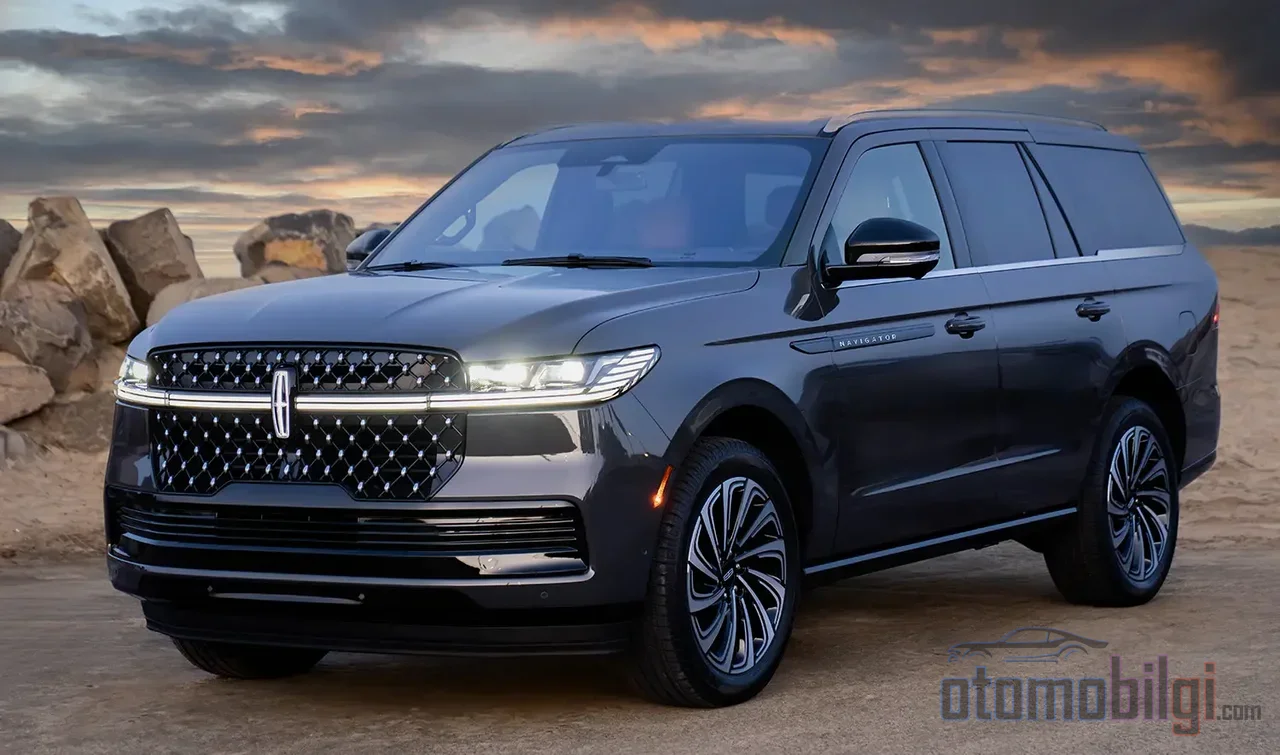
Lincoln Navigator, one of the most recognizable names in the luxury SUV segment, took on its role on stage this time unwillingly: Ford Motor Company is recalling nearly 37,000 Navigators due to a software-related seat problem. The recall covers vehicles from the 2025 through 2027 model years, and the problem carries a more troubling nature than it appears: the driver's seat can move on its own while the vehicle is moving slowly, without anyone's command.
One might think how much harm a seat could do; but if the seated position of the person behind the wheel suddenly changes, their access to the pedals and the steering wheel changes too. As someone who has spent years in this industry, I say: one of the most serious recalls occurs when a fault directly affects the driver's ability to maintain control. And this case falls exactly into that category.
What is the scope of the recall, and what is the source of the problem?
Under Ford's campaign, 36,994 units of the Navigator are heading to service; the 2025, 2026 and 2027 model years make up the affected range. At the root of the problem lies not a mechanical failure, but a loop error in the seat's obstacle detection software. When this error is active, the driver's seat can move on its own while traveling at speeds below 5 km/h; some drivers report that the seat slides backward, and that even if you try to return it to its previous position with the seat adjusters, this does not always work.
Highlights
- 36,994 Lincoln Navigator units are being recalled (2025-2027 model years)
- The problem stems from a loop error in the seat's obstacle detection software
- The seat can move at speeds below 5 km/h without a driver command
- Unexpected seat movement can increase the risk of a collision
- A VIN query can be performed through the brand's official recall page
What is the real risk for the driver?
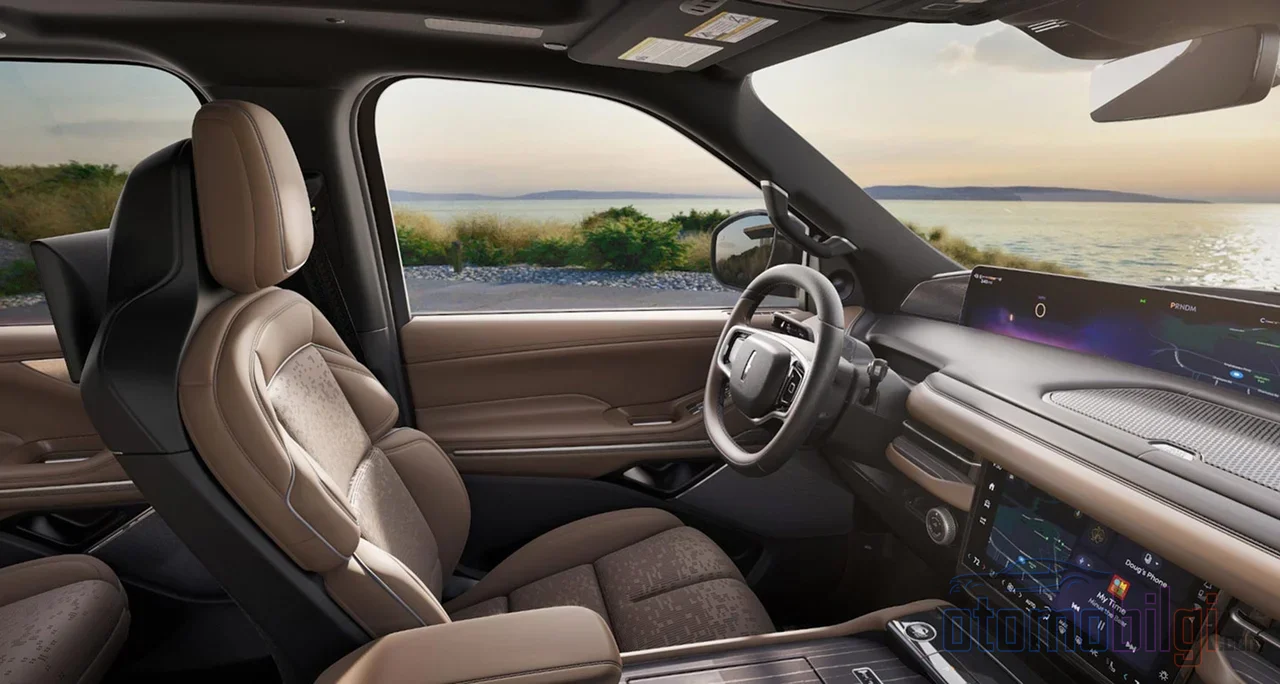
Although the technical definition seems narrow at first glance, in terms of safety it spans a wide area. While a car is maneuvering when parked, moving in a parking lot, or creeping in slow traffic, the seat suddenly slipping backward disrupts the driver's relationship with the steering wheel and pedals. Unexpected seat movement weakens the driver's ability to control the vehicle and therefore raises the risk of a collision. Low speed does not mean the outcome will be minor; the cost of losing control in a vehicle maneuvering in a tight space can be independent of speed.
The existence of cases in which the seat could not be returned to normal with its adjustment buttons indicates that the problem is not a temporary glitch but a persistent software condition. A fault that cannot be resolved by the user's intervention requires service intervention; and that is exactly the justification for the recall.
This is not the first time for this Navigator
Unfortunately, the brand's recall record on this model is not a short list. Earlier, in March 2026, a separate seat recall was issued for approximately 1,189 units of the 2026 Navigator, and the remedy was determined to be a software update for the driver seat module. The notification letters for that campaign reached owners by mail within March 2026.
Further back, in 2016 there was a campaign covering more than 150,000 vehicles for the 2011-2012 Navigators; the cause at the time was automatic transmissions that downshifted on their own. In 2018, a recall concerning the seat rails came due to a missing bracket. Then in June 2026, approximately 420,000 vehicles spanning the 2018-2022 model years, including 77,684 Navigators, were recalled due to a seatbelt locking problem. So seat and safety equipment themed campaigns are a recurring theme with this model.
There is a similar wave in the same brand family
There is another context that widens the scope: In July 2026, Ford recalled 79,579 units of the 2026-2027 Ford Explorer and Lincoln Aviator due to similar seat movement problems. In that campaign, the trigger of the movement was the memory recall function; the seat recline motor could misread the seat's actual position and involuntarily drag the backrest. Unlocking the door lock, remote start, or selecting a saved memory position could be the trigger; since the movement did not start above 5 km/h, the risk was concentrated mainly in a parked vehicle, in the possibility of a second-row passenger being pinched. This campaign does not cover the Navigator, but the Explorer and Aviator case shows that software control of power seats in the Ford family has been tested repeatedly during this period.
The path owners should follow: VIN lookup and software remedy
The remedy detail of the new campaign has not yet been announced; however, it is known that the same problem in the previous Navigator campaign was resolved with a software update to be loaded onto the seat module. This means owners can approach the service appointment as a software loading process; even if a mechanical part replacement is anticipated, the simplicity of the remedy in previous cases is promising.
A Navigator owner wondering whether their vehicle is covered can check using the vehicle's chassis number through the brand's official recall page; the same lookup is also possible from the recall page of the U.S. National Highway Traffic Safety Administration (NHTSA). Information can also be obtained through Ford's customer service line.
The short answer is this: Navigator owners of the 2025-2027 model years should check their vehicles by VIN; for covered vehicles, a service visit is the only safe way to fix this software-related fault. In automotive, recalls are now routine, not an exception; what matters is that the driver who takes the wheel trusting their seat is the owner of this information.
Sources
- Part 573 Safety Recall Report 26V120
- Recall Alert: Lincoln Navigator Driver Seat Malfunction
- 2026 Lincoln Navigator Recalls
- Check For Lincoln Recalls And Field Service Actions
- July 2026 Ford and Lincoln Recall for Driver Seat That Reclines On Its Own
- Ford recalls nearly 420,000 Expedition, Navigator SUVs over seat belt issue