Koenigsegg CC850 Recalled
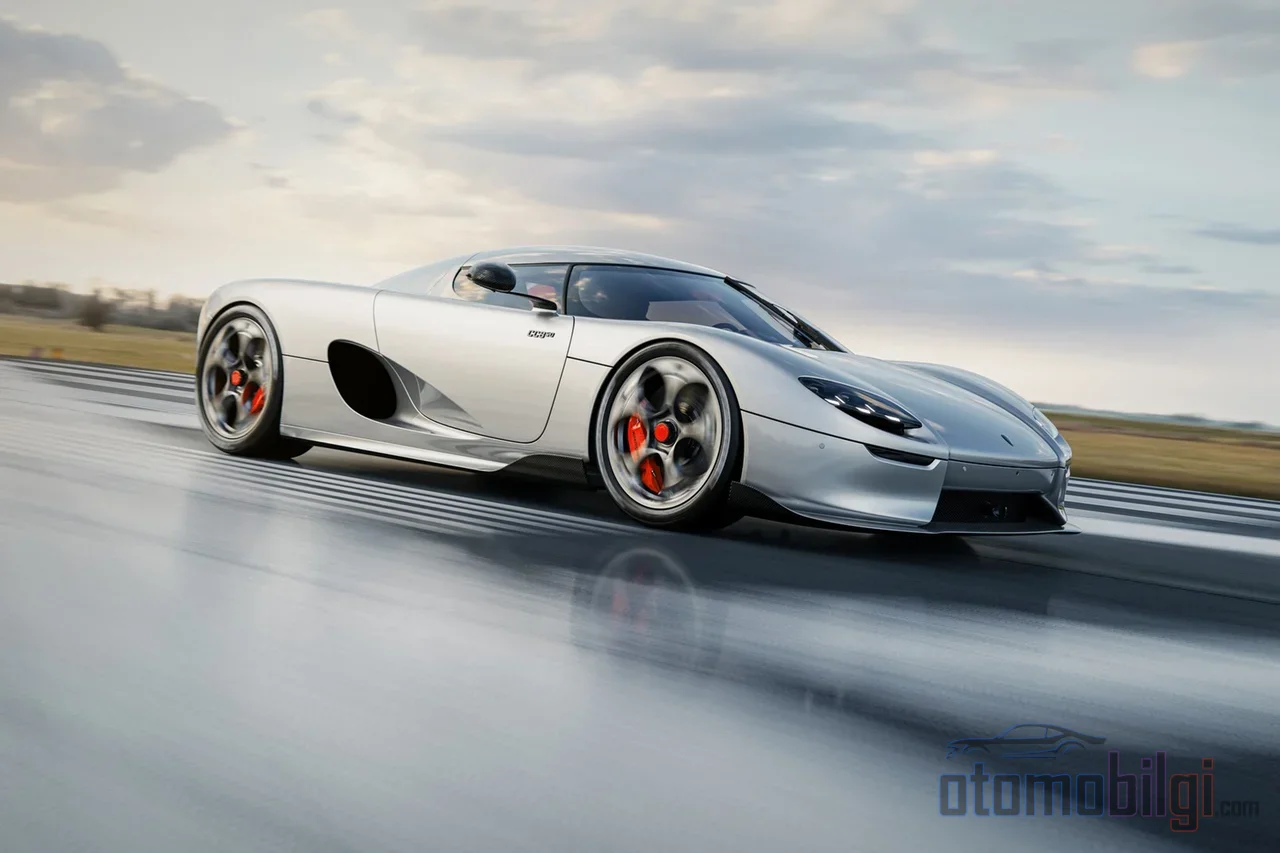
A hypercar on a ramp with the engine running and left in reverse; the driver thinks they have engaged the parking brake, while the car rolls backward. This is exactly what happened to Koenigsegg's $3.6 million CC850, and the scene triggered the recall of all seven vehicles in the US. So what is the nature of the fault, and what will owners do?
Highlights
- All 7 CC850s delivered to the US are subject to the recall; the NHTSA campaign number is 26V694.
- The problem lies in the electronic parking brake software: unless the button is held down, the brake does not stay engaged.
- The fix comes as a free OTA software update starting from October 22, 2026.
- No injuries were reported.
- The CC850's total production run is 70 units; the seven US cars are roughly one in ten of the series.
How a Car Slips Away: The Moment the Recall Was Born
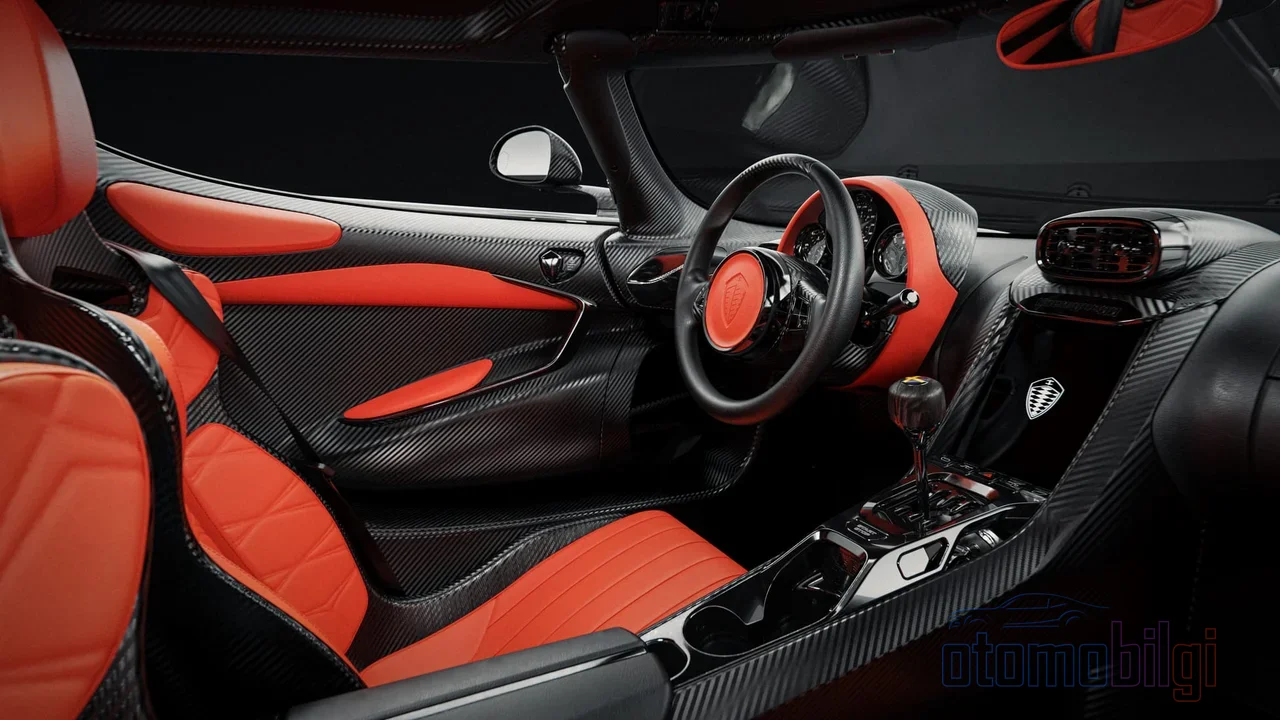
Every recall has a starting point; this one's is more cinematic than most recalls. On October 12, 2026, Koenigsegg received a field notification: A CC850 had rolled after the driver attempted to engage the parking brake. The car was on a ramp with the engine running, left in reverse gear, and the driver had gotten out. Luck was not on their side; no injuries were reported. The company opened an investigation the same day and reached a decision within a week.
For anyone seasoned in this business, this is not a funny coincidence but a classic example of a chained defect: when the driver's assumption, the system's behavior, and an unexpected ground condition come together at the same time, the safety scenario becomes reality. On October 19, after real-world testing and a failure-rate assessment, Koenigsegg made the voluntary recall decision, and on October 21 it filed the dossier with NHTSA. Dealer and owner notifications were also completed the same week.
What Does the Koenigsegg CC850 Recall Cover?
The nuance in the numbers matters here. The campaign covers 7 vehicles - while that may look like a low figure, it means every CC850 delivered to the US market. The affected vehicles were produced between September 28, 2025 - August 2, 2026, and the company estimates the fault is present in 100% of them. In a model priced above three million dollars, gathering the entire delivered population under a single file is also a sign of the transparency small-scale production brings: Koenigsegg knows where every single car is.
| Item | Detail |
|---|---|
| Campaign | NHTSA 26V694 |
| Number of affected vehicles | 7 (all CC850s in the US) |
| Model years | 2025-2026 |
| Production range | September 28, 2025 - August 2, 2026 |
| Estimated defective vehicles | 100% |
| Responsible component manufacturer | Koenigsegg Automotive AB |
| Remedy | Free OTA software update |
What Exactly Is the Fault in the Electronic Parking Brake Software?
The clearest way to understand the error is to read it not as a part failure but as a behavioral glitch. The fault lies in the trigger logic of the electronic parking brake (EPB) system: When the driver presses the EPB button while the engine is running and the gear is in Reverse, the brake engages or stays engaged only for as long as the button is held. A driver who releases the button can get out of the vehicle believing the brake is engaged. But the brake is not engaged; on a sloped surface, the vehicle can roll away without a driver. That is why the NHTSA file records the situation as a safety defect: unintended vehicle movement increases the risk of a collision.
Two technical details deserve emphasis. First, this situation does not constitute non-compliance with FMVSS 135 or UN R13-H; current static parking brake tests fall outside the scope of this scenario. In other words, the vehicle did not fail homologation; it fell into a blind spot of the test regime. Second, the chain of responsibility is very short: Koenigsegg Automotive AB itself is identified as the component's manufacturer; no supplier is involved. This is not a software-induced shortcut, a broken bearing, or a faulty module - to put it in old terms, it is not the part misbehaving but the software.
Let us also correct a common misreading: The file does not specify which transmission the vehicle reporting the fault was equipped with, and the defect is defined entirely as parking brake software. No connection should be drawn to the transmission.
The fix: OTA Update and Owners' Expectation
The remedy plan is consistent with the nature of the problem: As of October 22, 2026, a free wireless (OTA) update for the parking brake control software has been made available. For owners who cannot complete the OTA update, free installation at the dealer is provided. The file also states that owners who have already resolved the problem at their own expense can request reimbursement/a refund. NHTSA's interim advice to owners until the fix is applied is measured but clear: the vehicle should not be parked outdoors.
A recall used to mean brochures, appointments, and weeks of waiting in dealer lines. Today, the fix can largely be completed overnight when the vehicle stays connected to the internet in the garage. This is also a practical convenience for a brand with small-volume, hand-built production; closing the matter with a software release instead of running a physical operation on a fleet of seven vehicles is a more efficient process in every respect.
User Error or System Defect?
The interesting part of this file is not technical, but the debate. The driver leaving the vehicle with the engine running, in reverse gear, and on a slope can be read as a usage error in itself; some commentators in the automotive press also suggest that the recall may in fact be a gesture aimed at making the manufacturer's customer feel slightly less guilty. The regulator, on the other hand, approaches the matter differently: if the system fails to meet the driver's reasonable expectation that the parking brake is engaged, this is a safety defect, and the file has been recorded as such.
With thirty years of hindsight, both readings have their place. Good engineering accounts for the driver's bad day; particularly when it comes to what shortcomings might befall the buyer of a three-and-a-half-million-dollar product, the parking brake changing its mind unasked is quite plausible. Koenigsegg's decision to file this matter away quickly rather than debate it is the most concrete sign that small manufacturers are now held to the same standard as the big ones in the eyes of regulators.
The CC850's Place in the Series and Why Seven Cars Represent It
Let's give the context briefly. CC850 is a tribute to the 20th birthday of the brand's first road car, the CC8S; anniversary, and to founder Christian von Koenigsegg's 50th birthday. as a tribute to the birthday; the "50" in the name also refers to the initial production count. Due to high demand, production was raised to 70 units. Seven US cars are roughly one-tenth of the series - not a negligible proportion for assessing the scale of a recall.
The technical identity is also true to the series' spirit: The 5.0-liter twin-turbo V8 derived from the Jesko produces 1,185 hp on gasoline at a weight of 1,385 kg, and 1,385 hp on E85. The real story, however, lies in the transmission: The Engage Shift System allows the same gearbox to be used both as a clutch-pedal six-speed manual and a nine-speed automatic. In this picture, the parking brake software stands like a trivial footnote - but safety files don't distinguish footnotes, and that's the whole story.
Does the Collector Value Take a Hit?
The inevitable question is this: Does this recall touch the car's collector value? It is unlikely that a software flaw closed via OTA within days would upset demand determined by allocation, spec, and brand reputation. More interestingly, the concept itself is changing: In the era of software-defined vehicles, the production line effectively never stops, and OTA updates add a new layer to the concept of ownership/provenance. It seems that documented software history will be added alongside the "originality" query on future appraisal reports; buyers demanding dated, VIN-logged update evidence may therefore become a reasonable practice.
The episode also reminds us of the nature of small, hand-built manufacturers: Delays in delivery schedules and debates over reliability are nothing new in this industry, and despite all this, Koenigsegg continues production and deliveries, including new Gemera customer cars, right where it left off.
Conclusion: Seven Cars, One Big Lesson
To sum up: Koenigsegg recalled all seven CC850s in the US because the electronic parking brake, engaged in reverse while the engine is running, fails to remain engaged when the button is not held down. The NHTSA campaign runs under number 26V694; the remedy is a free OTA update from October 22 onward and dealer installation if needed; no injuries were reported. It is one of those rare stories where quality reliability is tested in the ultra-luxury segment - but the lesson belongs not to a single brand, but to the entire industry: In the age of electricity and software, the real cost of a recall is not parts, but trust. Koenigsegg wanted to show that it paid this price before the story even made the news. And that, in the end, is what's left in hand.
Sources
- Part 573 Safety Recall Report 26V694 – NHTSA
- Koenigsegg's CC850 Recall Is a Software Story. For Collectors, That's the Point – Yahoo Autos
- All Koenigsegg CC850s in America Recalled After One Rolled Away – Autoblog
- Koenigsegg Recalled Every CC850 In America. All Seven Of Them – Motor1.com
- Numbers of Koenigsegg CC850s increase to 70 due to high demand – AutoExpress