Hyundai Is Recalling 38,000 Vehicles Due to an Airbag Fault
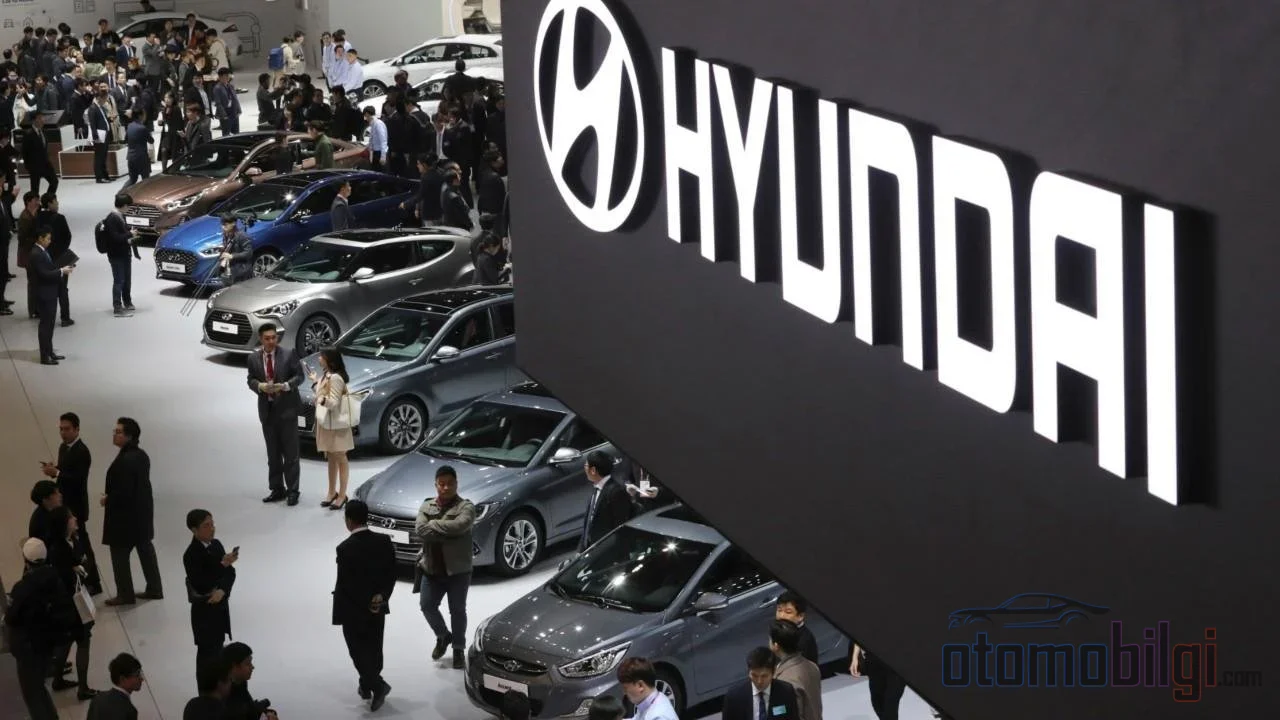
Hyundai has launched a new safety recall in the US covering 37,901 vehicles this time. Completely separate from the seat motor fire risk recall announced three weeks ago that affected 94,622 vehicles, this case directly concerns Kona Electric and Veloster N drivers: In the event of a crash, the airbags and seat belt pretensioners may not deploy. So how did this fault emerge, and what should owners do?
The subject of the recall is not a mechanical failure; it is a software error in the control unit, which is considered the brain of the airbag and seat belt pretensioners. The file, with number 26V728 in the Part 573 safety recall report submitted to NHTSA, became public on November 5, 2026. The figure may seem small at first glance; but the possibility of protection systems not working at all at the moment of a crash is one of the most heavily scrutinized scenarios in automotive safety.
Which Models and How Many Vehicles Are Affected?
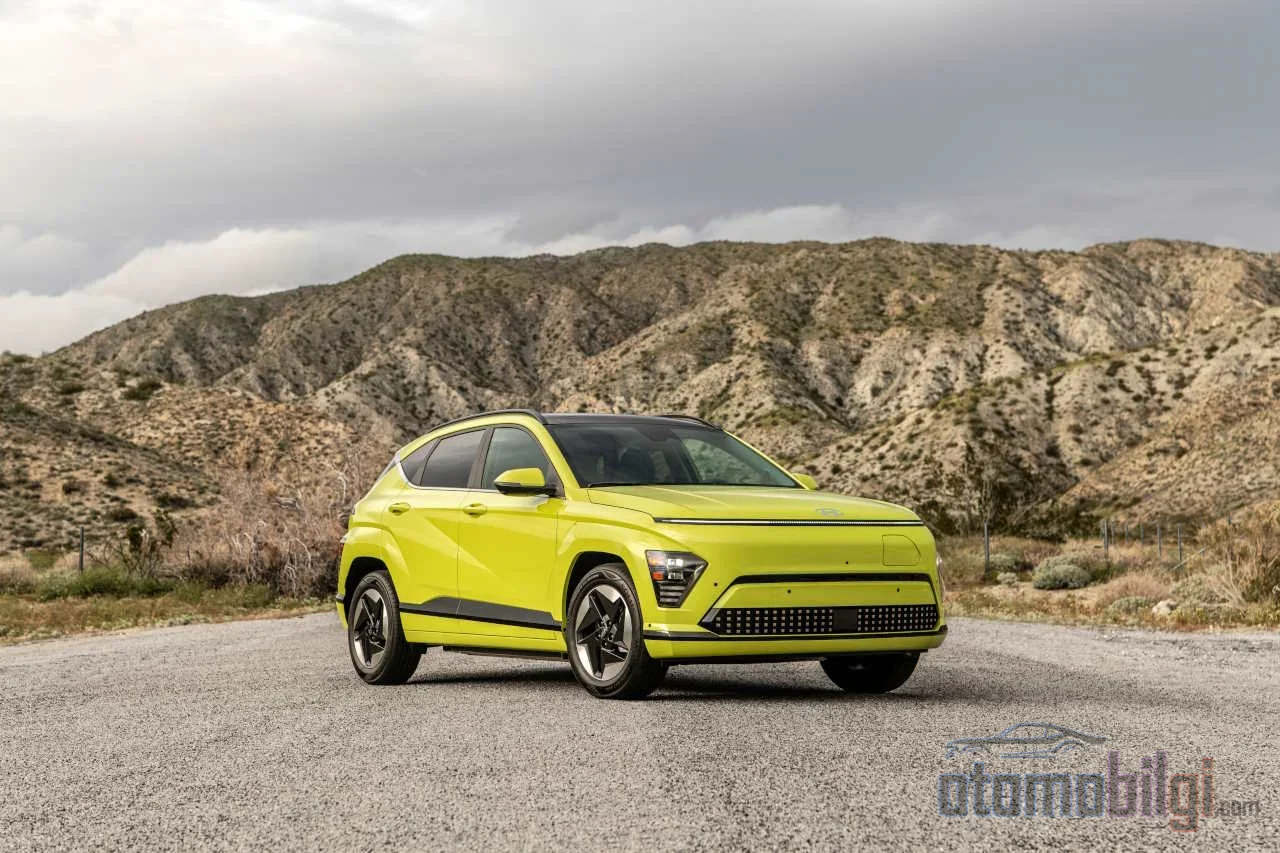
The scope of the recall is clear: Veloster N from model years 2019-2022 and Kona Electric from model years 2019-2023. The distribution is asymmetric; the electric Kona carries the heaviest load of the list.
| Model | Model years | Number of affected vehicles |
|---|---|---|
| Kona Electric | 2019-2023 | 29,058 |
| Veloster N | 2019-2022 | 8,843 |
The total, rounded to 38,000 in the press, appears in the official document as 37,901. The Kona Electric side corresponds to nearly 30,000 vehicles; while the Veloster N constitutes a smaller slice due to its limited volume in the late stages of its production.
The Technical Nature of the Fault: How Does the ACU Software Get Corrupted?
Every affected vehicle has an Airbag Control Unit, or ACU, which detects crash signals and fires the airbags and seat belt pretensioners. This is exactly where the problem begins: if the ACU writes data to its internal memory while the system is restarting, the software can become corrupted, and this corruption can lead to the protection systems being disabled without anyone knowing.
This sounds like a disease of the future, but it is not. Over the last two decades in automotive, the weight of safety systems has shifted from mechanical to software; in the past, a loose sensor cable or a failing gas generator would be discussed, now a single piece of data incorrectly written to memory can silence the entire protection chain. Consistent with the nature of the problem, the solution is simple: not a parts replacement, but a software update.
Highlights
- 37,901 vehicles within the scope of the recall: 29,058 Kona Electric, 8,843 Veloster N
- The fault stems from software corruption in the airbag control unit (ACU)
- NHTSA file number: 26V728
- The fix is a free ACU software update at dealers
- Notification letters will be sent on January 1, 2027
How Does the Driver Notice the Fault?
There is one but important sign that gives the system away: when the ACU data is corrupted, the airbag fault warning lamp lights up on the dashboard. According to NHTSA documents, the likely indicator of the fault is precisely the illumination of this lamp.
For a driver using one of the models in question, the practical advice is this: If the airbag warning light on the dashboard is on, it is not right to dismiss it as an ordinary electronic glitch. The light may be a direct notification that the protection system is not working, and it requires the vehicle to be taken to a dealer as soon as possible.
Two-Year Follow-Up: How Did the Fault Come to Light?
The background of this case goes back much further than the recall announcement. The fault surfaced when an increase in requests related to the airbag warranty light was noticed in August 2024. Hyundai and the ACU supplier spent more than a year testing to be able to reproduce the problem in a laboratory environment.
You may find this pace slow; but software-based, intermittent and hard-to-reproduce faults are the most troublesome category in automotive safety engineering. Calling hundreds of thousands of vehicles without solid evidence, or postponing a real risk, both come at a high cost. The number of complaints reaching the company stands at 331 incidents as of October 2026; however, Hyundai states that it has not received any information of crashes, fires or injuries connected to these incidents.
What Will Owners Do? Repair Process and Schedule
The process is calm compared to the weight of the risk it carries. Owners of affected vehicles will take their vehicles to a Hyundai dealer and technicians will update the ACU software. The update is free of charge; in addition, owners of vehicles repaired at their own expense for this problem before the recall was filed will be reimbursed.
- Official notification letters will be mailed to dealers and vehicle owners on January 1, 2027.
- Those who do not want to wait for the letter can find out in advance whether their vehicle is covered by running a VIN check on Hyundai's official recall page.
- The repair is free of charge under all conditions, as is the standard procedure for recalls.
Context: Hyundai's Busy Recall Year
This recall is the latest link in the brand's heavy recall traffic in 2026. A brief look at the recent period clarifies where the new case stands:
- October 15, 2026: 94,622 vehicles in the USA were recalled due to a fire risk caused by the overheating of front power seat motors; the scope includes some Hyundai Genesis and Genesis G80 models. This case and the new airbag recall are completely independent of each other.
- January 29, 2026: 568,576 Palisade SUVs were recalled because the side curtain airbags could inflate with faulty timing; model years 2020-2025 are affected.
- With another recall filed with NHTSA in April 2026, Hyundai and Genesis are addressing the risk of seat belt anchor detachment in approximately 294,000-300,000 vehicles across the Ioniq 6, Genesis G90, Santa Fe and Santa Fe Hybrid models.
The overall picture indicates that the brand recalled more than 1.1 million vehicles in the USA in 2026. Although this figure looks alarming, two points need to be kept apart: First, the high volume of recalls shows that detection mechanisms have also become more sensitive. Second, today's case is not a mechanical failure or design flaw, but a defect that can be fixed in one go with software.
Brief Assessment
In summary: Hyundai is recalling 37,901 vehicles consisting of the 2019-2023 Kona Electric and 2019-2022 Veloster N due to the risk of airbags and seat belt pretensioners failing to operate if the ACU software becomes corrupted. The fix is a free software update at dealers, with notifications on the way as of January 1, 2027. For owners of affected vehicles, taking the airbag warning light on the dashboard seriously and running a VIN check without waiting for the letter is the smartest move possible in this case.
Sources
- Part 573 Safety Recall Report 26V728 - NHTSA
- Hyundai Issues a Recall for 38,000 Vehicles - AOL
- Hyundai Recalls 38K Vehicles Over Faulty Airbags and Seatbelts - Car and Driver
- Hyundai recall includes certain Veloster N, Kona Electric models - USA Today
- Hyundai is recalling nearly 30,000 Kona EVs due to airbag software defect - Electrek
- Hyundai to recall over 94,600 US vehicles over seat motor fire risk - Reuters
- Hyundai to recall about 569,000 SUVs in US over faulty air bag deployment - Reuters
- Hyundai and Genesis Recall Cars and SUVs to Fix Faulty Seat Belt Anchors - Consumer Reports
- Hyundai - Official VIN Lookup Page
- Hyundai Has Recalled 1.1 Million Cars In 2026 - Motor1.com