GM Is Recalling 67,000 Electric Vehicles Over a Braking Risk
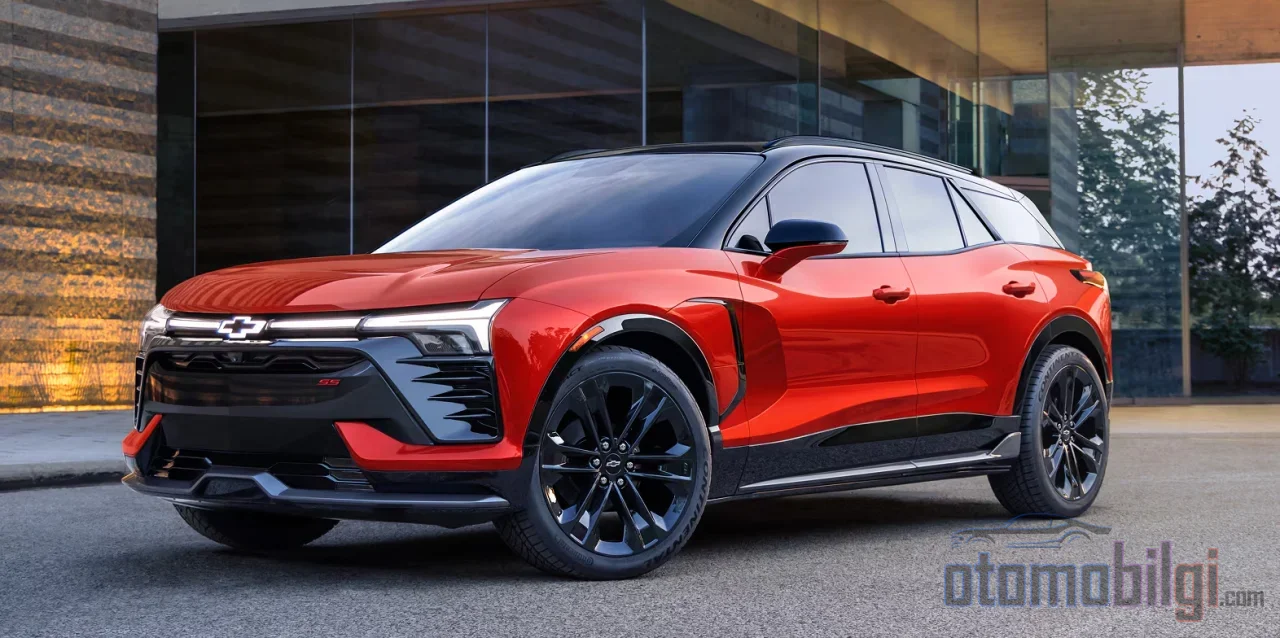
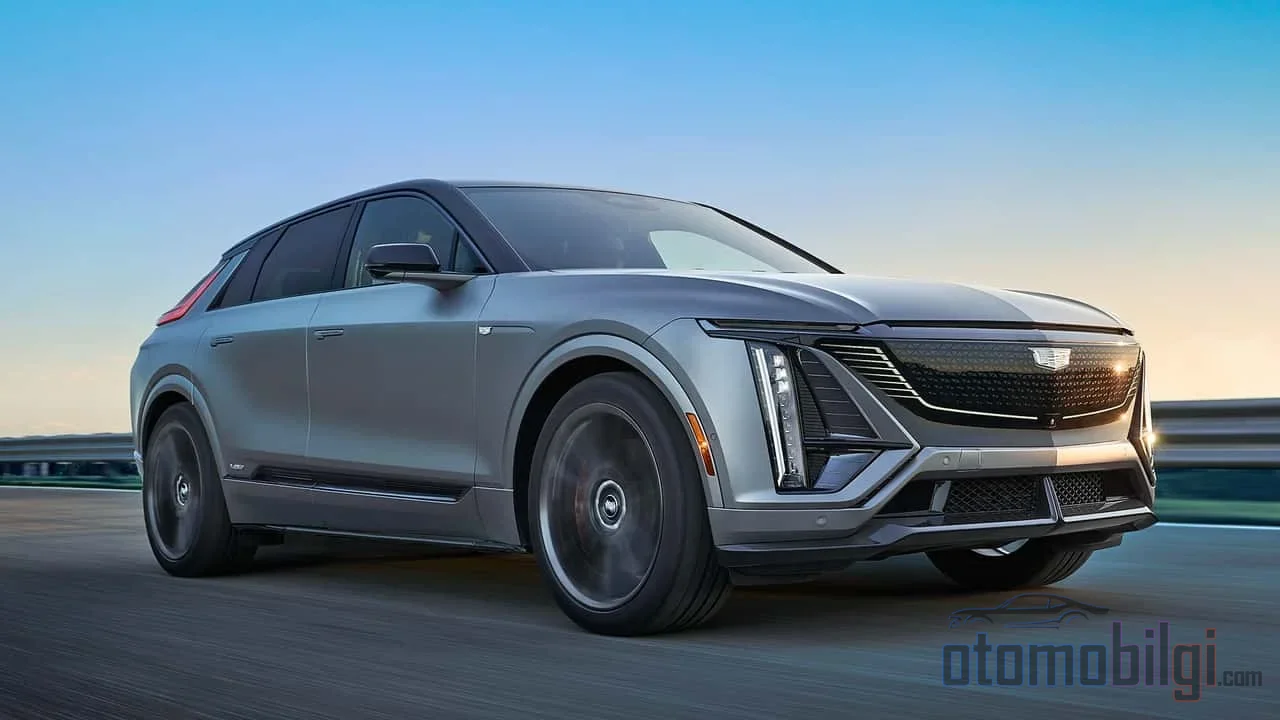
General Motors is in the spotlight with a new recall shaking up its electric vehicle lineup: the company is calling 67,380 vehicles to service, including the Chevrolet Blazer EV and Cadillac's Lyriq, Vistiq and Celestiq models, due to a risk of temporary brake loss. This time the source of the problem is not mechanical, but software-related; moreover, a flaw that was considered "resolved" with a similar campaign in 2024 knocking on the door again raises serious questions about the brake software on the Ultium platform.
The recall was formalized with an NHTSA report on November 4, 2026. So which vehicles are affected, why exactly is the software releasing the brakes, and what should you do right now as an owner? The problem is so specific that not even a single part has been left loose; let's take a detailed look at the technical side, the numbers, and the timeline.
Scope of the Recall: Which Models, How Many Vehicles?
The total count of the campaign is 67,380. It covers four models; but the distribution is quite uneven. The heaviest burden by far rests on the Cadillac Lyriq: virtually all Lyriqs, except for the front-wheel-drive option, are included in the scope.
Highlights
- GM is recalling 67,380 electric vehicles due to a risk of temporary brake loss.
- The scope includes the Blazer EV (SS and Police Pursuit) and the Cadillac Lyriq, Vistiq and Celestiq.
- 20 minor crashes and two injury claims attributed to the flaw have been reported.
- The fix: a free software update for the brake system control module.
- Owner notifications are expected to begin on December 14, 2026.
The breakdown by model year clearly shows how wide a production window the campaign covers:
| Model | Vehicles Affected | Model Years |
|---|---|---|
| Cadillac Lyriq | 44,585 | 2023-2027 |
| Cadillac Vistiq | 18,802 | 2026-2027 |
| Chevrolet Blazer EV | 3,911 | 2024-2027 |
| Cadillac Celestiq | 82 | 2025-2026 |
The notable detail on the Blazer EV side is that the scope is limited only to the SS and Police Pursuit Vehicle versions. As for the Lyriq, the numbers break down by model year as follows: 474 units from 2023, 22,819 units from 2024, 11,926 units from 2025, 9,322 units from 2026 and 44 units from 2027 production. The Vistiq accounts for 13,627 units from 2026 and 5,175 units from 2027; the Celestiq includes 51 units from 2025 and 31 units from 2026.
Meanwhile, the Celestiq figures constitute one of the clearest data points yet on the sales volume of Cadillac's hand-built flagship. GM estimates that all vehicles in the recall are affected by the flaw; meaning it should be assumed that every vehicle on the scope list is at risk.
Why Is the Software Releasing the Brakes? The Technical Trigger
The most striking aspect of this flaw is how narrow a window the conditions for its occurrence are confined to. According to the NHTSA report and GM's own testing, the scenario unfolds as follows: when a sharp turn is taken at low speed while the brakes are applied lightly and the vehicle simultaneously encounters a pothole, for example one at an intersection entrance, the driver momentarily releasing and re-applying the brake can confuse the software's slip calculation, that is, the slip calculation. The result: a temporary loss of braking.
We should grant some credit to those who are skeptical; hearing "brake loss" naturally brings hydraulic failure or a master cylinder disaster to mind. The situation here is different. The problem appears only in vehicles equipped with performance AWD hardware, and the function returns when the brake is applied again. So the risk is real but its window is narrow: low speed, sharp turn, pothole, and releasing and re-applying the brake must all coincide at the same time. Even so, the word "temporary" feels too light even as it leaves the lips of someone who carried that pothole with them 30 years ago; the brake pedal sinking for even a moment, however brief, is enough to permanently shake a driver's sense of trust.
GM stated that as of October 29 it is aware of 20 minor crashes caused by this defect; two of these reportedly involve claims of minor injuries. The figures are not frightening in scale, but the fact that a software calculation error can carry into the real world this way is enough to show the seriousness of the matter.
In the Shadow of 2024: Why Has the Problem Come Back to the Fore?
That is the real issue here. GM had also recalled 21,469 AWD Lyriqs in 2024 for a similar problem, and at the time the same slip calculation was cited as the reason. With that campaign, the vehicles received a brake software update; the file was considered closed.
The new report changes the picture: vehicles that received that update, even vehicles produced after the update, also proved susceptible to the same conditions. The fact that the vehicles in GM's new campaign span the 2025, 2026 and 2027 model years is clear proof of this. A software patch bringing the same defect to the agenda twice creates the impression that the problem was patched on the surface but not solved at its root; repetitions like this in brake software strain the patience of both the manufacturer and the regulators.
Looking at the bigger picture, this recall is not an isolated event. NHTSA opened an investigation in April 2024 following complaints from 2023 Lyriq owners about loss of brake assist; that investigation had been expanded in August 2026 to 1.16 million vehicles and 745 incident reports. The scope includes the 2023-2026 Lyriq as well as the Chevrolet Colorado, GMC Canyon and some Buick models. It should be emphasized that this is not a recall but an ongoing federal investigation; GM also received a time extension for this investigation. The campaign covering 67,000 vehicles should be read as a current part of this larger picture.
The Resolution Process: How Will the Software Update Be Applied?
The fix is reassuring in terms of its simplicity: a software update that corrects the slip calculation in the brake system control module. If this had happened in the past, we could have been talking about 67,000 vehicles being individually towed to dealerships, appointment queues lasting months, and service budgets. Today, however, a significant portion of the distribution can be delivered over the air.
The process will work like this:
- The fix will be sent directly to the vehicles of owners who prefer the OTA update.
- Other owners will be able to have the update done free of charge at dealership service centers.
- Dealers have been informed about the recall; owner notifications are expected to begin on December 14, 2026.
Owners do not need to wait for the notification. A VIN lookup can already be done on the NHTSA website (nhtsa.gov); if your vehicle is covered by the campaign, acting early is always smarter than patiently waiting for the letter. For questions, Cadillac owners can call 1-800-333-4223 and Chevrolet owners can call 1-800-222-1020.
What Should You Do If Your Vehicle Is Covered?
As for practical advice. Since the triggering conditions of the defect are known, a small but meaningful adjustment in driving habits is possible until the update arrives: avoiding the motion of releasing and reapplying the brake during sharp turns at low speeds, especially when approaching damaged road surfaces, narrows the risk window. If the problem occurs, there is no need to panic; normal brake function returns on the next brake application.
It is worth pointing out one thing: The rollout schedule for the update for 2023 and 2024 model year Lyriq owners is not yet fully clear. Although the notification schedule has been announced as December 14, it is best to confirm with your dealer or the customer hotline in what order the software will be distributed according to your vehicle's model year.
A Second Recall on the Same Day: Express and Savana Are Also on the List
GM did not close out the day with EVs alone. On the same day, the company recalled more than 12,000 Chevrolet Express and GMC Savana vehicles due to a loose steering gear nut. The two campaigns combined reach a total of 80,095 vehicles. On the Express and Savana side, no injuries have been reported as of October 8, and the defect is estimated to affect only 1 percent of the vehicles.
Technically, this second campaign is a separate matter; but the fact that the two announcements fell on the same day is an indicator of how intensely major manufacturers run their recall management. As for software penetrating the braking system so deeply in electric vehicles, it is a radical departure from the mechanical braking logic our generation was used to. In the past, a brake problem meant talking about lines, air, or pads; now we are talking about lines of code, and a slip calculation error can become the justification for a campaign that calls tens of thousands of vehicles in for service.
Conclusion: Will It Really Be Fixed This Time?
To summarize: GM is addressing a software defect that can cause the brakes to temporarily release in the low-speed sharp-turn-plus-pothole combination, in the performance AWD-equipped Blazer EV, Lyriq, Vistiq, and Celestiq models, with a recall covering 67,380 vehicles. A free software update to be loaded onto the brake system control module; applied via OTA or at dealership service, with notifications starting December 14.
The real question is this: The 2024 update came with the same justification and was not enough. Will the new patch fix the slip calculation at its root this time, or will we face the same headline again a few years from now, with a longer list of vehicles? The brake software of the Ultium-based EV lineup is already under scrutiny as NHTSA's investigation widens; for GM, this campaign is not just a chance to fix a defect, but a reliability test of software-focused braking safety. Let me say this as someone who has been around this field for years: the word "temporary" may keep its place in the dictionary, but it has no place in a driver's confidence.