NHTSA Is Investigating 1 Million Honda Vehicles
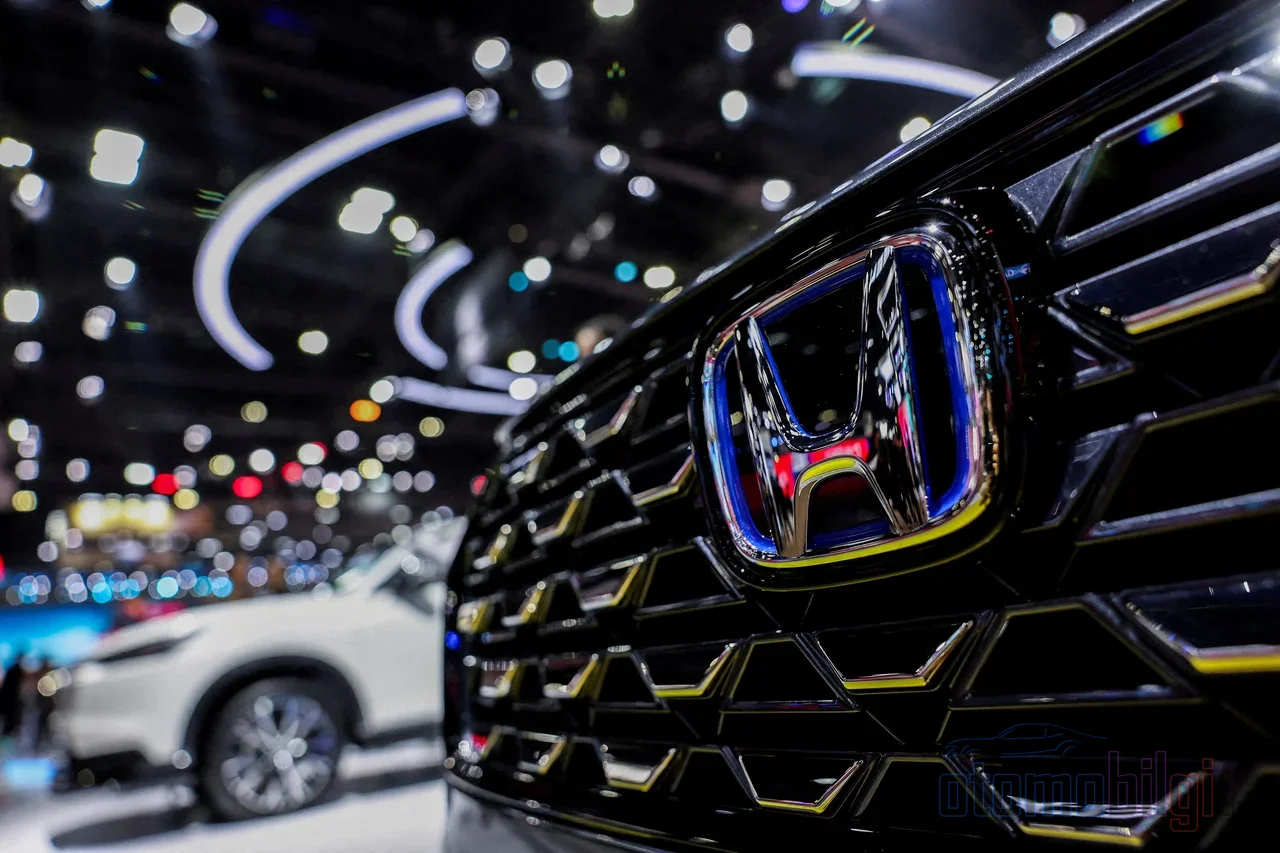
At a traffic light, the light turns green, the engine falls silent; the foot lifts off the brake pedal, and that expected little shudder never comes. In the middle of an intersection, as traffic piles up behind, the ignition doesn't respond. That, in short, is the picture US drivers have reported to the federal authority in recent months, and the numbers have now reached a point where NHTSA opened a new engineering analysis on the Honda front on Monday, November 16, 2026.
The question ahead is this: Why was this investigation, covering more than 1 million Honda and Acura vehicles, opened, what does it cover, and will it end in a recall?
Scope of the Investigation: 1,033,632 Vehicles and Five Models
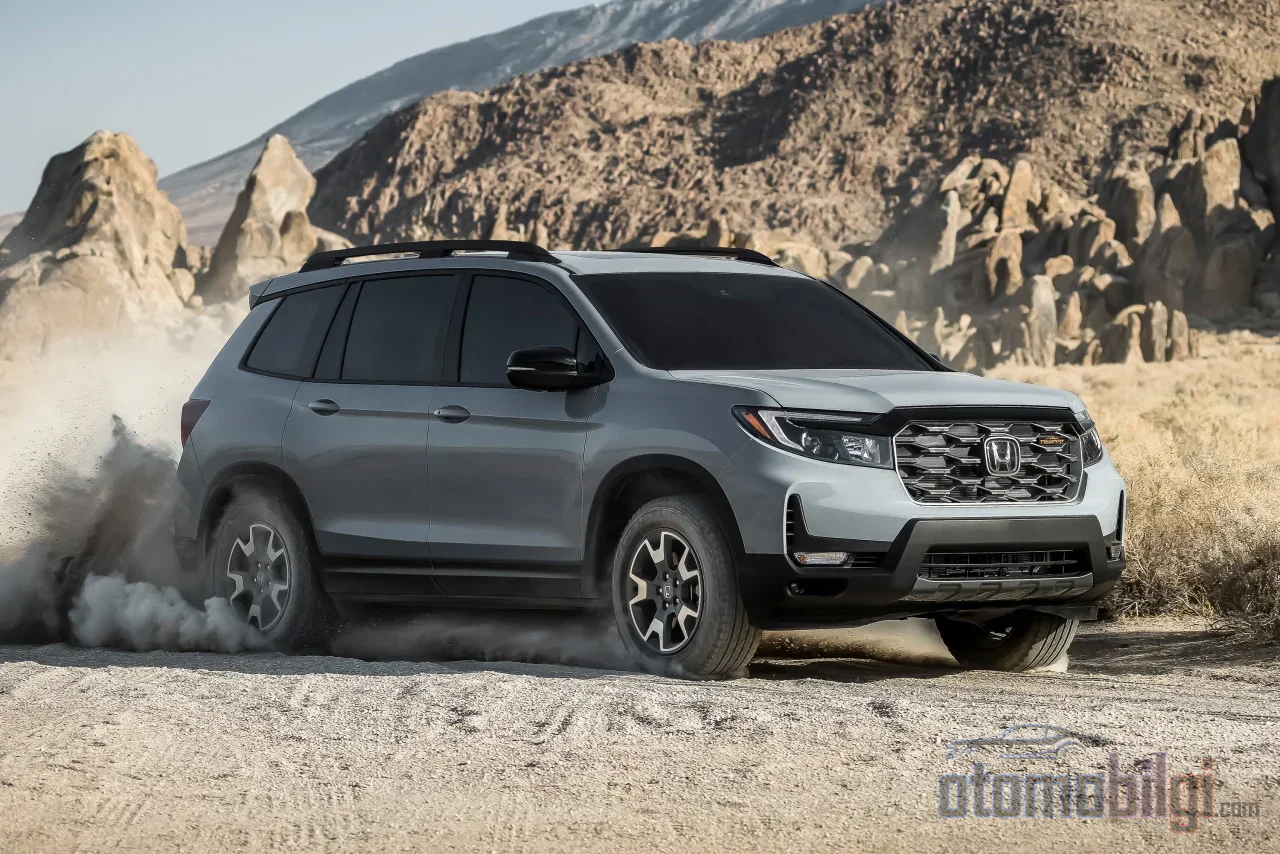
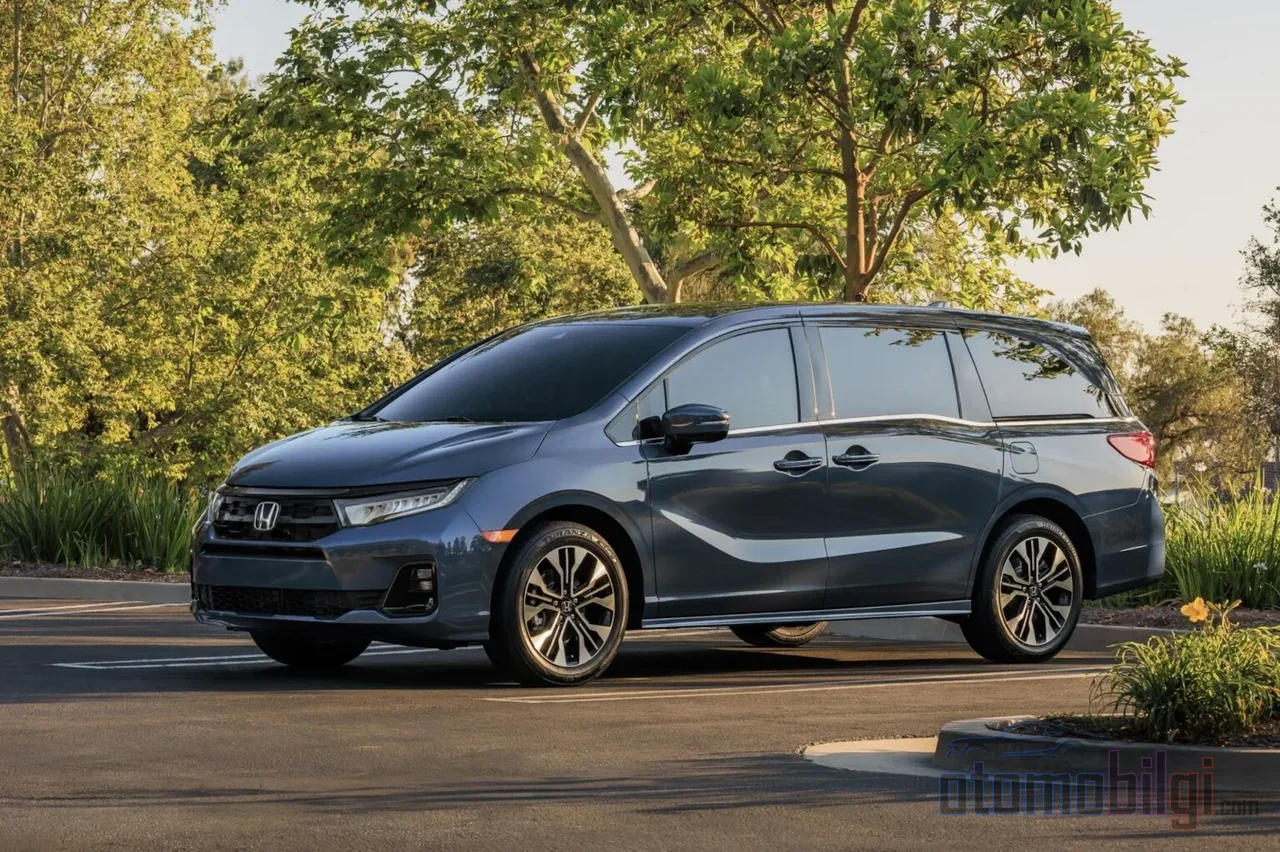
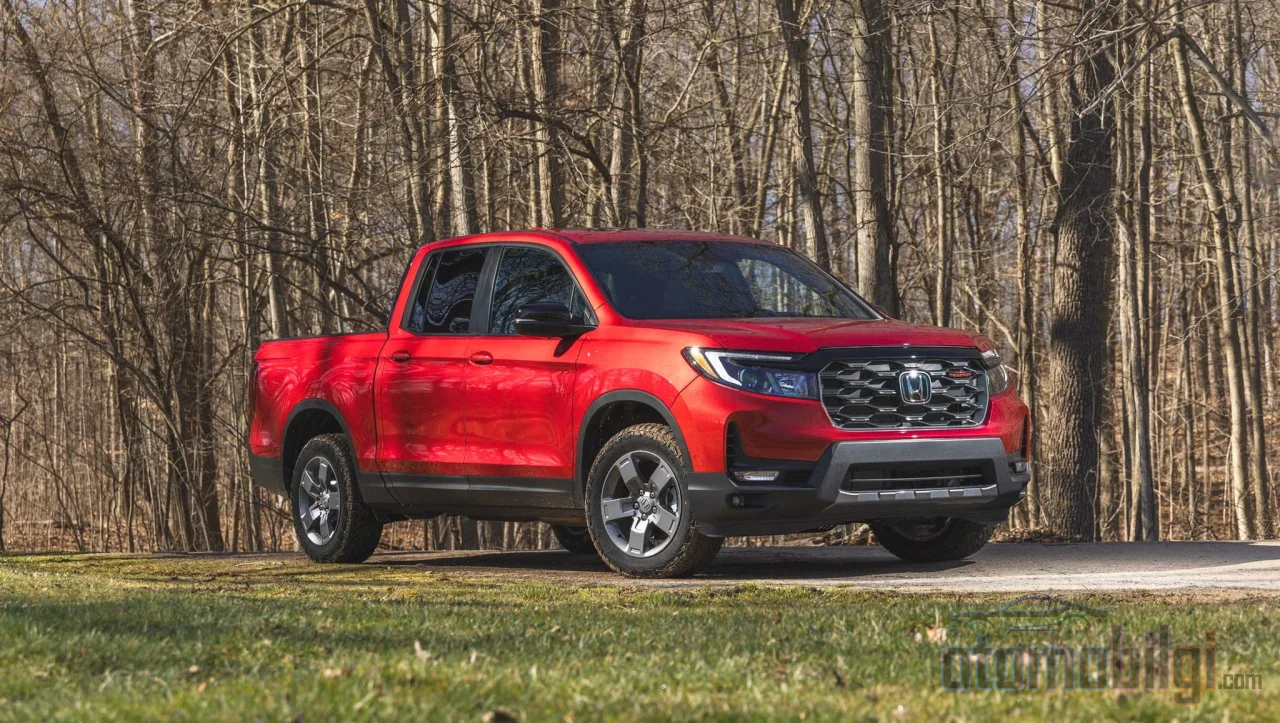
The US National Highway Traffic Safety Administration (NHTSA) has launched an engineering analysis into the automatic start-stop system across a total of 1,033,632 vehicles from the 2024-2026 model years: the Honda Odyssey, Passport, Ridgeline, Pilot and Acura MDX. The alleged fault can be summarized in one sentence: When Auto Start/Stop is active, the system that shuts off the engine when the vehicle comes to a complete stop at a light or intersection does not restart the engine when the brake pedal is released.
The agency has so far received 701 complaints on this issue. Some vehicle owners report that they were only able to restart the engine with a jump start, meaning a booster battery. So it appears the problem is not just a minor delay, and in some cases it leaves the vehicle completely stranded.
Highlights
- NHTSA opened an engineering analysis into the start-stop fault in 1,033,632 Honda and Acura vehicles
- Scope: 2024-2026 Odyssey, Passport, Ridgeline, Pilot and Acura MDX
- The agency has received 701 complaints so far; some drivers needed a booster battery
- An engineering analysis is the investigation stage in which a recall decision is made
- This is the second separate federal investigation opened into Honda's start-stop system
Why Does Start-Stop Become a Problem?
The logic of the start-stop system is simple: for fuel savings, shut off the engine when the vehicle comes to a complete stop, and restart it in a fraction of a second when the driver lifts their foot off the brake. On paper, a harmless, even beneficial mechanism. In practice, however, the system requires the starter motor, the battery, and the engine management software to work in flawless harmony; if any link in the chain weakens, the vehicle stops responding at the very moment it is needed most.
The common scenario in the complaints confirms this: a vehicle whose engine shuts off when stopped does not restart at the very moment it needs to move. The safety risk of a vehicle left stranded in the middle of traffic is not merely a comfort issue; that is why the matter has landed on the radar of NHTSA's defect investigation office.
The Second Wave: How Does It Differ from the Earlier Investigation?
Honda's start-stop issue was already on the agenda. In March 2025, NHTSA had upgraded the previous review to an engineering analysis covering approximately 2.2 million vehicles; that file contained more than 1,300 complaints, and the scope covered the 2016-2025 Pilot, 2018-2025 Odyssey, 2019-2025 Passport, 2020-2025 Ridgeline and the 2015-2025 Acura TLX models.
The new analysis, however, looks at the 2024-2026 model years, and although the two groups share the same vehicles except for 2026, it is being handled as a completely separate file. According to NHTSA, similar failure symptoms appear in both groups; but the vehicles in the new group point to different root causes and respond differently to repairs. In other words, Honda's two-stage service measure published in January 2023 had not worked on part of the first group; the agency had stated that it continued receiving complaints even from vehicles that had received the measures. Now on the table is a second problem whose root cause is not yet clear.
On Honda's side, the technical service network is active: the technical service bulletin the company issued for its field personnel, titled "Auto Idle Stop No Restart" concerning the Pilot and Ridgeline, shows that the failure is a known service topic. There is, however, no official company statement yet regarding the new investigation.
What Is Engineering Analysis, and Is a Recall at the Door?
NHTSA's defect investigation process works in stages: screening, preliminary evaluation where necessary, and engineering analysis, which is a deeper examination. The analysis stage is the point where a decision is made on whether the failure constitutes a safety defect and whether the manufacturer is obligated to carry out a recall. In short, today's step should be read as a precursor to a possible recall; but no recall has been decided yet.
An indicator of how this file might conclude also comes from Honda's own past: the agency's separate investigation into connecting rod bearing failures had resulted in the recall of more than 1.4 million Honda and Acura vehicles (including the Odyssey, Pilot, Ridgeline and MDX). A similar outcome is also possible for the start-stop file; but the process will not become clear until the analysis is completed.
A Busy Year for Honda: Other Investigations and Recalls
This investigation is the latest entry in Honda's difficult year in the US. Listing just the last few months gives the full picture:
- November 10, 2026: recall of 635,808 vehicles due to a software fault that could cut off steering assist and make the steering harder to turn
- July 2026: recall of 325,588 Odysseys due to a rearview camera that could fail in wet conditions
- June 2026: recall of 1,049,883 vehicles due to the risk of the sealing material cap detaching
- April 2026: recall of more than 440,000 Odysseys due to a software fault that could cause the side and curtain airbags to deploy without warning
When the still-open investigation into the connecting rod bearing file is added to this, the brand's safety agenda in the US is quite crowded. With these recalls, the company is showing that it takes responsibility; the real question is what outcome the new start-stop analysis will close with.
What Should an Owner of a Covered Vehicle Do?
The roadmap is clear for drivers who own one of the models sold in the 2024-2026 model years. The experienced fault can be reported through the NHTSA's "Report a Safety Problem" page or via the vehicle safety hotline at 888-327-4236; each new complaint expands the picture the agency has on hand. Taking the vehicle to a service center ensures that the incident is recorded in the service log. Checking via the NHTSA recall page using the VIN number is the most practical way to track the file as it progresses.
In summary: NHTSA is examining the claim that the start-stop system fails to restart the engine in 1,033,632 Honda and Acura vehicles, at the engineering analysis stage where the recall decision was made. The fact that the connecting rod bearing file ended in a recall suggests that a similar outcome may be at hand this time as well; but the official decision will wait until the analysis is complete.
Sources
- NHTSA ODI Investigation Document INOA-EA25004-10033
- Honda TSB: Pilot/Ridgeline Auto Idle Stop No Restart (NHTSA)
- Resources Related to Investigations and Recalls (NHTSA)
- US opens probe into more than 1 million Honda vehicles over auto stop-start failures (Reuters)
- NHTSA investigating more than 1M Honda vehicles over stop-start failures
- NHTSA is probing more than 1 million Hondas over stop-start engine failures
- NHTSA investigation of Honda's auto start/stop feature upgraded to engineering analysis
- Honda to recall more than 600,000 US vehicles over steering assist (Reuters)
- NHTSA Investigating 1.3 Million Honda Pilots, Passports, Odysseys, Ridgelines