Who Is Responsible for HGS and Toll Debts After Selling Your Vehicle?
Share This Page
The signatures were done at the notary, the money changed hands, and the vehicle went to its new owner. A few weeks later, a text message arrives on your phone, creating that sudden cold-shower effect most sellers have experienced at least once in their lives: a toll violation fine issued for your old car's license plate. So whose debt is this? As someone who has breathed car dust all my life, let me tell you: I have been in this business for thirty years and I still hear the same question every week. Although the answer seems simple, if you do not know the details, the figure coming out of your wallet can be bigger than you think.
HGS Is Tied to the Plate, and the Fine Comes to the Plate
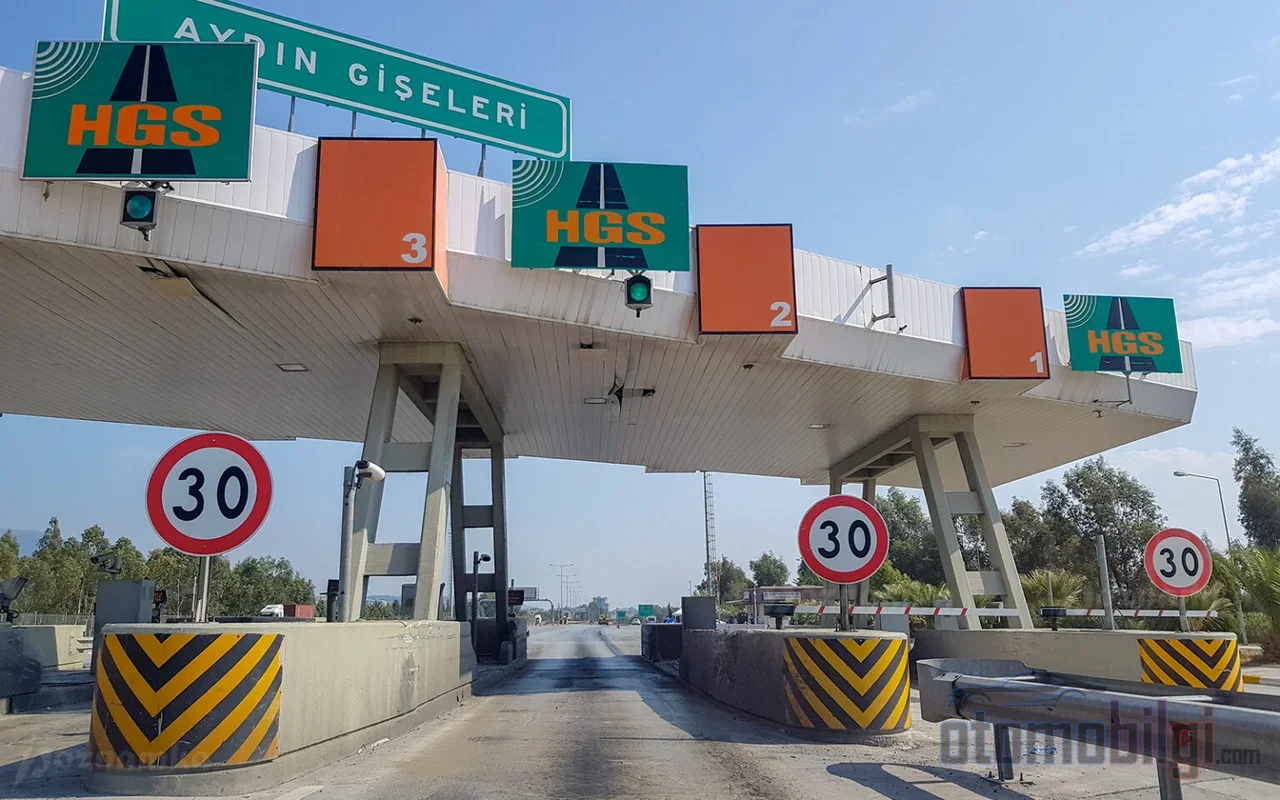
First, let us recall the logic of the system. HGS charges through a single account assigned to the plate; the sticker attached to your windshield is merely a carrier that enables the crossing to be read. Moving the sticker to a different vehicle is not compliant with the system. If the sticker is not read at the crossing, there is no need to panic; the toll amount is still collected through the sticker by plate identification. In other words, the system always sees the plate, not the sticker.
This technique has a direct consequence on the sales side: if you do not cancel your HGS subscription when you sell your vehicle, every crossing made by that plate continues to be charged to your account. The plate passes to the buyer along with the vehicle, but the account remains open in your name. In the past, the only address for this procedure was the PTT branch; today, most things can be handled from a screen. This convenience must be considered together with the fact that fines received after the sale are no longer accepted as an excuse.
Key Highlights
- HGS crossing debts incurred before the sale date are the seller's responsibility.
- If the toll for a violation crossing is not paid within 15 days, a fine of 4 times the toll is imposed.
- For HGS purchased through PTT, plate reset can now be done via e-Devlet.
- The registration transfer cannot be completed without paying the MTV and traffic fine debts written to the plate.
- The objection period for the fine is 15 days from notification.
Who Is Responsible for HGS and Crossing Debts? Before and After the Sale Date
Here is the heart of the matter: after selling your vehicle, who bears the HGS and crossing debts? The fundamental principle in practice is to look at the date. Crossing fees and violation crossing fines accumulated until the day the sale was formalized before the notary belong to the seller; these debts arose during the period when the vehicle's former owner was using it, and the new owner should not be held responsible for them. The same logic applies to traffic fines: the former owner cannot be held responsible for a violation committed by the new owner or driver after the sale date, and the new owner is also the one responsible for accidents occurring after the notarized sale.
However, practice does not always maintain this clarity. There are cases where unpaid HGS debt is considered attached to the vehicle and passed on to the new owner; debt written to the plate can be pursued when the vehicle changes hands. Since the practical application of the legal framework in this area is not equally clear in every concrete case, the safest path for both parties is to clear all debts before the sale. A clause in the contract stating that debts incurred before the sale date belong to the previous owner is a good safeguard, but it does not always take precedence over administrative practices.
The limits set by law on transfers extend only this far: Under the Traffic Law, any sale and transfer of the vehicle is conditional on there being no outstanding motor vehicle tax registered to the plate and no traffic fine debt. In other words, a vehicle with outstanding MTV or traffic fine debt cannot be sold; the tax debt can be restructured, but the notary transaction cannot take place until the debt is settled.
Composition of the Fine: The Fee, Fourfold Penalty, and Interest
The figure that worries sellers most is how the fine grows. The rule that applies to a toll-violating passage is this: if the toll fee is paid within 15 days, no penalty is incurred. If it is not paid, a penalty of four times the fee is imposed. Considering that highway toll fees are updated during the year with the revaluation rate, that a 25.49 percent increase was applied to bridge crossings at the start of 2026, and that an additional hike came in July, it is easy to predict how quickly the fourfold multiplier inflates even a small amount. 1. For a Class 1 vehicle, a crossing that costs 55.00 TL between Kinah and Silivri can turn into a very different picture when not paid on time.
There is also an interest dimension. Interest can be applied to highway toll debts that go unpaid on time; criticisms have been voiced that this practice, although lawful, is not fair. The legal interest rate is 31 percent per annum as of July 31, 2026; on long-overdue debts, the effect of this rate can reach serious dimensions. For those who learn of the fine within 15 days of notification and are considering an objection, there are two options: an application for correction to the administration, or an application to the magistrate's criminal court against a fine that has not yet become final. The system identifies vehicles by plate, which means unreadable tags are also charged to your account; this is precisely the material for your objection petition.
Steps to Remove the HGS Plate Before and After the Sale for the Seller
The way to avoid this situation lies in a few small tasks timed to the day of the sale. The classic method is as everyone knows it: You go to the PTT branch and fill out the HGS cancellation form. However, in practice, the renewed system no longer requires a branch visit; for open and card-type HGS products purchased through PTT, a plate reset application can be made via e-Devlet. The name of the service is also self-explanatory: HGS Plate Update / Plate Reset Application.
The steps to be taken in order are roughly as follows:
- When the notary day of the sale arrives, make sure all crossings matching the vehicle's plate have been reflected in the account; crossings still in transit may appear on the list a few days later.
- Request the removal of the plate from your card via the plate reset application on e-Devlet; if necessary, you can also use the cancellation form route at a PTT branch.
- Follow up on the refund of the remaining balance; it should be known that the balance is not returned to your account immediately.
- Cancel your current traffic insurance and request a refund of the unused premium.
- Query and settle any motor vehicle tax and traffic fine debts registered to the plate before the transfer; the registration transfer cannot be completed until these are paid.
A delay in the refund of the remaining balance is a minor annoyance, but not removing the plate from the card is no minor annoyance; every toll crossing the buyer makes is charged to your account, quadruples when unpaid, and swells with interest. A five-minute procedure on the day of sale is preferable to months of correspondence.
The Buyer's Side: New Account, Insurance Period, and Pre-Transfer Checks
There is another side to the coin. The buyer who takes over the vehicle is obliged to obtain their own HGS product after the registration has been put in their name; applications are made to the PTT or banks with the registration certificate and ID, and the vehicle class and plate details are entered into the system during the application. It is also essential to use a tag appropriate to the vehicle class; a class mismatch leads to both fee errors and penalties. Some banks require an account within their own institution or a credit card belonging to the bank for the HGS application; do not overlook this detail when making your choice.
Another date the buyer should write on the calendar is the day of the transfer. The seller's existing traffic insurance is valid in the buyer's name for only 15 days from the transfer date; a buyer who does not take out their own policy within this period is left uninsured. Valid insurance is already mandatory at the notary during the transfer; without a policy, the notary will not carry out the registration transfer. The buyer should also make a habit of checking crossings and debts before the sale to avoid encountering HGS debts belonging to the previous owner; a plate-based query can be done through e-Devlet.
Transfer Documents: Points Where the Seller Protects Themselves

Thirty years of experience can be summarized in one sentence: anything you put in writing during the sale cannot later be used against you. Before the transfer, be sure to check the vehicle for motor vehicle tax and traffic fine debts that could obstruct the sale; selling a vehicle is not merely a price agreement - it is a notarial procedure and a registration of debt-free status. Being at the notary together with the buyer speeds up the process; if a power of attorney is to be used, it must contain authority specific to the sale. Review the buyer's identity details before the sale, and be cautious on the payment side against the risk of blocked transfers.
One of the main building blocks of payment security is the Secure Payment System: before starting the sales transaction at the notary, the parties must choose and register with one of the intermediary institutions integrated into the system. For a vehicle with a lien, the loan debt is settled first and the lien is removed. It is also worth knowing one unfortunate fact: if the sale price is not paid after the transfer is made at the notary, the vehicle does not automatically return to the previous owner; that is why clarifying the payment arrangement before the transfer is far better than chasing compensation later.
Conclusion: Two Dates, Two Responsibilities
The answer to the question can be compressed into two dates. HGS toll fees and penalties accumulated up to the day the sale becomes official belong to the seller; the party responsible for violations after this date is the new owner of the vehicle. MTV (motor vehicle tax) and traffic fines registered to the plate, on the other hand, are debts that block the transfer and must be settled before the notary transaction. Since there are also practices where an unpaid HGS debt remains attached to the vehicle and can be imposed on the new owner, the most reliable solution is the same for both parties: zero out past debts on the day of sale, remove the plate from the seller's account, and let the buyer open their own account in their own name. The system recognizes you by your plate; and as long as you keep your plate's history clean, no one reads it from your account.
Sources
- HGS - General Directorate of Highways
- HGS Plate Update / Plate Reset Application - e-Devlet
- Safe Payment System - Türkiye Notaries Union
- Highway and Bridge Crossing Fees - KGM
- Transfer of Motor Vehicle Ownership, Registration and External Transfers - DergiPark
- You Sold Your Car But Traffic Fines Still Come to You - Can Öztürk (Attorney)
- HGS Violation Passage Fine 2026: The 15-Day Rule and Objection - Hukukçular Evi
- Objecting to HGS Fines - Vignetim
- How Much Is the 2026 HGS Violation Fine? - Sigorta Yeri
- Legal Interest Rate 2026 - Murat Akman
- Can a Vehicle with Tax and Fine Debts Be Sold? - Hesap Kurdu
- Transfer and Notary Procedures in Vehicle Sales - Borusan Next
- How to Sell a Vehicle at the Notary - Sigortam.net
- What Happens to HGS After Selling Your Vehicle? - Arabam.com
- HGS | Frequently Asked Questions - Ziraat Bankası
- How to Apply for HGS - VakıfBank Blog
- HGS Debt Inquiry, Payment and Application - Garanti BBVA
- Bridge and Highway Crossing Fees 2026 - Sigortam.net
- 2026 Bridge and Highway Fees - İş Bankası
- What Is HGS and How to Check It - Yapı Kredi