Dodge Returns to NASCAR Cup with the Daytona 500
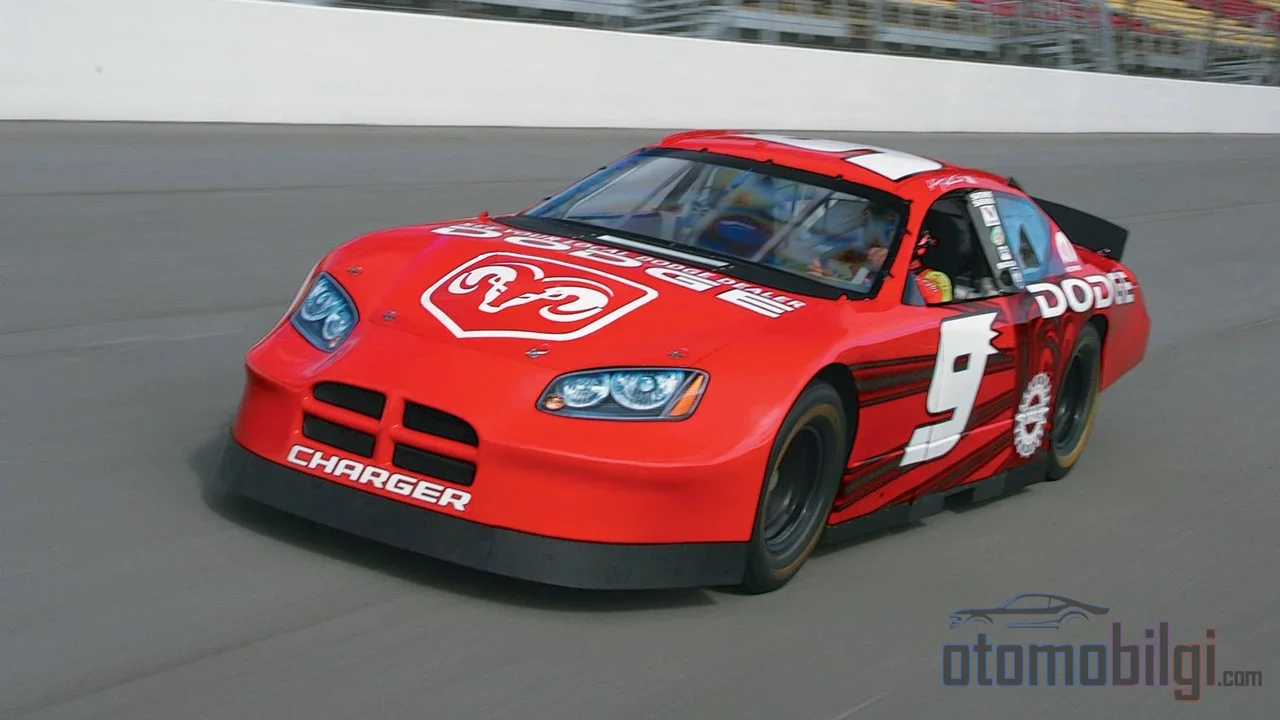
The NASCAR Cup Series grid has had only three manufacturers for seventeen years: Chevrolet, Ford and Toyota. A name ready to break up this trio is waiting at the door: Dodge. Multiple sources close to the matter say the brand, which left the series at the end of 2012, is very close to completing a deal to return to the Cup with the Daytona 500 to be run on February 21, 2027. The official signature has not yet been made; but the pieces are falling into place one by one - the team, the engine supplier and the timeline.
When and how will Dodge's return to NASCAR happen?
The plan currently looks clear: Dodge aims to be on the grid at the Daytona 500, the first race of the 2027 season. This will be the brand's first Cup race since its departure in 2012. However, there is a subtle detail in the story: The Stellantis side initially considered 2028; people close to the company had considered a later date safer due to the prevailing belief that 2027 was impossible. Negotiations that progressed through the summer months and an accelerated breakthrough moved the schedule up by one season.
The cornerstone of the return was laid not in July 2025, but in June 2025: Stellantis announced that its sister brand Ram would return to the Craftsman Truck Series in 2026. Kaulig Racing took to the grid with five trucks alongside Ram at Daytona in 2026. This third-tier move was the first step on the road to the Cup. Even so, as of November 2026 there are about four months until Daytona, and the calendar is as tight as everyone acknowledges.
Highlights
- Targeted return date: February 21, 2027, Daytona 500
- Dodge left the Cup Series at the end of the 2012 season
- Team partner: Kaulig Racing, keeping its two-car charter
- Engine supplier: ECR Engines, with a fully original engine
- NASCAR's estimated fan base: 20 million, with an average of 2.4 million TV viewers per race
Kaulig Racing and ECR Engines: The anatomy of the collaboration
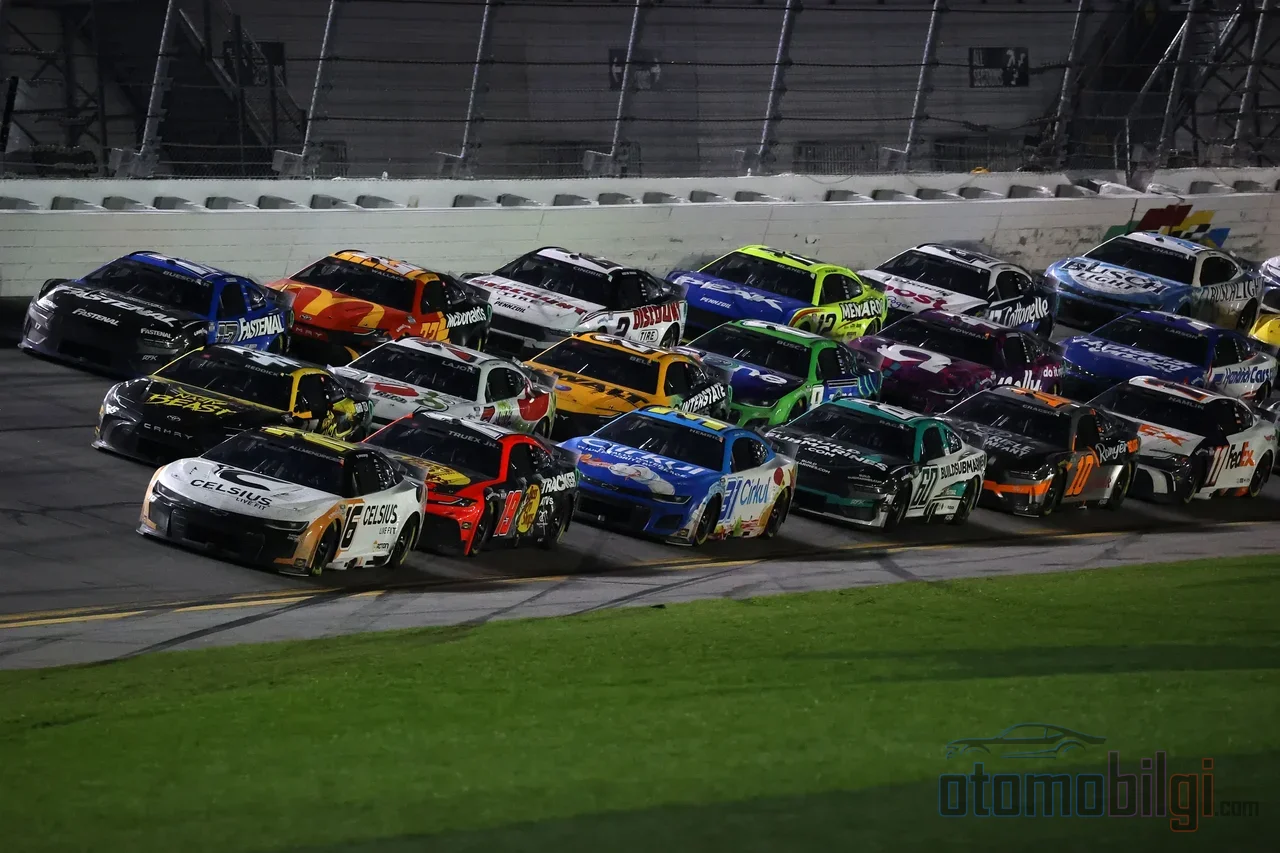
Two names are at the center of the return plan: Kaulig Racing and ECR Engines. Kaulig will convert its current two-car Chevrolet Camaro entry in the Cup to Dodge and will keep its two-car charter. This is the product of either a success story or a careful engineering calculation: When Kaulig signed the Truck Series deal with Ram in 2026, the Chevrolet side lost its engine support - including data sharing and simulator access - from RCR. As one door closed, another opened.
The engine side is more complicated. Unlike the Truck Series, there is no shared spec engine in the Cup Series; each manufacturer fights its own engine war. Dodge is reaching an agreement with ECR Engines, owned by Richard Childress Racing. However, a critical condition is at play here: ECR must produce a technically original engine for Dodge from scratch. The option of simply slapping a new label on a Chevrolet engine is not on the table. Moreover, Chevrolet, Ford and Toyota gave this approval only on the condition that ECR would be a temporary bridge solution - until Dodge established its own engine program. Housing two rival manufacturers' engines in the same workshop is one of the unusual situations in Cup history.
Is a four-month calendar really enough?
Kaulig's top executive Chris Rice summarized earlier this year how this works in practice: 18 months is considered standard for programs of this type; if six months can be found, it counts as luck. The time remaining until Daytona is less than even that. Still, the technical side of the project was accelerated: Dodge completed its first wind tunnel tests before summer and secured its engine supplier. The proposed Charger-based race car is also going through the wind tunnel process. The name of the car that will line up alongside the Camaro, Mustang and Camry currently racing in the series has not yet been officially announced.
From 2012 to 2027: Dodge's NASCAR story
Dodge's NASCAR relationship doesn't begin in 2027; it goes all the way back to 1969. The Charger Daytona that hit the tracks that year was the first stock car to break the 200 mph (approximately 322 km/h) barrier at Talladega. With Chrysler Engineering's No. 88 car, Buddy Baker went down in history on March 24, 1970, as the first driver to exceed 200 mph in NASCAR history. The brand's engineering heritage also carries the emotional foundation of today's return plan.
Looking at the modern era, Dodge returned to Cup with the Intrepid in 2001 and raced with the Charger from 2008 onward. At the end of the 2012 season, the brand withdrew its factory support from all NASCAR series. That parting came not with devastation, but with a proud finale as it was: Brad Keselowski from Penske Racing won the 2012 Cup championship with Dodge - this was the brand's first Cup championship since 1975. Withdrawing from the top is one of the rarely seen scenes in automotive history.
Its impact on manufacturer competition: The road from three to four
A fourth manufacturer coming to the Cup Series doesn't just mean a new logo on the grid. For those looking at the charter system, the scale of value is striking: A NASCAR charter is valued at approximately 100 million dollars and the series tends to preserve the current 36 charters. Kaulig keeping its charter by converting it to Dodge is a solution consistent with how this system works.
On the competition front, reactions are cautious but positive. Ford Racing's head Mark Rushbrook states that he welcomes Dodge's return and that Ford doesn't just sell the Mustang in NASCAR, it also sells trucks - meaning for manufacturers, the calculation here connects directly to showrooms. NASCAR, with a fan base of about 20 million and an average of 2.4 million TV viewers per race, is America's most-watched motorsport; no manufacturer can dismiss this showcase. On the brand side, a symbolic step has already been taken: Dodge is returning to its V-8 roots with the supercharged V-8 Charger SRT Hellcat, expected to begin production toward the end of 2027, with a 6.2-liter displacement and a projected output of 700+ hp. The race program and the product strategy are looking in the same direction.
Uncertainties and risks
The picture has its shadows as much as its bright side. No official announcement has been made yet; NASCAR is avoiding commenting on the matter. The risk of slipping back on the calendar - the possibility of a season-long delay - is still on the table. ECR running two rival engines under the same roof is an unprecedented situation, and this arrangement is limited to Dodge's transition to its own engine program. All of this shows that the agreement rests on serious technical and institutional balances before the final signature.
In summary: A nearly certain, but unsigned return
The clear answer known so far is this: Dodge, according to sources, is very close to finalizing an agreement to return to the NASCAR Cup Series with the Daytona 500 on February 21, 2027, with two Kaulig Racing cars and engines supplied by ECR Engines; while an official announcement is awaited, the calendar, suppliers, and manufacturer approval are largely ready. After a seventeen-year absence, the brand carrying the 200 mph legacy of 1969 returning to a four-manufacturer Cup grid no longer seems like a possibility but a matter of time - and time in NASCAR has never always been predictable.
Sources
- Dodge close to finalizing 2027 return to NASCAR's Cup Series - The Athletic
- Mission Impossible: Dodge may return to NASCAR Cup as soon as 2027 - The Detroit News
- Dodge Is Finally Coming Back To NASCAR: Report - Yahoo! Sports / Motor1
- Dodge nearing return to NASCAR Cup Series - Jayski
- Ford Racing Boss Welcomes Dodge To NASCAR Cup Series - Ford Authority
- 2027 Daytona 500 - Daytona International Speedway
- Dodge Charger Daytona - Wikipedia