NASCAR Announces New Format for the 2027 Clash
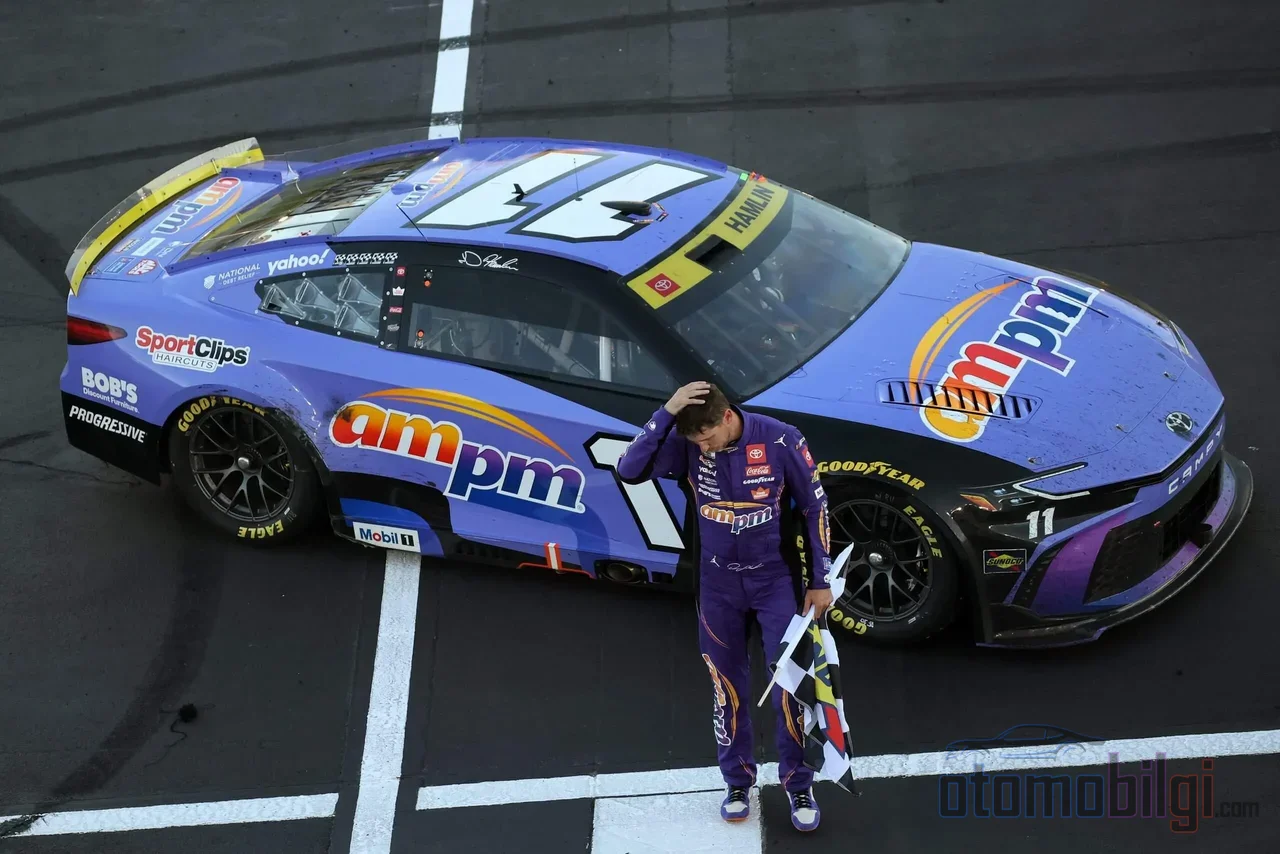
NASCAR announced the expected format for the Clash, the opening exhibition race of the 2027 season, on Wednesday, November 18, 2026, and the announcement brings a much simpler structure than anticipated. The event will be run on the 2.5-mile oval of Daytona International Speedway on Saturday night, February 13, 2027; the field will be limited to a maximum of 22 cars. However, the real issue is less the race itself than the question of who will be there and who cannot be: The Clash seat has been redefined not as an invitation, but as an entitlement earned during the 2026 season.
Where and When Will the Clash Be Run in 2027?
The 2027 Wheatley Vodka Clash will get underway at Daytona on Saturday night, February 13, 2027, as a non-points season-opening exhibition. The race serves as the opening act of the full February program known as Speedweeks presented by AdventHealth, which culminates with the Daytona 500. The program continues with Daytona 500 qualifying on February 17, the Duel at Daytona on February 18, and the 69th Daytona 500 on February 21. In other words, the Clash is the traditional rehearsal itself, opening the stage under the lights eight days before the biggest race of the season.
The event will be broadcast on FOX Sports screens; the start time will be announced at a later stage. There is also clarity on the sponsor side: Wheatley American Vodka, as the series' official vodka brand under a multi-year partnership with NASCAR, lends its name to the event.
Highlights
- The Clash will be run at Daytona International Speedway on Saturday night, February 13, 2027
- The race is 70 laps, with the field limited to a maximum of 22 cars
- There is a yellow flag period with a mandatory four-tire change on lap 30
- Qualifying is in a two-lap format including a pit stop; speed potential above 200 mph
- Entry rights are granted to 2026 winners and former Daytona 500 and Cup champions
The 70-Lap Race Format and the Mandatory Pit Yellow Flag
The race itself largely follows a classic sprint structure: 70 laps, one yellow flag, and the checkered flag. The critical detail is the mandatory yellow flag period coming on lap 30. During this yellow flag, all teams in the field are required to make a pit stop including a four-tire change. In other words, pit road work will carry an unusually decisive weight in the fate of the race.
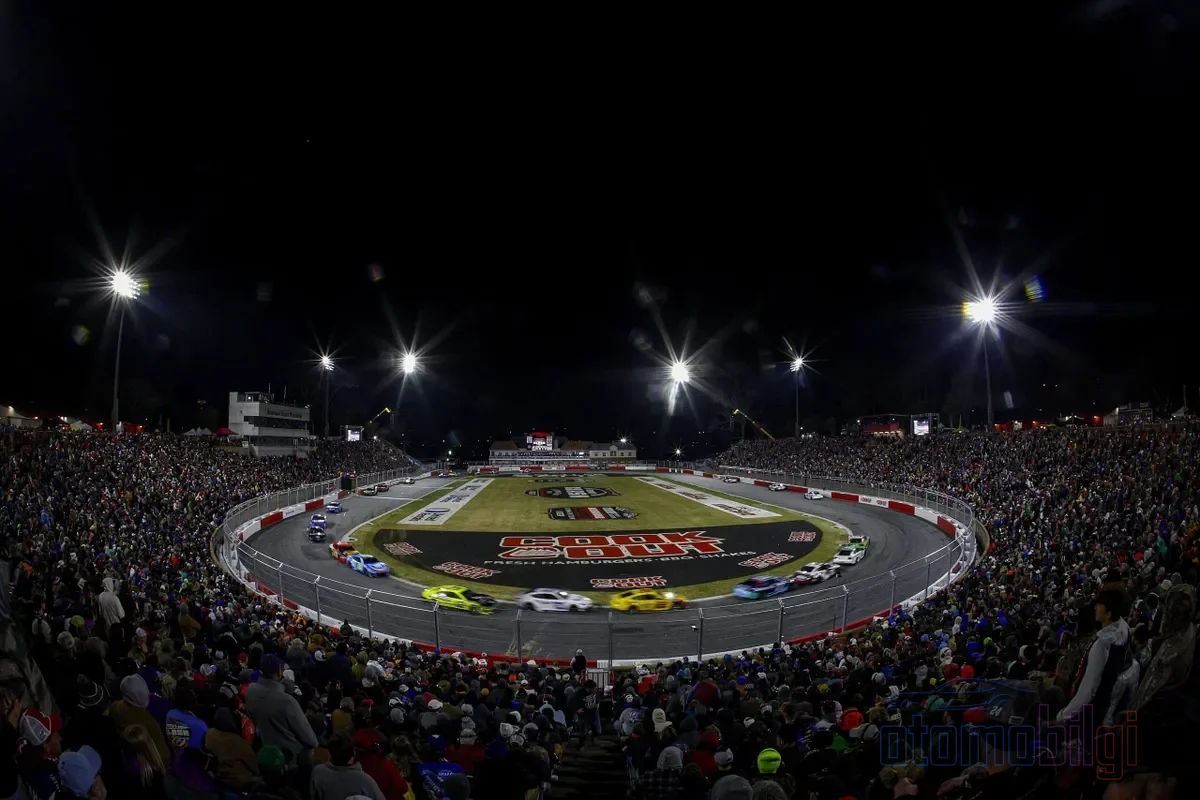
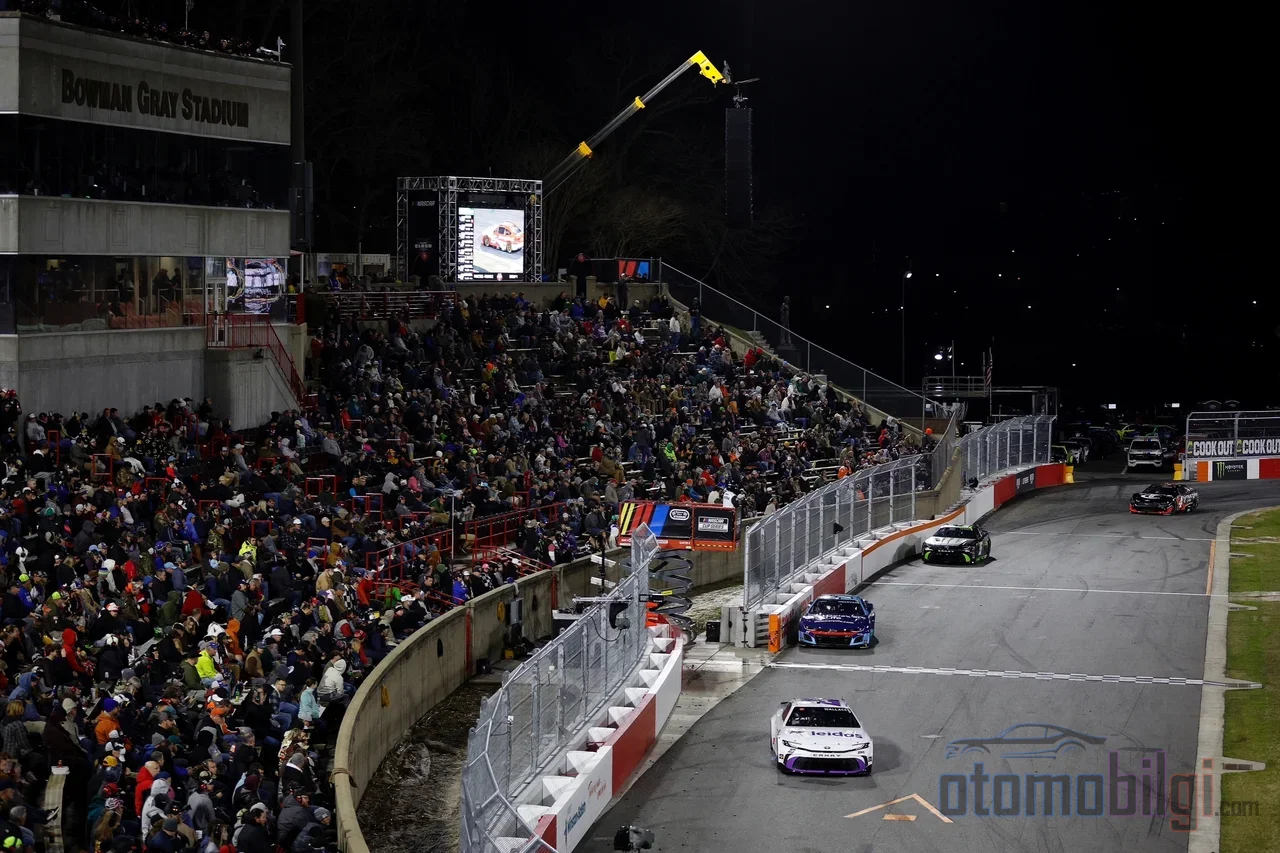
For those who have followed the exhibition events of recent years, the difference of this structure is immediately apparent. During the Bowman Gray Stadium and Los Angeles Coliseum eras, the format was based on a multi-layered qualifying ladder consisting of group practices, heat races, and last chance races. In 2027, this ladder is being removed, replaced by a single-piece, easy-to-follow race day. NASCAR's choice of simplicity in an era of overly complex exhibition formats is, in itself, a topic of commentary.
The New Qualifying Format: Two Laps Blended with a Pit Stop
The most technical innovation of the announcement is in qualifying. Teams will be able to use different chassis setups for qualifying and the race. According to NASCAR's simulation models, this flexibility makes it possible for speeds in single-car qualifying runs to exceed the 200 mph threshold. Only once in history has a qualifying lap over 200 mph been run at Daytona; that's a sufficient indicator to gauge the potential show of the 2027 qualifying.
How Will Qualifying Work?
The format consists of two laps and works like this: after drivers complete the first full green flag lap, they enter pit road, obey the pit speed limit, stop in their own box, the team completes a four-tire pit stop with simulated fuel, and the car crosses the finish line on pit road to complete the lap. Ranking will be determined by the total time elapsed from green flag to checkered flag. A pit speed limit violation or a pit stop error will result in a time penalty; meaning qualifying is a test not only of driver speed but also of the pit crew's split-second craftsmanship.
This structure means bringing the pit stop qualifying approach trialed in All-Star races to the Clash. For drivers, the risk is clear: an aggressive pit entry or a rushed tire change can burn the entire lap.
Who Can Enter? Entry Criteria Have Become Clear
The field has been narrowed down to four categories: the pole position winners of the 2026 NASCAR Cup Series, 2026 race winners, former Daytona 500 winners racing full-time in 2026, and former Cup Series champions who are also full-time in 2026. This set of criteria gives a nod to the original spirit of the Clash, which once opened its doors only to the fastest qualifiers of the previous season - to that first edition born in 1979 as a 20-lap, 50-mile sprint run with a field of 9 cars. It's not a return to pole winners only, but the idea that a seat in the event is not an automatic right but a place to be earned is being revived.
One more exception has been added to the list: Dodge was granted a manufacturer provisional (OEM provisional) for a driver racing full-time in the Kaulig Racing program. This provisional is the final link completing the field at 22 drivers; Kaulig will give this right to either AJ Allmendinger or Ty Dillon.
The 22-Driver Invitation List
Based on the criteria, the names entitled to the Clash rank as follows:
- Christopher Bell (2026 pole position and race winner)
- Ryan Blaney (pole position, race winner, former champion)
- Chase Briscoe (pole position and race winner)
- William Byron (2026 race winner, former Daytona 500 winner)
- Ross Chastain (2026 pole position winner)
- Austin Cindric (former Daytona 500 winner)
- Austin Dillon (former Daytona 500 winner)
- Chase Elliott (2026 race winner, former champion)
- Ty Gibbs (pole position and race winner)
- Denny Hamlin (pole position, race winner, former Daytona 500 winner)
- Corey Heim (2026 race winner)
- Carson Hocevar (pole position and race winner)
- Brad Keselowski (former champion)
- Kyle Larson (2026 race winner, former champion)
- Joey Logano (pole position, race winner, former Daytona 500 winner, former champion)
- Michael McDowell (former Daytona 500 winner)
- Ryan Preece (2026 race winner)
- Tyler Reddick (pole position, race winner, former Daytona 500 winner)
- Ricky Stenhouse Jr. (former Daytona 500 winner)
- Daniel Suarez (2026 race winner)
- Shane van Gisbergen (pole position and race winner)
- Dodge full-time driver (AJ Allmendinger or Ty Dillon)
The list is a snapshot summarizing the current balance of power in the NASCAR Cup Series: Bell, Briscoe and Gibbs from Joe Gibbs Racing; Blaney and Logano from Team Penske; names like Reddick from 23XI Racing - not just meeting one criterion, most qualify under two, and Logano even appears on the list with four separate claims.
From the Coliseum and Bowman Gray to Daytona: The End of a Long Journey
The Clash's return to Daytona closes out an eight-year journey. Due to the pandemic effect, the event was run in 2021 on Daytona's road course layout, and from 2022 to 2024 it moved to the Los Angeles Memorial Coliseum for three years; the last two years it was held at Bowman Gray Stadium in Winston-Salem. The last Clash on the 2.5-mile classic oval had been run in February 2020.
The memories of the past two seasons are still fresh: Ryan Preece won the 2026 Clash at Bowman Gray, and the race, twice postponed due to heavy snow, could only be run three days after its original date. Track management ties the return decision to fan demand; Daytona president Frank Kelleher states that fans have spoken and the Clash's return to Daytona has clearly been requested, and that there could be no better way to open Speedweeks than under the lights at the World Center of Racing.
Why the Format Matters: Rereading the Season Opener
In summary, the 2027 Clash will be run at Daytona on Saturday night, February 13, over 70 laps and with a maximum of 22 cars; 30. 30 will be the race's strategic breaking point, while the two-lap qualifying with a pit stop will determine the starting order. Entry is limited to drivers who won pole position or a race in the 2026 season, full-time former Daytona 500 and Cup champions, and the Dodge manufacturer quota.
The answer to how this structure will affect the view of the season lies on two planes. First, viewing habits: instead of a stretched-out evening with heat races and last-chance qualifiers, a clean Saturday night program with single elimination and a single race is coming. Second, the competitive plane: the reduced field will reveal, even in the season's first race, the verdict of a winter preparation period spent on the edge of elimination. The qualifying laps based on the 200 mph limit could become the first real test, on the technical side, of the confidence teams built in simulation.
To put it as someone who has been in this business for thirty years: exhibition races rarely say so much with so little. NASCAR seems to have borrowed simplicity for itself, and on the night of February 13, under Daytona's lights, we will see how well it works.
Sources
- Clash returns to Daytona in 2027 as Saturday night race
- NASCAR Sets Format for 2027 Daytona Clash; 22 Drivers Eligible
- NASCAR Announces Major Changes to 2027 Clash at Daytona
- NASCAR announces 2027 Clash format
- 2027 Clash at Daytona: NASCAR Updates Field, Qualifying and Race Format
- NASCAR Announces 2027 Clash Format
- NASCAR Sets Clash Entry List And Format For Return To Daytona
- NASCAR sets format for 2027 Clash at Daytona, 22 drivers eligible