Does a Missing Spare Key Lower a Car's Sale Price?
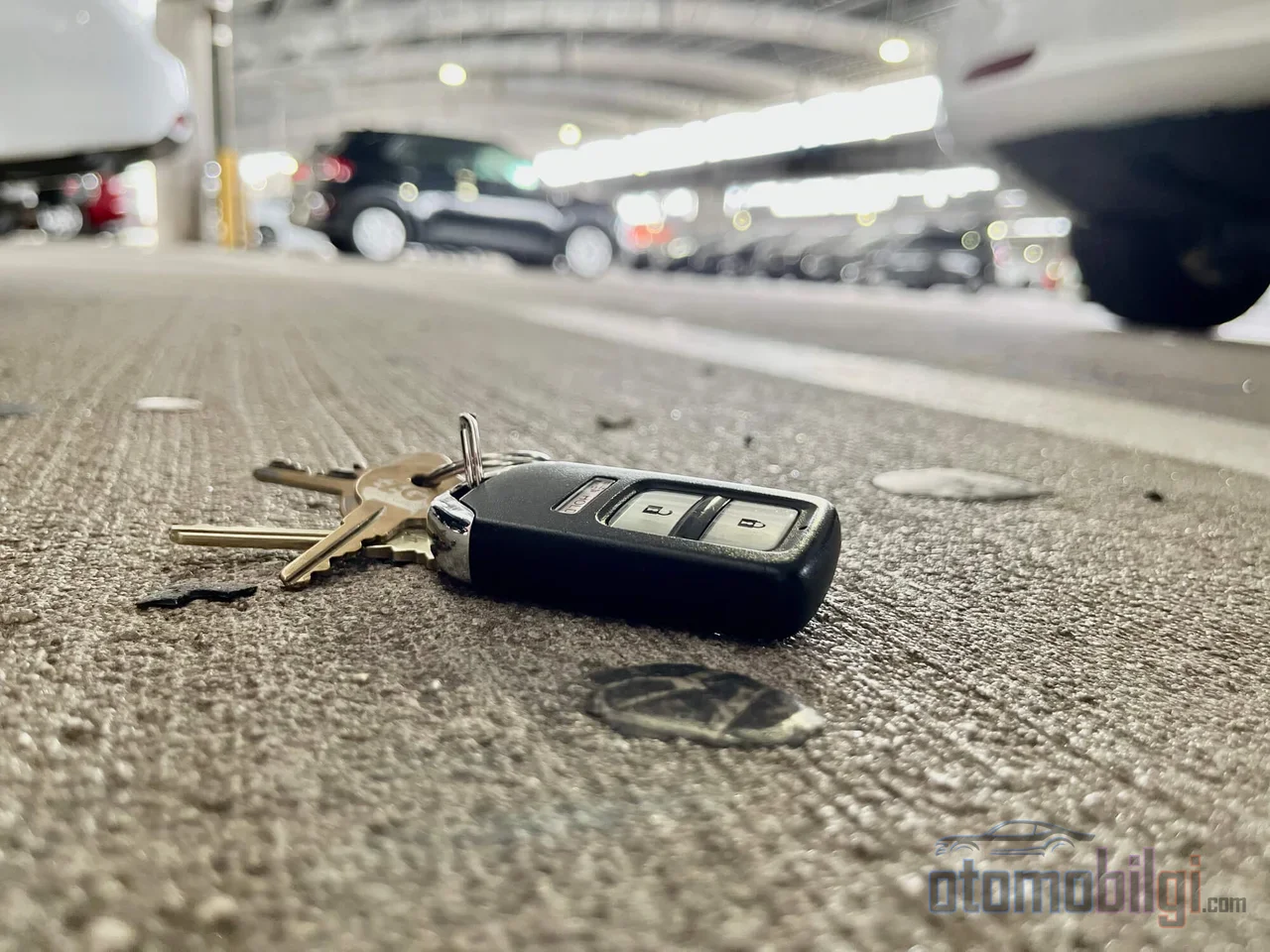
One of the most frequently repeated sentences in used car listings: "spare key and manual booklet are included." Since the very existence of this sentence is itself a bargaining chip, what does the absence of a spare key cost you at the negotiating table? While many sellers scrutinize their car down to its paintwork and accident records, they fail to consider that the single key in their pocket can be a concrete leverage point on the price. Yet this small piece touches directly on both the buyer's negotiation strategy and comprehensive insurance processes.
In this article, we cover what happens to the price, buyer trust, and post-transfer safety of a car sold without a spare key, how key duplication costs vary by model, and how the seller should position this situation at the listing stage. The subject runs deeper than it appears; because a missing key opens the door not only to a deficiency, but to an electronic identity whose ownership you cannot be sure of.
Does the lack of a spare key really lower the price?
The short answer is yes, it does; but the mechanism is not a fixed rule as commonly assumed - it is the nature of the bargaining table. In the used car market, the buyer's first move for a car without a spare key is to find out the duplication cost and demand that this amount be deducted from the sale price. This expectation is so entrenched that, for a car with keys present, the seller asking the buyer for an extra fee for the spare key is considered contrary to market practice and a move that drives buyers away from the sale. The key is part of the car; it is handed over at the moment of sale.
The real debate arises when the key never existed or has been lost. Producing a new spare key is a serious expense, especially in immobilizer and smart key systems. If the seller has already absorbed this expense, it is a well-known practice to offer to share the cost with the buyer; how much is shared is entirely the outcome of negotiation. There are also examples of sellers who discussed the lost spare key with the buyer, duplicated it at their own expense, and covered the cost - in one instance, approximately 750 TL was paid for this operation.
Highlights
- For a car without a spare key, the buyer demands the duplication cost as a price reduction.
- Smart key duplication costs vary significantly depending on the car's year and model.
- The lack of a spare key can cause problems when getting comprehensive insurance; the company may exclude theft risk from coverage.
- A lost key can be deleted from the ECU memory; in new-generation cars the brain is reset, and the old key cannot start the car.
- The seller should transparently state the deficiency in the listing and position the price accordingly.
How does duplication cost vary by key type?
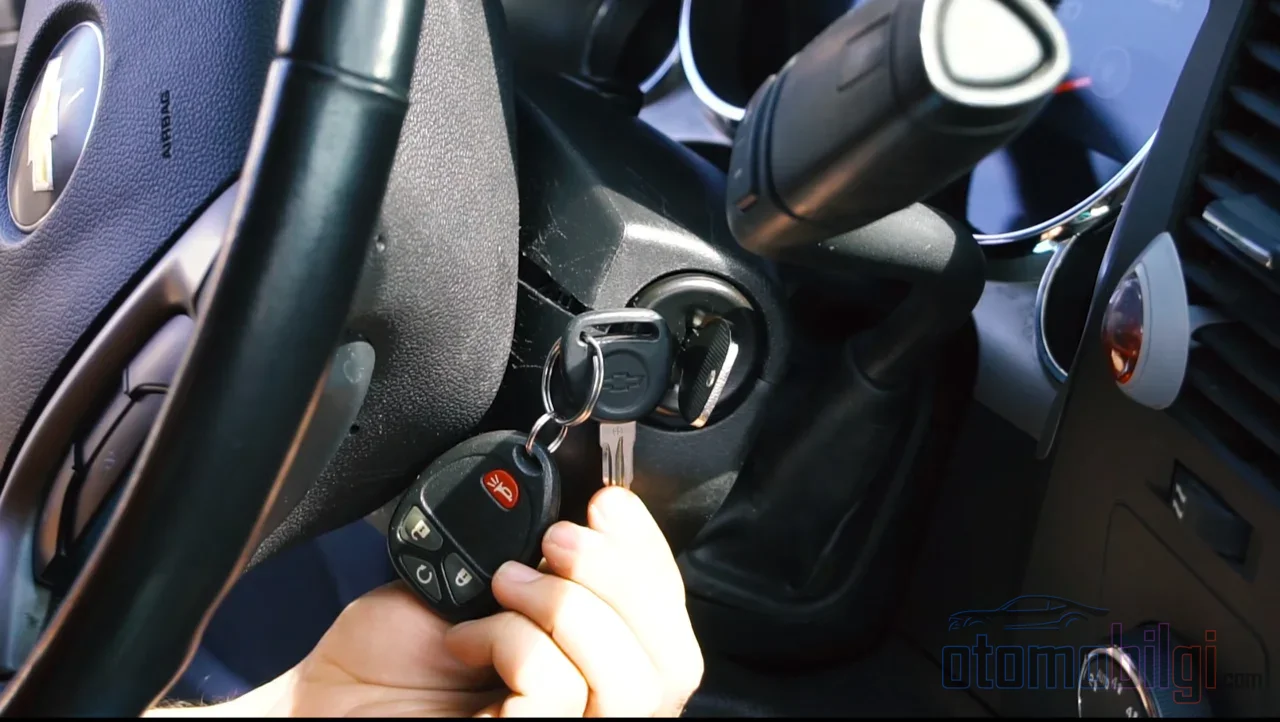
The cost of producing a spare key varies depending on the car's year and model; as cars have become more electronically advanced, key costs have increased as well. In other words, the metal key of the 1990s and today's keyless-go system cannot be put in the same basket. The situation by type is as follows:
- Mechanical (standard) key: Can be made by a locksmith without special equipment. If the key is lost, replacing the ignition lock may also come into play.
- Remote key without chip: If only the remote is lost, a new remote is purchased and programmed; the metal key can continue to be used.
- Key with immobilizer: The vehicle must be taken with a tow truck to a locksmith or dealer. Since electronic pairing and special equipment are required, the cost rises significantly.
- Smart key (keyless-go): In case of loss, a tow truck again comes into play; the process is difficult, lengthy and expensive.
The buyer's bargaining leverage rests precisely on this picture. While duplicating an old mechanical key is a minor expense, the key of a vehicle with a keyless-go system strains the wallet. If a seller sits down to negotiate the price without knowing the type of the single key they have, they end up on the weak side of the table.
How is a spare key obtained?
Coded keys can be obtained by contacting authorized dealers with the chassis number, for a certain fee. Outside authorized service, there are also private key specialists who do the same job at nearly half the cost of the service; this alternative is a serious advantage for a seller who wants to close the gap before the sale. However, in a vehicle delivered with a single key, the job is not done: the buttons on the key in hand may not work, the battery may be weak, or it may have an electronic problem. The "if the key works, that's enough" approach can leave the buyer alone with surprise expenses after the sale.
A risk the size of comprehensive insurance
The least known but heaviest consequence of a missing spare key emerges on the insurance side. The absence of a spare key can cause problems when getting comprehensive insurance; in this case, insurance companies may exclude the theft risk from coverage or may not insure the vehicle at all. When the vehicle is stolen, the insurance company demands the presentation of all original keys. If one or both of the keys are missing, the damage payment may not be made. In other words, the missing key passes to the buyer as an account that does not end when the day of sale ends.
The limits of insurance coverage for key loss are also clear. Keys taken by breaking into an enclosed space such as a home, or keys that change hands as a result of robbery or attempted robbery, are within coverage. In contrast, forgetting the key on the vehicle, obtaining it by getting close to the owner's trust, its loss by a trusted person, or its loss due to the owner's forgetfulness are not covered. Since the buyer knows this picture, they approach a vehicle sold with a single key with suspicion from the insurance perspective as well.
Security after transfer: The key that is not in your hands
The more serious side of the matter than the sale price is the security dimension. When the notary transfer is made, the vehicle's records pass to the new owner; but what if a copy of the old key, or the key itself, remained in hands unknown to anyone? In the scenario where the seller lost the spare key, no one can know whose hands that key is in right now. Even if the seller's story about the lost key is true nine times out of ten, the tenth possibility can result in the loss of a million-dollar vehicle.
For next-generation vehicles, a technical solution already exists: when a spare key is made at the service center, the immobilizer brain is reset, the existing and new keys are introduced to the system, and even if the old key opens the doors, it becomes unable to start the vehicle. Lost keys can be deleted from the ECU memory with computerized devices. The recommended sequence in practice is as follows: first the immobilizer code is deleted from the vehicle, then the new key is introduced to the system. In older models, that is, vehicles with a metal-only body, a copied key directly opens the door and starts the engine; therefore, replacing all the locks is recommended as the safest option for older vehicles.
What should the buyer do after the purchase?
- Have the spare key made right away; with the chassis number, a dealership or a reliable private key specialist is enough.
- Have the old key records deleted from the ECU brain; this can be done externally, at nearly half the cost of the service center.
- For older models and chipless vehicles, consider replacing the entire set of door and ignition locks.
- In the insurance process, make sure that both keys can be presented when required.
How should the seller structure the listing: Transparency brings price
In preparing for the sale, having the spare key ready along with the tire condition, the owner's manual, and service documents allows the buyer to evaluate the vehicle better. If the spare key is missing, there is no point in hiding it; when the buyer comes to see the vehicle, they will notice the situation and trust will be undermined. The right approach is to clearly state the deficiency in the listing and position the price accordingly. The buyer will use this as leverage at the negotiation table anyway; by pricing it in beforehand, the seller prevents a loss of trust and keeps the negotiation to a single item.
If the vehicle is insured, another door opens as well: if the vehicle's insurance continues before the sale, the buyer can ask the seller to contact the insurance company to have a spare key made. This is an institutional way for the two parties to share the cost and it softens the negotiation. If the seller offers to share the cost, they should state it clearly and in writing; negotiation etiquette works not through veiled jokes, but by putting the bill on the table.
Realism is also required on the buyer's side. If a vehicle without a spare key has been seen, liked, and approved in every other respect, you do not have to walk away from the negotiation over this single deficiency. Use this situation as leverage at the negotiation table: find out the cost of duplication, factor in the insurance risk, and base the discount on these two items. A single key confined within four walls is small when written with a pen, but a great fortress when it comes to its possible consequences.
The short answer: What happens to a vehicle missing its spare key?
When a vehicle without a spare key is sold, the price usually drops; the buyer asks for a discount citing the cost of key duplication and possible insurance trouble, and this expectation is well established in market practice. The most sensible move a seller can make is to disclose the missing key transparently in the listing, set the price accordingly, or suggest sharing the duplication cost with the buyer from the start. Charging an extra fee when the key exists, on the other hand, is a request that drives buyers away and runs contrary to market courtesy. In short, the lack of a spare key lowers the price; a transparent seller covers it as a minor expense, while an uninformed buyer is left alone with safety and insurance risks after the transfer.
Sources
- Is a Spare Key Fee Charged When Selling a Vehicle?
- Requesting a spare key fee when selling a vehicle
- How Important Is a Spare Key?
- Should You Buy a Vehicle Without a Spare Key?
- I Bought a Used Vehicle but It Has No Spare Key - Could My Car Be Stolen?
- What Should Be Done About the Spare Key in a Second-Hand Vehicle?
- Things to Consider When Selling a Used Vehicle
- How to Obtain a Spare Vehicle Key?
- Risks Awaiting the Buyer in a Vehicle Without a Spare Key
- The Risks and Costs of Driving a Vehicle Without a Spare Key