Accident During a Test Drive: Does Insurance Protect the Seller?
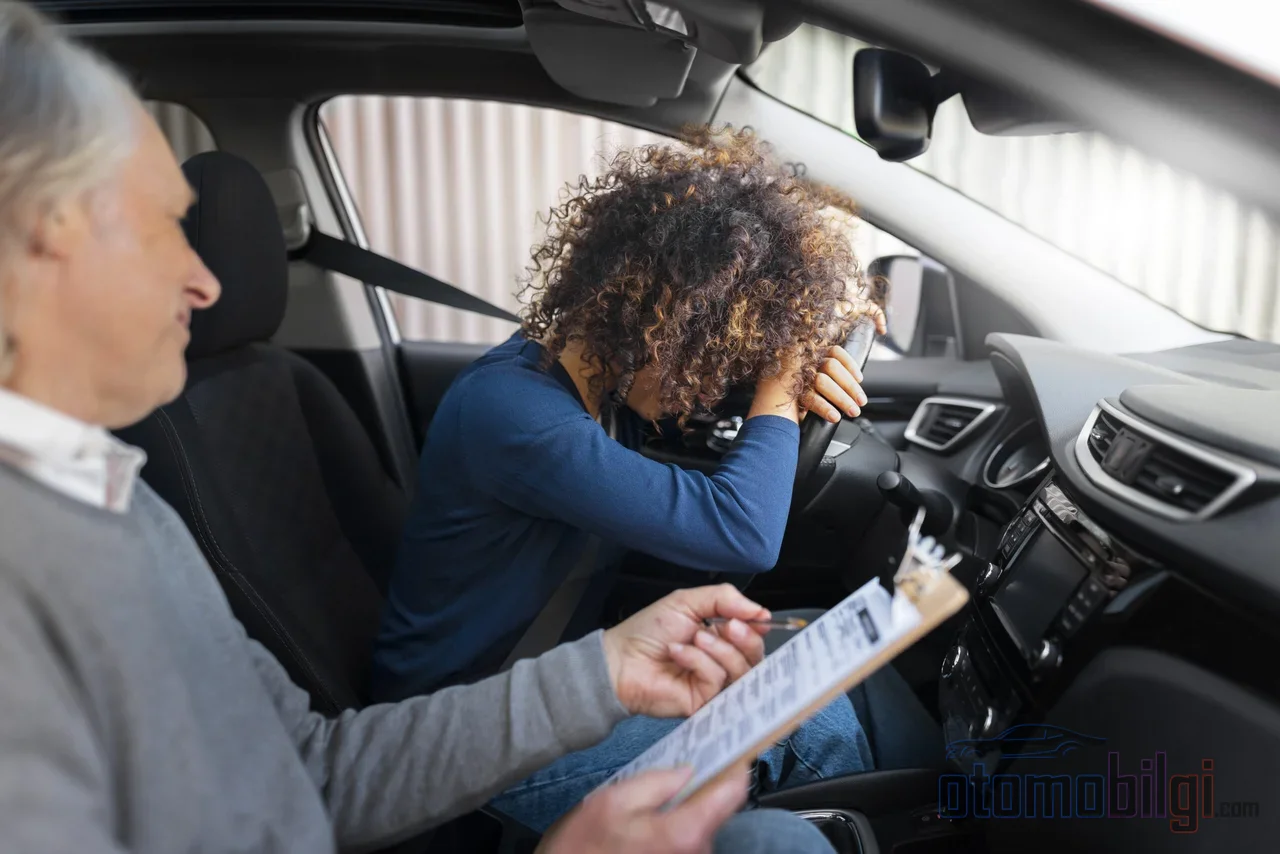
Every seller listing a used vehicle for sale shares the same nightmare: the voice on the phone says "let me try the car," the keys change hands, and twenty minutes later you find your car for sale leaning against a barrier. I have been in this industry for thirty years; the test drive is the most exciting moment of the sales process and at the same time the one you can control the least. So when an accident happens, who pays how much? Does responsibility pass from you to the buyer the moment the keys are handed over, or do you remain in the middle of the table as the registered owner? The answer is more intricate than most sellers assume, and it extends to every line of your insurance policy.
The Division of Duties Between Traffic Insurance and Comprehensive Coverage
In a test drive accident, two separate policies come into play, and their functions are often confused with each other. Mandatory traffic insurance does not cover the damage to your own car; its job is to pay for the damage caused to third parties in the accident. If another vehicle comes from the opposite lane, or if there is a spring or a pole, traffic insurance covers that damage, and the injured party has the right to apply directly to the insurance company.
The car's own damage, on the other hand, is the job of comprehensive coverage. Someone else driving a comprehensive insurance-insured car does not mean the protection automatically ends. If the policy has no specific driver restriction and the person behind the wheel is driving with a valid license and in compliance with traffic rules, the damage can be assessed within the scope of coverage. The critical point here is who is driving the car and how your policy treats that person. Because as a rule, the liability arising from the accident is directed at the registered owner in the capacity of operator, even if the car is being driven by someone else. In other words, even if the insurance covers the damage, they knock on your door first.
The Driver Restriction in Your Policy Is the Backbone of the Matter
Some policies are arranged to cover only specific drivers in order to lower the premium. When someone other than the two people written in the policy drives the car and has an accident, the insurance company may apply a deduction from the compensation at the rate of the "dual driver discount." In other words, the payment is not rejected entirely, but the compensation is noticeably reduced. The logic is similar for company vehicles: as a rule, comprehensive insurance pays; what eliminates the coverage is an exceptional circumstance, such as the person driving the car not being a company employee. As an individual seller, the lesson for you is clear: before going on a test drive, open your policy and read whether there is a driver restriction.
Highlights
- Traffic insurance covers third parties' damages, while comprehensive insurance covers the car's own damage.
- 2026 coverage limits: 400,000 TL per vehicle, 800,000 TL per accident, and 3,600,000 TL for health-injury-death.
- If there is a driver restriction in the policy, a deduction from the compensation may apply for damage caused by someone else.
- As of July 1, 2026, appointing an expert appraiser is mandatory for damages exceeding 40,000 TL.
- The Court of Cassation's established approach does not automatically hold the seller liable in a single-vehicle test drive accident.
July 1, 2026: New Era in Traffic Insurance
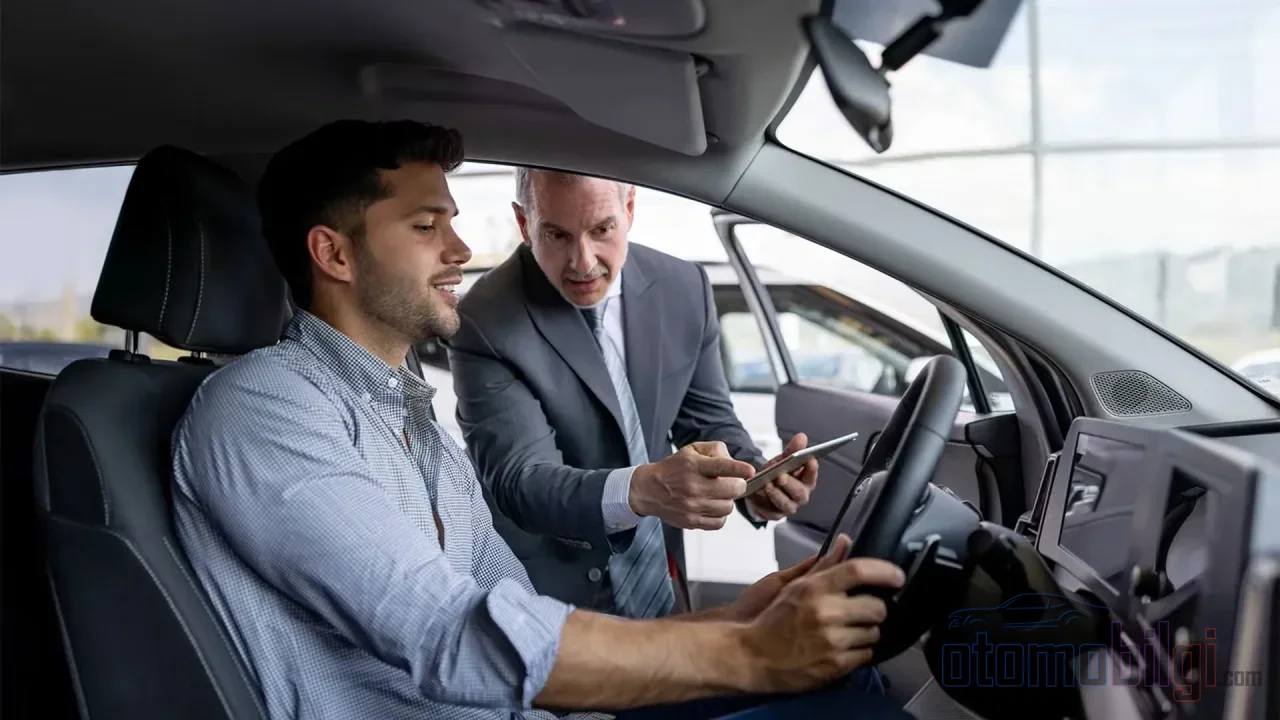
Discussing this topic without considering the current legislation would be incomplete. As of July 1, 2026, the rules have changed significantly for policies to be issued and subsequent damage processes. The new material damage coverage limits are 400,000 TL per vehicle and 800,000 TL per accident; in cases of medical expenses, injury and death, the limit has been set at 3,600,000 TL. Damages exceeding the traffic insurance limit are collected from Optional Financial Liability coverage, if available, or from the responsible parties.
Two innovations in the damage process directly concern the seller. The first is the mandatory expert appraiser requirement: if the damage amount exceeds 40,000 TL, damage assessment will be carried out by expert appraisers. The second is loss of value: from now on, a material damage claim made to the victim's vehicle's traffic insurance also includes loss of value, and this amount is calculated by the expert appraiser. If a faulty buyer hits your car during a test drive, the loss in your vehicle's market value comes into play through this mechanism, alongside the repair cost. For accidents before July 1, 2026, the old rules continue to apply; therefore, the date the accident occurred is decisive.
Driver's License, Penalties and the Registration Owner's Risk
Seeing the buyer's driver's license before a test drive is not a courtesy, but a legal necessity. The administrative fine for driving without a license or with an inadequate license in 2026 is 11,631 TL; but the truly severe penalty is the one applied to the person who hands over their vehicle to a driver with an inadequate license. In other words, if you leave the steering wheel to someone with an invalid license, the fine is issued not only to them but also to you. Also remember that the penalty for not having mandatory traffic insurance is a 1,246 TL administrative fine, the vehicle being banned from traffic, and towing; if the insurance of a vehicle for sale has lapsed, the test drive must be unconditionally prohibited.
On the liability side, the picture is threefold: the driver is held responsible according to their own fault; the operator and business owner may be liable even without any fault of their own. The difference between dealerships and individual sellers becomes clear here. Most authorized dealerships take out a special insurance policy for test drives, namely fleet insurance; at galleries, professional liability insurance may come into play. In dealership practice, a copy of the driver's license is taken and a document stating the test drive conditions is signed. As an individual seller, there is nothing preventing you from applying this discipline at home, in your own sale.
How Does the Court of Cassation View Test Drive Accidents?
The established approach of the 17th Civil Chamber of the Court of Cassation is a breath of relief for the seller: in a single-vehicle accident occurring during a test drive of an insured vehicle, liability should be determined by assessing the driver's full fault; holding the vehicle owner, i.e. the seller, responsible was not found correct. This ruling does not mean the seller is excused under all conditions; the specific circumstances of the case, the manner in which the vehicle was handed over, and the driver's status are examined. However, the assumption "the registration is in my name, so I pay in any case" lacks legal grounding. On the other hand, in the service shop or mechanic context, the picture is stricter: Even if a mechanic working at a service center has an accident during a test drive, the service center can be held directly liable for all material damage that occurs. A seller who leaves their car at the service center and a seller who hands the keys to a buyer are not in the same position in the eyes of the law.
Practical Precautions to Take Before the Test Drive
The rule is this: the test drive should be short, limited, and controlled. When the buyer wants to try the car, always be present in the vehicle yourself; choose crowded, visible places for the demonstration and the drive. Do not hand over the wheel to someone without a license, someone whose license class does not match the vehicle, or someone who is clearly under the influence of alcohol. Taking a copy of the driver's license and signing the conditions of the test drive in writing is a method dealers have used for years and one that is highly suitable for individual sellers as well.
A short checklist makes your job easier:
- Look at the buyer's license and take a photocopy of it; check its validity and class.
- Determine the route in advance; choose a familiar route with low traffic density.
- Stay in the vehicle for the entire drive; do not leave the buyer alone with the car.
- Make sure the periodic technical inspection has been carried out before the sale; it is required by the Highway Traffic Act.
- Check the driver restriction in your policy and your Voluntary Third-Party Liability coverage before the sales negotiation.
Years ago, these things were done with a peach soda and a handshake; now a single report, a single photocopy makes the difference between seller and buyer at the moment of an accident. Dealers see this discipline not as a cost but as insurance. For an individual seller to do the same, no fortune is required.
What Should You Do After an Accident?
People first: if there are any injured, call 112. Then the skeleton of the process is established completely: an accident report is drawn up, photos of the scene and the damage are taken, and witness information is noted if available. The necessary notifications are made to determine the fault ratio, the damage claim is submitted to the insurance company, and the depreciation-of-value process is followed. Even if the drunk driver is at fault, traffic insurance may cover the other party's damage; however, depending on the policy terms, the insurance company may seek recourse from the driver. In other words, the insurer's payment does not eliminate the at-fault party's liability.
Note two practical details in the process as well: For damages over 40,000 TL, appointing an appraiser is now mandatory, and your file proceeds with an appraiser's report. Also, not delaying the damage claim is in your favor; the stronger the notification and detection chain, the easier it is for you to document the driver's fault in your capacity as the seller.
Clear Answer: Does Insurance Protect the Seller?
The direct answer to the question is this: Traffic insurance covers third-party damage, and comprehensive insurance covers the vehicle's own damage if the driver restriction does not apply; if the restriction applies, a deduction is made from the compensation, and for portions exceeding the limit and not covered, the driver and operator are responsible according to their fault. In other words, insurance protects you to a large extent, but not blindly. The conditions for protection are in your hands before the test drive begins: license check, accompaniment, a controlled route, written terms, and an up-to-date policy. Once these five steps are taken, in the framework drawn by the Court of Cassation, liability in a single-vehicle accident falls entirely on the fully at-fault driver. You cannot eliminate the risk of handing over the keys; but you can reduce it to as little as a photo frame and a signature.
Sources
- If an accident happens during a test drive, who pays for the damage - the insurance?
- Court of Cassation 17th Civil Chamber Decision
- A New Era in Traffic Insurance: July 1, 2026
- What Changes in Vehicle Damage and Diminished Value as of July 1, 2026
- Traffic Accident and Compensation Law Guide 2026
- Does comprehensive insurance cover the damage if someone else drives the vehicle?
- Does Comprehensive Insurance Cover an Accident Made with Someone Else's Vehicle?
- Penalty for Driving Without a License 2026
- What Should You Pay Attention to When Selling a Car?
- What Should Be Done After a Traffic Accident?