Is It Necessary to Have Your Car Inspected by an Appraisal Service Before Selling It?
Share This Page
Short answer: Not on every sale, but it is now required for a significant portion of them. As of 2026, vehicles under 8 years old and with fewer than 160,000 km require an inspection report from a TSE-certified center when sold; for vehicles outside this scope, the report is not a legal obligation but the seller's choice. Still, experience says this: A car with a report sells faster, the negotiation is shorter, and the seller is assured of avoiding legal trouble later. In this article, we examine the inspection process step by step from the seller's perspective, along with the cost and its value in negotiation.
Highlights
- As of 2026 vehicles under 8 years / 160,000 km require a TSE-certified inspection report on the document list when sold.
- Comprehensive inspection packages are mostly in the 4,000-10,000 TL range; extensive packages can exceed 13,000 TL.
- The inspection takes around 40-45 minutes in most packages.
- Every vehicle with a clean TRAMER record is not damage-free; repairs that never made it into the record only surface in an independent inspection.
- Odometer tampering is considered qualified fraud under the Turkish Penal Code.
Is Inspection Mandatory or Not: The 2026 Picture
Answering this question in a single word is a simplicity I have carefully avoided, as someone with over thirty years in this profession. Because the picture consists of two layers. As a general rule, having an independent inspection done when selling a used vehicle is not a legal obligation; no one fines you for selling a car without a report. However, with the 2026 regulation, for vehicles under 8 years old and with fewer than 160,000 km, a TSE-certified inspection report was added to the notary transfer documents. Pay attention to the conjunction linking the thresholds: If either of the two conditions is exceeded - that is, if the vehicle is older than 8 years or its mileage exceeds 160,000 - the report is not mandatory. There is an expectation that the regulation will be expanded with a phased transition; it is wise to confirm your own vehicle's status with the notary document list before selling, because the final word in this matter always belongs to the current legislation.
The purpose of the report must also be read correctly. The new regulation is primarily aimed at protecting the buyer: Making the mileage and damage information official, documenting hidden defects, and giving you concrete evidence in case of a dispute. From the seller's perspective, the situation seems paradoxical but it is not: The same report is your strongest weapon too.
What Does an Inspection Check?
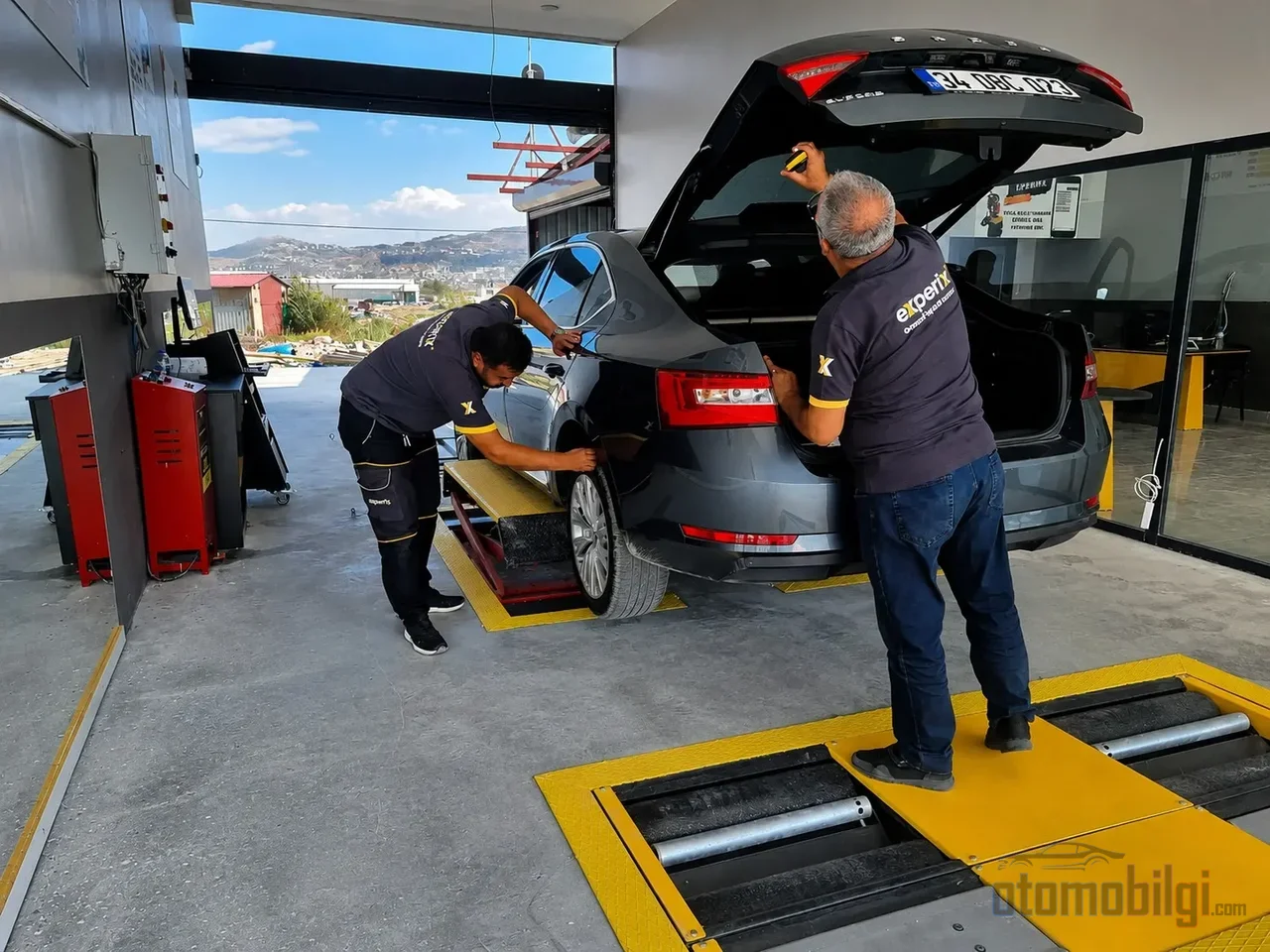
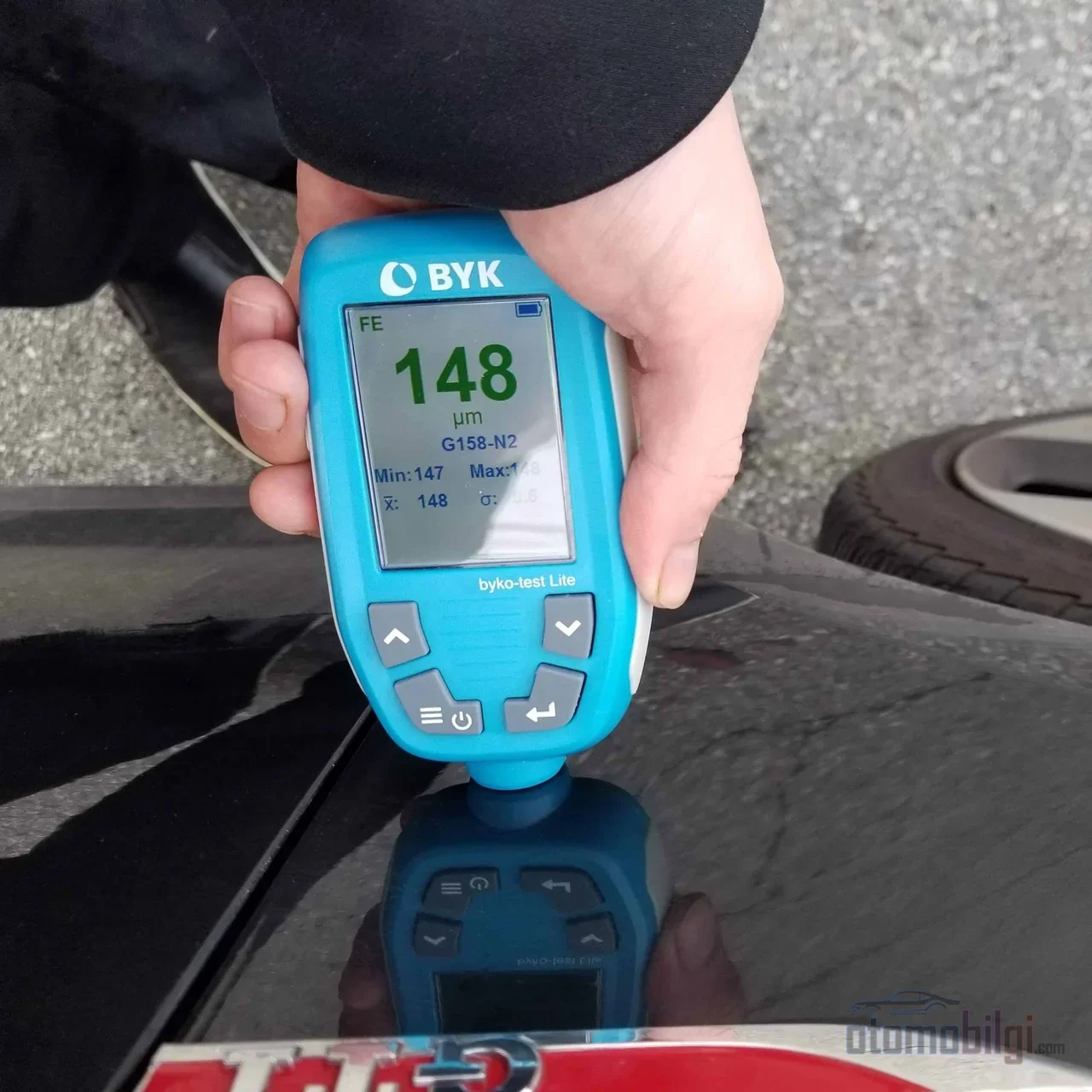
Although an inspection report may look like a piece of paper on the table, there is serious measurement work behind it. Bodywork and paint measurement is done with detectors and compared with factory varnish values; in this way, which panels have been replaced and which have local paintwork is revealed numerically. Beyond that, the scope of the inspection can be summarized as follows:
- Bodywork and paint analysis, identification of replaced and locally painted panels
- Engine performance, mechanical components, and transmission check
- Brake system, suspension and battery test
- Electronic systems and airbag condition
- Accident record query and mileage check
A well-prepared report consists of five main sections, each based on the measurement output of a different device; the identification section, which begins with the license plate and chassis number, is the part that legally ties the report to that specific vehicle. As a seller, know this: every line that goes into the report is a question the buyer will never have to ask you later. This is the real return on the fee you pay.
Inspection Prices: How Much Will You Pay?
Let's say it up front: there is a wide band on the pricing side. A basic paint-body inspection and an end-to-end mechanical report are not subject to the same fee; the vehicle segment, the number of points to be examined, and the province you are in are among the factors that determine the price. Comprehensive packages mostly range from 4,000-10,000 TL ; however, while some companies' economy packages drop below 4,000 TL, full comprehensive packages can exceed 13,000 TL, and with broad definitions, reach up to 20,000 TL. The inspection time also shortens as the scope narrows; an average package is completed in about 45 minutes . There are periods when price ceilings are applied by province and district; it is worth asking for the current tariff at the center you visit.
| Package Type | Approximate Price Range | Scope |
|---|---|---|
| Body / Paint | 3,950-6,000 TL | Paint measurement and body analysis only |
| Basic / Mini packages | 5,200-7,500 TL | Body plus limited mechanical check |
| Standard / Mid package | 6,950-9,150 TL | Mechanical components, brakes, electronic checks |
| Comprehensive / Plus package | 9,000-11,450 TL | All equipment tests, accident record and mileage check |
| Full / Top tier | 13,000 TL and above | End-to-end inspection, wide range of checkpoints |
The logic of choosing the cheapest package for a report you will have done before a sale is debatable. Buyers often have their own inspection done independently; if your report remains superficial, the buyer's report will come out more comprehensive than yours, and at the bargaining table the advantage lies not with you but with them. A mid-range package is the right balance point for most vehicles.
Where to Get an Inspection?
Türkiye's independent vehicle inspection network has grown significantly in recent years. Chains such as Pilot Garage, Yamanlar (with a network exceeding 150 branches), RS Oto Ekspertiz, and Auto King, as well as TSE-accredited independent centers, are accessible in almost every province. Some companies use special measurement technologies; RS Oto Ekspertiz states that it performs paint measurement with an MR device, while platforms like arabam.com currently offer mobile inspection services only to corporate customers.
My practical advice to the seller: get the report from a well-known, independent brand. In the past, the only thing that came to mind with inspection was a body measurement; now the report circulates among the official documents of the transaction, and the buyer in front of you can question it. A report from an unknown center drops to the price of the paper it is printed on in the buyer's eyes. Also, keep the time between getting the report and the sale short; even if nothing has changed in the vehicle during an extended period, the report's credibility wears off.
How to Use an Inspection Report as Leverage in Negotiation
Here lies the most neglected math of the selling process. A buyer facing an ad without a report prices every flaw they don't know about based on the worst-case scenario; the possibilities they construct at the negotiation table are always more expensive than the flaws that actually exist. A current inspection report eliminates this uncertainty: the buyer knows what they are getting, there are no surprises left, and the negotiation becomes both shorter and less tense. It is also a fact we have observed that vehicles with inspection reports turn over faster on the market.
When using the report at the table, a few subtleties help:
- Group the findings under three headings: those related to safety, those that create short-term costs, and those related to the vehicle's long-term condition. This classification moves the discussion from the emotional realm to the numerical one.
- Do not calculate an instant discount for every line in the report; note the significant findings and discuss them as a single amount. Demanding a discount equal to the sum of all flaws is the most common mistake in negotiation.
- Also openly show a report that comes back clean. In a sale without a report, the buyer's suspicion is limitless; a clean report is the defense of your price.
There is also the pricing side: the report helps you set a realistic price based on the vehicle's condition. Two vehicles of the same age and mileage are positioned in different bands according to inspection findings; you cannot know your own vehicle's band without a report.
What to Do If a Damage Record Appears?
First, a technical distinction: damage records are kept in the TRAMER database within the Insurance Information Center, by chassis number. Changing your license plate does not erase the record. A severe damage record is created when the vehicle goes through the insurance inspection process after an accident. The critical point is this: TRAMER only shows damages reported to the insurance company. If the vehicle was repaired without reporting the accident to the insurer, the record appears clean; such repairs can only be revealed by an independent inspection's detection of paintwork and replaced parts.
If the TRAMER record does not match the inspection findings
On the seller's side, this situation usually plays out like this: you had the report done, the paint measurement showed an unexpected panel, or the buyer found a record in the TRAMER query that you didn't know about. The course of action is simple. Make sure the correct vehicle was queried using the chassis number; compare the dates and amounts in the record with the inspection findings; cross-check with the service invoices, part information, and repair photos you have on hand. The discrepancy is often merely the reflection in the report of an old, reported minor damage - putting this openly on the table is both safer and more profitable than hiding it. I recommend querying your own vehicle's record free of charge via e-Devlet before the sale; surprises should be learned on preparation day, not on sale day.
The Legal Meaning of the Inspection Report
This is the least discussed but most valuable function of the report. The inspection report serves as evidence in a potential legal dispute. What it means for you as the seller is this: you have documented the vehicle's condition on the day of sale, its mileage, and its damage history. If the buyer later raises a hidden defect and demands a return or a price difference, the report in your hand clarifies what was known and what was not.
The same rule works in reverse. Tampering with the odometer is considered aggravated fraud under the Turkish Penal Code; because of a concealed damage record or the true mileage, the seller can be held accountable through arbitration and the courts. Not having an inspection report done does not exempt the seller from this responsibility - the buyer's rights regarding hidden defects do not disappear in the absence of a report. In other words, an inspection is not risk-taking for the seller, but risk documentation.
Let us also recall the current framework regarding the sale file: for notarized transfer, identification, the vehicle registration certificate, an inspection report for vehicles covered by the requirement, a valid traffic insurance policy in the buyer's name, a Secure Payment reference code, and a debt-free certificate are required. The Secure Payment System has been mandatory since 2024; the sale price is blocked in an escrow bank account and passes to you upon notary approval. These regulations also protect the seller's safety; there is no longer any way to hand over the vehicle without receiving payment.
Final Word: A Cost or an Investment?
An inspection package is a very small fraction of the sale price. In return, you get three things: a data-driven position in negotiations, a shorter sales period, and a legally documented sale. Even if the report comes out clean - that is, no defects are found - the report itself is your sales argument. Checking your report and setting your price accordingly before selling your vehicle is one of the first lessons learned in this trade, and one of the few things still valid today.
Sources
- What to Look for When Buying a Used Car? Checklist
- How to Handle Used Car Buying and Selling Transactions? (2026)
- Mandatory Vehicle Inspection for Used Cars 2026: Dealer Rules
- Can You Sell a Car Without an Inspection Report? (2026)
- Can a Car Be Sold Without an Inspection Report?
- Otorapor Car Inspection Prices 2026
- Car Inspection Prices and Package Comparison
- Car Inspection Prices 2026
- Car Inspection Prices 2026 Guide
- How to Negotiate a Car Price After Inspection?
- How to Identify and Check a Severe Damage Record?
- Can You Sell a Car Without Insurance? 2026 Guide
- Secure Payment System