The Impact of Small Touches on the Price When Preparing Your Car for Sale
Share This Page
In used car sales, the price is determined not only by age, mileage, and model, but also by the impression the buyer forms the moment they open the door. As someone who has been following this market for over thirty years, I can say this with confidence: the same model, the same mileage, two different sellers - one waits for weeks while the other sells in a few days, at a price higher than expected. The difference usually lies not in major expenses, but in the small preparations that are either made or overlooked before the sale. In this article, I will explain, when preparing your vehicle for sale, which touches - from cleaning to document organization, from maintenance records to negotiation tactics - genuinely reflect on the price, and which ones are a waste of money.
Highlights
- Detailed interior cleaning, with 2026 prices in the range of 3,500-8,000 TL ; the perception difference reflected in the listing often more than covers this expense.
- In pricing, 3%-5% negotiation margin is generally considered sufficient.
- If the listing exceeds 3 weeks, an update of visuals and text or a small price adjustment is essential.
- A missing lien, seizure, or motor vehicle tax debt can directly block the transfer process.
- The seller obtaining the inspection report right before listing strengthens their hand in negotiations.
Which preparations before selling a car genuinely increase the price?
The honest answer to this question is: everything the buyer sees and touches affects the price, and everything the buyer does not see does not. A vehicle whose oil and filters have not been changed gives itself away in the very first question; a burnt-out bulb or a wiper with a broken mechanism hands the other side a ready-made argument at the negotiating table. Used car buyers are masters at reading the difference; in today's market, where vehicles over 10 years old make up the majority of sales, buyers are also used to looking for flaws and recognizing a well-maintained car.
But a limit must be set. Not all expenses made before the sale are added to the price; the repair cost should be limited to the extent that the buyer will see its equivalent in the price. Having a cracked windshield repaired or replacing worn brake pads closes the negotiation margin in the buyer's eyes; in contrast, cosmetic touches you had done to suit your own taste add nothing to the buyer in front of you. Let's examine how this balance is achieved, section by section.
Cleaning: the lowest-cost, highest-return investment
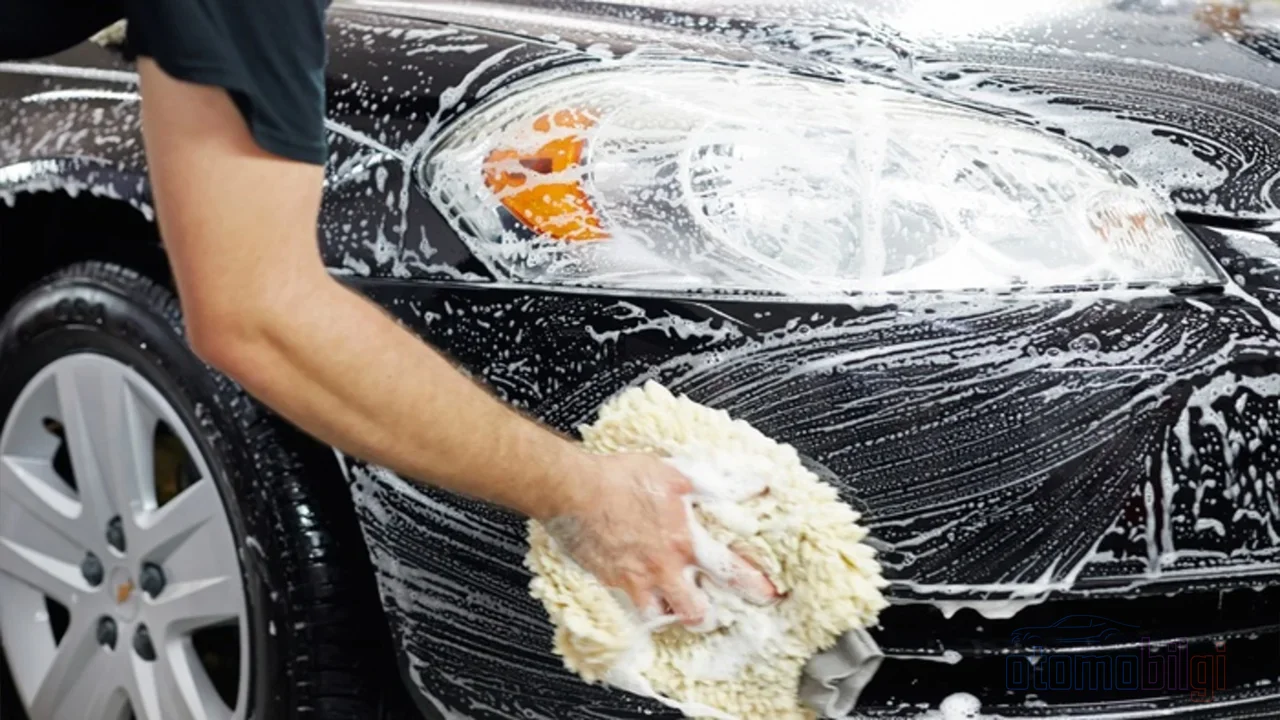
In the past, it was enough to give the car a wash before selling and post photos in the listing. Now the buyer is looking for more than a detergent-scented front seat in the listing images. Detailed interior cleaning - meaning professional treatment of the upholstery, the headliner, under the dashboard, and every corner - varies, at 2026 prices, depending on the vehicle's size, upholstery type, and dirt level, between 3,500 TL and 8,000 TL ; in large cities, this figure can run toward the upper end. There are plenty of examples of cars being sold within a week of listing, complete with professional photographs - the combination of cleanliness and the right photos can multiply a listing's click-through rate.
Exterior preparation starts once you get past washing with shampoo: paint protection with soft wax or ceramic coating, tire dressing, engine cleaning, renewal of faded plastic trim, and odor removal inside the cabin. This work is now called car detailing; its purpose is not only appearance, but also protecting the paint, slowing down value loss, and giving the buyer the perception of a "well-maintained vehicle". Having the photos taken in daylight after the cleaning also earns extra points - glossy paint and lively tires directly increase interest in the listing.
Minor cosmetic repairs: which ones should you get done, and which should you skip?
Since scratches, dents, and paint defects lower the value, most guides say "get them all done". In practice, the approach should be a bit more nuanced. On the test drive, tire tread depth that looks low and tired brake and suspension feel instantly create a "list of expenses" in the buyer's mind, and this list becomes a bargaining chip. For issues like a cracked windshield, repair instead of full replacement is often sufficient and a more economical option.
On the other hand, there is a simple way to measure which repair will pay off: assume you are selling the car tomorrow and the buyer notices the defect. How much in TL will they negotiate off? If that amount exceeds the repair cost, get it done; if not, let it go. When buyers find a defect, they usually deduct more than the repair cost, because they also factor in the price of uncertainty. That is why fixing small but visible shortcomings yields a better return than major repairs.
Maintenance records and paperwork: the invisible backbone of the sale
Service records with invoices are a kind of letter of reference on the second-hand market. Keeping all service invoices and reports complete serves as proof of maintenance for the buyer; vehicles with authorized service records and documented use of original parts can sell at higher prices. It also matters that the records show accidents, replaced parts, and accurate mileage - regular periodic maintenance is an investment that preserves both performance and second-hand value. Let me add this: by a legal interpretation established over the years, a seller who provides records also works in the buyer's favor; there is practice suggesting that a buyer who did not examine the records may not be able to file a hidden defect claim. In other words, a complete file protects the seller too.
On the paperwork side, the list is clear. At a notary sale, the seller is expected to provide identification, the vehicle registration certificate, a notarized power of attorney if applicable, proof of no motor vehicle tax and tax debt, and no unpaid traffic fines; the buyer is asked for identification, mandatory traffic insurance, and proof of payment. Liens, seizures, mortgages, or records of unpaid debts can block the transfer; in that case, missing paperwork problems can delay the sale for days. Handing over the spare key and the original owner's manual is a small but trust-building detail. Another recent development: the notary flat-fee system has been abolished, and the fee is now calculated as a proportional rate based on the sale price - for high-value sales, it is worth factoring this into your budget in advance.
Inspection and transparency: the strongest card in the negotiation
An independent inspection report is the document most sellers skip but which works best at the negotiating table. Getting the report done just before listing the vehicle sends the buyer, on your part as the seller, the message that "I have nothing to hide." Current-standard reports should also cover driver assistance systems (ADAS) and, in electric or hybrid vehicles, battery health; in such vehicles, the battery's condition is what buyers are most curious about. When a listing comes with an inspection report, the buyer struggles to chip away at the price line by line; in a listing without one, they can turn every finding into a bargaining chip.
Preparation pays off in the listing and negotiation
Your preparation is worth as much as it can be conveyed in the listing. In the description, write down the maintenance history, tire condition, and extra equipment; if the vehicle is smoke-free and has been garage-kept, state this explicitly. At least 20 wide-angle, high-resolution photos - interior, exterior, engine, trunk, tires - and, if possible, a short presentation video have become the standard. A clean background and good lighting may seem trivial, but they are among the main factors determining a listing's click-through rate.
There are two rules in negotiation. First: set your minimum price floor in advance; if you start thinking about it at the table for the first time, you lose. Second: instead of instantly accepting or rejecting the buyer's first offer, counter with positive data - concrete facts like "we just had the servicing done, the tires are barely used" are the most effective weapon for breaking down a discount. When pricing, leaving a negotiation margin of 3%-5% of the total amount is usually enough; more makes the listing look cheap, less prolongs the sale. Ideally, the listing should sell within 2-4 weeks; for listings exceeding 3 weeks, refreshing the photos and text or making a small price adjustment is necessary.
There is order in the test drive too: the seller should be present in the vehicle, the buyer's license should be checked, and a short, pre-determined route should be used. Damage liability usually falls on the person behind the wheel; find out in advance whether your comprehensive insurance covers test drives. No compromises on payment either: bank transfer or EFT, or even a certified check; do not approve the notary transfer until the money has landed in your account.
Final word: a measured preparation plan
The to-do list when preparing your vehicle for sale is briefly as follows: detailed cleaning, fixing visible minor flaws, completing overdue maintenance, compiling receipt-backed service records, document checks, and a pre-listing inspection. For most sellers, the total cost of this plan is less than a few percentage points of difference in the sale price - and the selling time is significantly shortened as well. Determine which step will pay off for your vehicle using the measure I gave at the beginning of this article: close every expense the buyer will see and use to demand a price reduction more cheaply than the discount itself. Don't do the rest. In this market, measure always yields the most profitable touch.
Sources
- What to Pay Attention to When Selling a Car? Vehicle Sale Guide
- Things to Do Before Selling Your Vehicle
- 5 Ways to Increase Your Vehicle's Value Before Selling It
- 10 Critical Points You Need to Know Before Selling Your Car (2025)
- 10 Tips to Increase Your Car's Second-Hand Value
- Guide to Increasing Your Car's Sale Value 2026
- Should You Get Repairs Done Before Selling Your Car?
- Minor Damages That Should Be Fixed Before Selling a Car
- Car Detailing Services That Increase Your Car's Value
- Detailed Car Cleaning and Interior Cleaning Prices 2026
- Which Documents Should Be Checked When Buying a Second-Hand Car? (2026)
- How to Sell a Car Through a Notary?
- The Seller's Liability for Defects in Second-Hand Cars