How to Check Debts and Fines on a Used Vehicle?
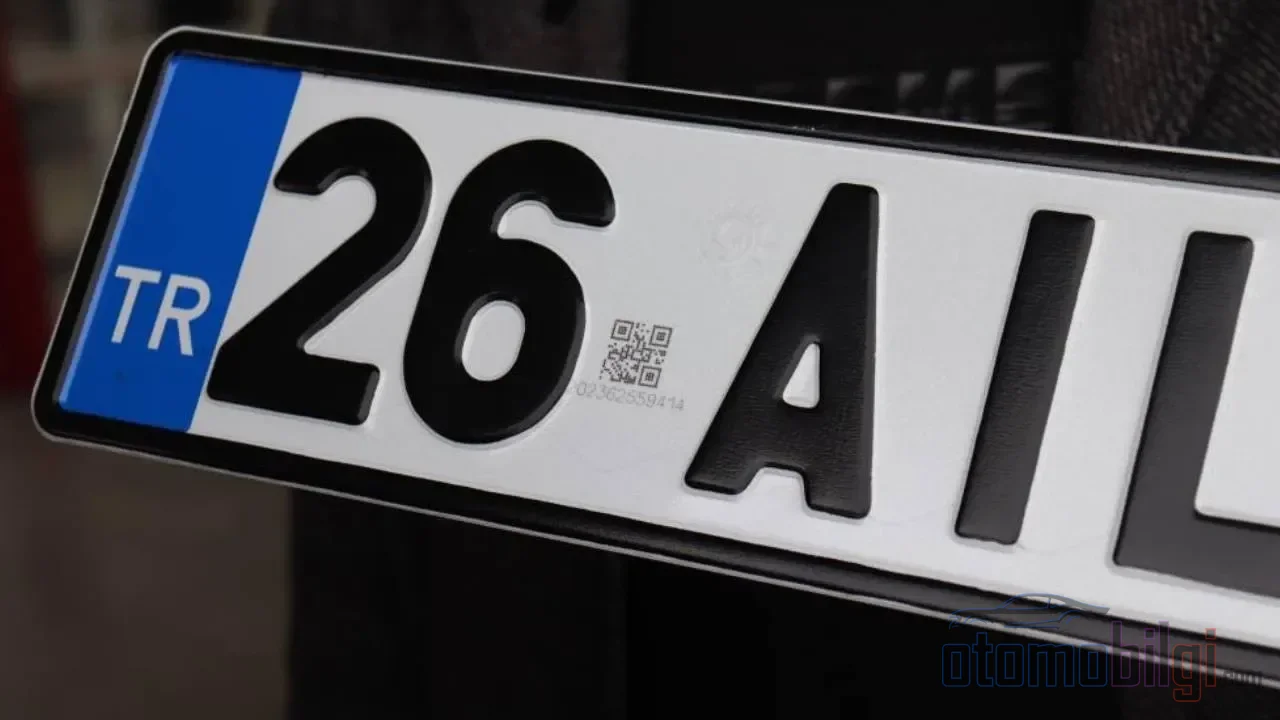
The easiest part of a used car negotiation is talking about the price. The truly frustrating part starts at the notary's desk: a traffic fine issued to the plate and forgotten, an unpaid motor vehicle tax installment, or an old fine that was late to appear in the system can bring the sale to a standstill. I have been in this business for over thirty years; I always see the same mistake. People check the paint, check the mileage, but forget to check for debts. Yet a debt inquiry is a process that takes just a few clicks and protects you from consequences worth thousands of liras.
On this page, I will explain which official channels to use, and in what order, to check a vehicle's traffic fines, motor vehicle tax, insurance and inspection debts before buying. You will also have at hand who the debt passes to along with the transfer, which document to request from the seller, and the final checklist before going to the notary.
Which Official Channels Can Be Used for a Traffic Fine Inquiry?
In the past, this required waiting in line at the traffic registration branch; now everything is gathered in the e-Devlet (e-Government) Gateway. There are four separate inquiry services for fines issued to a plate, and they are not alternatives to one another but complements:
- The General Directorate of Security's Fine Inquiry by Vehicle Plate service shows fines issued to the plate within the last year.
- The GDS's Fine Inquiry Issued to Driver's Licenses and Individuals service covers fines issued to a license.
- The Revenue Administration's Traffic Fine Debt Inquiry and Payment service shows debts transferred to the tax office.
- The General Directorate of Highways' Highways Traffic Administrative Fine Inquiry service covers fines arising from highway and bridge crossings.
If you do not have password-free access to e-Devlet, you can get a free password from PTT, or log in with mobile signature, e-signature, or internet banking. You cannot see the fines of a vehicle registered to someone else's name on e-Devlet; the system only shows vehicles registered in your own name. To see the debt of the vehicle you are thinking of buying, you will either ask the seller to open the e-Devlet screen together with you or use the tax office channels.
Why don't fines appear right away?
A critical detail: fines usually appear in the system within 3 to 7 business days. When the seller tells you "I have no debts," a recently issued fine may not be visible yet. For this reason, run the inquiry twice: not only on the day of transfer, but also when negotiations begin and right before going to the notary. If a hidden debt remains, confirming it at the traffic registration branch is the most reliable method of the day.
Payment, discount and follow-up risk
If a debt comes up in the inquiry, the payment channels are broad: the GIB Digital Tax Office, contracted banks, PTT and tax offices. A 25% discount applies for payment within 15 days of notification; once this period passes, the discount is removed. An unpaid fine falls under collection pursuant to Law No. 6183 on the Procedure for the Collection of Public Receivables: delay interest, a payment order, garnishment of salary and bank accounts, and seizure of the vehicle are the natural consequences of this. If the penalty is found to be unjust, an objection can be filed with a petition to the magistracy court of the place where the report was issued within 15 days of notification.
How to Check MTV and Tax Debt?
Motor Vehicle Tax debt is queried via the GIB service on e-Devlet or through the Digital Tax Office and the GIB mobile app, and can be paid by credit card through the same channels. The quick payment screen on the Digital Tax Office is only down for a short maintenance window during the day; it works comfortably even in the afternoon.
MTV plays a major role in vehicle purchases: if an MTV debt is detected during the sale at the notary, the transfer process is automatically halted and the sale cannot be completed until the debt is paid. In other words, this debt is not a surprise for the buyer, but an obligation for the seller; still, finding out in advance rather than at the notary prevents wasted time.
How to request a Certificate of No Debt?
If you ask the seller for just one document, that document is the official paper showing there is no tax debt. A Certificate of No Debt (Borcu Yoktur Yazisi) can be requested through the GIB service on e-Devlet; alternatively, you can log in to the Interactive Tax Office via e-Devlet and submit a request from the petitions and notifications section, or obtain the document from the tax office you are registered with. Both of the mentioned methods produce an official record; they are far more solid than a screenshot from the seller saying "look, I have no debt."
Highlights
- Traffic fines written against the plate and MTV debt prevent the sale; the notary transfer cannot be done until the debt is paid.
- HGS/OGS debt and fines written against the driver's license do not prevent the sale.
- Traffic fines are reflected in the system within 3-7 business days; a 25% discount applies if paid within 15 days of notification.
- As of 2026, a valid traffic insurance policy in the buyer's name is required before the transfer; the 15-day temporary insurance period has been abolished.
How to Check Insurance and Inspection Obligations Before Buying?
As of 2026, the rules have changed old habits. For the vehicle sale and transfer to take place, a valid traffic insurance policy issued in the buyer's name is mandatory; the 15-day temporary insurance period from the previous practice was abolished. In other words, if you do not have a policy in hand on transfer day, do not say "we're already inside the notary's door": get the insurance done in advance. The implementation has become clear according to the current regulation text; issuing the policy in the buyer's name before the transfer is now standard.
On the inspection side, the vehicle's traffic fines, tax debt, and highway toll evasion penalties are expected to be settled before coming to the inspection; an indebted vehicle cannot receive a positive result from the inspection. To query the existing inspection report, you can use the barcoded vehicle inspection report service on e-Devlet, or check the result on the inspection station's website with the plate and report number. If the report's validity period is about to expire, discuss before the transfer who will bear this expense; the inspection is not transferred with the vehicle, it lapses along with it.
To Whom the Debt Passes With the Transfer: Debts That Do and Do Not Block the Sale

This is the most frequently asked question on this page, and the answer fits in two columns:
| Type of debt | Does it block the sale? | Note |
|---|---|---|
| Traffic fine issued to the license plate | Yes | Transfer cannot be made without paying it |
| Motor vehicle tax (MTV) debt | Yes | The notary transfer is automatically halted |
| HGS/OGS toll debt | No | It is the personal debt of the person who used the vehicle |
| Fine issued to the driver's license | No | It belongs to the driver and does not affect the vehicle |
| Lien and seizure | Yes | If a record exists, the notary process cannot begin |
The notary electronically checks whether there is any debt with the tax office at the time of sale; if there is no debt, they issue a temporary registration valid for one month in the name of the new owner. In other words, the logic of the official system is clear: a clean vehicle is transferred, an indebted vehicle is not.
The actual burden of fines that appear late
The rule on paper is one thing; what happens in the field is sometimes another. When fines are entered into the system late, a fine incurred by the previous owner before the transfer can surface after the sale and, since it is issued to the plate, it effectively affects the new owner. In the press, there are circulating examples of a fine from three owners back becoming the current owner's headache two years later; such accounts are anecdotal in nature, but they teach a lesson. After the purchase, running a fresh query on e-Devlet for a while longer keeps both the objection and installment options open for a debt discovered early. For accumulated fines, it is also possible to apply to the tax office for a restructuring plan with 6-18 monthly installments; it is not automatic for every fine, it requires a request.
Pre-Transfer Checklist for the Notary: The Final, Step by Step
What to do before walking into the notary, in order, is as follows:
- During the negotiation stage, ask the seller to check on the e-Devlet screen the fines issued to the plate and the MTV debt, together with you.
- Check via the GIB channel whether there is any traffic fine debt transferred to the tax office.
- Run the lien and seizure record query; if a record exists, the process cannot begin.
- Have the seller request the Certificate of No Debt through an official channel.
- Against the risk of late entries, refresh the fine query a second time at 3-7 business day intervals.
- Obtain a valid traffic insurance policy in the buyer's name before the transfer.
- Verify through e-Devlet that the inspection report is valid.
- At the notary, the fee is calculated on the higher of the declared sale price and the comprehensive insurance value; write the expense into your budget in advance.
All eight of these items are an hour's work. An MTV debt caught at the notary, however, will eat half your day, sometimes your whole day.
Frequently Asked Questions
The fine does not appear in the query, what should I do?
Since fines are reflected in the system within 3-7 business days, wait a few days and query again. If the period has passed but the debt still does not appear, apply to the traffic registration branch. If the discount option does not appear on the payment screen during the discount period, you can clarify the situation by calling the GIB call center or the tax office.
Which document should I request from the seller?
On its own, the strongest document is the Debt-Free Certificate obtained through the official channels of the GIB. In addition, up-to-date screenshots of the penalty and MTV queries on e-Devlet form a second layer; but these do not replace the certificate.
Final Word: A Clean Sale, A Calm Transfer
In summary: traffic fines and MTV debt registered to the plate obstruct the sale, and the transfer cannot be made without the debt being paid; fines written to the license through HGS, however, belong to the person, not the vehicle. As a buyer, your job is to convince the seller to settle these debts in advance and to avoid surprises at the notary's desk. I say this with the caution that many years have taught me: the inspection report shows the vehicle's physical condition, while the debt query shows its legal health. A vehicle with a sound body but a heavy debt is not a well-negotiated vehicle.
Sources
- Motor Vehicles Tax Inquiry and Payment by Credit Card - e-Devlet
- Debt-Free Certificate Request Entry - e-Devlet/GİB
- MTV and Traffic Fine Payment - Digital Tax Office
- e-Devlet Traffic Fine Payment - TrafikCezalari.TR
- Regulation on the Sale, Transfer and Registration Services of Vehicles - TNB Portal
- TÜVTÜRK Vehicle Inspection Stations
- Traffic Fine Debt in Vehicle Sales and the Notary Requirement
- A New Era in Second-Hand Vehicle Sales: Notary and Insurance 2026
- Can a Vehicle with Tax, Traffic Fine or HGS Debt Be Sold?
- The fine of the automobile's owner three owners back gave the new owner a headache