Is the Cadillac Door Closing for Colton Herta?
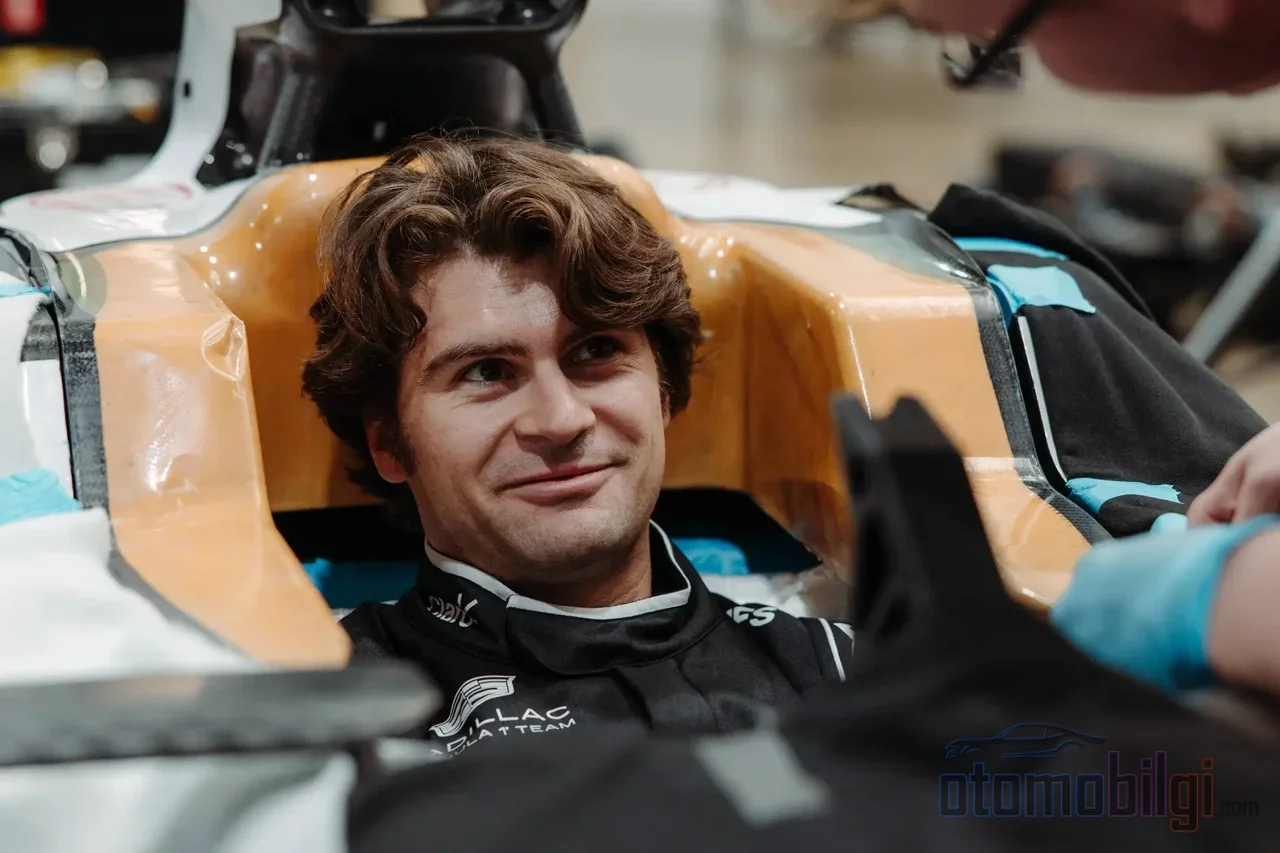
The real agenda of Las Vegas Grand Prix week was not set on track, but at the Thursday press conference. When Cadillac F1 CEO Dan Towriss sat down and opened the Colton Herta file on November 19, he clarified for the first time, after two days of speculation, just how far apart the two sides actually were: the team had put a reserve driver seat for 2027 on the table, while Herta was not looking warmly on that offer. Towriss described this as a disappointment. So is Herta's Cadillac door really closed, or is it just 2027 that drops out of the picture?
Let's recall yesterday's chapter of the story: Cadillac officially announced on November 18 that Valtteri Bottas will stay with the team in 2027 as well, effectively ending the months-long debate over whether Herta will have a seat next season. Towriss's Thursday statements, however, took the file to a new dimension, because for the first time what the team management offered to Herta and how the young American viewed it was explained in his own words.
Highlights
- Towriss confirmed that Cadillac offered Herta the 2027 reserve driver role.
- Towriss said he was disappointed by Herta's lack of interest in the reserve role.
- According to Cadillac, the 2028 seat is still open and there are multiple options on the table.
- It is reported that Herta is evaluating options such as the Indy 500 and endurance races for 2027.
- The Bottas announcement was made on November 18, 2026, ahead of the Las Vegas GP.
What Did Towriss Say, and How Did Herta Respond?
At the FIA press conference in Las Vegas, Towriss confirmed that there were multiple options on the table for Herta, one of which was a reserve driver position. According to the team boss, Herta seemed to have set a direction; but the talks were not yet completely closed. Towriss also did not hide that this decision was based on a difficult conversation with Herta, and that the driver was disappointed by the developments. To summarize in the team principal's own words: the reserve role was offered, the 2028 seat is open, but Herta is not interested.
From Herta's side, it is reported that the offer has so far been declined. So the negotiating table has not been overturned, but the two sides are not on the same page: Cadillac sees 2027 as a bridge year, while Herta, after a risk-filled season at the age of 26, is not willing to sit and wait just to keep the door open. Towriss is also of the view that if Herta does not stay at Cadillac, his chances of racing in F1 in the future will diminish significantly. This is both a warning and an honest risk analysis; in motorsport, the speed at which a driver who spends a year on the sidelines fades from memory is always higher than expected.
Why Was Bottas Preferred?
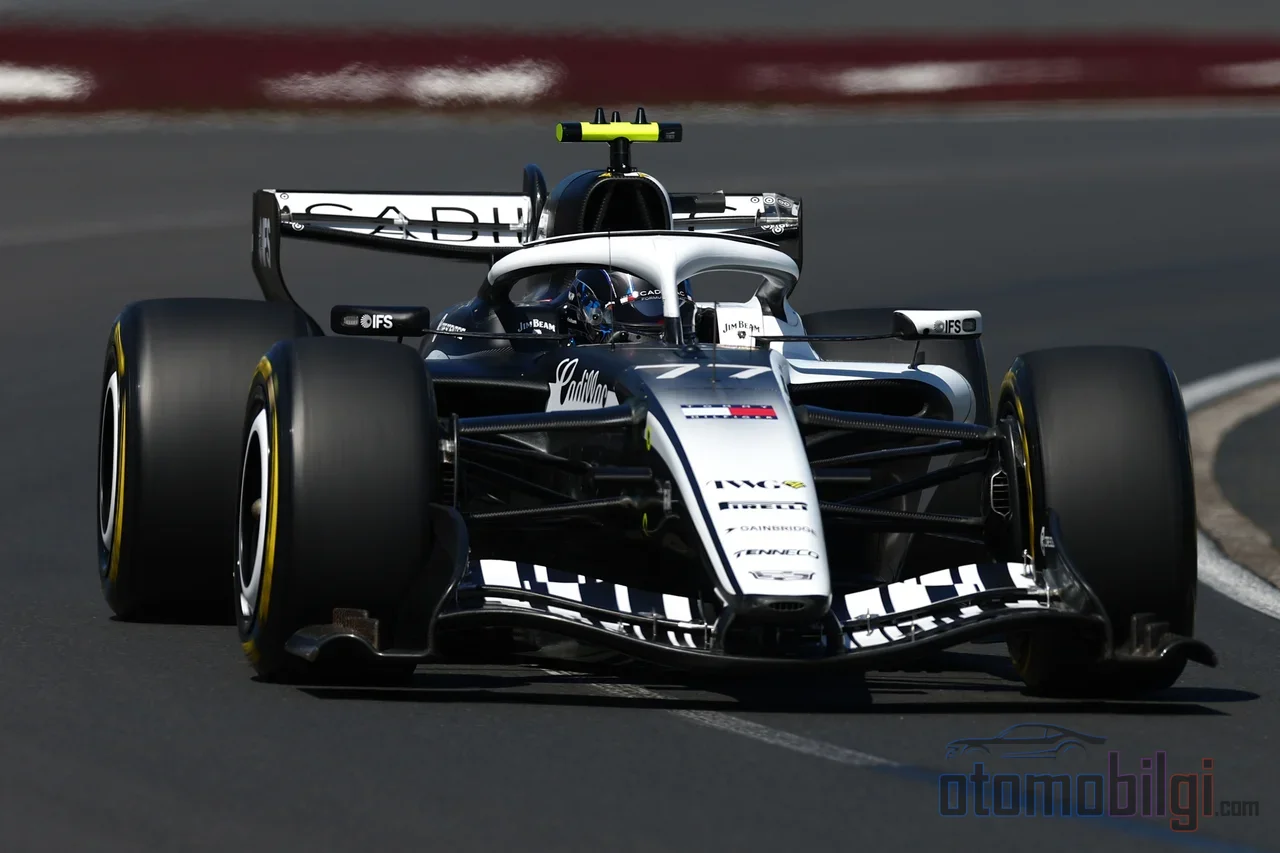
The logic behind the decision stands clearly in Towriss's statements. Bottas has shown similar performance to teammate Sergio Perez in practice and qualifying sessions; the difference emerged in race pace, and Towriss argues that part of it stemmed from factors outside Bottas's control. When current needs, experience and continuity are added to the mix, management concluded that keeping the Finnish driver on the road was the right decision for the team.
Viewed from here, the picture is actually not that clear. Cadillac's first season is going heavily, as everyone predicted: the team is at the very bottom of the constructors' standings, with no points; Bottas is 23rd in the championship and Perez is 24th, and both are running on zero points. It is also striking that Perez was given a multi-year contract extension while no such detail was mentioned in Bottas's announcement. So Bottas's 2027 guarantee looks more like a stability move than a performance reward. The team knew from the start that it would have a difficult year with a car designed without telemetry data and a much shorter preparation time than its rivals; this experience is considered valuable for the 2027 car, and at this point a familiar driver pairing seems more appealing than a new risk.
How Did Herta Get Here?
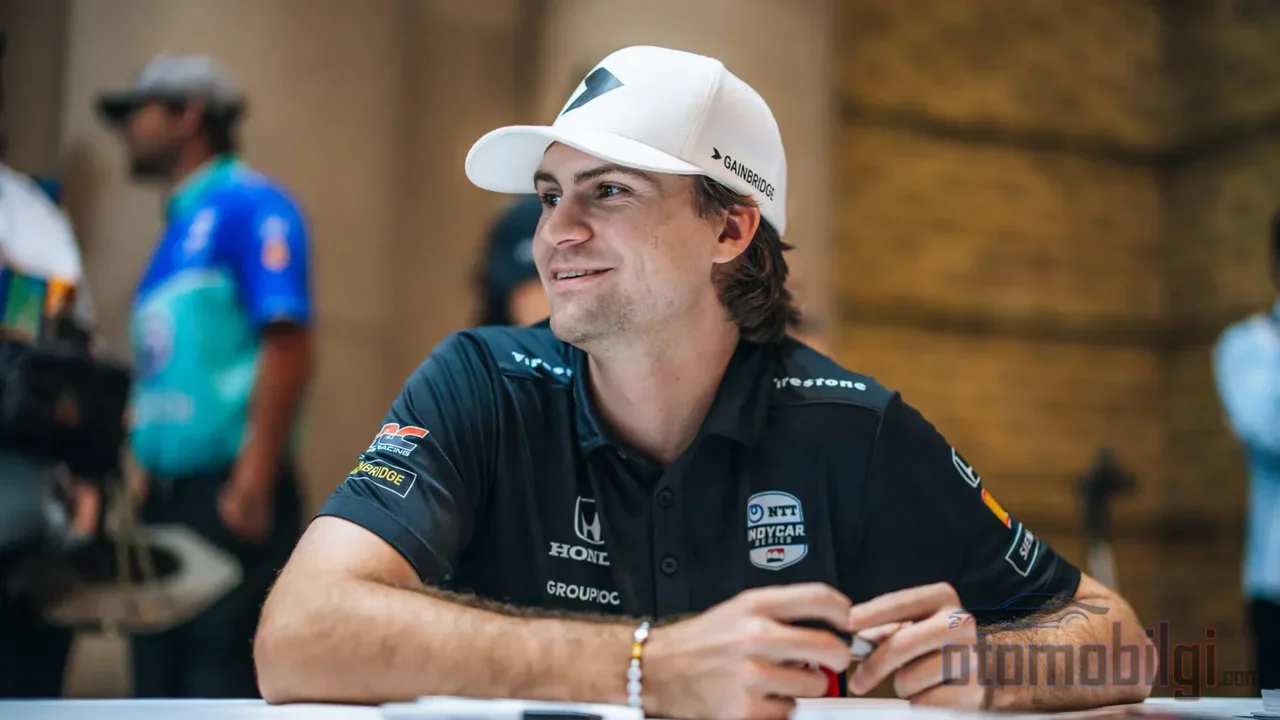
Recalling his career map is essential to understanding how serious the current breaking point is. The Californian driver agreed to leave IndyCar in 2026 and move to Formula 2 with Hitech, as well as take on the role of test driver at Cadillac. This was a bold move, as Towriss also emphasized: one of the fastest names in the American series had put everything on the table for the F1 dream before even approaching thirty.
The plan partly worked. Herta reached the 40 points required for the F1 Super License after his FP1 appearance in Brazil; Cadillac had reserved a total of four FP1 sessions in the 2026 calendar to support this goal. The F2 season, however, went below expectations. Even so, Towriss says that Herta's performance in FP1 sessions and tests with older cars was strong and clearly showed he could drive the car. So it is not a performance problem, but a door problem: both seats are filled for 2027.
Is the Super License Worry Justified?
The Super License does not need to be used immediately; the license remains valid for several years. As Bottas also pointed out, this arrangement was part of the plan from the start, and Bottas, who described the speculation of recent weeks as unnecessary noise, believes the official announcement closed the debate. For Herta's part, having the license in his pocket is the only concrete asset that does not completely rule out the 2028 possibility. Even if he returns to the American racing world, this document is the ticket that will get him in if the door opens again.
Herta's Other Options on the Table
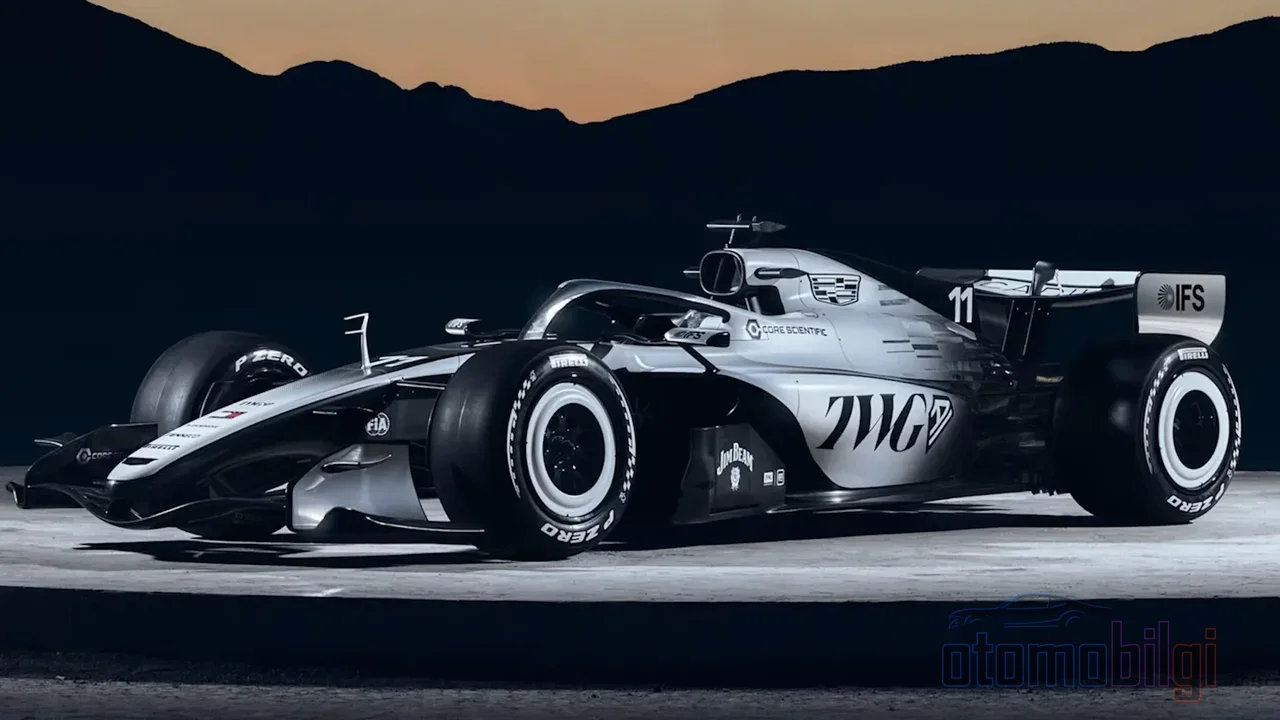
So if the door is closed for 2027, where does the driver go? According to reports, among the options Herta is evaluating are arrangements offering the chance to race in the 2027 Indianapolis 500 and, plans permitting, a return to endurance racing. In October he had stated that IndyCar was still attractive for him and that he was sad to have missed the Indy 500 this year; that statement was a clear sign that part of his heart is still in America.
Towriss also points out that there are options for Herta extending not only to formula racing but also to other branches of motorsport. Viewed from a thirty-year perspective, the picture is familiar: we have seen countless talented American pilots waiting at Europe's door; some of them built serious endurance careers along the way and returned from that path to F1. Whether the roadmap ahead of Herta takes the form of a return to IndyCar or Le Mans-style programs, it depends on whether it intersects with the open seat of 2028. Towriss repeating that the 2028 seat is open and options are on the table is a message that the bridge has not been completely destroyed. On the other hand, when asked about speculation over a sale of team shares, Towriss avoided commenting and said the focus is on team performance; this uncertainty may carry a small, yet real, share in the Herta side's cautious stance.
Is the Door Closing, or Is It Just Narrowing?
The short and honest answer is this: Herta's Cadillac door is closed for 2027; for 2028 the gap is open but narrowing. The team wants commitment with a reserve role and a promise for the following season, while Herta is looking for an active race seat rather than a permeable waiting period. Towriss's expression of disappointment is the name of the clash between these two legitimate positions. An American driver matters to the team; Towriss says so openly. But an emotional preference does not always align with the sporting priorities of a team that has no points in the standings.
In the end, this file is waiting for a decision from Herta. According to Towriss, the driver has already chosen a direction; talks are ongoing but the outcome is uncertain. The real question on Herta's behalf is this: is it to sit in the reserve garage for a year and gamble on 2028, or to return to America or endurance and put the F1 dream on hold? The very process that led this driver to be asked this question has once again shown how ruthless a negotiating table F1 is.
Sources
- Towriss 'disappointed' by Herta's disinterest in Cadillac F1 reserve role
- Cadillac CEO Dan Towriss gives update on Colton Herta's future as he explains why the team opted for Valtteri Bottas extension
- Valtteri Bottas beats Colton Herta to 2027 Cadillac F1 seat
- What now for Colton Herta after Valtteri Bottas Cadillac stay for F1 2027?
- Cadillac F1 to retain driver lineup in 2027, leaving Colton Herta out of mix
- What's next for Colton Herta after losing out on Cadillac F1 seat?