It Was Pramac Who Convinced Toprak Razgatlioglu to Have Surgery
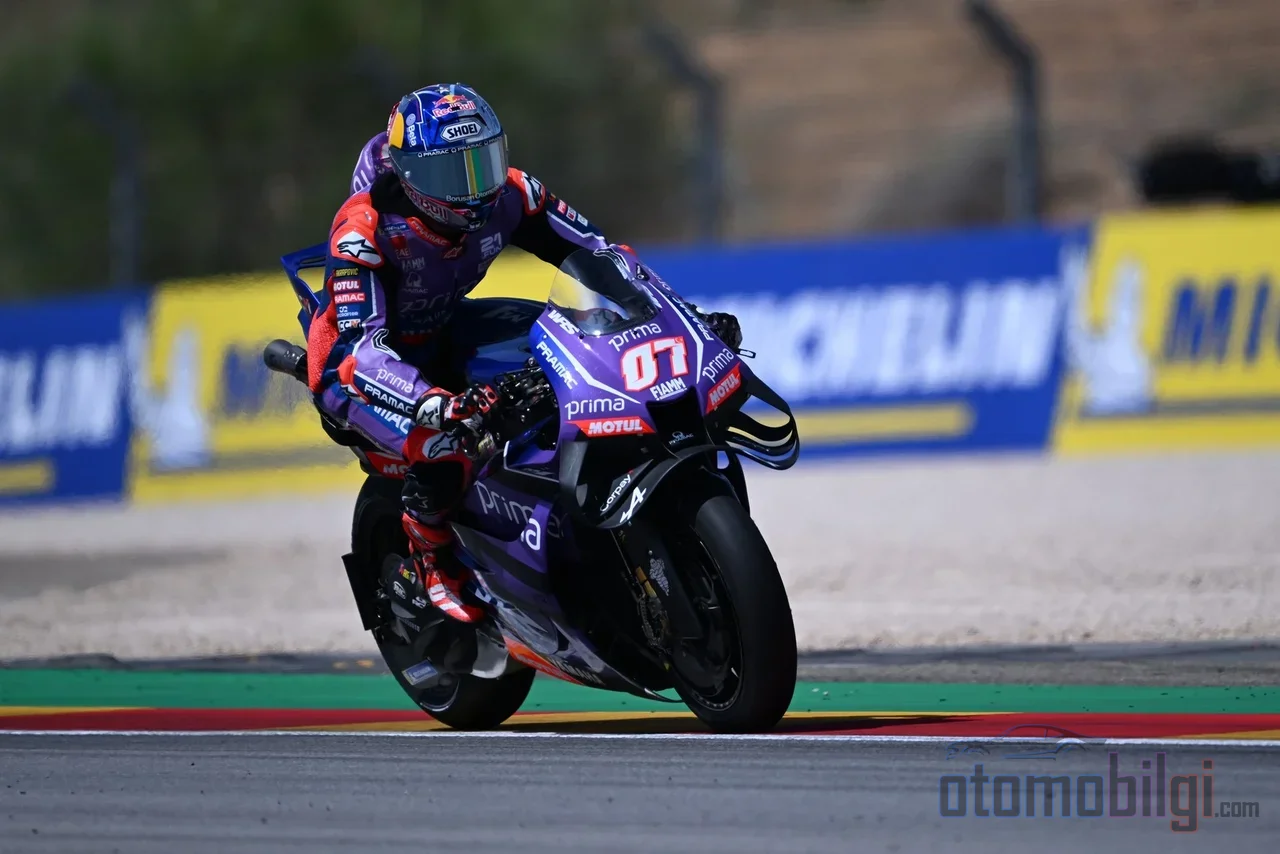
Pramac Yamaha has cleared up an interesting revelation following Toprak Razgatlioglu's early end to his 2026 MotoGP season and shoulder surgery: Convincing their rider to have the surgery was not easy. The story of a team having to persuade an athlete who wanted to avoid surgery after the crash at Mandalika reminds us of a frequently overlooked side of motorsport - the door on the pit wall is closed by a human being.
The Crash and Shoulder Dislocation at Mandalika: What Happened?
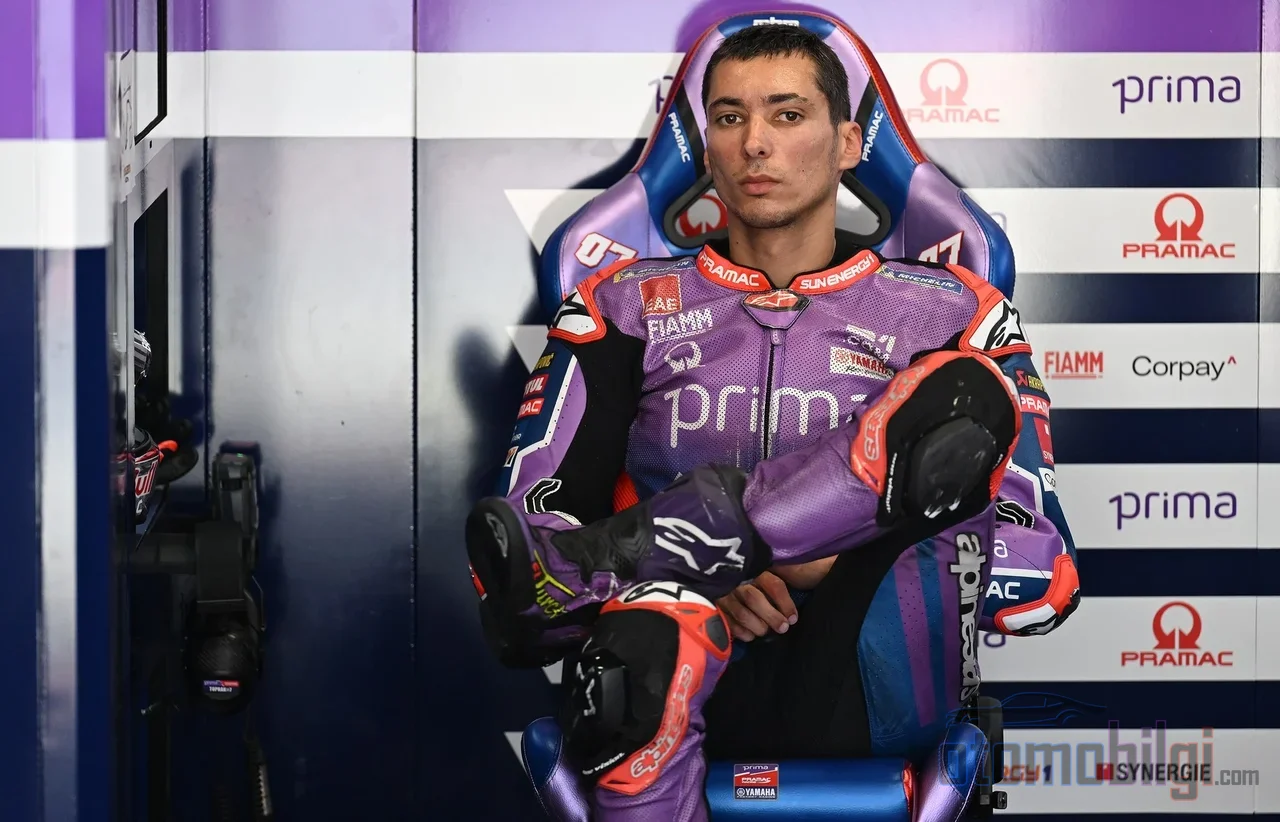
On October 10, 2026, during the second practice session of the Indonesian Grand Prix, things went wrong at the 4.3-kilometer Pertamina Mandalika International Circuit. Razgatlioglu suffered a highside crash - meaning the motorcycle slid out from the rear and threw the rider off. The rider landed on his right shoulder and dislocated it. After the crash, according to one report, the visor film on the ground was also involved; but the most striking detail of the incident came after the crash: Razgatlioglu put his dislocated shoulder back in place by himself.
With an injury this serious, most athletes would immediately step aside. Razgatlioglu did not. He openly stated that he continued racing with the shoulder injury and that he experienced a power problem on the motorcycle. His hope for the rest of the season and his reluctance to have surgery were confirmed by his team's subsequent statement.
Why Did Pramac Yamaha Have to Persuade Him to Have Surgery?
Prima Pramac Yamaha's statement added another dimension to the situation: The team stated that convincing Razgatlioglu to end his rookie MotoGP season early and have shoulder surgery was very difficult. In other words, the architect of the decision was not the rider, but the team. Additional medical checks in Milan revealed that the damage to the shoulder required surgery, and the team had to convince their rider that it was necessary.
For someone who has spent years in this profession, this is not surprising. That is how the racer's mindset works: It covers up the injury, ignores the schedule, and thinks about the next race. But the 5 remaining races in the 2026 MotoGP season do not add up to much compared to the long-term risk that the structural damage in the shoulder could create. The team's proper calculation was not about short-term gains, but about safeguarding the rider's fitness and readiness for 2027. Apparently, the calculation paid off.
Meanwhile, it is worth remembering how delicate Razgatlioglu's position is: The rider had stated that in September 2026 he had even considered quitting racing in 2026 due to the challenges brought by adapting to Yamaha's V4 engine and Michelin tires. For an athlete who wanted to race with an injury under such psychological strain, it could hardly have been easy to come to terms with being steered toward the surgery door.
Highlights
- October 10, 2026: Highside crash at Mandalika, right shoulder dislocation - the rider put his shoulder back in place himself.
- The surgery was performed in Milan on Monday, October 26.
- The remaining 5 races of the season are being missed; including the Australian GP (Phillip Island).
- Pramac Yamaha stated that convincing the rider to have surgery was very difficult.
- Augusto Fernández is expected to replace him.
Scope of the Surgery and Recovery Process: What Is Known and What Is Unknown
The technical content of the surgery has not yet been shared with the public: Which structure in the shoulder was damaged and which surgical technique will be used have not been announced. This uncertainty is already a topic of debate in the motorsport community. The question being asked is why a pilot whose shoulder was back in place needs surgery - the answer is simple: Even though the dislocated shoulder was put back in place, structural damage may remain in the ligaments, labrum, or cartilage, and this damage does not heal on its own. Since no official technical statement has been made, it is not yet possible to say which structure will be repaired.
What is clear on the recovery side is this: After the surgery, the rider will focus entirely on rehabilitation. The timetable for returning to the tracks will only be set once the course of treatment becomes clear. Since recovery times in shoulder surgery vary depending on the technique and the extent of the damage, giving a return date now is something neither the surgeon nor the team would do. In short, the remaining races of 2026 are definitively lost; the preparation program before 2027 depends on the post-surgery report and the calendar.
The Calendar, the Numbers, and the Rest of the Season
Putting the lost part of the season into a table shows the weight of the situation more clearly:
| Item | Information |
|---|---|
| Date and location of the crash | October 10, 2026, Mandalika circuit (Indonesia) |
| Injury | Right shoulder dislocation (after a highside) |
| Surgery | Monday, October 26, Milan |
| Missed races | The remaining 5 races of the season |
| Replacement rider | Augusto Fernández |
| Return timetable | Will become clear after treatment |
Before the surgery, in his statement on October 20, Razgatlioglu had said that he would undergo surgery and that its purpose was to maximize the chance of returning with full recovery and one hundred percent performance. In other words, the rider's side ultimately had the same goal; the only issue was that accepting it took time. For the rider, the rookie assessment of the season was already modest before the injury: managing to finish in the top 10 for the first time in the remaining races. The injury shelved that goal as well.
Preparation for the 2027 Season: The Real Reason for the Surgery
Everything described so far is an injury story; the real matter is 2027. Razgatlioglu, as the first Turkish rider to move to MotoGP, had declared 2026 an adaptation year, set his goal as a podium, and said that 2027 would be a far more competitive year. The injury and surgery decision should be read as a natural part of this plan: rather than carrying the structural damage in the shoulder halfway, a full repair before the new season is a sensible investment.
On the other hand, there is also movement on the Yamaha front: The development process of the V4-engined MotoGP prototype that Razgatlioglu will also use has been accelerated. In 2027, new 850 cc engine rules will come into effect, and this means a partially fresh start for all teams. It is reported that the duo of Razgatlioglu and Izan Guevara will form the rider lineup of Prima Pramac Yamaha in 2027; however, it should be noted that this information has not yet been sealed with an official announcement.
It's not a bad idea for no one to wait around with bated breath. There are also cautious voices in the paddock about 2027: Pirelli's boss argues that Razgatlioglu won't have a big advantage in MotoGP in 2027. On the other hand, the assessment that the first season will be an adjustment period, and that adapting to the tires and the rigidity of the motorcycle will be necessary, paints a more balanced picture. The common ground between the two views is this: Rather than declaring 2027 a year of prophecy, it's necessary to wait for a healthy shoulder and a completed winter preparation.
Why Was Toprak Razgatlioglu Forced to Be Persuaded Into Surgery?
The answer to the question asked in the middle of the page is now clear: Razgatlioglu acted with a racer's mentality, choosing to keep racing despite his dislocated shoulder and avoid surgery; After Mandalika, he tried to stay on track while experiencing a power problem and did not want to have surgery. Pramac Yamaha, meanwhile, put the structural damage revealed by the additional medical checks in Milan ahead of the remaining 5 races: The surgery, decided on October 20 and carried out on October 26 in Milan, was accepted at the team's insistence in order to maximize the rider's chance of a full recovery and a return at one hundred percent performance. The calendar was built accordingly: 2026 is a definite loss, and a return is only possible after rehabilitation.
As someone who has been following this world for more than thirty years, let me add: In the past, teams were much more inclined to keep an injured rider on track; the sponsor calendar and season numbers would be discussed, and the body's voice would be ignored. Now the picture has changed - long-term rider development and contract economics are worth more than the points of a single weekend. Pramac Yamaha's decision, therefore, is not just a health news item; it is also a sign that MotoGP has matured in its rider management. Razgatlioglu keeping alive the hope that he can make a difference in 2027 is a natural outcome of this story; the real test will begin after the surgical bandage comes off.
Sources
- Pramac: It was very hard to convince Toprak to end the season and have surgery
- Official: Toprak Razgatlioglu will not be able to race for the rest of the 2026 MotoGP season
- Toprak Razgatlioglu explains the "power problem" after his shoulder dislocation in Mandalika
- Toprak Razgatlioglu to undergo surgery: The remaining 5 races of the season
- Alarming crash for Toprak Razgatlioglu: He put his dislocated shoulder back in place
- Toprak Razgatlioglu's MotoGP season is over! He will have surgery on October 26
- Toprak Razgatlioglu will have surgery on his shoulder and will miss the rest of the season
- Toprak: "I hope I can make a difference in 2027"
- Yamaha is accelerating the V4 project that Toprak Razgatlioglu will also use
- Toprak Razgatlioglu: "I thought about quitting racing in 2026"
- Pirelli boss: Toprak won't have a big advantage in MotoGP in 2027