Rider Transfers in MotoGP: How Does the Silly Season Work?
Share This Page
On the track there is only throttle and braking for 40 minutes, while in the paddock another race has been running for hours: the seat race. In MotoGP, the number of grid spots is limited, while the number of riders is as large as everyone who dreams of it. That is why every year, as some teams' contracts approach their end, the rumor storm that begins is called the Silly Season - in other words, the "crazy season". So how exactly does this market work, what clauses go into the contracts, and why is 2027 being called the craziest transfer period ever? Let's lift the curtain on the paddock gossip.
What Is the Silly Season and When Does It Start?
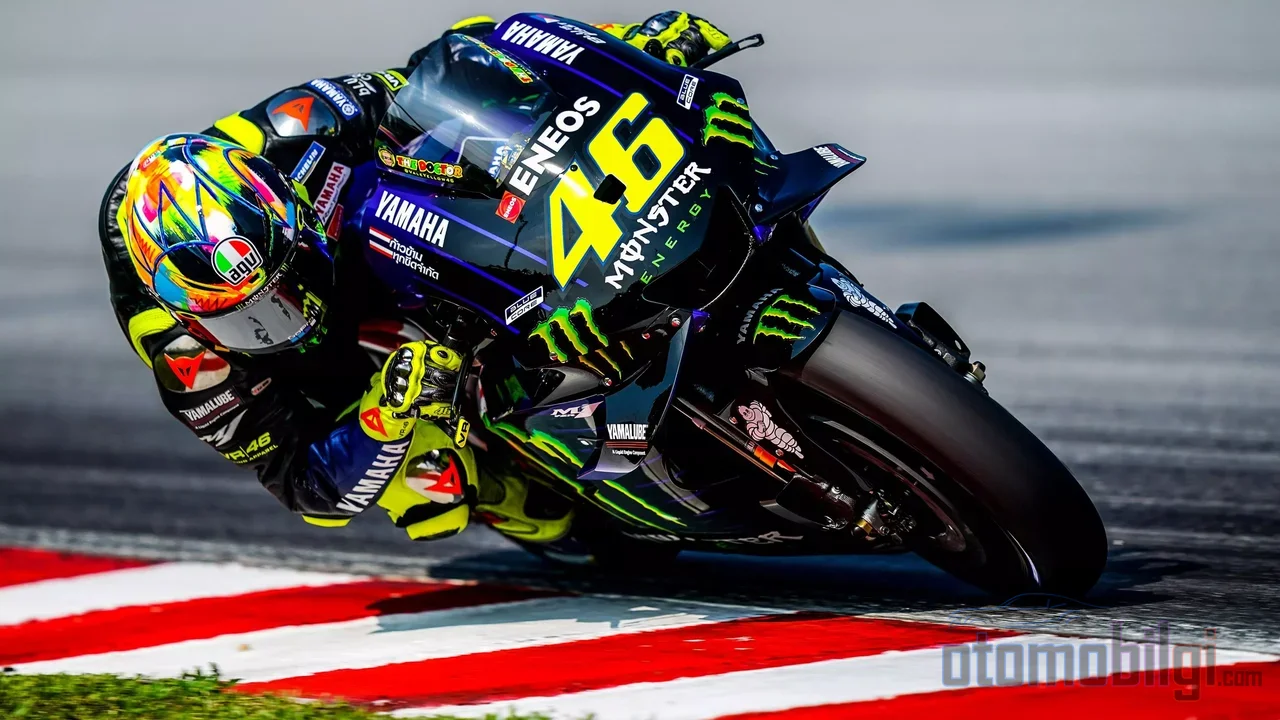
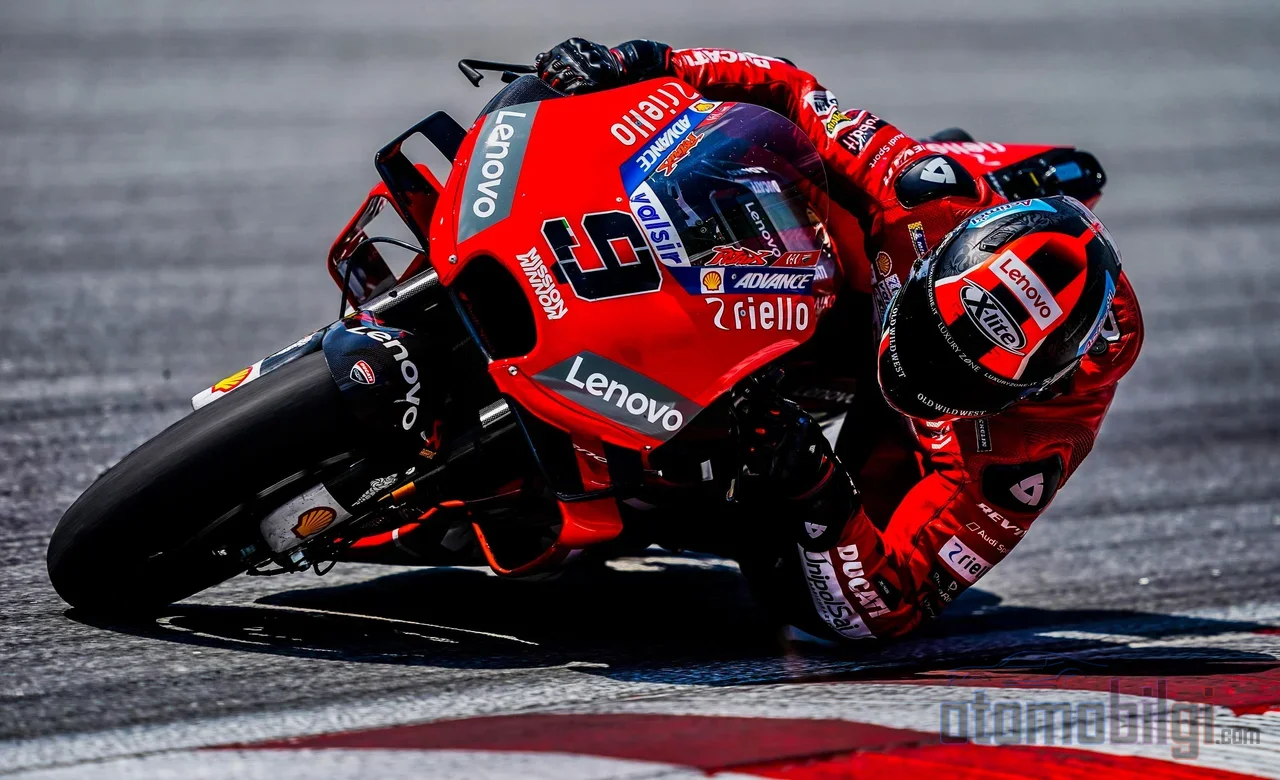
The Silly Season is the name given to the whole collection of transfer rumors circulating in the paddock during the period when MotoGP riders' contracts are nearing their end. There is no official calendar; even a team merely starting to talk with a rider fuels the speculation. There is no set opening date within a fixed season either, but in practice the mechanism always works the same way: first a big name moves, then the dominoes fall one by one.
For the 2026 season, all 22 seats could only be signed after a chaotic contract process lasting about 11 months. In other words, half the grid starts talking about next season before the first race of the season has even been run. Before 2027, the situation is even wilder: all the riders on the grid had their contracts ending together at the end of 2026. The new agreement between teams and owners, coming on top of this, created a domino effect and triggered announcements one after another. That is why the 2027 Silly Season is being described as the craziest one yet.
Highlights
- All 22 seats on the 2026 grid were signed at the end of an 11-month process.
- MotoGP plans to introduce a base salary of 500,000 euros for all full-time riders from 2027.
- In 2027, engines drop to 850cc, tires switch to Pirelli, and the factory-satellite team distinction disappears.
- On the new grid, Ducati for the first time in 17 years will not have an Italian rider in its lineup.
What Is Inside the Contracts? Options, Bonuses and Salaries
A MotoGP contract doesn't just include salary and duration, as you might think. The agreement between the team and the rider; also covers engine guarantees, option clauses, and performance bonuses. The most common structure is this: a fixed salary plus bonuses tied to race results. So every time a rider steps onto the podium or takes a win, the extra items in the contract come into play. A championship also brings extra income, but it is not reflected in the base salary - it is paid through bonuses.
The numbers are interesting: a rider who signs for a low salary can receive a bonus of around 250,000 dollars for a single MotoGP race win. In other words, a single critical contract clause can change a season's earnings. Even the mechanics are usually paid small bonuses tied to their rider's wins - it is a way for the team to row toward the same goal.
Alongside bonuses, option clauses are also the main currency of the Silly Season. If you see expressions like "2028 + 2028 option" in a contract, it means the second year depends on the team's unilateral preference. For example, VR46's deal with Nicolò Bulega, whom they brought up from the academy, is structured exactly this way: 2027 guaranteed, 2028 optional. Options are also a source of rumors, because whether an option will be exercised can be debated in the paddock for weeks.
And a big change is on the way: MotoGP plans to introduce a minimum salary of €500,000 for all full-time riders from 2027 onward. The goal is to increase fairness and financial security. It is no coincidence that riders have made attempts to form a union in recent years; everyone knows how modest the salaries at the lower tiers of the grid can be.
Factory Team or Satellite Team? What's the Difference and What Will Happen in 2027?
To understand MotoGP's rider market, you need to know the team structure. Factory teams are squads directly owned by the manufacturer that use the most up-to-date equipment. Satellite teams, on the other hand, are privateer teams: Since MotoGP motorcycles are not normally put up for sale, these teams use leased bikes from the manufacturer, and depending on their budget they can get current-spec machines or one-year-old models. Traditionally, factory teams have always had the advantage in this structure.
But that order is changing too. From 2027 onward, the factory-satellite distinction is being abolished: all teams will be counted as "independent," similar to Formula 1, and will receive the same financial support. The number of bikes on the grid is also capped at 24 - currently there are 22. It is debated whether this change will make the competitive order tilt in favor of the factories; teams like Gresini are skeptical that the gap will grow. Let me use a crutch of an analogy: the current system is like a football league where some teams play with fringe players while others play with world stars. The new rules attempt to close that gap a little.
The structure's importance in the rider market is also significant: Was Jorge Martin winning the championship in 2023 with Pramac, that is, with a satellite team, a one-off event in history, or a sign of the new order? In a system where every team will be considered equal after 2027, the answer to this question could change completely.
From Moto3 to MotoGP: How Do You Climb the Career Ladder?
There is an official ladder to reach the MotoGP grid: Moto3, then Moto2, then the summit. At the bottom of this ladder are steps like the Road to MotoGP program and, as part of it, the Red Bull MotoGP Rookies Cup; almost all modern MotoGP champions came through this system. The program's goal is also clear: talent should come first, and financial power should not determine a career.
2027 will be a historic breakout year from this ladder. From Moto2, the grid is taking on multiple rookies: Dani Holgado (21) and David Alonso (20) have already signed their contracts; Senna Agius, Manuel González and Izan Guevara were competing for the final seats. The Moto2 championship itself was so tight that the gap between the leader and sixth place was only 81.5 points - meaning the talent scouts were taking notes every race weekend. Think of it this way: if the league's final match decides every team's championship, every player puts on a show. Moto2 is exactly like that.
There's another interesting layer to the rise: some riders are getting a direct promotion to the factory team. Moto2 champion Diogo Moreira is the name moving from LCR to Honda's factory team; Fabio Di Giannantonio and Ai Ogura also sat in a factory team seat for the first time. One observation from Moreira is particularly striking: the 850cc transition and Moto2's bigger engine could radically change how rookies adapt to MotoGP. Riders who already use Pirelli tires in Moto2 will be ready on the tire front when MotoGP also switches to Pirelli in 2027 - they'll need to adapt their riding styles, but their head start is undeniable.
How the 2027 Grid Took Shape? Notable Transfers
After the new Concorde Agreement was signed, the paddock practically exploded; Ducati made three major announcements within days. The result? Nearly all the seats found their owners before the season even ended. Here's the grid at a glance:
| Team | Riders | Notable detail |
|---|---|---|
| Ducati | Marc Márquez, Pedro Acosta | Márquez signed until the end of 2028 on his return from injury |
| Aprilia | Marco Bezzecchi, Francesco Bagnaia | It took a contract until the end of 2030 to convince Bagnaia |
| Yamaha | Jorge Martin, Ai Ogura | Ogura, the first Japanese race winner since 2004 |
| Honda | Fabio Quartararo, Diogo Moreira | The Quartararo transfer was announced during the summer break |
| KTM | Alex Márquez, Fabio Di Giannantonio | A multi-year contract response to Acosta's departure |
| Pramac | Toprak Razgatlıoğlu, Izan Guevara | At the satellite team because Yamaha's top tier was full |
| Gresini | Joan Mir, Dani Holgado | Holgado was the first 2027 rookie to be announced |
| VR46 | Fermín Aldeguer, Nicolò Bulega | Aldeguer is the team's first non-Italian rider |
| Trackhouse | Raúl Fernández, Enea Bastianini | Moto2 champion Bastianini signed until 2028 |
Two details in this table are particularly striking. First: Francesco Bagnaia, despite being Ducati's most successful rider ever, left the team - and his replacement Pedro Acosta means that for the first time in 17 years, there are no Italian riders on Ducati's roster. Second: Türkiye's pride Toprak Razgatlıoğlu is making his move from WorldSBK to MotoGP with Pramac; he's starting at the satellite team because Yamaha's top team roster was full. This shows us something: just as much as the seat, which floor the seat is on is also up for negotiation. One more note: As of August 2026, five experienced riders from the 2026 grid had no contract for 2027; with teams turning to young names for adaptation to the new bikes, this five-man group of very race-winning, over-30 riders was the biggest question mark in the market.
Here is the real story of the Silly Season: when rule changes, contract economics and career planning all collide at once, the result is the most hectic transfer period in history.
Why Can't the Transfer Period Be Tied to a Window Like in Football?
Football has summer and winter transfer windows; outside them, no one talks to anyone. In MotoGP this is being discussed: an official rider transfer window is being debated, and one of the proposals is for the market to open around two-thirds of the way through the season. But the criticism is also strong; those who argue that transfer chaos cannot be solved with a football-style calendar emphasize that the motorsport cycle works differently from football. The end of a contract, a rule change or a manufacturer's project keeps generating rumors no matter how much you tighten the calendar.
Moreover, most of the 2027 contracts had been signed before the 2026 season had even started; some transfers were announced incredibly early, as early as January. In other words, the market already works very early on its own. Will an official window curb this, or will it just move the rumors to a different calendar? Only time will tell.
In summary: How Does the Silly Season Work?
In MotoGP, the Silly Season is the annual rider market that opens based on the expiry of rider contracts: teams sign contracts structured with fixed salaries, performance bonuses and option clauses; the loan and promotion mechanisms between factory and satellite teams determine the value of the seats; rookies rising from Moto3 and Moto2 fill the last rungs of the ladder. From 2027 onward, 850cc engines, Pirelli tires, a 500,000 euro base salary and the abolition of the factory-satellite distinction will rewrite this market in every respect. So if it were you, which seat would you negotiate for - the security of a factory team, or the lead role in a satellite team? If you have an answer, there may be a seat for you in the paddock too.
Sources
- MotoGP Silly Season 2027: confirmations, movements and wild rumours so far
- MotoGP Group and all 11 teams sign 2027-2031 agreement
- Road to MotoGP | The Official Home of MotoGP(TM)
- MotoGP's wildest Silly Season yet: Every 2027 rider line-up after Ducati's shock moves
- MotoGP Silly Season reveals brutal impact of looming rule changes
- Gresini: New MotoGP rules won't increase gap between factory and satellite teams
- MotoGP discussing the introduction of a rider transfer window
- MotoGP wants to introduce minimum salary for riders from 2027
- MotoGP to treat factory and satellite teams equally from 2027
- The Hidden Economics of MotoGP Salaries: What Riders Really Earn
- How Much Do World Championship Racers Earn and How Do They Earn It?
- What Roles do Satellite Teams Play in MotoGP
- Four reasons why MotoGP's satellite title win will be a one-off
- Diogo Moreira on MotoGP's 850cc switch
- Why Can't a Transfer Window Be Applied in MotoGP Like in Football?