Motorcycle Insurance: 3 Points That Set It Apart from Cars

A rider who applies car insurance logic directly to a motorcycle is usually met with a surprise at the first claim or the first policy renewal. On paper, the two appear to be within the same system: mandatory traffic insurance, optional comprehensive insurance, a no-claims discount, and tiers. But the motorcycle's risk profile is so different from a car's that this difference goes straight down to your premium, your coverage, and even whether you can receive payment in the event of theft. On this page, we take a step-by-step look at the points where motorcycle insurance differs from car insurance, with the figures valid in 2026.
Traffic Insurance and Comprehensive Insurance: The Division of Duties Between the Two Insurances
First, let's clarify the basics, because most of the confusion stems from here. Mandatory traffic insurance does not protect your motorcycle, but the other party who is harmed in an accident. Comprehensive insurance, on the other hand, protects the policyholder's own vehicle; it comes into play against risks such as collision, overturning, falling, theft, and fire. Having comprehensive insurance does not remove the traffic insurance requirement; the two are not alternatives to each other, but complements.
Every motorcycle over 50 cc, including electric ones, must have traffic insurance because it is registered with a license plate. A motorcycle caught without a policy incurs an administrative fine and is banned from traffic until a policy is taken out. Keeping the bike in the garage over the winter is not a solution either; the obligation continues as long as the vehicle remains registered.
2026 Coverage Limits: Motorcycle's Lower Ceiling
There is a detail in the limits valid as of January 1, 2026 that directly concerns motorcycles. For material damages, all vehicle groups converge at the same limit: 400,000 TL per vehicle, 800,000 TL per accident. For bodily damages, however, the picture changes. The per-person limit for injury, death, and medical expenses is 3,600,000 TL; but the per-accident bodily damage ceiling is set according to vehicle type, and for motorcycles this amount is at the level of 10,800,000 TL. For cars, 18,000,000 TL is paid from the same item, and for vehicles such as trucks and tractors, 36,000,000 TL. In other words, under the same mandatory insurance, the per-accident bodily damage ceiling available to a motorcycle operator is lower than that of a car.
These limits increased by approximately 33 percent compared to 2025 and were applied to all policies in force on January 1, 2026 without any additional premium. The applicable limit is determined according to the date of the accident; not according to the date the policy was taken out. After an accident, the insurer is obliged to make payment within 8 business days from the completion of the documents; if payment is not received within 15 days, it is possible to apply to the Insurance Arbitration Commission.
Key Highlights
- In 2026, the material damage limit is 400,000 TL per vehicle, and the per-accident bodily damage ceiling for motorcycles is 10,800,000 TL.
- The maximum premium for motorcycle traffic insurance at tier 1 is 9,669 TL, and at tier 8 it is 2,057 TL.
- Since December 5, 2024, the buyer is required to take out traffic insurance in their own name before the notarized sale.
- The theft coverage in motorcycle insurance can be conditional on alarm or lock requirements at some companies.
- New motorcycles are exempt for the first 3 years, then undergo inspection every 2 years.
What Does Motorcycle Insurance Cover, and Where Does It Differ?
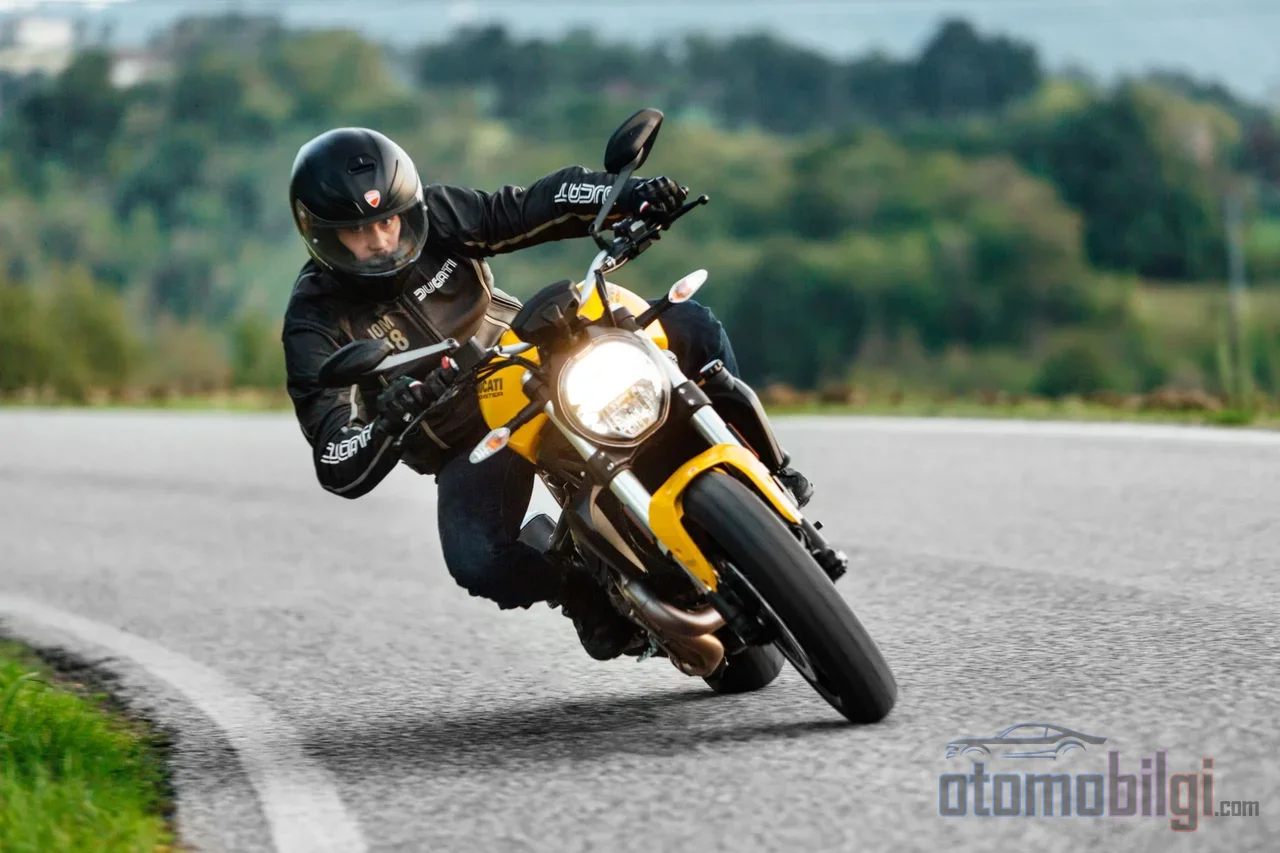
The main coverages of insurance are similar for motorcycles as for cars: collision, impact, overturning, falling, rolling, theft, fire, and malicious acts of third parties. Coverage can be expanded with additional coverages: earthquake, flood, hail, storm, terror and strike, lock replacement, theft of the vehicle along with key theft, wrong fuel filling, no-claim discount protection, increased financial liability, legal protection, and key loss are among the main ones. Factory-installed audio and communication devices and accessories added later as specified in the policy are also considered within the coverage. Two additional coverages specific to motorcycles are especially valuable: driver personal accident and helmet and equipment coverage.
Everything up to this point is familiar. The real difference emerges in how companies price and condition motorcycle risk. Theft risk is significantly higher compared to cars; there is no technical obstacle for two people to take a motorcycle away in a pickup truck. That is why some companies tie theft coverage to an alarm, disc or chain lock, or a closed and secure parking place requirement. If the condition is not met, the damage may not be paid. When it comes to premiums, the picture is not one-sided: since engine displacement is small, traffic insurance premiums are often more affordable than for cars, while in insurance, high-value damage and theft risks can push premiums up. The result depends on cc, model, tier, purpose of use, and driver profile.
Declaration of Purpose of Use: Example of a Courier Motorcycle
Whether you use the motorcycle for individual purposes or for commercial purposes such as motorcycle courier services is evaluated separately in both traffic insurance and insurance. The premium is significantly higher for commercial use; more importantly, a false declaration of use causes payment problems at the time of a claim. Also, not every motorcycle can be insured; companies make the acceptance decision themselves based on the motorcycle's age, brand, and model. There is no cap on insurance prices either; each company applies its own tariff; that is why comparing quotes and looking at the difference between installment and cash prices pays off.
How Do No-Claim Tiers Work for Motorcycles?
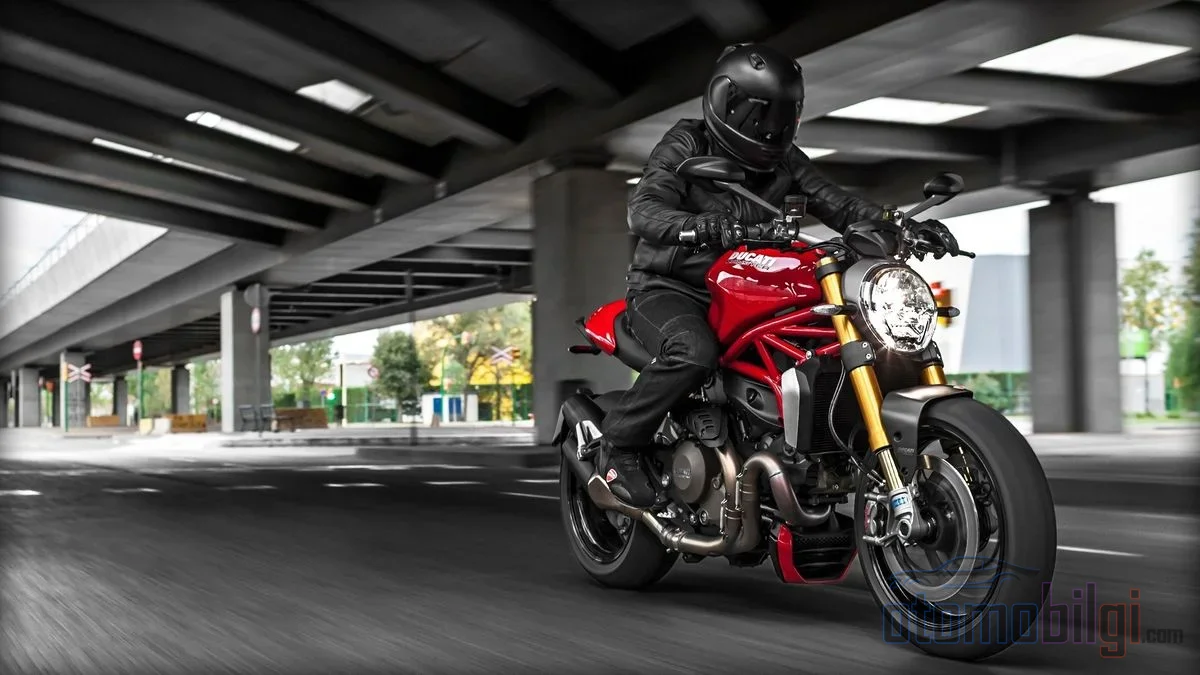
The tier system in traffic insurance works with the same logic for motorcycles as for cars and is tied to the operator, not the vehicle. A new policyholder starts at tier 4. A driver who completes the first year without accidents earns a 10 percent discount on the next policy, and the discount increases gradually with each accident-free year. Tier 7 is the level that can be reached by closing the third year accident-free and provides a 40 percent discount. Tier 8, the highest tier, requires staying at tier 7 for at least 5 insurance years. Have concrete figures at hand for the premium side as well: the cap on motorcycle traffic insurance is 1. step is 9,669 TL, at the 4th step 4,114 TL, at the 8th step 2,057 TL; for electric motorcycles these amounts are somewhat lower. Companies may quote prices below the ceiling, so the actual premium is usually lower than these amounts.
The debate on the agenda regarding the system concerns the regulatory work toward linking the steps to the driver rather than the vehicle. Such a change would mean collecting a driver's no-claims history into a single record for drivers with multiple vehicles. To have a definitive implementation in force, the regulator's announcements must be monitored.
Points Where the Vehicle Diverges in Transfer and Registration Procedures
The rule in effect since December 5, 2024 has radically changed the transfer process: the buyer must take out mandatory traffic insurance in their own name before the notary sale. A notary sale cannot be completed without a policy. The seller's policy terminates with the sale, and the premium for unused days is refunded. This is a regulation that moves the insurance procedure, which used to be squeezed into the post-sale stage, to the beginning of the process and, let's be honest, reduces bureaucracy.
What you need to have for the transfer: the registration document, that is, the vehicle registration certificate, the identity documents of the buyer and seller, a valid traffic insurance policy and valid inspection status. The order of operations also matters, because each step is a prerequisite for the next:
- Check the validity of the inspection; in a second-hand purchase, the inspection is required before the registration transfer.
- If necessary, obtain a "no tax debt" certificate from the tax office before the notary.
- Take out the traffic insurance in the buyer's name.
- Complete the sale transaction at the notary.
- Carry out the registration transfer at the police directorate.
On the inspection side, the motorcycle's schedule starts more forgivingly than a car's: a new motorcycle is exempt for the first 3 years, after which inspection is mandatory every 2 years. You go to the inspection with the registration certificate and a valid traffic insurance policy; if the vehicle is registered to someone else, a power of attorney is requested. Motorcycle inspections are carried out only by appointment; going without an appointment is a waste of time.
Limit Exceedance and Increased Financial Liability (IMM): The Motorcyclist's Real Risk
Although the material damage limit of mandatory traffic insurance is 400,000 TL, a serious accident involving a mid-segment car can easily exceed this amount. The exceeding portion is claimed from the at-fault driver and the operator. Moreover, traffic insurance does not cover certain damages at all: damage to the policyholder's own vehicle, moral compensation, damages to the belongings of the operator's spouse and close relatives, and damages in races and race trials are outside the coverage. A Court of Cassation decision at the end of 2025 once again clarified that the insurer's liability is limited to the limit at the date of the accident; temporary incapacity compensation is covered by the permanent disability coverage, and the total of the two items cannot exceed the per-person limit.
The motorcyclist's most effective weapon in this picture is IMM, that is, increased financial liability coverage. This coverage, which covers damages above the mandatory limits, may also include compensation for emotional distress in some policies. On a vehicle type with a high risk of bodily injury in an accident, bodily injury liability together with driver personal accident and helmet-equipment coverage are the items that truly pay off in a motorcycle policy.
Short Answer: How Does Motorcycle Insurance Work Differently from a Car?
In summary: motorcycle insurance shares the same system framework as cars but differs noticeably in three points. First, in 2026 the per-accident bodily injury cap for motorcycles is 10,800,000 TL, below that of cars. Second, due to theft and bodily injury risks, coverages can be tied to safety conditions, and driver personal accident and equipment protection become the most valuable items of the policy. Third, in a transfer, insurance is a prerequisite for a notarized sale, and the inspection schedule starts with a 3-year exemption. A driver proceeding with habits carried over from cars will inevitably run into at least one of these three differences; one who proceeds knowingly sets up both their premium and their protection more intelligently.