How Is the Comprehensive Insurance Premium Determined? Factors That Raise and Lower the Premium

Share This Page
The comprehensive insurance premium is determined by the vehicle's market value and age, the driver's profile, no-claims history, province of residence, the vehicle's intended use, and the coverage and deductible options you choose. The insurance company scores these components using its own risk tariff, and the premium is calculated accordingly. This is also why two companies may quote different prices for the same vehicle: since comprehensive insurance is not mandatory, each company builds its own tariff.
Highlights
- The basis of the premium calculation is the market value listed in the comprehensive insurance value table updated every month the market value.
- The no-claims discount usually starts in the first year at 30% and can reach up to 50% in stages.
- The average comprehensive insurance premium is set within a range of approximately 1-5% of the vehicle's value .
- The general comprehensive insurance age limit is 15 years; vehicles above this age require special evaluation.
- A narrow-coverage policy or a policy with a deductible can reduce the premium by half .
How Is the Comprehensive Insurance Premium Determined?
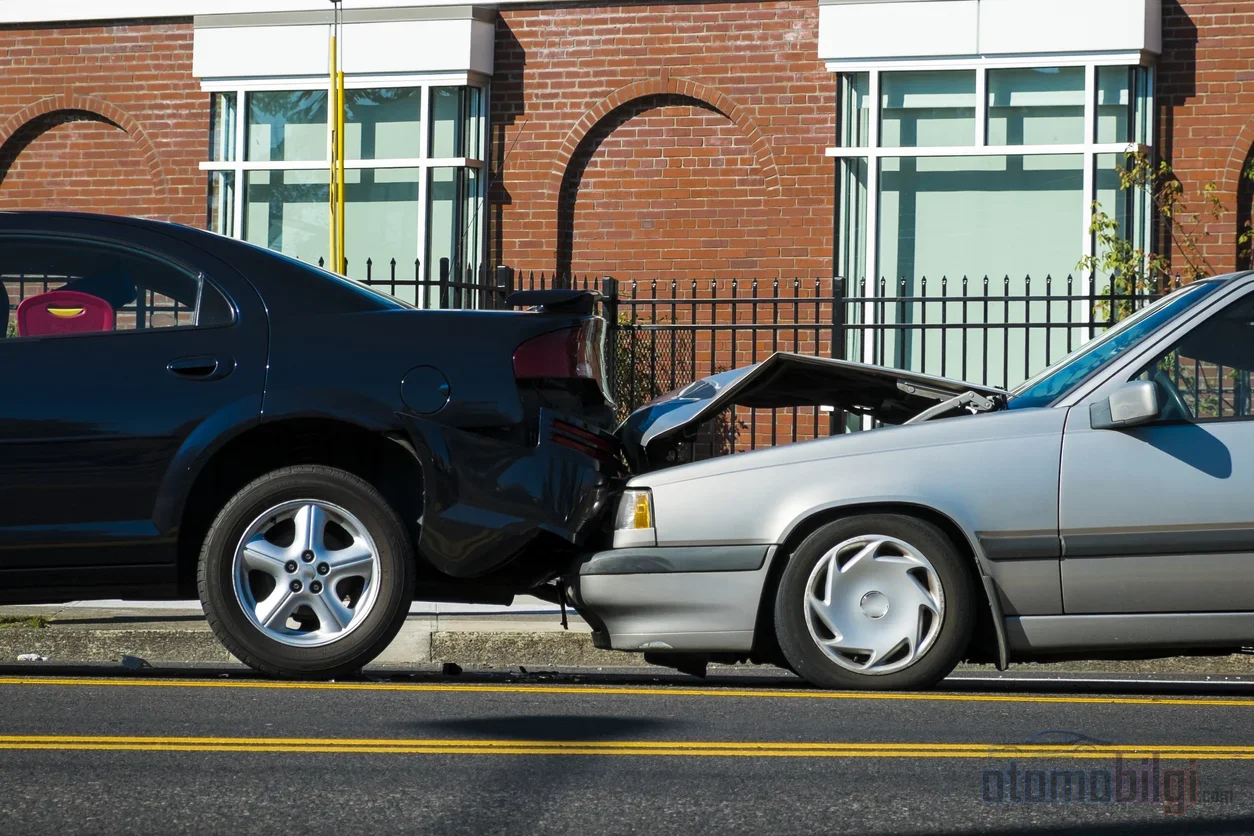
In insurance, the premium is essentially the price of risk. Before issuing a policy, the company asks the following question: how much damage cost can this vehicle and this driver generate for me within a year? To provide an answer, a set of criteria examining the vehicle, the driver, and their history is scanned. Each of these criteria is reflected in the final figure of the policy with its own weight.
It is worth distinguishing between traffic insurance and comprehensive insurance, because their pricing logic also works differently. Traffic insurance is mandatory by law and covers the other party's losses; the state sets its limits every year. Comprehensive insurance, on the other hand, is optional and secures damage to your own vehicle, theft, fire, or damage occurring while parked. Since it is not mandatory, its tariff is free; you can flexibly set the coverages and limits according to your budget. This flexibility is also the reason the price varies so much from vehicle to vehicle and driver to driver.
The vehicle's value, age, and type
The first line of the premium calculation is the vehicle's market value. The Insurance Association of Türkiye publishes a comprehensive insurance value table every month; you can find the vehicle's market value there according to its brand, model, production year, and engine displacement. The premium is calculated based on this value. For brand-new vehicles, manufacturer or importer prices are taken as the basis. As value and equipment increase, the premium also increases; the logic is simple: as the compensation to be paid at the time of a loss grows, so does the risk.
Vehicle age, however, does not work linearly as most people think. It is a pattern my years have shown: brand-new vehicles carry high premiums; mid-aged vehicles with plentiful parts and balanced value are generally the cheapest to insure. In contrast, for vehicles over 10 years old, the premium can rise again, because the difficulty of finding parts and the perception of risk come into play. In other words, the rule "old vehicles get cheap insurance" does not always hold. The generally accepted age limit is 15; vehicles above this age are not listed in the comprehensive insurance value table, and their valuation is done specially based on importer price lists and second-hand prices.
The model's identity also matters. Since luxury and import-part brands have high repair costs, premiums may rise compared to another vehicle at the same price. High-performance, sporty models are also considered riskier. Electric vehicles bring their own unique equation: battery and electronic system repairs are expensive, repair processes are specialized, and software-related risks are a separate item. All of these are added on top of the premium.
Driver profile, address and usage pattern
Comprehensive insurance prices not only the vehicle but also the person behind the wheel. Drivers under 30 and newly licensed drivers fall into the high-risk group; for the same vehicle, the premium for a 30-year-old driver can come out higher than for a 50-year-old. Even profession and weekday vs. weekend usage habits are taken into account.
The province of residence is just as decisive as age. In major cities like Istanbul and Ankara, traffic density, accident frequency and theft rates push premiums up; in smaller provinces the same vehicle is insured noticeably more economically. Purpose of use is another criterion: commercial use, rental vehicles and occupational uses like taxis and shared minibuses that spend all day in traffic are priced higher than a personal vehicle. Don't be surprised if the same model is cheaper for a friend; dozens of parameters may be working differently in the background.
How Does the No-Claims Rating Affect the Premium?
The no-claims system is the strongest component of the comprehensive insurance premium that is entirely within your control. At the end of your first claim-free year, upon renewal you typically receive a 30% discount ; in the second year this rate progresses in steps such as 40% and can reach up to 50%. In practice, there are also examples where the discount has risen to 65%; the upper limit can vary between companies. If you are involved in an accident, the picture reverses: your rating drops on the next policy, for example the discount falls below a 5% step, and you pay that year's premium difference out of your own pocket. Drivers who file frequent claims are additionally subject to a surcharge, meaning a price increase.
For this reason, experienced drivers covering minor damages without filing an insurance claim is not empty stinginess but a calculated choice. Protecting your no-claims history can be far more valuable in the long run than a small repair bill. You can check your current rating and discount rate via e-Devlet; I recommend checking it before renewing your policy.
How Much Do Selected Coverages and Deductible Comprehensive Insurance Affect the Premium?
The policy's scope consists of items manually added on top of the premium. Additional coverages, starting with Voluntary Third-Party Liability, increase the premium; choosing unlimited liability expands the protection but pushes the price up. Moral damages coverage is also added to comprehensive insurance, because traffic insurance does not cover this loss. Extras like original glass, genuine spare parts and a replacement vehicle each mean a separate cost. The service choice also changes the price: an authorized-service-only condition makes the policy more expensive, while accepting contracted or independent service lowers it.
Deductible comprehensive coverage, on the other hand, strikes a different balance. At the time of damage, you cover a pre-determined portion of the loss, usually 1-2% of the damage amount and the company pays the rest. This has two legitimate gains: the premium is noticeably lower than a non-deductible policy; and since you do not "use" the coverage for small damages, your no-claims step remains intact. The cost is this: on the day of damage, you must pay the determined deductible amount out of your own pocket. If your usage habits are risky and small dents happen to you frequently, make your decision by calculating this share.
Why Do Companies Quote Different Prices for the Same Vehicle?
Unlike traffic insurance regulation, comprehensive insurance tariffs are free. Each company sets its prices based on its own risk analysis, customer policy, reinsurance costs and claims capacity. The claims experience a company has gained with a particular brand or province can lead to more cautious pricing in that segment; if claim payments exceed premium income, it has to push the tariff upward. Therefore, the fact that five quotes for the same vehicle and the same driver come out different is not an inconsistency, but the nature of the system.
When comparing, the golden rule is to compare apples with apples. While doing this, make sure the following items match one-to-one:
- Check that the insured value in the policy matches the vehicle's actual market value; a low premium often comes from narrowed coverage.
- Put the coverage scope and comprehensive insurance limits side by side.
- Check whether a deductible applies, what its rate is, and whether they match.
- Verify how much room the policy gives to the no-claims discount.
- Also weigh the quality of service at the time of damage: assistance, towing, replacement vehicle and special terms.
The lowest-looking premium is not always the best solution; two policies that look the same on paper can provide very different service on the day of damage. The reliability of the company and the agency is as important a criterion as the price.
Legitimate Ways to Lower Your Comprehensive Insurance Premium
Shortcuts to lowering the premium are mostly about setting up the policy correctly, not about circumventing insurance. The options that work in practice are:
- Remove extra coverages you do not need; items like cigarette damage coverage take up needless room in the premium if no one smokes in the car.
- Accept contracted service repair; the difference of the authorized service condition is reflected in your premium.
- Opt for narrow comprehensive coverage by removing one of the main coverages; this choice can halve the price.
- Consider a deductible policy, especially if your no-claims step is high.
- Add safety equipment such as a tracking device, alarm or immobilizer.
- Give a single-driver commitment; if no one but you uses the vehicle, it lowers the premium.
- Consolidate your other policies with the same company and preserve your no-claims history.
Entering the market value correctly is also a criterion: writing the value lower than it is shrinks the premium but weakens the coverage; writing it higher than it is means paying for nothing. Hitting the right measure is the essence of this business.
Premium Ranges and Sample Calculation
To give a numerical framework, the average comprehensive insurance premium is prepared at approximately 1-2% of the vehicle's value depending on risk factors; a broader range points to 2-5% of the insured value. The source of the difference is that the premium depends as much on the driver as on the vehicle and the policy preferences. For the same vehicle, the no-claims discount, province of use, and service preference determine the price most.
| Criterion | Premium Impact |
|---|---|
| Market value of 100,000 TL, 3% premium rate | Annual premium of approximately 3,000 TL |
| Average premium rate | Around 1-2% of the vehicle's value |
| Broad price range | 2-5% of the insured value |
| First year with no claims | Usually a 30% discount upon renewal |
| Vehicle over 15 years old | Not in the value list, special assessment |
| Narrow comprehensive coverage preference | Can cut the premium in half |
One final warning comes from thirty years of habit: clarify your needs before you start collecting quotes. Compare a policy built around your own usage and budget, not a ready-made package someone hands you. The reader who knows these criteria behind the comprehensive insurance price is the party with the right to speak at the comparison table.
Sources
- How Is Comprehensive Insurance Determined? How Is the Comprehensive Insurance Price Calculated?
- What Factors Determine Comprehensive Insurance Prices?
- What Are the Factors and Coverages That Determine Comprehensive Insurance Prices?
- Factors That Increase Comprehensive Insurance Premiums the Most in 2026
- How is the comprehensive insurance premium calculated?
- Comprehensive Insurance Calculation Guide by Vehicle Age 2026
- 2026 Comprehensive Insurance Prices - The Best Offers
- No-Claim Discount Levels for Traffic and Comprehensive Insurance
- What Is a No-Claim Discount? When Is It Lost?
- What Is the Traffic Insurance No-Claim Discount?
- What Is Deductible-Exempt Comprehensive Insurance?