The Expensive Math of Not Losing Your No-Claims Discount
Share This Page
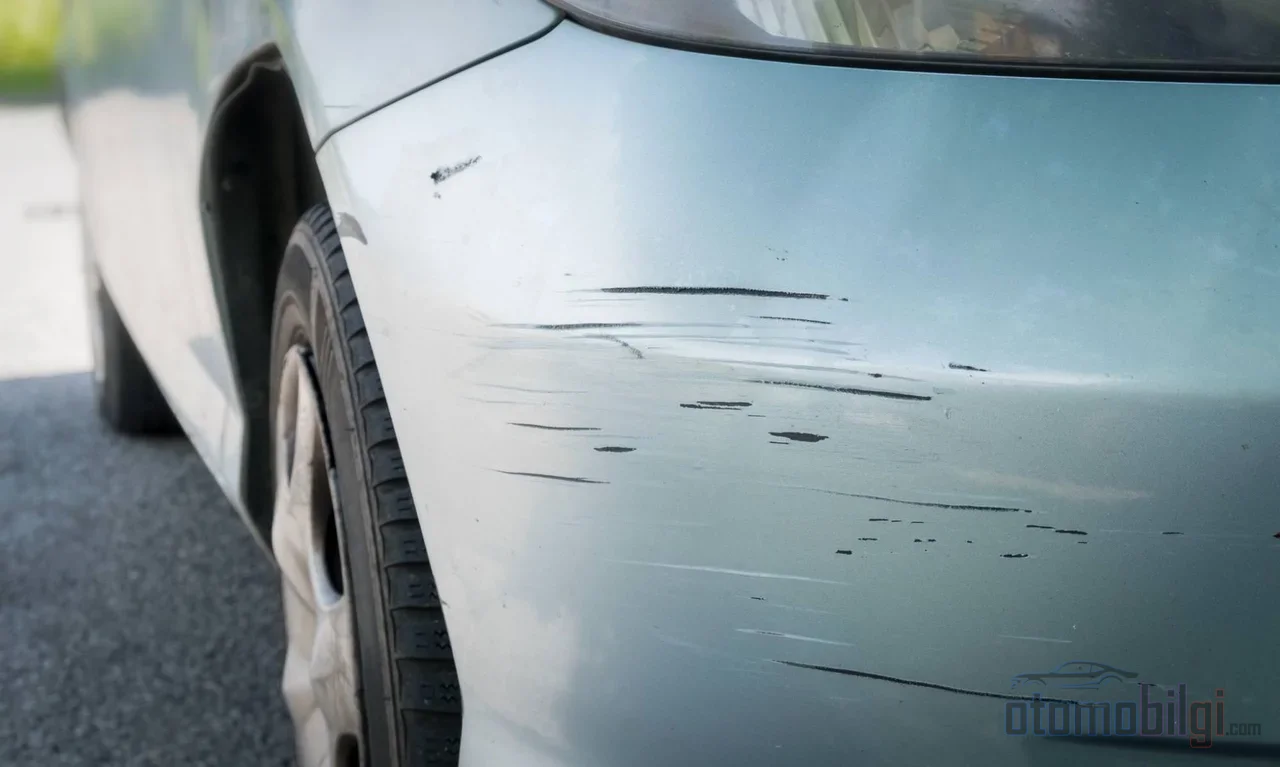
The no-claims discount is a premium discount applied at the next renewal to drivers who complete a policy period claim-free in traffic and comprehensive (kasko) insurance; it works on a tiered structure, is tied to the individual, and in the event of a wrong decision over a small claim, it can quietly erode rights accumulated over the years. That is why when calculating the repair cost of a scratched bumper, the figure that deserves attention is not the repair cost itself, but the discount that would be lost.
Key Highlights
- The no-claims discount in comprehensive insurance typically works with a 5-7 tier structure; at the first renewal after one year, around 30% can be reached, and after the fifth year 60-65% levels are achievable.
- The discount is not tied to the vehicle, but to the individual; even if the vehicle is sold or the insurer is changed, the right remains with the driver.
- Documented accidents where the other party is 100% at fault do not break the discount.
- Multiple claims within the same policy period can lead to the complete elimination of the discount.
- The policyholder's obligation to report a claim after an accident is no later than 5 business days. it is.
How Does the No-Claims Discount Accumulate and Why Is It Valuable?
The system is built on a simple logic: the insurance company rewards each claim-free year and applies a discount rate to the premium at policy renewal. This rate rises like a tiered ladder. In comprehensive insurance, most companies have between five and seven tiers; in common practice, a 30% discount is reached at the first renewal after the first year, 40% in the second year, 50% in the third year, 60% in the fourth year, and 65% in the fifth year. The figures vary between companies: some start at 20% in the first year and reach up to 60% over five years, while in some companies' tables rates as high as 70% can be found. In other words, there is no single fixed table known to everyone; the policy terms and the company's practice must be examined.
Traffic insurance has a similar ladder, but the climb is different. New drivers start at tier 4; there is a total of eight tiers. Reaching the upper tiers requires patience, while losing them is fast. A driver who ends their first year with an accident may face a surcharge, and consecutive claim years can push premium increases to serious levels. For this reason, protecting discount tiers in traffic insurance can become an even more expensive matter than comprehensive insurance.
The most natural way to grasp the value of the discount is through a sample calculation. A vehicle owner who pays 10,000 TL for comprehensive insurance in their first year pays 9,000 TL the next year with a 10% discount, and 8,000 TL with a 20% discount. The figures may seem small, but the gap widens at the upper tiers of the ladder: the difference between the premium paid by a driver renewing with a high discount tier and the premium paid by a driver whose discount has been reset to zero can, in some years, be more expensive than an entire paint repair. That is why the real cost of a small claim is not the amount written on the invoice, but the long-term premium impact of the lost discount tier.
What Loses the Discount, and What Does Not?
The most expensive mistakes made without knowing the rules are gathered under this heading. Let's start with what the at-fault party loses. In an accident where you are found at fault, when the insurance company pays out, the entire discount or part of it is reduced. If a second or third claim occurs within the same policy period, the discount can be wiped out entirely. Taking a long break from renewing the policy also results in the level being reset to zero, especially with comprehensive coverage. And a classic misconception: when the vehicle is sold, the discount is not transferred to the vehicle, because the entitlement is tied to the registered owner's insurance history.
Situations that do not break the discount reassure drivers. Accidents where the fault lies entirely with the other party and are officially documented do not affect the discount, as commonly applied across all companies. Small scratches, dents, and scrapes covered under mini repair coverage generally do not break the ladder. One-off events such as broken glass or a stolen radio vary by company; in some policies they do not break it, in others they do. For someone who has been through the mill, the stance is clear: reading these terms before signing the policy is cheaper than facing surprises at the moment of a claim.
Additionally, if you wish, you can insure your discount against a single claim. The extra protection known as the No-Claim Protection Coverage ensures that your level is protected for one claim notification during the policy period. It may not be necessary for everyone; but for those who spend a lot of time in traffic or drive in congested city traffic, it is worth calculating whether its price is worth it.
A claim does not always reset the discount
A claim record does not always mean disaster. On the first claim, the discount is usually reduced partially; the driver moves back one step, not all the way to the beginning. Complete erasure usually comes into play with multiple claims occurring back to back in the same period. In other words, a single accident does not have to send you to the bottom rung of the ladder; but every step down is directly reflected in next year's premium.
Decision on Small Claims: Pay Out of Pocket or Report to the Insurer?
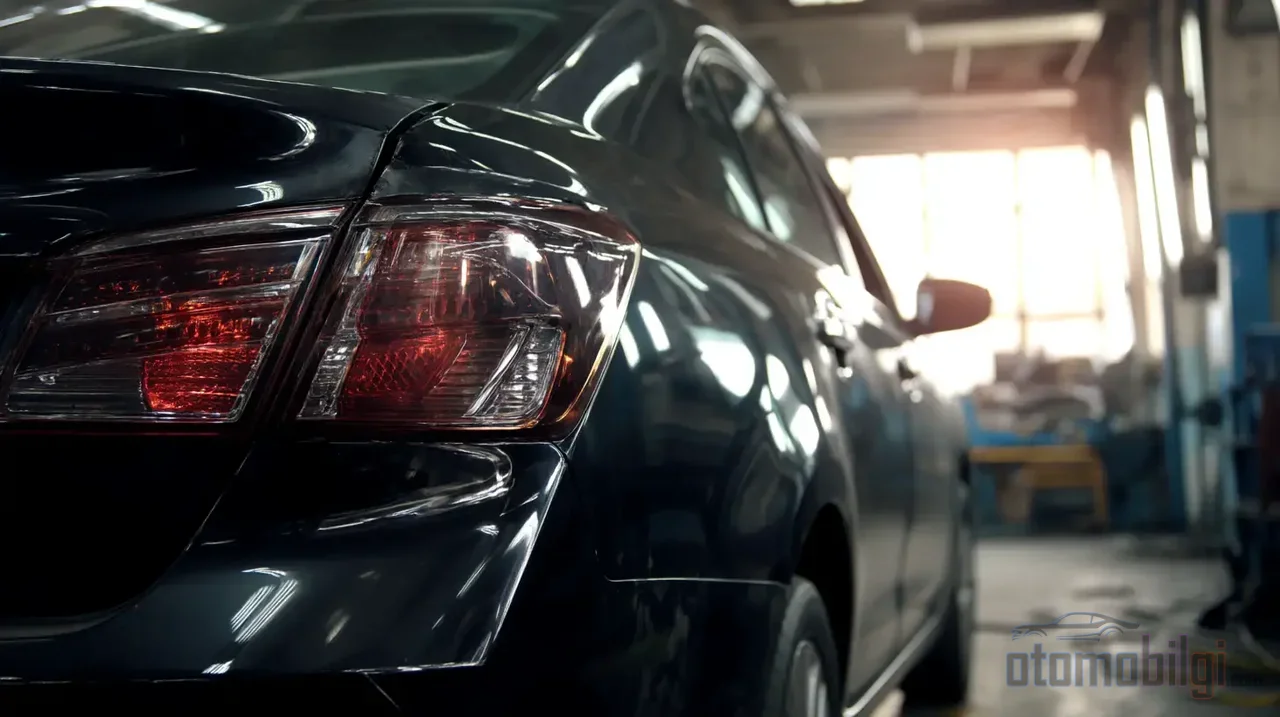
A shallow scratch on the bodywork, a crushed fender in the parking lot, a bumper scraped against a barrier... All of these raise the same question: Should the damage be covered by the policy, or paid out of your own pocket? The answer lies nowhere other than in mathematics. If the damage is covered by the policy, the accident is recorded and a higher premium risk arises the following year. A driver who pays for the same damage out of pocket keeps their no-claim discount intact.
The decision logic is based on comparing two numbers: the repair cost of the damage and the long-term premium cost of losing a step. The first number comes from the mechanic; the second is calculated based on the current premium, the discount percentage to be lost, and the remaining years. For a driver with a high discount level, for example, the cost spread over the years of losing a 50-60% discount entitlement can easily exceed an apparently small repair bill. For a driver on a low step, the same calculation can work in reverse. Giving a definitive threshold is not correct; each driver must compare these two numbers with their own policy.
There is also a separate rule for single-vehicle accidents. In accidents where you hit a barrier, a pole, or a wall with no other party involved, mandatory traffic insurance does not pay for the damage to your own vehicle; such damage is covered only by comprehensive (kasko) insurance. In other words, a driver traveling with only traffic insurance must pay out of pocket in this case, while a driver with comprehensive coverage chooses between reporting the damage and dropping down a level, or paying for the repair themselves and keeping their discount.
Second Vehicle and Step Transfer: Common Mistakes
The most common mistake made by households with a second vehicle is expecting the discount accumulated on the first vehicle to automatically carry over to the second. In traffic insurance, no such automatic right exists; each policy is assessed according to its own history, and discounts cannot be transferred between policies. With comprehensive insurance the picture is more flexible: the earned no-claims right can be carried to a new vehicle and a new company, and transfer between spouses is even possible. Transfer to other family members, however, is not allowed.
Details are also decisive when buying a used vehicle. Providing the vehicle's previous policy details is critical for the step transfer to work; otherwise the system may not be able to make the transfer automatically. Switching to a different vehicle type can also break the continuity of the discount. Some companies may offer a discount above the starting level to a driver who documents the maximum step achieved on the first vehicle for the second one. These opportunities await being asked about at the policy renewal meeting; they do not come knocking on your door by themselves.
How Do You Query Your No-Claims Rights?
You should learn what your accumulated step and past damage records are by querying them, not by guessing. The Insurance Information and Monitoring Center's web query service lets you view your comprehensive insurance history, claims history, and replaced parts information using your license plate or chassis number. There is also a service for querying traffic policy and claims information via e-Devlet. You can learn your vehicle's damage record by sending your license plate via SMS to 5664. When buying a used vehicle, this query is the most straightforward way to check whether the records match what the seller says.
Points to Consider When Reporting a Claim
Whether you decide to use your insurance or pay out of pocket, knowing the notification rules is essential. A claim must be reported to the insurance company immediately after the accident; the policyholder's notification obligation is at most 5 business days. In accidents involving only property damage, the parties can jointly draw up an accident report; this report both makes things easier for the other party and ensures the official recording of the fault distribution. For the faultless party's discount to be preserved, the fault must be documented; without a record, the right cannot be defended.
The documents required in total-loss situations expand: documents such as a declaration or accident report, an agreed accident determination record, an alcohol report, and a driver's license are requested. Being able to gather these documents at the moment of the accident is better than wasting time on phone traffic later. In the past, these matters were handled at the agency's door with pen and paper; now notifications and tracking are mostly digital, but the 5-business-day period and the document order still retain their old rigor.
The Logic of Calculating Your Own Prime Effect
The part left to the reader is this: rather than quoting a current price, to grasp the calculation logic. The method consists of four steps. First, find out your current discount tier and rate. Then, find out the repair cost of the potential damage. Next, calculate the tier you will drop to if damage is reported and the extra cost this will bring to your prime next year; the lost discount is reflected not as an extra increase on the prime but as a lost discount. Finally, compare this difference by spreading it over the long term of the damage: think not in terms of a single year, but of the years it will take for the discount to return to its previous level.
A driver who does this calculation once does not have to think about it a second time. Realizing, after scraping a barrier, that the conversation is more with the percentage on your own policy than with the body shop and the police record is the point where the relationship with insurance matures. Protecting the ladder is less effort than climbing it; but it is natural for those who have climbed for years to think twice before giving up a step.
To summarize: the no-claims discount is the driver's patience rewarded by the insurance company. It is defined on a personal basis, its rates vary from company to company, and it melts away with at-fault and recorded claims. Whether a small damage should be covered out of pocket or through insurance is answered by comparing the damage amount with the long-term prime cost of the tier loss. This calculation, simple on paper, is the one that saves the most money in practice.
Sources
- What Is a No-Claim Discount? When Is It Lost?
- What Is the Comprehensive Insurance No-Claim Discount and How Can You Benefit From It?
- What Are the No-Claim Discount Levels in Comprehensive Insurance?
- What Is a No-Claim Discount?
- What Advantages Does a No-Claim Discount Provide in Traffic and Comprehensive Insurance?
- What Are the Traffic Insurance Levels?
- Online Inquiry - Insurance Information and Monitoring Center
- In Which Cases Does Traffic Insurance Pay Out in a Single-Vehicle Accident?
- Information About Comprehensive Insurance No-Claim Discounts