Kasko or Traffic Insurance? Which One Pays in Which Situation?
Share This Page
Casco is an optional insurance that covers damages to the insured's own vehicle, while traffic insurance is a legally mandatory insurance that pays for the material and bodily damages you cause to the other party in an accident where you are at fault. Which one covers which damage depends on whose vehicle the damage occurred in and under what conditions.
Highlights
- Traffic insurance is mandatory; casco is optional, and they are not interchangeable.
- 2026 period traffic insurance coverage limits: 400,000 TL and 800,000 TL tiers.
- Damages such as theft, fire, hail, and flood are covered only under casco.
- Traffic insurance does not pay for damage to your own vehicle; either casco or you pay for it.
- Penalty for uninsured vehicle 1,246 TL; the no-claims discount starts at 30% after the first year.
When I was starting out in this profession, half of the people who came to insurance offices would ask the same question: "I already have insurance, what is this casco for?" In thirty years the answer has not changed; only the limits and premiums have. Two insurances, two separate doors. One protects the other party, the other protects you. Below, we will go step by step through real-life scenarios to distinguish which policy covers which damage.
The Fundamental Difference: The Insurance of Whoever Suffers the Damage Kicks In
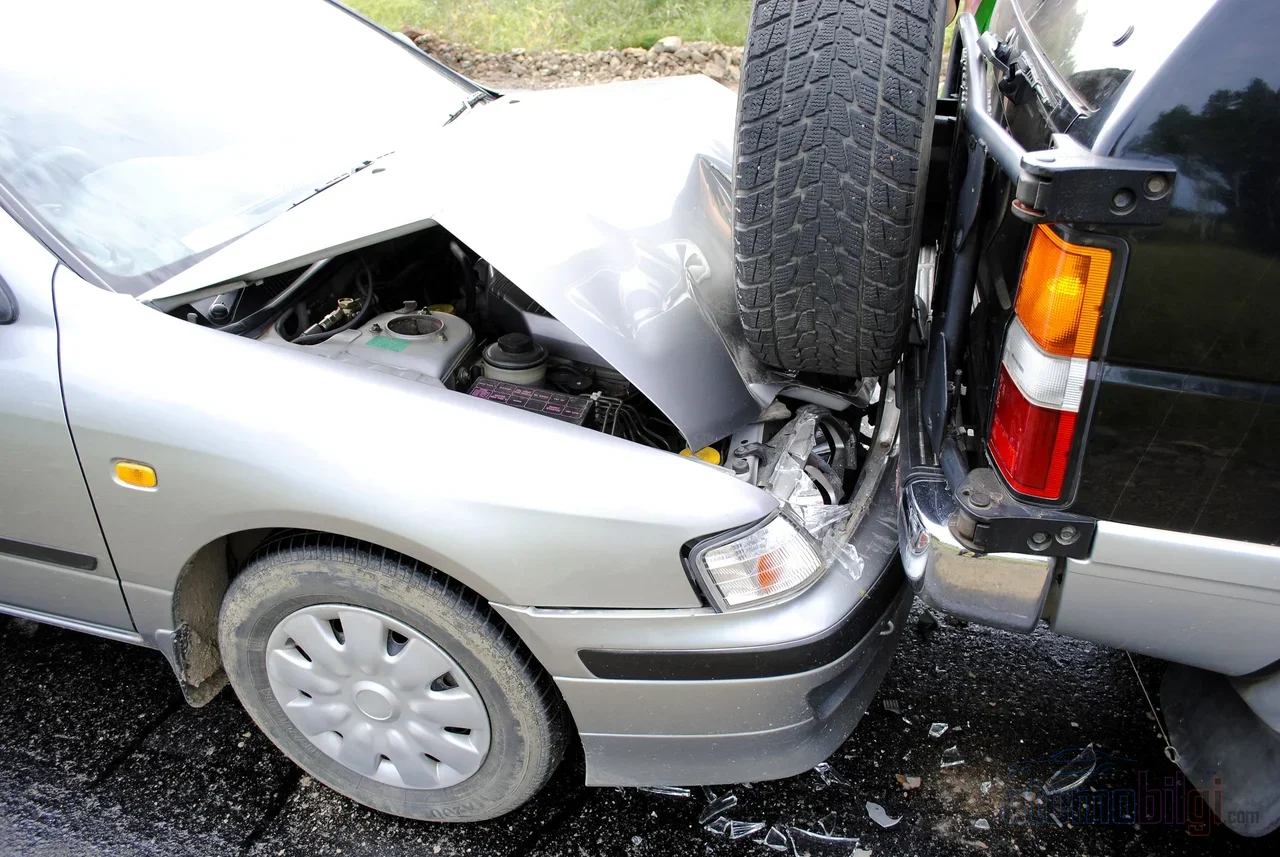
Mandatory traffic insurance is a policy that must be purchased under the Highway Traffic Law No. 2918. In an accident where you are at fault, it pays for the material and bodily damages you cause to the other party, within the policy limits. Casco, on the other hand, covers damages to your own vehicle and purchasing it is up to your choice. An uninsured vehicle cannot take to the road; it cannot even pass inspection. Not getting casco, however, is not a legal issue but a financial choice.
The working logic of the two policies is also different. The upper limits of traffic insurance are set annually by the state; insurance companies cannot exceed this ceiling. With casco, the insured sets the upper limit themselves and designs their policy according to their budget and their vehicle's value. In the past this difference seemed insignificant; today, since the other party's damage can exceed the limits, this is precisely the first area where casco can come into play.
There is also the matter of the vehicle's state of motion. Traffic insurance is valid only in situations such as accidents during traffic; it does not cover damages that occur while the vehicle is parked. Casco kicks in regardless of whether the vehicle is moving or waiting at a traffic light. When you are involved in an accident while parked or driving in traffic, casco can cover your own damage regardless of who is at fault.
| Topic | Traffic Insurance | Casco | |
|---|---|---|---|
| Obligation | Legally mandatory | Optional | |
| What it protects | The other party's damages | Your own vehicle | |
| Damage while parked | Not covered | Covered | |
| Theft, fire, hail | Not covered | Covered | |
| Upper limit | Set annually by the state | Determined by the insured |
Who Pays for the Damage You Cause to the Other Vehicle?
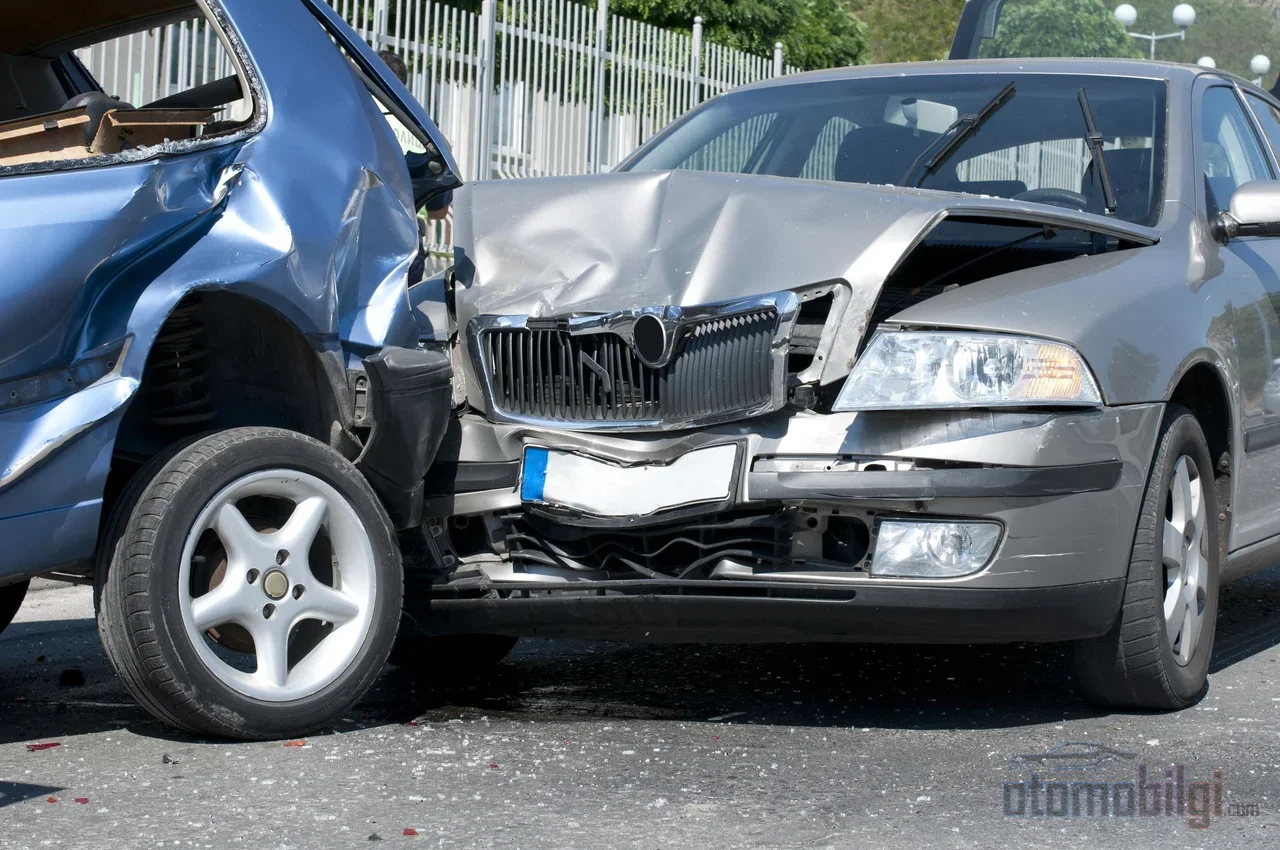
You rear-ended the vehicle in front of you and were found 100% at fault. The entire damage is covered by the at-fault party's traffic insurance, within policy limits. If the fault is partially distributed, such as 75% or 50%, the payment is made proportionally: if you are 50% at fault, you pay half of the other party's damage. It is possible to dispute the fault ratio; accident photos and witness statements come in handy at this point.
The real problem arises with exceeding the limit. If the damage to the other party is 60,000 TL and the upper limit of your traffic insurance is 38,000 TL then the at-fault driver pays the remaining 22,000 TL out of pocket. The contribution of comprehensive insurance here is concrete: the portion exceeding traffic insurance limits can be covered by the comprehensive policy if Voluntary Financial Liability (IMM) coverage has been added. As its name suggests, IMM is an additional financial liability protection you choose to purchase that is not mandatory. Let us also note that compensation for emotional distress claims is outside the scope of traffic insurance; IMM coverage is the area to consider for such lawsuits.
Damage to Your Own Vehicle: Why Doesn't Traffic Insurance Suffice?
Let's look at the same accident from your side: you rear-ended someone, and both vehicles were damaged. Your traffic insurance pays for the other party's damage; the damage to your vehicle is covered either out of your pocket or by your comprehensive insurance. This rule does not change whether or not you are the at-fault party. Traffic insurance never, under any circumstances, covers damage to your own vehicle in an accident where you are at fault.
In an accident where you are not at fault, the other party's traffic insurance covers the damage to your vehicle. In other words, the idea of "I have comprehensive insurance, whether the other party pays or not" works correctly in this scenario; but when the fault is yours, that policy will never do you any good. Since comprehensive insurance can come into play regardless of the fault balance, it remains the most direct way to quickly repair your damaged vehicle.
The situations that traffic insurance does not cover but comprehensive insurance can are not limited to this:
- Damage to personal belongings inside the vehicle
- Theft of the vehicle and damages incurred during a theft attempt
- Damages caused by fire, robbery, and terrorism
- Using the wrong fuel
- Personal accident coverage, substitute vehicle, and roadside assistance services
There is also another option: supplementary traffic insurance. It includes only a few of the comprehensive insurance coverages, its premium is more affordable, but it covers only a portion of the damage. It is not a substitute for comprehensive insurance; it is more accurate to think of it as an intermediate solution for those on a limited budget.
Does Comprehensive Insurance Pay If the Vehicle Is Stolen?
Yes, it pays; because theft is one of the main coverages of comprehensive insurance. If the vehicle is not found within 30 days the market value on the day it was stolen is paid to the insured. If the vehicle is found damaged, the resulting damage is covered under comprehensive insurance within the insurance company's limits. In other words, if the thief drove halfway and abandoned the vehicle, that damage is also covered by the policy.
There is one exception: comprehensive insurance does not pay if the vehicle was stolen under the pretext of official duty or while posing as police. On the traffic insurance side, this scenario does not even exist; damage to a stolen vehicle is not a matter of mandatory insurance, regardless of who is at fault. That is why for years I have summarized it in a single sentence: for every vehicle whose value is meaningful to you, comprehensive insurance is not an insurance product but a necessity.
Hail, Flood and Earthquake: What Is the Situation with Natural Events?
Damages caused by natural disasters are not covered under traffic insurance. If it hailed while you were waiting at a light, or if floodwaters swept your vehicle away, you cannot expect your mandatory insurance to cover it. On the comprehensive insurance side, hail is covered under the "Natural Disaster Coverage"; this coverage is not limited to hail. Disasters such as floods, water damage, lightning, storms and landslides are also covered under broad comprehensive insurance policies.
But let us not omit one warning: not every comprehensive policy automatically covers every kind of natural disaster. For some risks, such as earthquakes, additional coverage is usually required. I emphasize the importance of reading the coverage list when taking out your policy far more than I used to; the limits of your coverage are learned on the day of the damage, not on the day the policy was issued. One of the questions I most often receive from readers is whether a no-claims discount is affected by hail damage; the effect of such non-fault damage on the discount can vary depending on the insurance company's practice.
What to Do If the Other Party Has No Insurance?
If the other party is uninsured and at fault, they must personally cover the material and bodily damage costs. The damage can be claimed individually from the uninsured driver, or the Guarantee Fund can be applied to. The faultless party, even if their own vehicle is uninsured, can claim compensation for bodily injuries from the other party's traffic insurance. If the plate of the hit-and-run vehicle cannot be identified and you do not have comprehensive insurance, you unfortunately pay for the material damage out of your own pocket; in this scenario, comprehensive insurance is the only safeguard protecting the insured.
The fine an uninsured vehicle owner will pay as of 2026 1,246 TL. There is also a recent regulation on the administrative side: it is stated that damage notifications will be received through a single number as of September 1, 2026; this number, which shows how the moment of application will be recorded, is Alo 193. It is worth following the implementation of this; law firm sources also recommend verification of this regulation.
Limits, Premiums and the No-Claims Discount
The coverage limits of mandatory traffic insurance are updated every year. The tiers set for the 2026 period (January 1, 2026 - December 31, 2026) are 400,000 TL and 800,000 TL; the previous year these values were 300,000 TL and 600,000 TL. As the limit increases, the portion of the other party's major damages that can be covered by the policy grows; but the risk of exceeding the limit is never eliminated.
The factors that determine the comprehensive insurance premium exceed the fingers of one hand: the vehicle's features, the driver's history, the coverages added to the policy, deductibles, past damages, and accessories installed later. A warning about accessories: failing to declare parts added later can cause problems on the day of a claim. Penalty points on the driver's license are also factored into the premium calculation; a high score means a high premium.
The no-claims discount is the most talked-about component of the premium. At the end of the first claim-free year 30%, at the end of the second year 40%; climbing one level with each clean year, it rises up to 50%; in some practices, with a discount covering both traffic and comprehensive insurance together, the reduction can reach 60%. Pay attention to two details: the comprehensive insurance policy is renewed exactly 1 year after the date it was first issued, and missing the expiry date puts your discount at risk. Also, in comprehensive insurance, the no-claims discount ends when the vehicle is sold and continues when a new vehicle is purchased; the discount on traffic insurance, however, continues even after the vehicle is sold. Whether a single claim completely wipes out your discount level depends on the companies' practices; there are also cases where the discount entitlement in subsequent years is not entirely erased by a claim.
How to Choose According to Your Own Risk Profile?
One of the questions has been circulating on forums for years: if comprehensive insurance protects both my own vehicle and the other party with compulsory financial liability coverage, why is traffic insurance mandatory? The opposing view is also clear: these are fundamentally two unrelated types of insurance; traffic insurance is made mandatory to protect third parties and state property. My opinion is this: seeing the two as rivals misses the spirit of the matter. Traffic insurance is a legal floor for you; comprehensive insurance, above that floor, is a decision about where you place your own vehicle.
In my view, there are three practical criteria. The first is the vehicle's value: if the market value is a meaningful amount for you, comprehensive insurance pays for itself at the first claim. The second is the manner of use: if you drive long distances in heavy traffic, the risk distribution is not in your favor. The third is the risk of the other party exceeding limits: adding compulsory financial liability coverage to your comprehensive insurance is the cheapest insurance that limits the amount you would have to pay out of pocket in a serious accident. In 2026, electric vehicle owners also have items to add to the list: battery damage, damages that may occur at charging stations, theft of cables and connection equipment, and home charging unit (Wallbox) coverage. These EV-specific items are gradually becoming standard in policies.
Summary of the summary: traffic insurance pays for the other party's damage if you are at fault and within the limits. Your own vehicle, theft, hail, flood, and damage while parked are a matter between you and comprehensive insurance. Getting both is not a luxury; getting one and skipping the other is the decision with the most expensive answer on the day of damage.
Sources
- Coverage Limits for the 01.01.2026-31.12.2026 Period (KMAZMSS) - TSB
- What Are the Differences Between Comprehensive and Traffic Insurance? - Sigortam.net
- What Are the Differences Between Comprehensive Insurance and Traffic Insurance? - Fiba Sigorta
- What Are the Main Differences Between Comprehensive and Traffic Insurance? - Magdeburger
- Differences Between Traffic Insurance and Comprehensive Insurance - HDI Sigorta
- What Does Traffic Insurance Cover, and How Much Are the 2026 Limits? - Sigortam.net
- Does Comprehensive Insurance Cover Damage in Case of Vehicle Theft? - Sigortam.net
- Does Comprehensive Insurance Cover Hail Damage? - Aksigorta
- Comprehensive Insurance - Allianz Türkiye
- Does Comprehensive Insurance Cover Vehicle Damage in Natural Disasters? - Sompo Sigorta
- What Happens If You Have No Traffic Insurance in an Accident? - Supersigortam
- What Should Be Done If You Have No Traffic Insurance at the Time of an Accident? - Minval Hukuk
- Traffic Insurance Compensation: Receiving Damages from the Other Party - Sunay Yıldırım
- Factors Affecting Comprehensive Insurance Premiums - Fiba Sigorta
- What Is the No-Claim Discount? When Is It Lost? - Türkiye Sigorta
- New Trends in Comprehensive Insurance in 2026 - Ideal Sigorta
- traffic insurance vs comprehensive insurance - Ekşi Sözlük