What Should You Look For When Comparing Comprehensive and Traffic Insurance Quotes?
Share This Page
Correctly comparing two insurance quotes requires much more than looking at the price tag: a decision made without examining coverage limits, deductibles, write-off and theft valuations, whether additional coverages are included, and differences in the general terms comes back with unexpected bills at the moment of a claim. The right question is not "which policy is cheaper" but "how much of it does each policy actually pay for the same money."
Highlights
- The upper limit of traffic insurance is fixed; in comprehensive insurance, the policyholder sets the limits themselves.
- Two quotes with the same premium can offer entirely different scopes due to differences in deductibles and additional coverages.
- According to the general terms of comprehensive insurance, the vehicle is covered up to its market value on the date of the damage.
- Write-off threshold: when the damage reaches at least 70% of the vehicle's market value , it is considered a total loss.
- In comprehensive insurance with a deductible, a predetermined amount belongs to the policyholder with each claim; in return, the premium decreases.
First, Let's Clarify: What Do Comprehensive and Traffic Insurance Cover?
Having been in this business for over thirty years, I can say that the root of most comparison mistakes lies in confusing the two insurances. Traffic insurance is mandatory by law and covers the other party's property and bodily damages in an accident where you are at fault. Comprehensive insurance, on the other hand, is optional and covers the damage to your own vehicle: along with main risks such as impact, collision, fire, and theft, damages that occur while parked can also be included in the coverage.
This distinction also directly affects the comparison. The upper limit of traffic insurance is fixed and updated every year by the authorized institution; the portion exceeding the limit is paid out of the policyholder's own pocket. Let's go through an example: if the other party's damage is 60,000 TL and your policy's upper limit is 38,000 TL , the remaining 22,000 TL becomes your debt. With comprehensive insurance, the table is reversed; the upper limit is variable, and you can narrow or expand the coverages and limits according to your budget. In short, in traffic insurance you are comparing a standard product, while in comprehensive insurance it is a package designed by the policyholder themselves. The two are not alternatives but complements to each other; and complementary traffic insurance is no substitute for comprehensive insurance, as it only includes a few of its coverages.
| Feature | Traffic Insurance | Comprehensive Insurance (Kasko) |
|---|---|---|
| Obligation | Mandatory by law | Optional |
| Whose damages it covers | The other party's damages | Damage to your own vehicle |
| Upper limit | Fixed, officially updated every year | Variable, determined by the policyholder |
| Damage while parked | Not covered | May be covered |
| Theft, fire, robbery | Not covered | Among the main coverages |
Insurance Quotes Comparison: After the Premium, the First Place to Look: Coverage Limits
When you have two comprehensive insurance quotes in hand, the first thing to do is to start from the coverage table, not the product name. Two policies sold under the same "comprehensive insurance" title may include all of the main coverages in one and only a portion in the other. Narrow comprehensive coverage covers a section of the main coverages; extended types add additional clauses on top of collision, fire, and theft. Even if the product name looks the same, the content differs between companies, and even between different products of the same company.
The second step is to read the compensation upper limit of each coverage line by line. Additional coverages such as voluntary liability, personal accident, wrong fuel usage, replacement vehicle, and roadside assistance are decisive in the formation of the premium; the most common reason a quote comes out cheap is that these items are either completely absent or set with symbolic limits. The third step is to ask what the limit is based on. According to the general terms of comprehensive insurance, the vehicle is covered up to its market value as of the date of damage; the policy states which reference this market value is based on. If the value lists used by two companies for the same vehicle differ, the repair cost to be paid in partial damage and the amount to be paid in a total loss will also differ.
Six questions for comparing additional coverages
- Is there voluntary liability coverage and what is its limit?
- Is a deductible applied to the glass coverage?
- Are roadside assistance and a replacement vehicle included, and what are the duration and limits?
- Has mini repair or original parts warranty been added to the contract?
- Is there a no-claims bonus protection coverage, that is, will the discount be lost in a damage year?
- Does the theft coverage cover personal belongings inside the vehicle?
The answers to these six questions usually distinguish two quotes far more clearly than the premium difference. Comparing policies used to mean nothing more than a price list obtained from a few agencies; now that we can see policy details online, there is no excuse left to call it laziness.
Why Is a Quote With a Deductible Not Always Best for You?
A deductible means that a predetermined portion of the damage covered by the policy is borne by the insured. In return, the premium decreases; in a policy with a 2% deductible, a certain amount or percentage belongs to the insured in every claim. The first question a reader who sees a low premium should ask is this: does this policy have a deductible, and how much is it? A comparison made without taking the deductible difference into account is like comparing apples to cabbage.
At this point, it is also necessary to point out the difference in approach in the market. Some insurers offer the deductible as a standard and legitimate way to reduce the premium; others view policies with deductibles cautiously, saying that expecting the insured to pay out of their own pocket at the time of a claim can shake expectations. Both approaches have a rationale. To speak frankly, both are right: a deductible makes sense to a disciplined driver, but becomes a burden to a driver who experiences a few small claims a year. When comparing, do not choose a quote with a deductible without honestly evaluating your own claims history.
Total Loss and Valuation Difference: The Money That Comes Out of Your Pocket at the Actual Moment of Damage
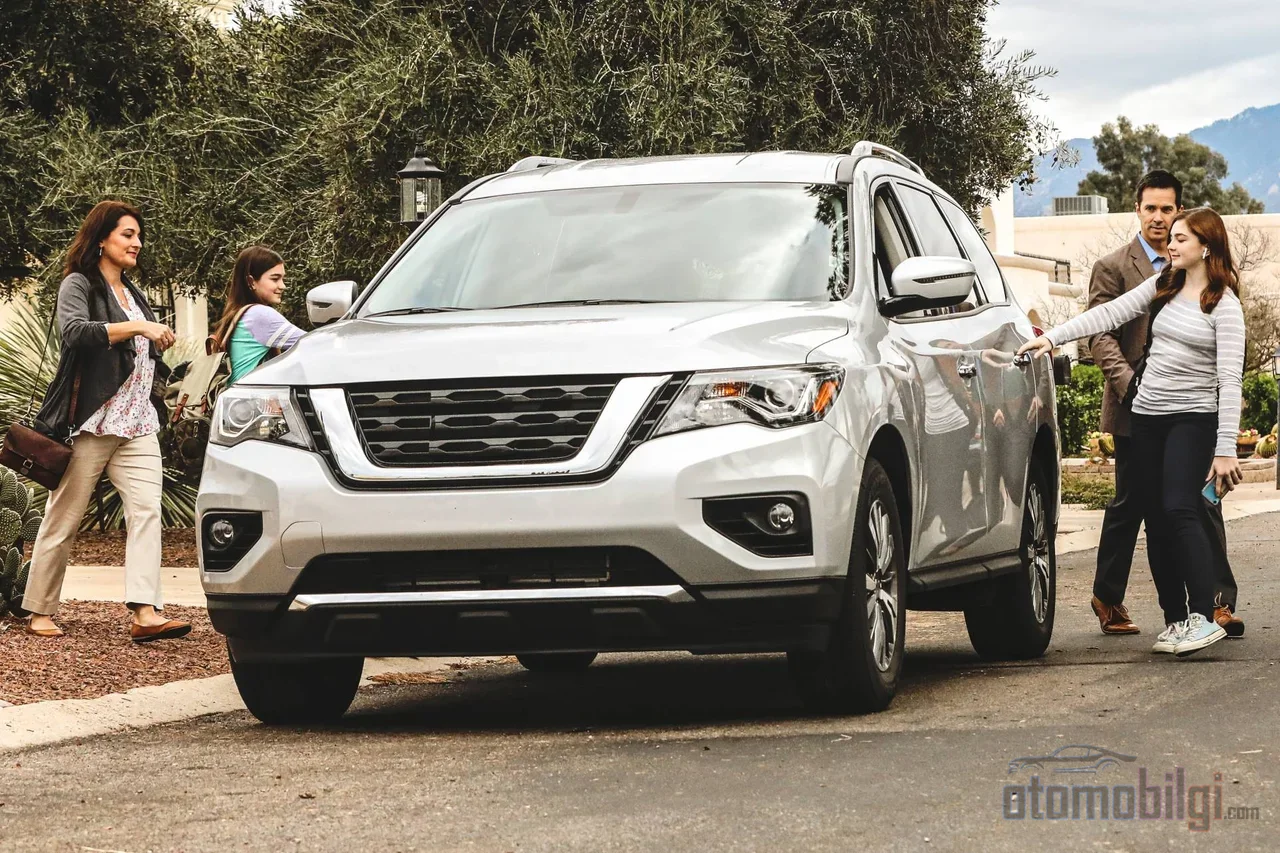
The most commonly skipped item when comparing offers, and the most expensive one at the time of damage, is valuation. A total-loss vehicle is one that has sustained at least 70% damage after an accident, rendering it unusable, with repair costs approaching its market value. In this case, the insurer pays not the repair cost but the vehicle's market value as of the date of damage. In partial damage, the repair cost is also covered; however, the payment cannot exceed the market value on the date of damage. In other words, which valuation list your policy is based on directly determines the amount of money you will receive.
Two practical conclusions follow from this. First, before comparing the premiums of two offers, write down on the same line which valuation reference each one uses; if there is a difference, the premium difference is not that cheap. Second, if you drive an old but well-maintained vehicle, think in advance whether the market value would be sufficient in the event of a total loss; in legal practice, compensation is as a rule the market value on the date of the accident, and a claim for the remaining total-loss amount is a separate process. Products such as narrow (total-loss-only) comprehensive insurance protect only against severe damage from risks such as fire, theft, earthquake, and flood; those who prefer this simple structure based on their vehicle's value should buy it knowing exactly what they are getting.
Why Should the Policy's General Terms Be Read Before Comparing Prices?
Every comprehensive insurance policy is built upon the General Terms of Motor Vehicles Comprehensive Insurance. This document defines the subject of the insurance, its geographical scope, and its exclusions; items such as losses occurring outside the borders of Türkiye and situations arising from strikes, lockouts, and civil commotion are defined here. Another factor determining the premiums of two offers is the companies' special terms: situations not paid under one policy may be covered under another.
The alcohol situation is a good example of this; items of this kind, which appear among the situations where no payment is made under the general terms, must be read before purchasing the policy to see how they are regulated. Similarly, damage notification periods, the contracted service network, and payment speed do not appear only on paper; this is the first story a customer who has experienced damage will tell. The half hour you dedicate to the general terms section when comparing could be your highest-yielding half hour over the years.
How Does the No-Claims Discount Affect the Comparison?
The no-claims step system, which provides lower premiums in subsequent periods to drivers not involved in accidents during the policy period, is the hidden cost item of the comparison. The discount increases with every claim-free year; sources show that discount rates can reach levels of up to 50% or 60%. On the other hand, if damage occurs, the step drops and a surcharge is applied: damage in the first year can lead to a drop to the third step with a 45% premium increase, and if damage occurs in the second year as well, a drop to the second step with a 90% premium increase and similar outcomes.
When comparing, check three things. If the policy includes a no-claims bonus protection coverage, the discount is not lost even if a claim is reported during the policy period; this clause can offset the premium difference. In comprehensive coverage, the no-claims discount ends when the vehicle is sold and continues with the new vehicle; in traffic insurance, it stays with the driver regardless of the vehicle. Finally, do not leave renewal to the last day; letting the policy expiration date pass creates the risk of a late fee and loss of discount, and a decision made under time pressure is usually the wrong decision.
Five Classic Mistakes Made When Comparing Quotes
Over the years I have answered hundreds of reader questions; mistakes repeat in surprising ways. The list below covers the ones I encounter most often and how to fix each one:
- Using the lowest price as the sole criterion: Compare coverage, not price; the cheapest policy can produce the most expensive outcome at the moment of a claim.
- Trusting the product name without reading the coverage details: Two products with the same name may have different content; examine the coverage table and special conditions line by line.
- Skipping the deductible terms: Do not decide without calculating how much of the premium difference comes from the deductible.
- Confusing comprehensive coverage with mandatory traffic insurance: One does not replace the other; they cover different risks.
- Leaving renewal to the last day: A policy taken in haste is usually the one regretted the following year.
Add to these the habit of not asking questions. Do not hesitate to ask the agency or platform providing the quote: "What is the limit of this coverage, do you apply a deductible, which valuation list do you use in case of a total loss?" The party that hesitates to answer is usually the one who knows the answer will make you think.
Conclusion: Choose Not the Cheapest, but the Most Suitable Coverage
When comparing two insurance quotes, set up the order like this: first put the coverage tables side by side, then write the limits and deductibles on the same line, note the valuation reference and the differences in the general terms, and look at the premiums last. The premium is the last link in this sequence, not the first. Getting quotes from multiple companies is still the healthiest method; but as much as the number of quotes, how thoroughly you read them is also decisive. That is the essence of insurance anyway: the premium you pay is the return on a single phone call you will make on the day of a claim. What you will hear in that call, you are deciding today.
Sources
- What Are the Differences Between Comprehensive and Traffic Insurance?
- What Are the Differences Between Comprehensive and Traffic Insurance?
- How many types of comprehensive insurance are there? What are the coverage options?
- Insurance Product Coverage Scopes and Additional Agreements
- What is a deductible in comprehensive insurance? How is it calculated at the time of damage?
- How Much Does Comprehensive Insurance Cover? Damage, Total Loss, and Limit Guide
- What is Total Loss Comprehensive Insurance? Can a Severely Damaged Vehicle Be Insured?
- General Conditions of Motor Vehicles Comprehensive Insurance
- What is the No-Claims Discount?
- What Are the Differences Between Mandatory Traffic Insurance and Comprehensive Insurance?