No-Claim Discount Guide: Steps, Transfers, and the Right to Compensation
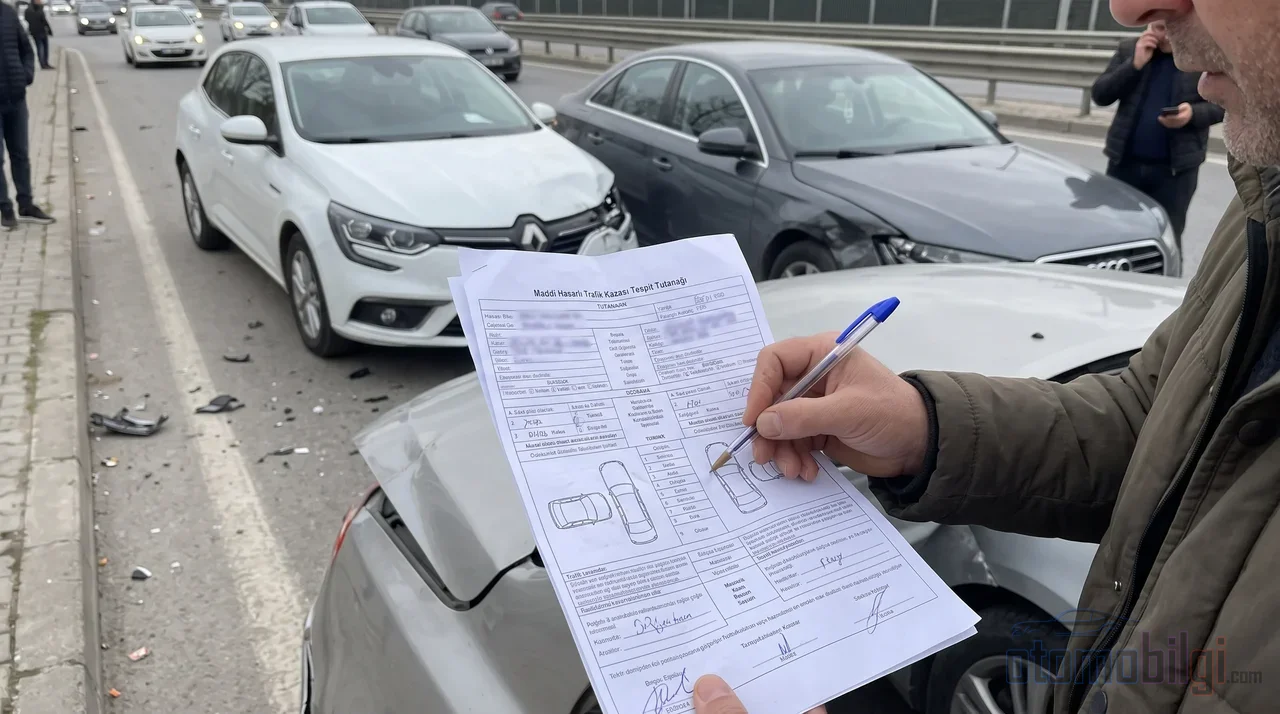
Share This Page
The no-claims discount refers to the discount you earn on the premium you will pay the following year when you complete your policy period without any claims. In traffic insurance, it is kept in a step system ranging from 0 to 8, it is defined to the individual and is tied to the policyholder, not the vehicle. Even if the vehicle is sold, the right continues for the same type of vehicle; however, in case of policy cancellation and some damage notifications, this right may be partially or completely lost.
Highlights
- In traffic insurance, the first policy starts from step 4 ; the highest tier is step 8.
- The discount is defined to the individual; the new owner of the vehicle cannot benefit from the previous owner's discount.
- As of January 1, 2026 a step correction can be requested in the new policy after a vehicle sale.
- Being a faultless policyholder, accidents and a one-time glass damage do not break the discount.
- Changing companies does not affect the discount; the step is tracked from the central record.
What Is the No-Claims Discount and Who Is It Defined To?
The logic of the system is simple: when pricing the risk, the insurer looks at the driver's history. Every claim-free year works in your favor, while a faulty accident works against you. That is why the no-claims discount serves both as a reward and a deterrent; while the careful driver's premium decreases, a surcharge is applied to the driver who frequently reports damage.
The point where you need to establish a solid habit is this: this right belongs to the insured who is the registration holder, not the vehicle. Let me say this as someone who has been in this business for over thirty years, one of the most common mistakes is assuming that the discount belongs to the vehicle. When you sell your vehicle, the buyer cannot benefit from your step; likewise, the past damage record of a vehicle you bought second-hand does not affect your step.
How Does the Step System Work in Traffic Insurance?
In traffic insurance, no-claims discounts are kept in steps numbered from 0 to 8. Everyone who takes out a policy for the first time starts at step 4, meaning the standard premium without discount. Each claim-free policy period moves you one step up. For the highest tier, step 8, there is a separate patience requirement: at step 7, one must remain claim-free for at least 5 policy periods .
| Step | Status | Premium Effect |
|---|---|---|
| 4 | Starting point | Standard premium without discount |
| 5 | 1 claim-free year | 5%–15% discount |
| 6 | 2 claim-free years | 20%–30% discount |
| 7 | 3 claim-free years | 40%–45% discount |
| 8 | Top tier | 50% discount |
| 3 | Surcharge | Approximately 50% premium increase |
| 2 | Surcharge | Approximately 100% premium increase |
| 1 | Surcharge | Approximately 150% premium increase |
| 0 | Lowest tier | Approximately 200% premium increase |
The discount rates at intermediate steps may have changed from period to period according to tariff revisions; the most correct approach is to verify the current rate from your policy or the official tariff. As much as the rates themselves, how the mechanism works matters. Let's go with an example: if you have a faulty accident in your first policy year and the insurance pays compensation, you drop to step 3, which means approximately a 45% premium increase meaning. If you file a claim again the following year, you drop to step 2 and the increase doubles. In the past, these records were kept in insurance companies' own ledgers; now the step history is tracked in a central system through SBM records. Your history is not lost when you change companies; your new company checks the record.
How Does a Claim Affect the Discount, and Which Claims Do Not Break It?
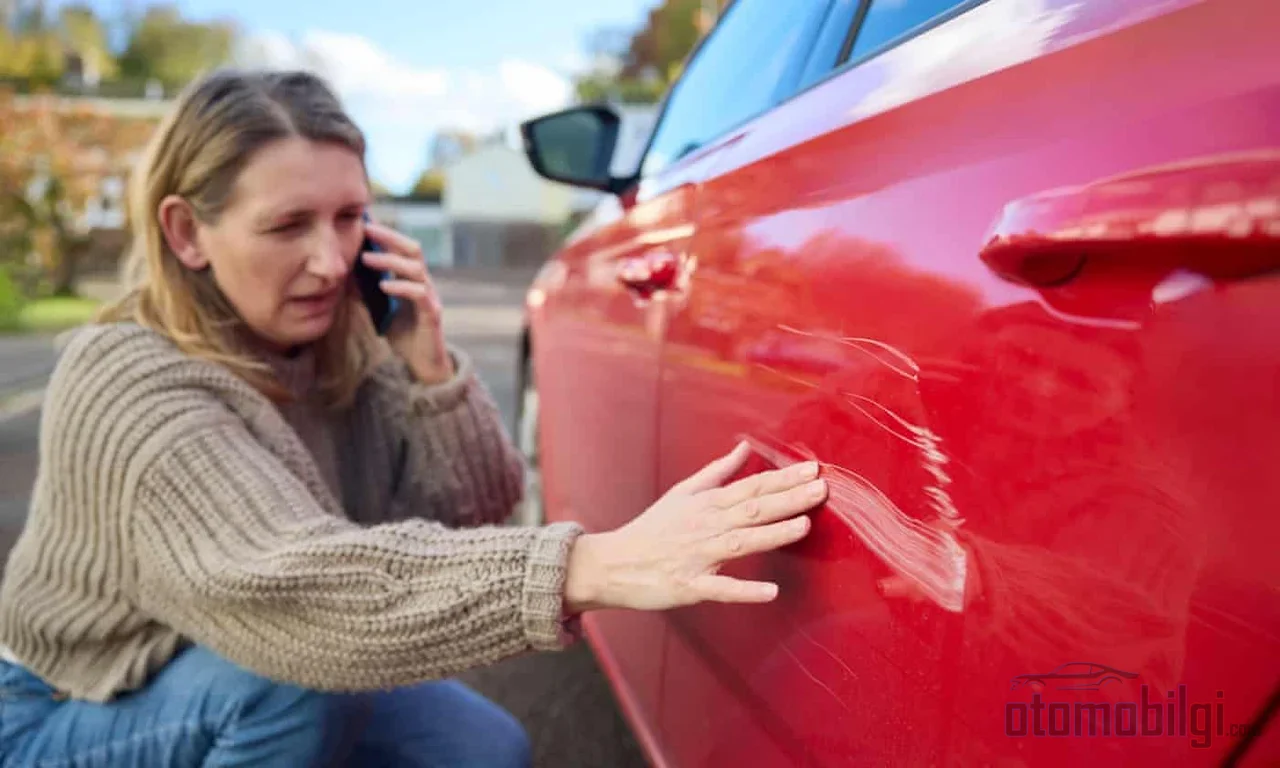
The basic rule is this: If compensation is paid by the insurance company for an at-fault accident, all or part of the discount is reduced and, by regulation, the next policy applies one step lower. Multiple compensation payments may additionally affect the step calculation. In other words, two small accidents in a single year cost more than one accident.
Situations That Do Not Break the Discount
Not every claim lowers your step. The following situations protect your no-claims entitlement:
- Small damages such as scratches and scuffs inside or outside the vehicle
- A one-time only glass breakage or crack
- Theft of the radio
- Accidents in which the other party is entirely at fault; if you are a fault-free policyholder, your discount is not affected
- Small damages covered under the mini repair coverage in comprehensive insurance
No-Claims Discount Protection Coverage
In some comprehensive insurance policies, no-claims protection or additional protection coverage can be purchased. If this coverage exists, the discount is preserved even if a claim is filed once during the policy period. Regardless of the premium difference, it is an option worth considering for frequent drivers; however, it is essential to read its conditions specific to your policy.
Claim on Insurance or Pay Out of Pocket for Minor Damage?
This is a classic dilemma worth dwelling on. As long as you do not claim the repair on your policy, your no-claims discount continues; when you cover a small damage yourself, your step stays intact. The discount you lose when your step drops is often greater than the cost of a small repair. For this reason, for drivers with a no-claims discount, covering small damages such as a scratch on the front bumper themselves can be advantageous in the long run. Think of it with a rough calculation: One compensation payment drops you one step, and the premium difference of a few points per step is reflected in your premium for years. On the other hand, if the damage is serious, paying out of your own pocket is not sensible; when setting your limit, compare the repair cost with the long-term discount loss.
Does the No-Claims Discount Transfer When Selling a Vehicle?
This is one of the most frequently asked questions, and the answer is usually reassuring. Since the discount is defined per person, your entitlement does not burn out when you sell your vehicle. If you buy a new vehicle of the same type - such as from car to car - the discount continues from the step you were on, without any time dependency. If you switch to a different vehicle type, for example a pickup truck, the starting step 4 and a discount-free premium apply.
The process works somewhat differently on the comprehensive insurance side: The policy is canceled upon sale and the premium for unused days is refunded. Since the earned no-claims discount remains with you personally, it can be used for your new vehicle's comprehensive insurance.
Let's also note a new development: Following the Undersecretariat of Treasury, the authority now in charge of the regulations announced on December 19, 2025 that, as of January 1, 2026, a step correction can be requested for the policy of a previously purchased new vehicle after a vehicle sale. The application is made through the agency or the insurance company, and it applies not only to those with an advantageous step but also to policyholders in a disadvantageous position. On the other hand, it should be noted that the 5-vehicle rule regulation that came into force in 2026 does not confirm the interpretations that claims-free discounting has fully shifted to a driver-based system; the system still operates under its current rules.
As for transfers between spouses, there is no clear picture: In traffic insurance, some practices say that a claims-free discount transfer between spouses is not possible, while other explanations state that transfer is possible only between spouses. At this point, it would be appropriate to confirm the current practice with your insurance company or the authority. In the case of death, a clearer rule applies: The discount does not pass to heirs. There is also a time factor: If there is a long gap between two policies, some companies may lower your tier.
Does Policy Cancellation or Renewal Delay Burn Your Discount?
Delaying renewal in traffic insurance does not cause you to lose your claims-free entitlement; however, it is not a free flexibility either. For every 30-day delay period after the policy's end, a 5% surcharge is applied, and the upper limit is 50% surcharged premium. In other words, your entitlement remains, but more comes out of your pocket. That is why noting the policy end date on your calendar is a simple but money-saving habit.
The picture is stricter in casco: If you take a break from the policy, you may lose your discount entitlement. The only way to protect your claims-free entitlement is the uninterrupted renewal of the policy. In the past, periods of changing companies with claims-free certificates circulating hand to hand were tense; today the old company is required to send the claims-free certificate to the new one, and the centralized SBM record shows this information to every company simultaneously. Changing companies does not cause you to lose your discount entitlement.
How Is the Claims-Free Discount Calculated in Casco?
The step system in traffic insurance is determined by legislation; in casco, the rates depend on the insurance company's product conditions, and there is no ceiling price practice. The common tier structure is as follows: The first claims-free year gives roughly 30%, the second year roughly 40%, and the third year roughly 50% discount. In some products, rates can be seen rising up to 60-70%. This is why differences arise from company to company; when getting a casco quote, not only the annual premium but also the claims-free tier policy should be compared.
Since past policy and claim records in casco can be viewed by all companies through the SBM, there is no option of concealing my claims from a company; everyone looks at the same record. This transparency also prevents those chasing double gains.
How to Query Your Step and Claim Record?
You can use the "Traffic Policy and Damage Information Inquiry" service via the e-Government Gateway to see your no-claim level and history; your Turkish ID number and vehicle information are sufficient. The Insurance Information Center (SBM) offers a damage inquiry service for the vehicle's past damage records; it is accessible via e-Government, the SBM official website, and the SMS line.
And then there are traffic fines: a traffic fine does not lower your no-claim level. However, since penalty points and license suspension records can be used in premium determination in accordance with the regulation, they may increase your premium. In other words, your level stays in place, but the bill can still grow.
Conclusion: The Way to Keep Your Discount
The no-claim discount is a significant accumulation built over the years, and at the highest level it cuts your premium in half. Four rules are enough to protect this accumulation: renew your policy without interruption, cover small damages yourself if possible, consider the long-term cost of compensation in at-fault accidents, and know that when you sell your vehicle the entitlement you have accrued belongs to you and continues within the same vehicle type. Checking your level at least once a year via e-Government prevents surprises from the start.
Sources
- What Is the Traffic Insurance No-Claim Discount and How Is It Applied?
- Everything You Need to Know About the No-Claim Discount
- No-Claim Discount Rights 2026: Does the Discount Transfer When Changing Insurance Companies?
- What Is the 5-Vehicle Rule in 2026 Traffic Insurance?
- Information About Comprehensive Insurance No-Claim Discounts
- What Is the No-Claim Discount? When Is It Lost?
- Comprehensive Insurance No-Claim Discount: Advantages, Protection & Inquiries
- What Is the No-Claim Discount?
- What Is the No-Claim Discount and How Does It Work?
- SBM Claim Inquiry: How to View a Vehicle's Damage Record?
- What Is the No-Claim Step and How Is It Calculated?
- How Does Comprehensive Insurance Cancellation Work?
- Comprehensive and Traffic Insurance Processes When Selling a Vehicle
- Do small claims affect the comprehensive insurance no-claim discount?