Is It Sensible to Claim Minor Damages Through Your Comprehensive Insurance?
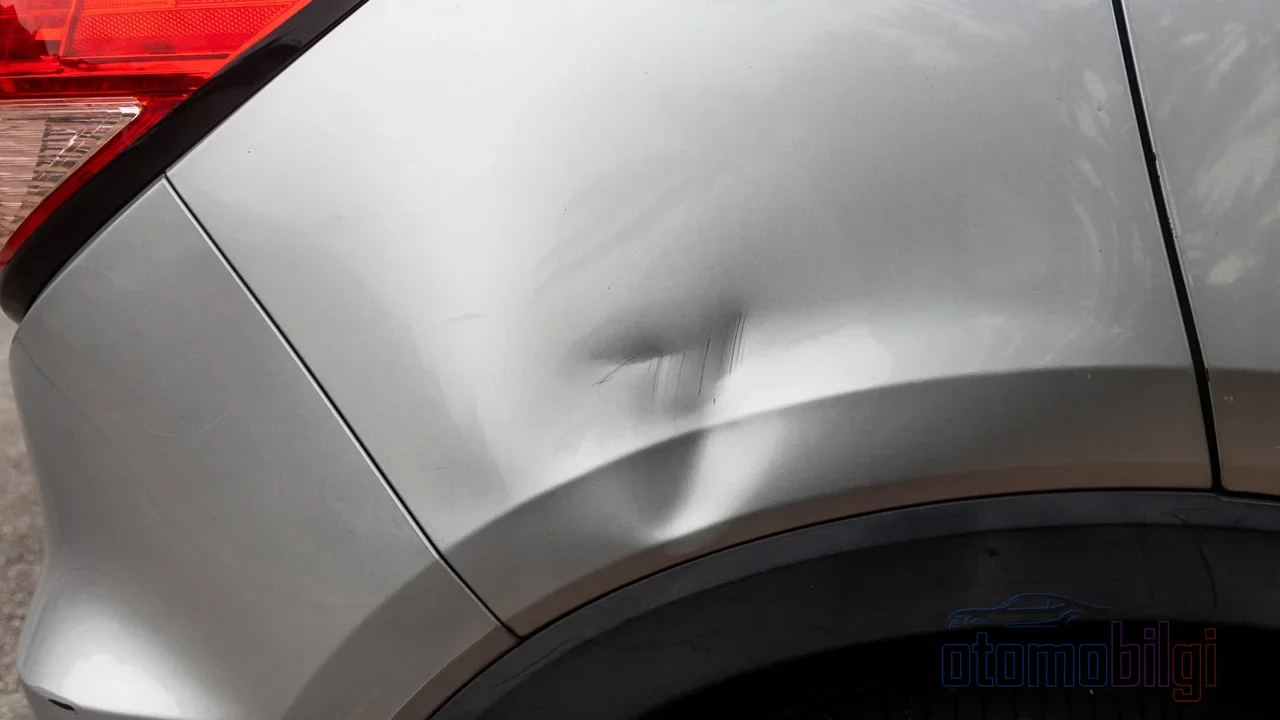
The dent on the car's bumper, the scratch on the door, the crack in the glass... The damage is small, but the decision isn't. You have a comprehensive insurance policy; if you report the damage, the insurance company will cover the repair; in return, you will lose part or all of the no-claims discount you have earned. Next year's premium will be shaped accordingly. In other words, the 3-4 thousand liras you refuse to pay out of pocket today may come back to you many times over through the policy costs of the next few years. Or, quite the opposite, trying to cover a truly large expense out of your own pocket could throw your budget into disarray. The question of whether it makes sense to report minor damage under comprehensive insurance requires more calculation than it seems.
In this article, we will do that calculation together, step by step: we will look at how the no-claims discount works, how a damage claim sets your step back, whether there are ways out such as minor repair coverage, and most importantly, a simple comparison method you can apply in five minutes at the moment of decision.
How does the no-claims discount work?
Comprehensive insurance grants a premium discount to drivers who have no damage record during the policy period. This discount is applied in stages; each claim-free year takes you up one step. The common practice is as follows: at the first claim-free renewal 30%, in the second year 40%, in the third year 50%, in the fourth year 60%, and in the fifth year and beyond a discount of 65%. Some tariffs may start the first-year discount at around 20%, depending on the company; since comprehensive insurance is a freely rated product, rates vary from company to company.
An important point: if you report damage, no additional penalty is added to your policy, meaning the premium does not increase "extra". However, your discount rate drops; for example, you fall back from the 50% step to the 40% step, and the difference means paying a higher premium the following year. Your loss is not a penalty, but the erosion of an accumulated advantage. As of 2026, the step right is defined directly to the driver, not to the vehicle; even if you change your car, the accumulated discount stays with you. This makes the cost of losing a step even more personal.
Highlights
- The no-claims discount in comprehensive insurance can reach up to 65% after five years.
- When a damage claim is filed, the discount loss means a higher premium the following year.
- Paying for the damage out of pocket preserves your no-claims discount.
- Minor repair coverage can fix small scratches and dents without filing a claim.
- From 2026 onwards, no-claim steps are defined to the driver and are carried with the driver even if the vehicle changes.
How far back does a damage claim set your step?
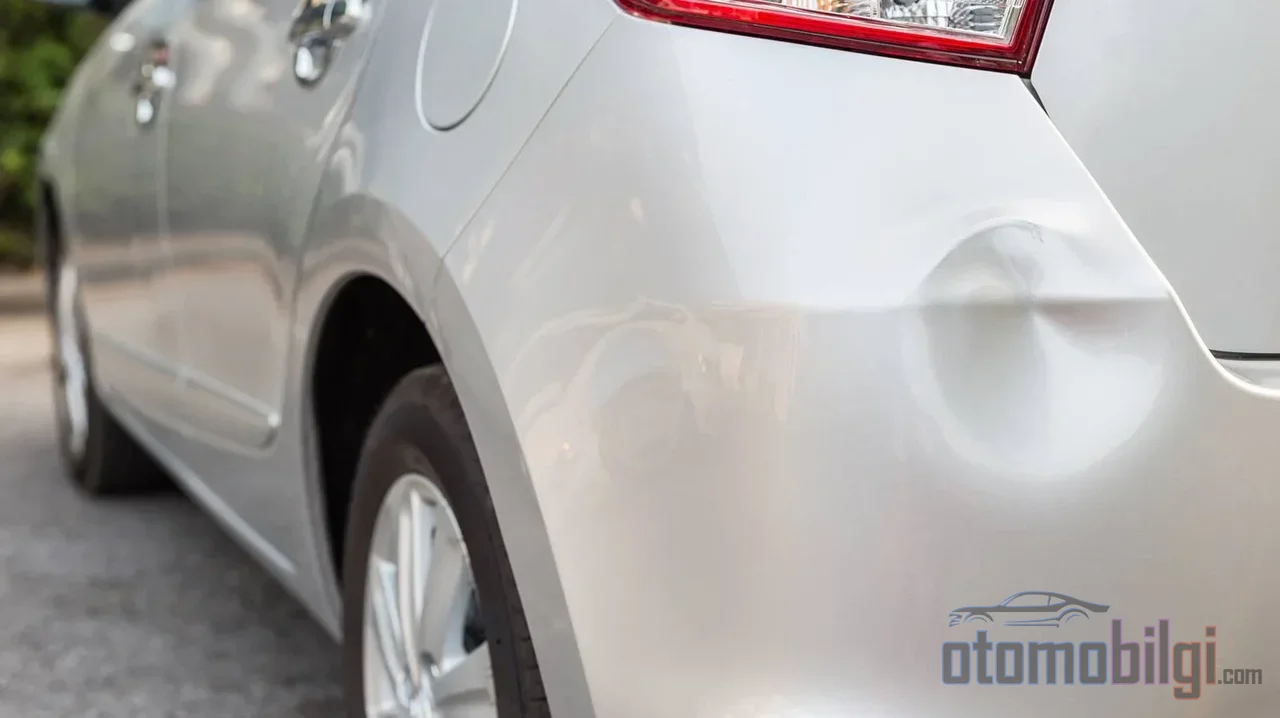
When you make a claim under comprehensive insurance, you generally fall back one or several steps. If you are at the 65% discount step and file a claim for a small scratch, you may pay your premium the next year from the 50% step or lower. In a period when the premium base is high, a discount difference of 10% to 15% alone can match a small repair bill.
The same logic works more strictly in traffic insurance. In traffic insurance, claim-free years... from step 5 to step 8. towards the steps, bringing discounts of 15%, 30%, 45% and 50%, while damage years will catch you off guard on the way down: at lower steps, premium increases can range from 50% up to 200%. On a policy closed with damage in the first year, the increase rate varies by tariff; figures between 45% and 50% are in circulation, and consecutive damage years multiply the increase. Since the step mechanisms in both comprehensive and traffic insurance affect the premium base at the same time, your comprehensive insurance premium also becomes indirectly heavier.
Which situations break the discount, and which do not?
Being involved in an at-fault accident and receiving payment from your own insurer, claiming compensation for minor damages outside the mini repair coverage, total loss due to theft or fire, receiving payment for parking damage, and natural disaster damages if there is no special protection coverage can break the discount. In contrast, in accidents where the other party is 100% at fault and the fault is documented with official records, your damage is compensated by the other party's insurance; your own no-claims step is not affected. Also, if you cover the damage cost out of your own pocket without reflecting it on the policy, your discount continues intact since no file is opened. At some companies, damages such as broken glass or radio-CD theft also do not break the discount once; you need to confirm this from your policy's special conditions.
Mini repair: the quiet way out for minor damages
In recent years, the mini repair coverage included in most policies is exactly the antidote for this moment of decision. Minor damages such as small scratches, bumper and body dents, and glass cracks are repaired without opening a damage file; no damage amount or accident record is entered into the SBM system, so your no-claims step is preserved. The mini repair limit varies by company and policy; some policies apply limits such as 1,500-2,000 TL. When glass replacement or repair is done under mini repair coverage, it does not affect your no-claims status.
There are two points to be aware of. First, the effect of mini repair on your no-claims status varies from policy to policy; some companies offer this service without breaking the discount, while in some practices, claiming compensation for damages outside the coverage can break the discount. Second, if your policy does not include this coverage, having minor damages repaired out of pocket at a discounted price at the insurance company's contracted service centers is a reasonable protective route.
The calculation to make at the moment of decision: a four-step check
In the old days, this decision was made purely on instinct; some would report every scratch immediately, others would pay out of pocket for years. Now we have a numerical framework, and you can clarify the decision in four steps:
- Find out the repair cost. Get a quote from a contracted service center or an independent body shop for a small dent or scratch. It gives a rough figure without going to an appraiser.
- Estimate your discount loss. Ask your agent about the discount percentage on your policy and the effect on your premium of dropping back one step. Multiply the discount difference you will lose by the premium base to find the approximate additional annual cost.
- Compare the two figures. If the repair cost is lower than the extra premium you would pay for one or two years, not reporting makes sense; if it is higher, reporting is the smarter choice. is higher, reporting makes sense.
- Check the alternatives. Do you have mini repair coverage, and what is its limit? Did the damage result from the other party's fault, and is there a right of recourse? The answers to these questions can change the outcome.
The essence of this calculation is as follows: with a small claim, not reporting it is cheaper in the long run if it does not exceed the discount you would lose. But if the damage cost is clearly above the discount loss, you should not be stingy; given today's repair costs, the bill may come out higher than expected, and after all, the very reason comprehensive insurance exists is to place large and medium-scale risks on the policy.
The finer details of protecting your discount
The no-claims discount is tied to the person; it persists even if you change your car or insurance company. It can be transferred between spouses, but it does not pass to other family members and is not inherited by heirs in the event of death. Missing the renewal period, however, can lead to losing the discount; company tolerance ranges from one day to six months, or even up to a year. On an expired traffic insurance policy, a 5% surcharge is applied for every 30 days from the expiry date, and this surcharge can rise to a maximum of 50%. Taking a long break from comprehensive insurance can also cause you to lose your discount entitlement.
Two additional protection tools can be considered. The first is the no-claims protection coverage: some companies maintain the discount for policyholders who purchase this coverage even if they file a claim. Second, check your claims history through the policy and claims information inquiry service on e-Devlet; you cannot make the right decision without knowing which claims have been recorded.
Conclusion: the decision rests not on a formula but on balance
Whether or not to report a small claim to your comprehensive insurance is not a question with a universal answer; your premium base, your discount step, the nature of the damage and the special terms of your policy all change the outcome. Our guide is clear: first find out the repair price, then calculate your discount loss, compare the two figures, and always check the mini repair and recourse options. For minor scratches, most of the time not filing a claim and patiently moving your no-claims step upward pays off in the long run. But with a real loss, it is worth accepting the premium increase and letting your policy do its job. Comprehensive insurance exists precisely to strike this balance.
Sources
- What Is the Comprehensive Insurance No-Claims Discount and How Can You Benefit From It?
- Comprehensive Insurance No-Claims Discount: Advantages, Protection and Inquiry
- What You Need to Know About the No-Claims Discount
- Comprehensive Insurance Calculation: 9 Factors That Lower Your Premium
- What Is the No-Claims Discount? Its Advantages in Traffic and Comprehensive Insurance
- What Does Comprehensive Insurance Cover and in Which Cases Does It Pay Out?
- No-Claims Steps in Traffic and Comprehensive Insurance
- Comprehensive Insurance No-Claims Discount and Steps (2026)