Qatar GP Crisis: Drivers Await Safety Guarantees
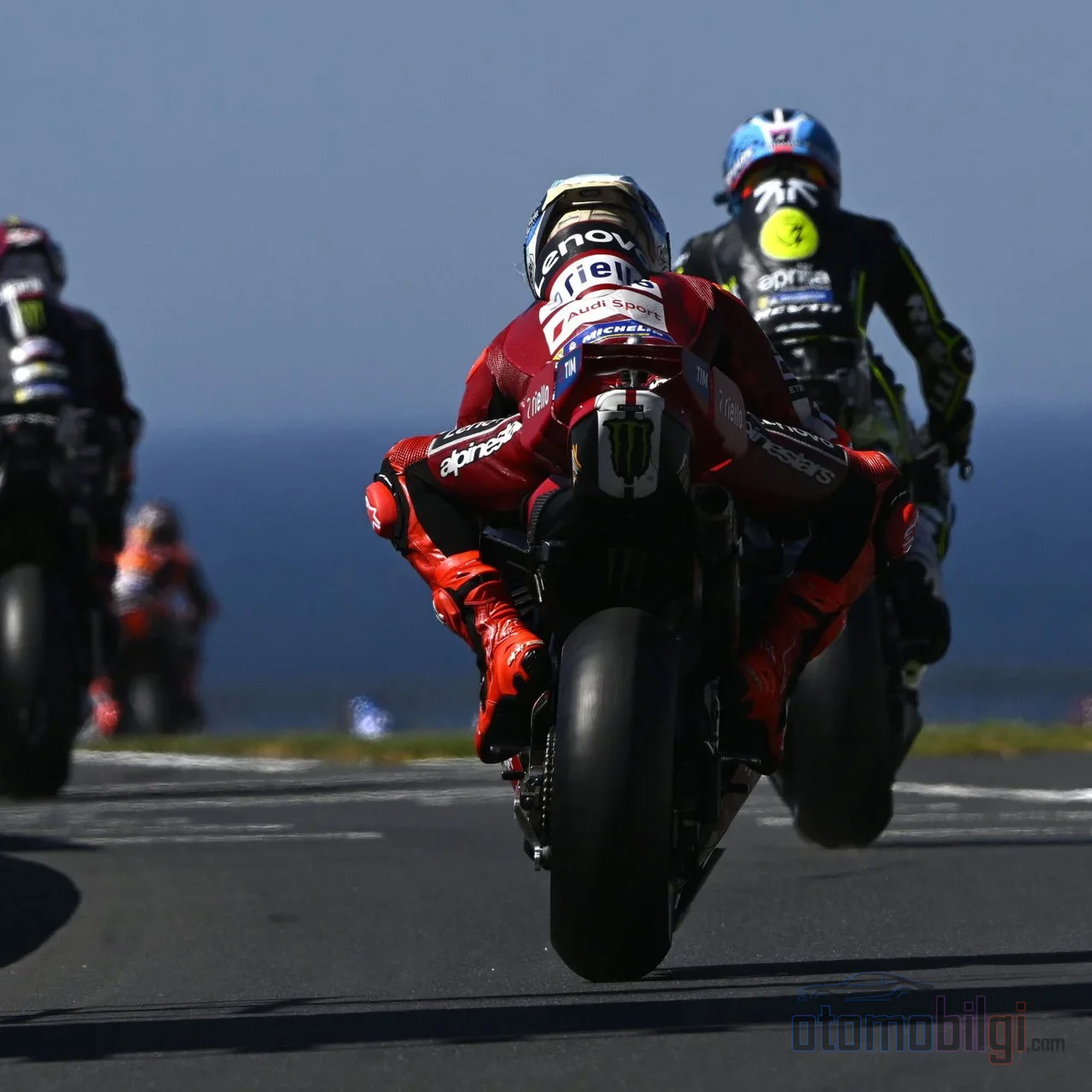
Lusail's floodlights are ready and waiting for the weekend of November 6-8; the race is still on the calendar, and ticket sales are open. But nobody in the paddock has their mind on the national flag - they're thinking about evacuation plans. In the World Championship's more than thirty-year history, I don't recall such a hard wall of distrust ever being built between an organizer and its competitors: more than three quarters of the riders oppose traveling to Qatar without a written guarantee, and yet MotoGP is determined not to cancel the race. A decision is expected to become clear on Thursday - that is, in the coming days.
From April to November: The Story of the Postponement
The seeds of this crisis were sown long ago. The 2026 Qatar MotoGP was originally scheduled to run on April 10-12; but the conflict between the United States, Israel, and Iran closed the region's airspace, global travel was disrupted, and the race was postponed in mid-April. This wasn't a matter of a missing test; it was a matter of survival for a championship that couldn't fly planes into Lusail. For the same reasons, the WEC season opener planned for the same circuit on March 28 had already been shelved earlier.
When the postponement decision was made, it was Carmelo Ezpeleta, at the head of Dorna, managing the crisis. In March - in those most uncertain of days - the organization's stance of not moving the race to another venue was already clear: if cancellation emerged as an option, the Grand Prix would have no backup circuit, only an alternative date. That alternative date now stands on the calendar: the Qatar round - the season's only night race - is planned at Lusail International Circuit for November 6-8, 2026.
Highlights
- Qatar MotoGP, postponed from April, will be run at Lusail on November 6-8, 2026; the decision is expected to become clear within the next 48 hours.
- The majority of riders oppose traveling to Qatar without a written safety guarantee; a secret meeting was held at Phillip Island.
- The requested guarantee package: a dedicated evacuation plan, insurance against airspace closures, and an assurance of exit from the country.
- Carlos Ezpeleta is working to secure the guarantees through talks with the promoter and the government in Doha.
Why Are the Riders Objecting?
The question is simple, but the answer is complex. While the conflict in the region continues and many countries are advising their citizens against travel to Qatar, the riders and their teams will fly to the Gulf on a single plane, over the Eastern Mediterranean. What happens if the airspace closes on race weekend? If a health issue or security threat arises, how does everyone leave the country? Their desire to see the answers to these questions in writing stems from motorsport's most fundamental occupational hazard: riders accept risk at every stage of their careers, but they do not accept risk that cannot be managed.
The organized action is also noteworthy. The riders held a secret meeting at Phillip Island, where the Australian Grand Prix was held, and decided to demand written guarantees concerning their safety and the paddock at large. In the past, such discussions would take place in corridors, in whispered confidences; the agenda is now being written item by item and is passed between the parties as a document. This is the most institutional form of rebellion I have seen in the paddock in thirty years of professional life.
The Requested Guarantee Package
The document at the center of the talks rests on three main items:
- A dedicated evacuation plan: A concrete plan describing how the teams would be removed from the region in case a safety problem arises during or after the race.
- Insurance policies: Coverage of travel and operational risks in case Qatari airspace is closed.
- Repatriation assurance: Guaranteeing the exit of all personnel from the country in an extreme scenario.
In short, the riders are not trying to talk anyone out of a plane ticket; they simply want to see that if something happens to them, they will leave in a planned manner, not through the back door.
The Meeting in Sepang: What Was Discussed, What Could Not Be Secured?
Malaysian Grand Prix week was the stage for this diplomatic traffic. A large number of team managers also attended the meeting held in Sepang on Wednesday that brought the riders and the organizer to the table. Descriptions of the atmosphere were constructive and framed in courtesy; but there is also a stark reality: no definitive agreement was reached. The same day, Carlos Ezpeleta, deputy executive director of MotoGP Sports Entertainment Group, attended a conference in Doha, assessed the situation on the ground, and spoke with the promoter and the government side. The Qatari side holds the view that the event can be held without compromising safety; and judging by the rest of the calendar, losing another race weekend would be a costly scenario for the organization.
The roadmap ahead is quite clear: the riders met with their teams yesterday, and today they are at the table with the Dorna management. The agreement is targeted to be reached after Carlos Ezpeleta's return from Doha, ideally on Thursday. The expectation of resolving the crisis within 48 hours is not empty optimism; both sides are aware of the cost of conflict.
The Real Point of Conflict: Who Is Responsible for the Guarantees?
What has been described so far is actually the easy part of the crisis. The hard part lies in this question: who will stand behind the guarantee document to be issued? The riders want this responsibility to rest with the organizing company, that is, MGPSEG. The organizer argues that this is not possible. To put it simply but inevitably blunt, given the nature of the matter: it is not about the monetary value of an evacuation plan and an insurance policy, but about legal responsibility. Whoever signs it will pay the price if the plan fails.
There is another legal fact that makes this negotiation interesting: most of the governments of the countries in the paddock warn against travel to Qatar unless it is mandatory, but a travel warning does not mean a ban. Therefore, no force majeure that would allow termination of the contract without material sanctions has emerged yet. The race remains on the calendar, and if the riders choose not to go, there will be a contract breach price to pay. This was not even being discussed a few months ago; as the conflict dragged on, the cards on the table changed as well.
The tension in the relationships is also part of this picture. While the organizers expect greater commitment from the series' leading names; they believe expectations on the riders are rising and their personal risk exposure is increasing. The teams, contractually bound to both sides, have automatically been placed in the position of mediator. Nobody wants to offend both sides at once, because next season's seat is being determined by today's neutrality.
Things That Quietly Changed in the Paddock
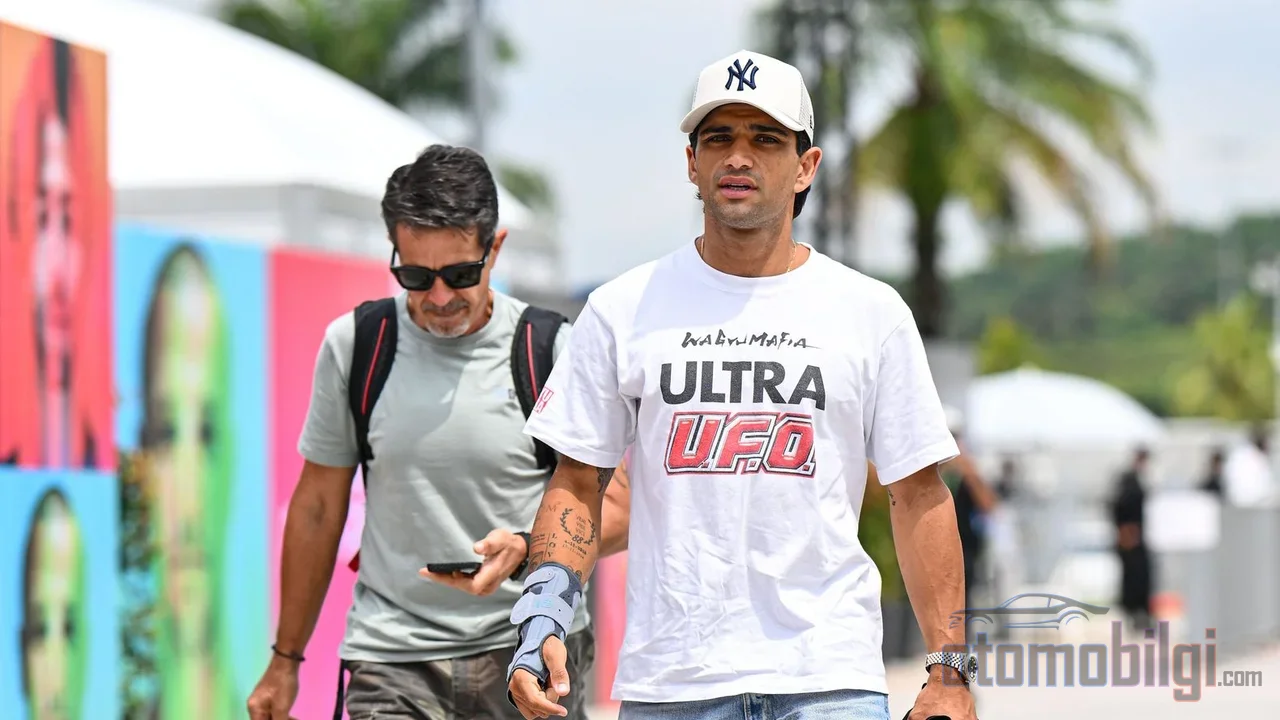
A less discussed dimension of the crisis is the broadcasters and team plans. Some broadcasters prefer not to send personnel; which means that even if the race goes ahead, standard paddock footage may be missing from televisions around the world. Since the Mitsubishi Livery era, the sound of motorcycle racing has been as important as its imagery; replacing a thirty-person broadcast crew behind the screen is not easy.
On the team front, the modest part of the news flow is here: Aprilia management and Marc Marquez's team manager evaluated the championship situation after the cancellation of the Australian GP; it was announced that work is being done for Jorge Martin to be able to race in Malaysia. Fabio Quartararo, despite moving to Honda at the end of the season, said he is not worried about traveling to Qatar. Still a rare exception; most names are not yet speaking with the same clarity.
There is also information circulating by word of mouth: claims that Yamaha and Honda are reluctant about the Qatar trip and plan to go only with a minimal roster. It should be noted that, for now, this information is based only on social media discussions and aggregator posts, with no confirmation from mainstream channels. It will be interesting to watch how the two Japanese giants position themselves in this crisis with the least risk; but for now, presenting this as confirmed information would be wrong.
Qatar GP: Cancelled or Postponed?
To give a clear answer to this question: the race was not cancelled, it was postponed. The Grand Prix planned for April was moved to the end of the season, to November 6-8, 2026, due to the conflict in the Middle East and airspace closures. The race is still listed with these dates on the official calendar and ticket sales pages. The cancellation scenario is not entirely off the table; the organization side has kept open from the start that the race will not be moved to another venue, but could only be held on an alternative date. Claims circulating on social media about a full cancellation and no backup race are not supported by official sources.
The timing of the decision is also clear: the crisis is expected to be resolved within the next 48 hours, i.e. from Thursday, after Carlos Ezpeleta's return from Doha. Until then, the race standing on the calendar is a Grand Prix on paper; but unless the three guarantee items hanging in the air are settled, the paddock will not board a plane full to Lusail.
The Long-Term Cost of This Crisis to the Championship
Reading what is happening now solely as the fate of a single race would be incomplete. The warranty document written today will also serve as a template for any future event in Saudi Arabia, India, or another country in the region. MotoGP's calendar strategy of expanding into the Middle East and Asia in recent years is being tested for the first time this directly against riders' perception of safety. In the past, when risk was mentioned, the first things that came to mind were track safety, run-off areas, and weather conditions; now geopolitics is on the agenda. As veteran paddock observers forced to swallow the clichéd side of this business, we can say this: in an era when the sport is so deeply intertwined with geopolitics, the paper the organizer offers its rider now determines whether the race will take place as much as the motorcycle's performance does. The fate of the Lusail night race lies hidden in the fine print of a document to be signed in the coming days.
Sources
- MotoGP to press ahead with Qatar GP despite regional tensions, rider concerns (Reuters)
- MotoGP seeks compromise with riders over Qatar Grand Prix (Motorsport.com)
- MotoGP riders ask for guarantees to go and race in Qatar (Motorsport.com)
- MotoGP riders hold secret meeting amid Qatar concerns (The Race)
- MotoGP postpones Qatar Grand Prix due to Middle East conflict (Al Jazeera)
- Middle East crisis could cause Qatar MotoGP postponement until late 2026 (Visordown)
- Qatar: The riders met with their teams yesterday (GPOne)
- MotoGP 2026 Calendar (motogp.com)