Yamaha Withdraws from Qatar GP, Penalty Looming
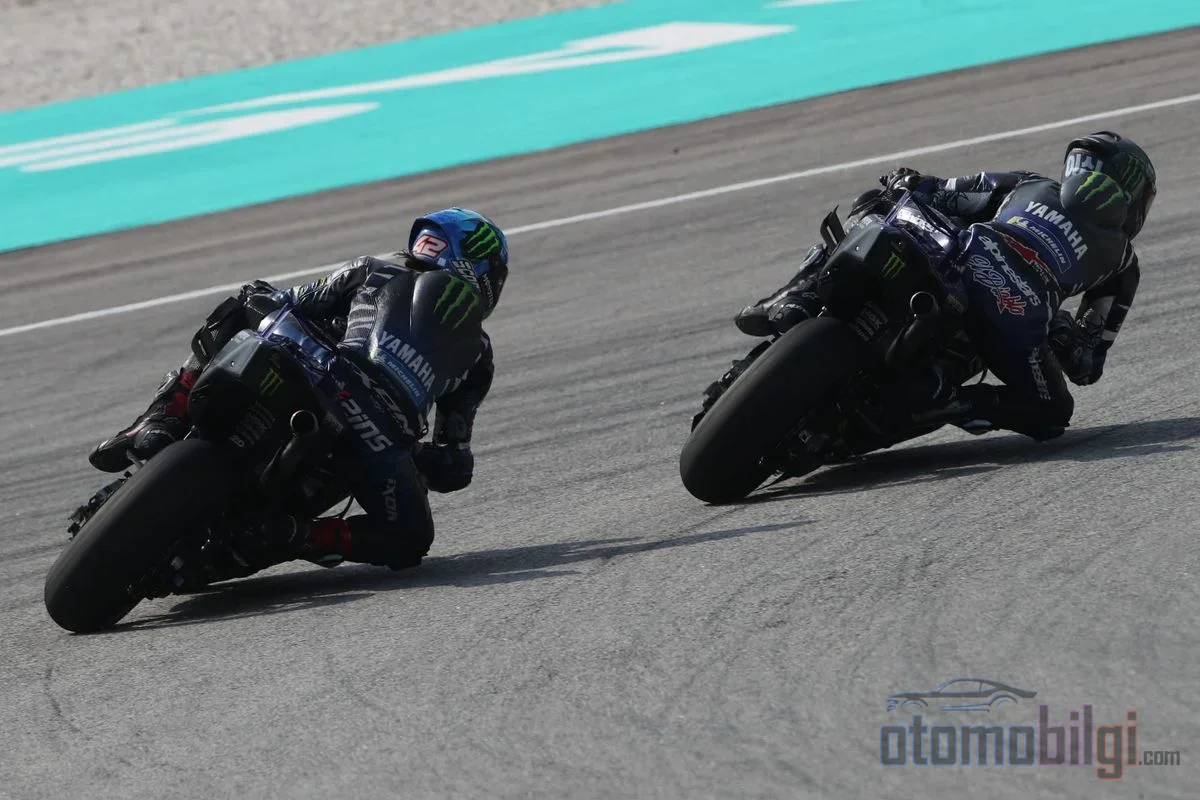
As the weekend begins ahead of the Qatar GP, scheduled to run at Lusail on 6-8 November, the structure of the grid is still unclear: Among the factory teams, Yamaha is the only name that has not confirmed its participation. The Iwata team, whose decision is awaited urgently, is caught in a dilemma between its own internal travel policy and the obligation imposed by the MotoGP calendar.
Highlights
- The Qatar GP will be run at Lusail International Circuit on 6-8 November 2026; it is the 20th race of the season.
- Yamaha is the only manufacturer that has not confirmed its participation as of Sunday.
- At the heart of the decision lies an internal company policy that prevents employees from traveling to conflict zones.
- The race had been postponed from April to November due to the war in the Middle East.
- There is no sanction clause specific to this scenario; however, the FIM's sporting sanction framework is theoretically in effect.
The Postponed Calendar and the Road to Lusail
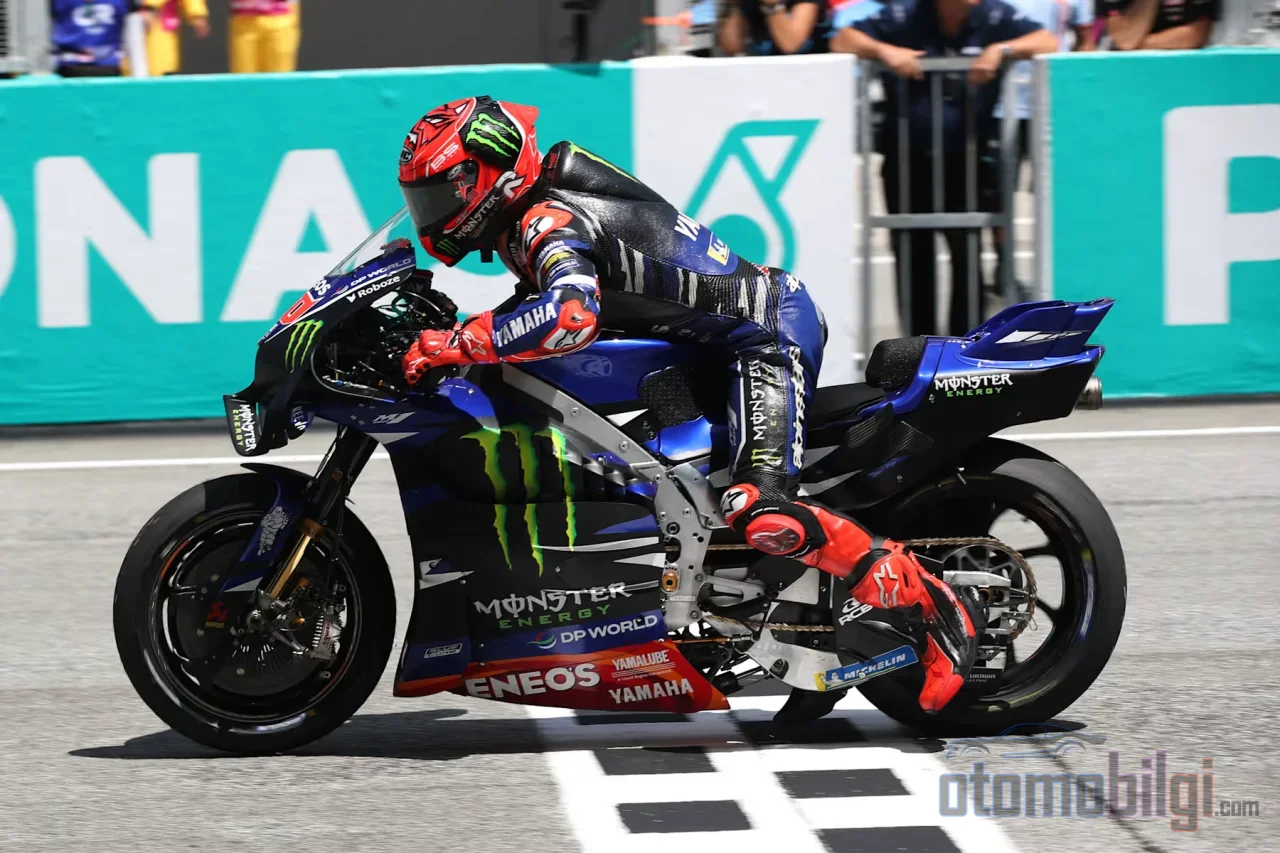
The Qatar GP was originally the April round of the calendar; planned for 12-15 April, the race was pushed to November when the war between the USA and Iran broke out. This shift created a domino effect: the dates of the Portugal and Valencia races also had to be moved. The final two stops of the calendar are now set as the Algarve circuit in Portimão on 20-22 November and Valencia on 27-29 November.
So the meeting at Lusail is not actually an unprecedented exception; the race stands on the calendar as the twentieth round of the season. It is reported that during the postponed months the conflicts have largely subsided, but stability has not yet been established in the region. The fact that the possibility of a new attack cannot be ruled out in the coming days continues to be the biggest question mark hanging over the organization.
The Internal Travel Restriction That Left Yamaha Hesitant
At the center of the problem is a policy within Yamaha's own organization. The company's internal regulations contain a clause that prevents its employees from traveling to conflict zones. For the MotoGP division of one of motorsport's most established manufacturers, whether this restriction would be temporarily lifted was a decision awaiting attention in Iwata. Such provisions are not rare in major automotive groups; but in a championship that requires a factory team to send its race roster and technical staff to a region months in advance, the workings of such a clause are being tested visibly for the first time.
As of Sunday, the picture was clear: Among all MotoGP manufacturers and teams, Yamaha was the only name that had not confirmed its participation in Qatar. The company has not yet announced a withdrawal decision; but the decision is expected within hours, and a decision made with race week already underway, whether participation or withdrawal, will directly affect the season.
Pramac could also be affected by this situation; but it is a known fact that the team is Yamaha's satellite team, and how the factory team's decision will affect track operations will become clear with Yamaha's announcement.
Quartararo and Rins' Final Yamaha Spring
This uncertainty is more than just an ordinary logistics problem for Yamaha. The factory team's riders Fabio Quartararo and Alex Rins had officially announced at the end of June that they would be leaving Yamaha at the end of the season. So for the two riders, Lusail means one of the last Asian races planned with Yamaha; missing Qatar would remove one more scene from the closing ceremony of a partnership of roughly seven years.
Rins is known to have confirmed the team's hesitation about participating. There is no disagreement within the team; the matter is not about the riders, but about what company policy and insurance guarantees say. The Portimão round in Portugal, to be held on November 20-22, is in a way seen as Yamaha's natural point of return: MotoGP is contracted to race at Portimão until 2029, and the European leg of the calendar offers suitable ground to heal the wounds of a possible absence from Qatar.
Should a Team Withdrawal Be Penalized? An Unprecedented Scenario
What would follow if Yamaha withdraws? The legal side of the matter, in short, is a gap that is unwritten. The championship regulations contain no specific provision for the scenario of a manufacturer withdrawing from a race on safety grounds; this is a situation rarely seen in history. However, the gap does not mean a penalty is impossible. The FIM has a framework through which it can impose sporting sanctions, and this framework theoretically covers options ranging from erasing championship points to exclusion from remaining races. On the side of the commercial rights holder, too, the possibility of sanctions is known to have been raised.
An important nuance: So far no penalty has been announced and no manufacturer has officially announced a boycott decision. The sanction still hangs in the air as a mere possibility. For many years, a familiar sight in the paddock was riders and teams confining their safety concerns behind the scenes; now those same concerns are being negotiated at the same table with contract law, insurance law, and international travel policies. In the past, the race calendar was considered sacred text, not to be questioned; today, where and when a grand prix takes place is part of the agenda of geopolitics and insurers.
An Example Left Over from 2020: Yamaha and Penalties
Looking at Yamaha's penalty history is instructive for putting the current possibility into context. In 2020, Yamaha suffered a points deduction in the championship due to a technical irregularity; that penalty was related to the technical side and had a corresponding provision in the regulations. Today's scenario is completely different: It is not a technical error, but rather the contractual consequence of a participation decision made on safety grounds that is being sought. The small fines under the promotional event rules that began with careers in 2026 are also not part of this picture; they have no direct connection to the matter. The difference is this: Technical penalties have a written provision, while a safety-based withdrawal does not yet have one. This very uncertainty will likely be the first item added to the regulations at the championship's winter break.
Where the Organization Stands: The Race Is Still on the Calendar
Despite Yamaha's hesitation, the organization's stance has not changed for now. At the start of race week, MotoGP management convened to evaluate the latest information and assurances from the teams as well as the State of Qatar, Lusail International Circuit, the relevant embassies, and independent experts; it was stated that action would be taken if the assessment changed. In late October, it had also been clearly stated that the organization was proceeding with the race despite the tensions in the Middle East and the safety concerns of some riders.
On the riders' side, the picture is more complicated. The group that supported going to race at the Australian round narrowed over time; in Malaysia, that group was down to three people. It is known that most riders do not want to rely on the assurances said to be provided by the Qatari government, but rather on a guarantor that the commercial rights holder undertakes personally. That is the subject of a separate story; yet it needs to be seen here too in order to understand the background of Yamaha's decision, because the manufacturer's hesitation is not independent of the riders' concerns: The company's own internal policy and the paddock's general atmosphere are looking in the same direction.
What Will the Coming Hours Decide?
The honest answer to the question of whether Yamaha will withdraw from the Qatar GP is, right now, this: There is no official decision yet. As of November 1, Yamaha is the only manufacturer among the factory teams that has not confirmed its participation, and the decision is expected to be made very soon. If it chooses to participate, the company will have temporarily lifted its internal travel restriction for the MotoGP division; if it chooses to withdraw, how the sporting-financial consequences will take shape will remain unclear due to the unprecedented nature of this scenario.
The FIM's sanction framework is in force, but like a box not yet filled; options ranging up to point deductions or even a race ban exist in theory, but in practice none have been announced. The decision Yamaha makes will be the first example that determines both its own season and how this gap will be filled. It is unclear whether the last Qatari opportunity before the split will slip away for Quartararo and Rins, and whether Portimão's door will open on November 20–22. This affair will most likely be written into the 2027 rulebooks as an article; but the decision that will trigger that article will be made this week in Iwata.
Sources
- MotoGP riders step up pressure in final bid to avoid Qatar Grand Prix
- MotoGP to press ahead with Qatar GP despite regional tensions and rider concerns
- Yamaha undecided on Qatar MotoGP due to Middle East conflict
- Yamaha unsure over Qatar MotoGP participation, says Alex Rins
- Yamaha bid farewell to Quartararo and Rins at the end of 2026
- MotoGP to race in Portugal until 2029
- 2026 MotoGP calendar
- Qatar GP at Risk: Honda and Yamaha Push Back
- Yamaha handed MotoGP points deduction for technical infringement
- Pramac to become Yamaha satellite team from 2025