2027 Vehicle Inspection Fees Announced
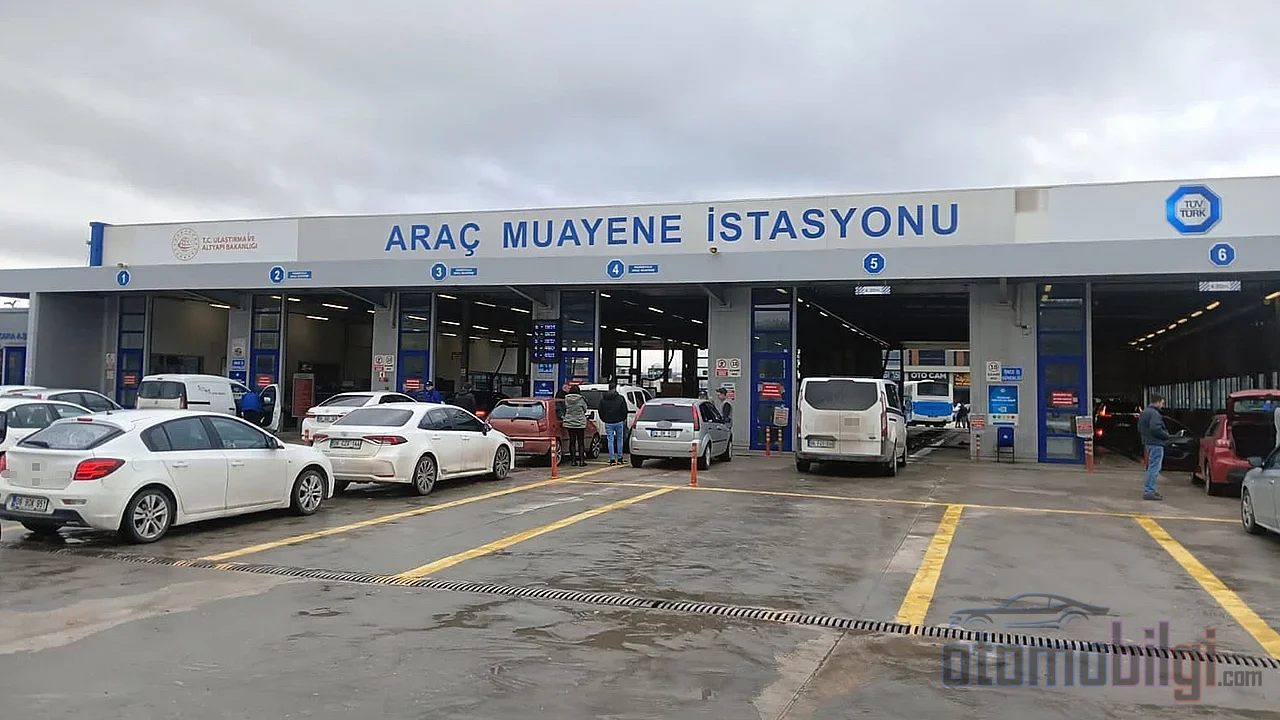
There is a familiar picture that vehicle owners habitually expect in November: Once the revaluation rate is announced, the tariffs that will take effect once again in January begin to take shape. The process is working the same way for 2027; but this year, the numbers require a bit more careful reading than in previous years. Although a significant portion of the circulating figures is based on the announced revaluation rate, there are some contradictory reports about the tariff, and the exact fees need to be clarified by the tariff published in the Official Gazette. Let's start with the short version: If the revaluation rate is announced at 27.89%, the car inspection fee rises to TL 4,205 and the heavy vehicle inspection fee to TL 5,686. So how do these figures break down by vehicle type, how does the late penalty work, and when will we witness a historic change of hands in the inspection system next year?
2027 Vehicle Inspection Fees, Item by Item: Cars, Heavy Vehicles, Tractors
The tariff is set based on three main vehicle groups. Automobiles, minibuses, pickups, special-purpose vehicles, off-road vehicles and trailers are in the first group; heavy vehicles such as buses, trucks, tractors and tankers are in the second group; tractors, motorcycles and mopeds are evaluated in the third group. The difference between the 2027 tariff and the fees valid in 2026 directly reflects the revaluation rate.
| Vehicle Group | 2026 Fee | 2027 Fee |
|---|---|---|
| Automobile, minibus, pickup, special-purpose vehicle, off-road vehicle, trailer | TL 3,288 | TL 4,205 |
| Bus, truck, tractor unit, tanker | TL 4,446 | TL 5,686 |
| Tractor, motorcycle, moped | TL 1,675 | TL 2,141 |
| Exhaust gas emission measurement | TL 460 | TL 589 |
It is worth clarifying one point: The exhaust gas emission measurement fee is not included in the inspection fee. A car owner whose vehicle is due for inspection pays both items separately. In 2026, the picture was TL 3,288 for inspection plus approximately TL 460 for emission measurement, a total of TL 3,749; in 2027, the same pair is estimated to reach around TL 4,800. Years ago, when I first got to know how this machinery worked, there was a single item and a single figure; today, the vehicle owner has to calculate three separate items in their wallet on the way to the appointment.
Highlights
- The car inspection fee reaches TL 4,205 in 2027 (2026: TL 3,288).
- The revaluation rate is 27.89%; the rate applied in 2026 was 25.49%.
- The new fees will take effect on January 1, 2027; the exact tariff must be confirmed with the Official Gazette.
- The late penalty is added at 5% of the fee for each month elapsed.
- As of August 15, 2027, TURKA will take over the inspection stations.
When Do the Figures Become Final?
The revaluation rate is determined in the first days of November each year, and the tariffs built on it start to be applied on January 1. There is no exception this year either: The exact rate is being announced as of November 3, and the new fees will take effect on January 1, 2027. The car figures in the 4,204 to 4,210 TL range in circulation reflect small differences stemming from the decimals of the rate; the main picture is framed by an increase of close to 28 percent. There is one more possibility on the table: The President is granted the authority to change the revaluation rate in taxes and duties in either direction by up to 50%. In other words, no figure should be considered final until the tariff is seen in the Official Gazette; that is the nature of the matter.
When Does the Inspection Requirement Come Due? Periods and Exemptions
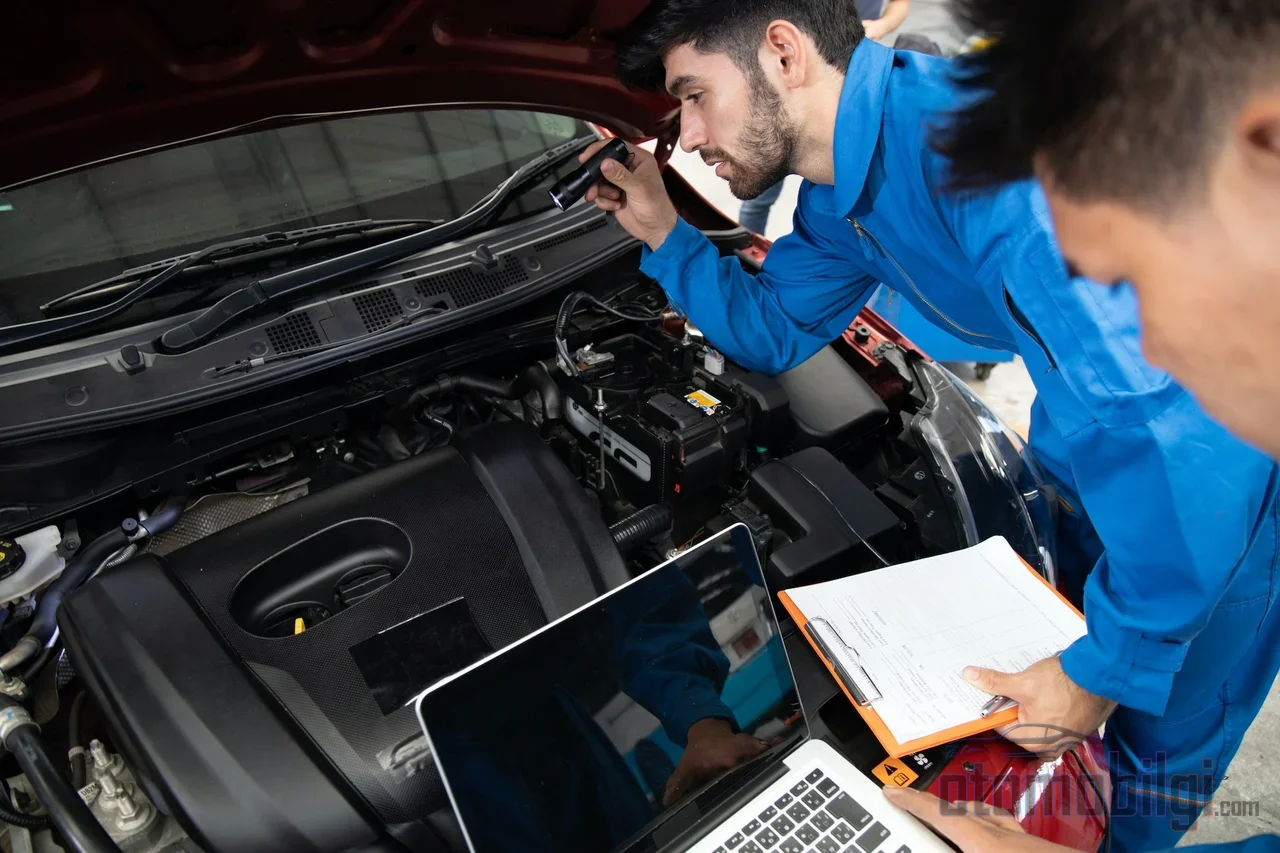
Just as much as the fees, the periods also shape the vehicle owner's planning. The rules have relied on the same skeleton for many years:
- For passenger cars, the first inspection takes place 3 years after the vehicle's first registration in traffic; afterwards, inspection is mandatory every 2 years.
- For commercial vehicles - buses, trucks, tow trucks, taxis and the like - the interval is much tighter: inspection every year.
- For tractors and motorcycles, the period is 3 years.
Let us also add that for new vehicle owners, the first year passes with an exemption for commercial vehicles. At the appointment stage, unwelcome surprises can occur: A valid traffic insurance policy is required to be able to go to inspection; motor vehicle tax, traffic fines and HGS/OGS debts are queried in the system, and the process cannot proceed until they are settled. In other words, on inspection day, not only the inspection fee but the calculation of all relevant debts must be on the table.
How Does the Late Penalty Work?
When the inspection period is missed, Article 35 of the Highway Traffic Law comes into play: For each calendar month missed, 5% is added to the inspection fee, and fractions of a month are counted as full months. To make it concrete based on the 2027 tariff, a one-month delay on the 4,205 TL car inspection means an extra burden of 210 TL. In 2026, the 3,288 TL fee for a vehicle owner three months late had risen to 3,782 TL; as the number of delayed months grows, this difference grows exponentially. For a vehicle owner whose inspection is approaching at the end of December, there is a simple calculation: The cost of waiting for the new year is five percent for each month.
The System Is Changing: Transition from TÜVTÜRK to TURKA
2027 will witness a far more permanent change than the fee increase. The 20-year concession granted to TÜVTÜRK in 2007 ends on August 14, 2027; as of August 15, 2027, the inspection service will be taken over for 20 years by the TURKA stations established by the MOI Joint Venture Group. According to the announcement by the Ministry of Transport and Infrastructure, in the new period the number of stations is planned to be raised to 352, along with technological investments such as automatic license plate recognition.
There is also a promise that directly touches the vehicle owner's pocket: In the new period, no commission will be charged on credit card payments. Today, the card payment commission can push the actual inspection cost above 4,000 TL; in other words, what everyone looking at the listed tariff actually pays is a bit heavier than the figure on paper. A good-faith agreement has also been signed between the two operators for a smooth transition. This system, which used to be managed from a single source, now also debates the terms of the handover; 2027 will be precisely the year of this transition.
Not Just the Inspection: The Total 2027 Bill with MTV and Traffic Fines
The effect of the revaluation rate is not limited to inspections; the motor vehicle tax and traffic fines are also increasing at the same rate. These three form the backbone of a vehicle owner's annual legal costs. To put together a rough calculation: A car owner due for inspection will face an inspection-emissions burden of around 4,200 TL, while under a 28 percent increase scenario, the annual tax for some cars can exceed the 10,000 TL threshold. The picture is similar for traffic fines: For example, the fine applied for the lowest speed limit violation has now approached 2,500 TL.
These increases coincide with a period when the market is shrinking. Car sales have contracted 15.45 percent this year to 627,977 units, while light commercial vehicle sales have shrunk 5.12 percent to 175,488 units. In a market where sales are braking, the annual legal costs of an owner holding onto their vehicle are swelling in exactly the opposite direction. For households postponing new vehicle purchases, inspection, MTV, and fine items now have to be calculated not as part of the maintenance budget but as part of the monthly expense plan.
2027 Inspection Fees: A Short Answer and a Budget Suggestion
Let's reduce the question to its core: In 2027, the inspection fee for cars and similar vehicles will be 4,205 TL, 5,686 TL for the bus-truck-tractor-trailer-tanker group, and 2,141 TL for tractors and motorcycles; the exhaust emission measurement will be paid separately at approximately 589 TL. The new rates will go into effect on January 1, 2027, and the exact figures will be confirmed by the tariff in the Official Gazette.
As for the budget, a practical piece of advice: Vehicle owners whose inspections fall in the first months of 2027 can finish the process at this year's lower rate by making an appointment before January; those carrying the risk of delay, however, should factor in the additional obligation of five percent per month. Settling insurance, MTV, and fine debts before the appointment is a small but effective measure that saves the day. As for the new period after August 15, when the card commission will be abolished, it promises some relief at least on the payment side. The observation of an eye that has been tracking these items for thirty years is this: The increase rates change, the system changes hands; but a vehicle owner who pays careful attention to dates is always a little ahead.
Sources
- 2026 Vehicle Inspection Prices
- Vehicle Inspection Fees 2027
- Vehicle Inspection Fee 2027: How Much Will It Be?
- Vehicle Inspection Fee 2027: How Much Will It Cost?
- TÜVTÜRK vehicle inspection fees raised by 25.49%
- How Much Will the 2027 Vehicle Inspection Fee Be?
- This year's inspection fees at TÜVTÜRK, which will end in 2027