Closure Risk Grows Among Car Dealerships
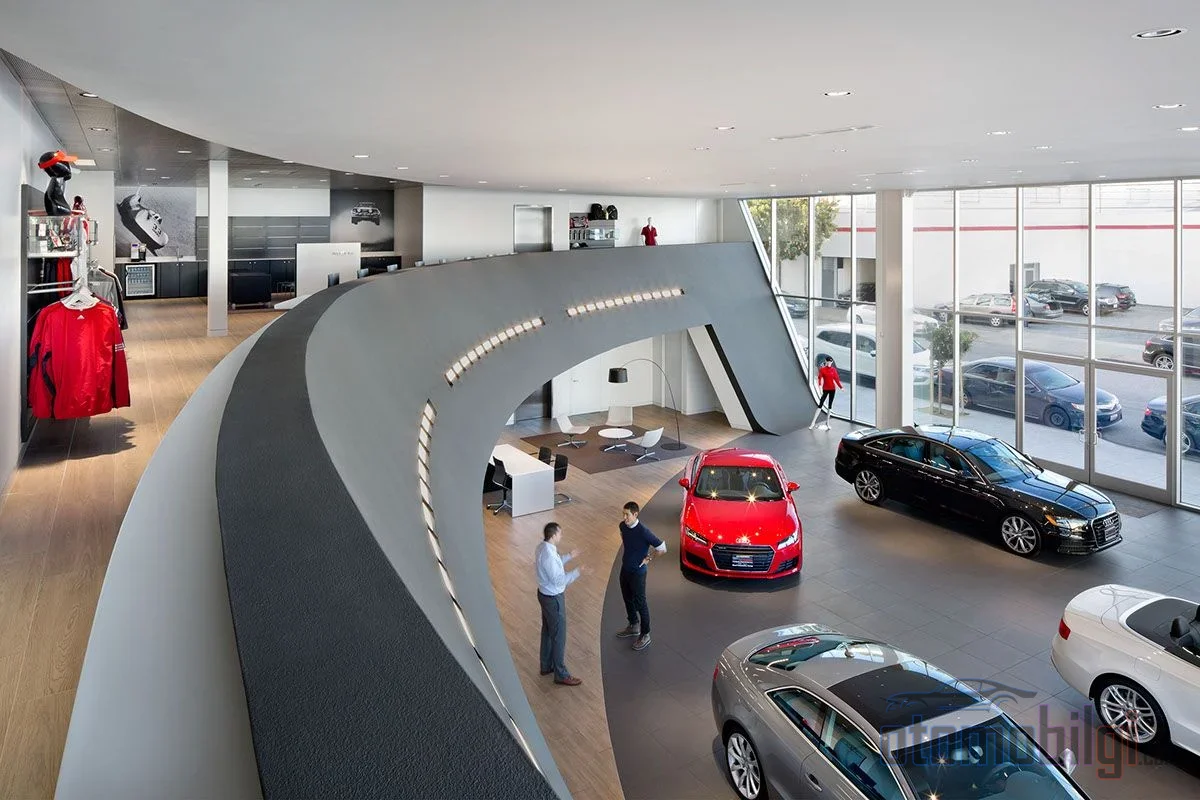
The automotive dealership is one of the oldest trades in this country; even in crisis years, the showroom lights never went dark. Now they are going dark. In October 2026, the Turkiye automotive market shrank 30.4% year-on-year to 80 thousand units, and the talk now is that the contraction is no longer just a sales statistic but turning into dealership closures and job losses. While price lists and launch news seem to be scrutinized down to the finest detail, behind the curtain the authorized dealer network itself is experiencing a serious cash squeeze.
The subject of this page is exactly that: why the market is contracting so fast, how inventories and high interest rates are battering dealership balance sheets, how real the possibility of businesses shutting their doors is, and how this picture will reflect on consumers, brands, and the used car market. The short answer is coming up later; first, the picture needs to be built with all its pieces.
Why Did the Market Contract So Fast?
The contraction is not the omen of a single month, but a curve accumulated over the whole year steepening in October. In the January-October 2026 period, car sales fell 16.85% year-on-year, while light commercial vehicle sales declined 9.28%. In the first nine months, the market regressed 15.45% in total, down to 803 thousand 465 units. The further back you go, the steeper the slope: in the first seven months the contraction was 10.72%, and in the first six months 8.19%. In other words, the market shrank a bit faster every quarter, and October became the peak of this momentum so far.
Highlights
- In October 2026, the market shrank 30.4% year-on-year to 80 thousand units
- In the January-October period, car sales regressed 16.85%
- A full-year contraction of 16% is being voiced for 2026
- Manufacturers' 12-month EBIT margin fell from the ~14% level of 2022 to ~4%
- The 2025 record is a reminder: total sales had peaked at 1.37 million units
A Drought Striking Right After the Record
Short memory is a chronic disease of this industry; yet to understand the picture, looking back one year is enough. In 2025, total vehicle sales rose 10.5% to break a record at 1.37 million units, and passenger car registrations had climbed above 1.1 million. Turkiye had become Europe's fourth-largest electric vehicle market with around 190 thousand EV sales, and the combined share of hybrid and fully electric vehicles had reached half the market. A year later, the same market has gone beyond double-digit contraction. This rapid reversal also caught dealers' inventory plans unprepared; optimistic orders left over from the record year, combined with falling demand, filled showrooms and lots one after another.
Inventory Financing and Interest: The Dealer's Two-Front War
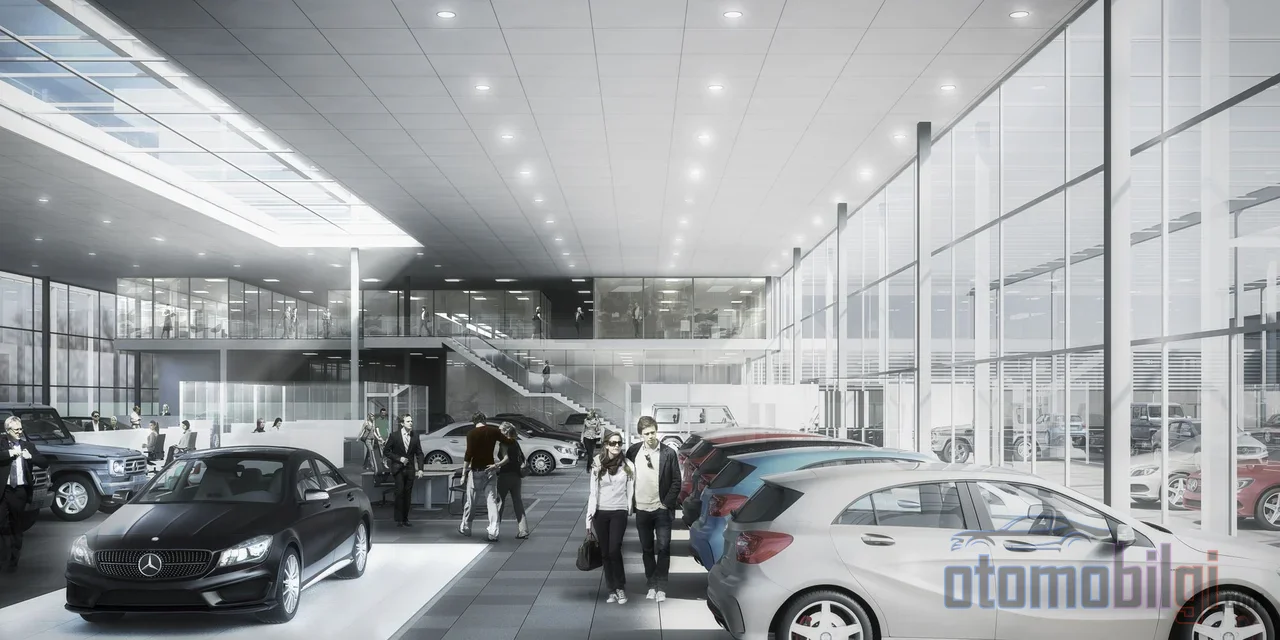
The authorized dealer's business model has long run on a thin shell: finance the vehicle out of its own pocket first, sell it, take the margin, and turn it over. This cycle has two conditions; money must be cheap and vehicles must sell fast. In 2026, neither exists. High interest rates stand out as the main factor limiting vehicle demand, and every level of the policy rate directly inflates the dealer's inventory financing cost. When sales slow down, the vehicles left on hand turn capital into an immobile pile. As the year-end approaches, this pile has produced the situation known in the industry as the year-end knot: the capital of gallery owners and dealers is tied up in inventory.
Honesty is required here: the amount of interest dealers pay on inventory financing and the delay in collection terms have not been shared with an explicit figure by industry sources. But the picture on the margin side is clearer. The last 12-month interest, tax and depreciation profitability of automotive manufacturers, that is, the EBIT margin, fell from around 14 percent in 2022 to approximately 4 percent in early 2026. Although the industry sells more vehicles than in the past, it earns less per vehicle. The causes of this erosion are structural: exchange rate-driven imported input costs, lower margins on electric vehicles, and weak demand in Europe. When the brand itself shrinks, the door of support narrows for the dealer at the end of the chain.
How Real Is the Risk of Closure?
After October's contraction, the scenario that came to the agenda is clear: if the market continues to shrink at this pace, dealer closures and employment losses may come to the agenda. This is not an empty threat; the network is already shrinking. An automotive giant closed 4 of its dealerships in Turkiye by narrowing its dealer network, reducing the total number of dealers to 80; one authorized sales point closed on June 30. Earlier, in assessments based on data from the authorized sellers association, it was stated that a quarter of dealers could face the risk of closure. Today's conditions are heavier than the period when that warning was made; because the market was growing back then, now it is shrinking rapidly.
Structural burdens are not new either. Since the beginning of 2023, automotive importers and their dealers have been operating under the obligation of providing 66 million lira in collateral for imports. This is a lock not to be taken lightly for a business whose capital is buried in inventory. On top of that, with the addition of the inspection process targeting informality, hoarding and unfair price increases, the dealer's room to breathe narrows a little more.
Its Reflection on the Consumer: Campaigns, Second-Hand and Service
Who Do Zero-Interest Loans Serve?
The interest-supported campaigns that brands offer to consumers are the clearest evidence of the market's financing dependency. Togg offers zero-interest financing support with 4-month terms for 700 thousand lira and 6-month terms for 500 thousand lira; in some periods, 12-month zero interest was applied for 500 thousand lira on the T10X V2. Ford is running a 12-month zero-interest loan campaign on the Transit model for 1 million lira. On the T10F V2 and T10F 4More side, packages with a 1.9 million lira loan, 48-month terms and a monthly installment of 73 thousand 212 lira are in effect. These campaigns are somewhat reviving sales; but there is no solid data on whether it has permanently relieved the dealer's inventory burden. If demand stops the moment the campaign ends, this is postponement rather than a solution.
The Expected Recovery in the Used Car Market Never Came
The used car market was affected by the same wind. 2026 began with a decline in demand and fewer listings; In July, sales fell 10% compared to the same month last year, and a 10% annual contraction was observed in the January-July period. Market actors were hoping for an improvement in demand and prices from September onward; the expected summer movement did not materialize. While the problem of inflated listing prices persists, there are also views that do not consider expecting a sharp decline to be realistic. On the official front, the regulations in the used automotive market were extended by another 6 months; this is a sign that the market is still considered fragile enough to require measures. The impact of dealer closures on the used car market will be twofold: as the number of vehicles in the field decreases, prices may resist rather than come down as supply tightens; on the other hand, service and warranty access weakens in a region that loses its authorized sales point.
Global Background: Turkiye Is Not Alone
Explaining this picture solely through domestic dynamics falls short. The first half of 2026 came under triple pressure from global tariffs, the chip crisis, and the logistics crisis caused by the Gulf War; delivery times extended to 12-18 weeks, and inventories increased by 15%. Volkswagen expects a 3% decline in 2026 sales revenue, its second-quarter operating profit fell about 10% year-on-year to 3.5 billion euros, and a company-wide layoff plan of around 100 thousand people is on the table. Turkiye's production side is in a similar squeeze: In the second quarter of 2026, domestic automotive production fell 5.8% year-on-year to 341.5 thousand units; car production declined by 14.2%. Vehicle exports were left at 462,552 units in the first half of the year, a decline of 12.3%. The rise in energy prices pulling inflation back up enlarges the risks on the demand side. The warning that domestic demand should not be seen as a lasting compensation for a possible weakening in exports is not in vain.
What Will Happen: dealer closure is the market's natural defense mechanism, and in every period of contraction the network is filtered to some extent.
The industry's own expectation is to close 2026 with an annual 16% contraction in light vehicle sales volume. This means a line drawn under, not on top of, the 2025 record. Three things will determine the fate of the closure risk: the speed at which interest rates come down, how much year-end campaigns can pull demand forward, and the brands' resolve to carry their dealer networks. The pessimistic side argues that profit margin erosion is structural and that the current outlook is not permanent. The optimistic side points to a demand depth proven in 2025 and the potential of disinflation to support purchasing power. Both can stand in the same report; because both are true.
In the eyes of someone who has followed this business for many years, the situation is this: dealer closures are the market's natural defense mechanism, and the network gets filtered by a certain amount in every period of contraction. The question is how far down the filter will go this time. October's 30.4% contraction alone isn't enough to decide; but if November and December come in the same direction, the number of businesses shutting their shutters will no longer be the exception but the main topic of the news. The practical outcome for consumers is already visible: discounted new cars and resilient second-hand prices will stay on the table for a while longer; while warranty and service networks will become a real problem if the dealer in your neighborhood closes down.
Sources
- 30 percent contraction in the automotive market: Closure danger at dealers
- October Contraction in the Automotive Market Exceeds 30 Percent
- The year-end knot in automotive: Shrinking market inflated stocks
- Automotive industry: Erosion in profitability despite record domestic demand
- Automotive Industry Report 2026 First Half
- Sharp contraction in the automotive market
- 2026 automotive sales: The market contracted, electric cars rose
- Decision to extend automotive second-hand market regulations by 6 months
- Sharp decline in car sales: A 16 percent contraction forecast for 2026
- Volkswagen continues to grapple with financial difficulties