Esteban Ocon Denies Violence Allegations in His First Statement
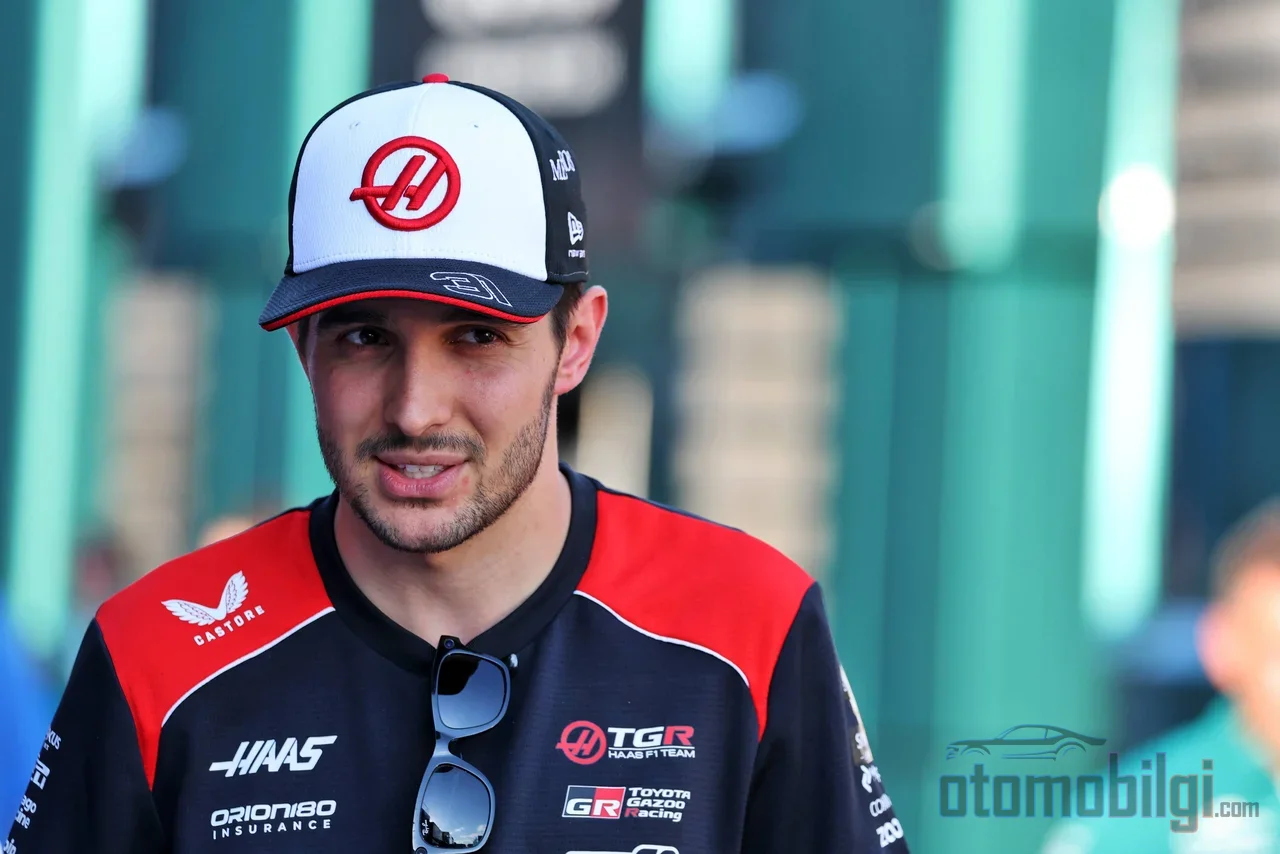
One of the harshest driver decisions seen in Formula 1 in recent years came on Saturday morning of the Mexico City Grand Prix weekend: Haas announced it had removed Esteban Ocon from the lineup for the rest of the weekend, and reserve driver Ryo Hirakawa took over the car. The team gave no reason. Yet a different rumor was already circulating in the paddock - a claim that the meeting held on Friday evening had ended in a physical manner. In his first personal statement after qualifying, Ocon firmly rejected these allegations of violence. So what actually happened, what will happen in Brazil, and what does this situation mean for 2027?
Highlights
- Haas removed Ocon from the lineup on Saturday morning of the October 31, 2026 Mexico weekend for the rest of the event
- Ocon stated that he firmly rejects the allegations of physical violence; the allegations have not been independently verified
- Reserve driver Ryo Hirakawa made his first F1 qualifying lap and race start in Mexico, qualifying 19th
- For 2027, Ocon's seat had already been handed to Rafael Camara as of October 15
- Whether Ocon will take part in the São Paulo Grand Prix on November 8 has not yet been confirmed
A Weekend That Spiraled in Mexico
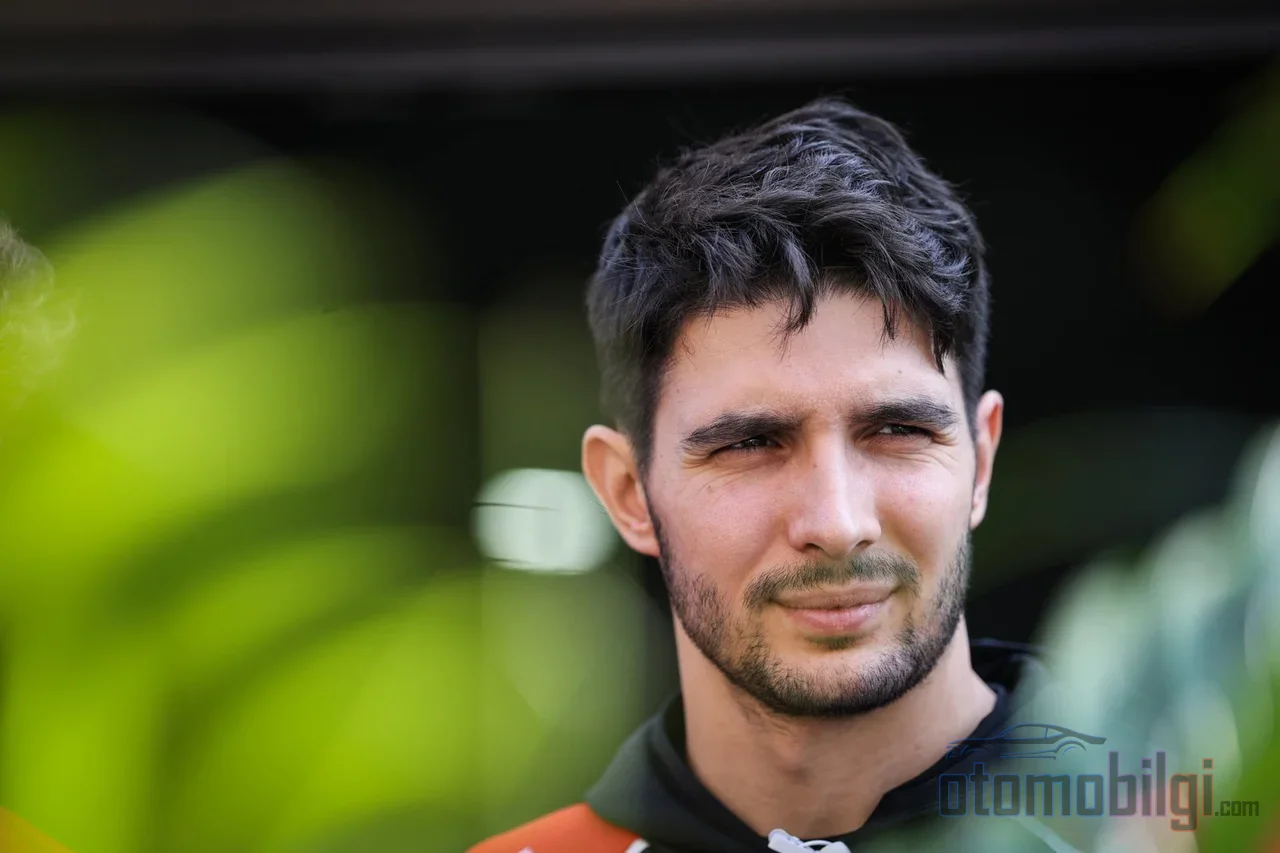
For those with a little insight into the inner workings of this business, the sequence of events alone explains why the outcome was so severe. On Friday, Hirakawa drove the car in FP1 as part of the test and reserve driver program; Ocon returned for the second practice session. In FP2, an argument unfolded over the radio: race engineer Laura Mueller reported that the soft tire plan had been changed to medium tires, and Ocon clearly stated that he wanted the original plan to be followed exactly. At the end of the session, Ocon returned to the garage with his helmet still on, visibly frustrated.
That a meeting took place between the parties on Friday evening is a fact confirmed by Ocon himself. On Saturday morning, Haas announced that Ocon would not race for the rest of the weekend. In the past, such decisions were almost always wrapped in an illness note or a technical failure; here things are different. Team principal Ayao Komatsu confirmed that Ocon was not ill but refused to explain the decision. With illness and injury ruled out; only one conclusion remains: this was a disciplinary decision taken by the team of its own will.
Where Did the Violence Allegations Come From, and What Did Ocon Deny?
On Saturday, when a long-established sports newspaper in France reported that the Friday evening meeting between Komatsu and Ocon had ended abruptly, and perhaps physically, the matter reached a far wider public than the racing world. This allegation could not be verified by any independent source. Haas refused to discuss the matter; Komatsu, too, repeatedly avoided commenting on the subject during qualifying. One important detail: Neither Ocon nor Haas has confirmed that the radio dispute in FP2 directly led to the Friday evening meeting - a link between the two is likely but not proven.
After qualifying, Ocon made his first public statement with a written declaration. The gist of the statement was this: he acknowledges that a meeting took place between the parties on Friday evening due to a difference of opinion, but firmly rejects the reports and claims that physical violence was resorted to in order to resolve any kind of disagreement. Ocon stated that he strongly condemns all forms of violence and that disagreements must always be handled with professionalism, respect, and mutual understanding; he asked that speculation be avoided when addressing the matter and added that new developments would be shared when necessary.
What stands out is the measured legal language of the statement. Ocon named neither the other party to the dispute nor its subject. With statements of this kind, there are two readings that appear experienced: either there is no concrete evidence to refute the allegation and nothing more remains to be said, or every word has been weighed in anticipation of legal proceedings. For now, the only solid data we have is this: the violence allegation rests on a single source and remains unverified; and Ocon is denying it in the strongest terms. At this stage, where one party's denial contradicts the other party's unverified allegation, everything short of an established fact in public view is speculation.
Hirakawa's Unexpected F1 Debut
There was also a winner in this decision: Ryo Hirakawa. Toyota's driver, steeped in the dust of the endurance racing world, made his first F1 qualifying session and his first F1 race start in Mexico as Haas's reserve driver. He took 19th place in qualifying. He took that position. by Saturday morning he had an entirely different task - he was now the race driver who would complete the weekend. And there was irony on top of it all.
And the irony here was the final touch. Hirakawa was one of the names considered to replace Ocon for 2027, but the seat went to someone else. what was asked of him in Mexico was to carry a weekend in one of the toughest conditions in the paddock - in the middle of a political storm. Unsurprisingly, it suited someone who had spent years winning in the world endurance championship arena. Not surprisingly, this suited someone who had spent years winning in the world endurance championship arena.
What Will Happen in Brazil? The Question Nobody Answered
Whether Ocon will be behind the wheel at the São Paulo Grand Prix on November 8 had not been confirmed by either party at the time this article was written. Neither Haas nor Ocon's management has made a statement on whether he will return for the remaining races of the season. In a way, this is the most interesting aspect of the decision: If after Mexico the knots are still not tied, the issue may be part of a process spanning more than a single weekend.
A practical complication also comes into play: Hirakawa will race at Monza on November 8 in the endurance championship's season finale - the same day as the São Paulo Grand Prix. If Haas also drops Ocon from the lineup in Brazil, then since Hirakawa cannot manage to appear in two separate races at once, the team must have another plan in place for at least one weekend. This calendar clash is one of the few pieces of evidence that indirectly strengthens the likelihood of Ocon returning in Brazil.
The Reality of 2027: The Seat Had Already Been Given to Rafael Camara
Ocon's exit in Mexico has a context, and that context goes back a month. It was already known that he would leave Haas at the end of 2026; and on October 15 it was announced that Brazilian Rafael Camara would take his place on a multi-year deal. The 21-year-old Camara is the leader of the Formula 2 championship and a member of Ferrari's young driver program. The team is now pushing its future toward a model where it raises its own players from its own factory or brings them in through young driver programs - an economic path that teams at the bottom of the grid have followed for years.
The Ocon side is more contentious. In mid-October he had said he would look for his path for 2027 as a free agent and that he deserved to be in Formula 1; in the championship standings, meanwhile, he was 16th, three places behind teammate Oliver Bearman. He emphasizes that his departure was not performance-related. But there is no shortage of publicly available information about how the relationship deteriorated: Ocon's public complaints about the car in 2025, especially about its brakes, recurred as his losses to Bearman increased, and this played a role in the breakdown of the relationship. The radio argument in Mexico seemed like the final link in the same chain: a disagreement over a tire plan turned into a helmet-on walk through the garage.
The backdrop for 2027 is just as harsh. Camara's seat is already settled; the remaining empty seats on the grid are filling up fast, and Ocon's options are narrowing every week. In this picture, the events in Mexico carry the risk of causing greater damage without leaving an explanation: he finds himself in the middle of a process that will directly affect the reputation of a 30-year-old race-winning driver in the free agent market in the final stretch of his career.
Did Ocon Really Use Violence? What Is Known and What Is Unknown
Most readers open this page with exactly this question; so let us sift through the available data as it stands. What is definitely known: There was a radio argument in FP2, a meeting took place on Friday evening, and Haas dropped him from the lineup on Saturday morning. Ocon clearly rejected the violence claim and acknowledged that the meeting took place. What is unknown: how the meeting ended - because the claim comes from a single source, has not been independently verified, and Haas and Komatsu refused to comment on the matter. Nor has the direct link between the radio argument and the lineup decision been confirmed by either side; some quarters highlight the engineer dispute as the trigger, others center on the Friday evening meeting.
Someone who spent many years around this circle would note the following: if a team drops its own driver from the lineup without even offering a reason, something serious has in fact happened behind closed doors. But whatever the serious thing is, it is not the same as whether the violence claim is true. The language of this profession draws a sharp line between a disagreement turning into a heated verbal argument and it turning into a physical incident - and the publicly available data so far shows only the former took place. The outcome will probably not be explained until Brazil. Until then, what both the paddock and the public should do, as Ocon himself wished, is wait rather than speculate.
Sources
- Ocon denies using violence in his disagreement with Haas - The Race
- Mexico City Grand Prix: Esteban Ocon denies reports of physical altercation behind Haas dropping - BBC Sport
- Esteban Ocon: Haas replace French driver with Ryo Hirakawa - Sky Sports
- Ocon admits Haas dispute but categorically denies physical violence allegations - Grande Prêmio
- Ryo Hirakawa to make F1 debut with Haas, replacing Ocon - The New York Times / The Athletic
- Brazilian Camara to replace Ocon at Haas F1 team next season - Reuters
- Ferrari junior Rafael Camara promoted to F1 with Haas for 2027 - Formula1.com
- Outgoing Haas driver Esteban Ocon: 'I deserve to be in F1' - Reuters
- All the reasons the Ocon-Haas relationship fell apart - The Race
- Did race engineer dispute lead to Esteban Ocon's sudden Haas benching? - Crash.net