Williams Used Carlos Sainz and Alex Albon as Test Drivers
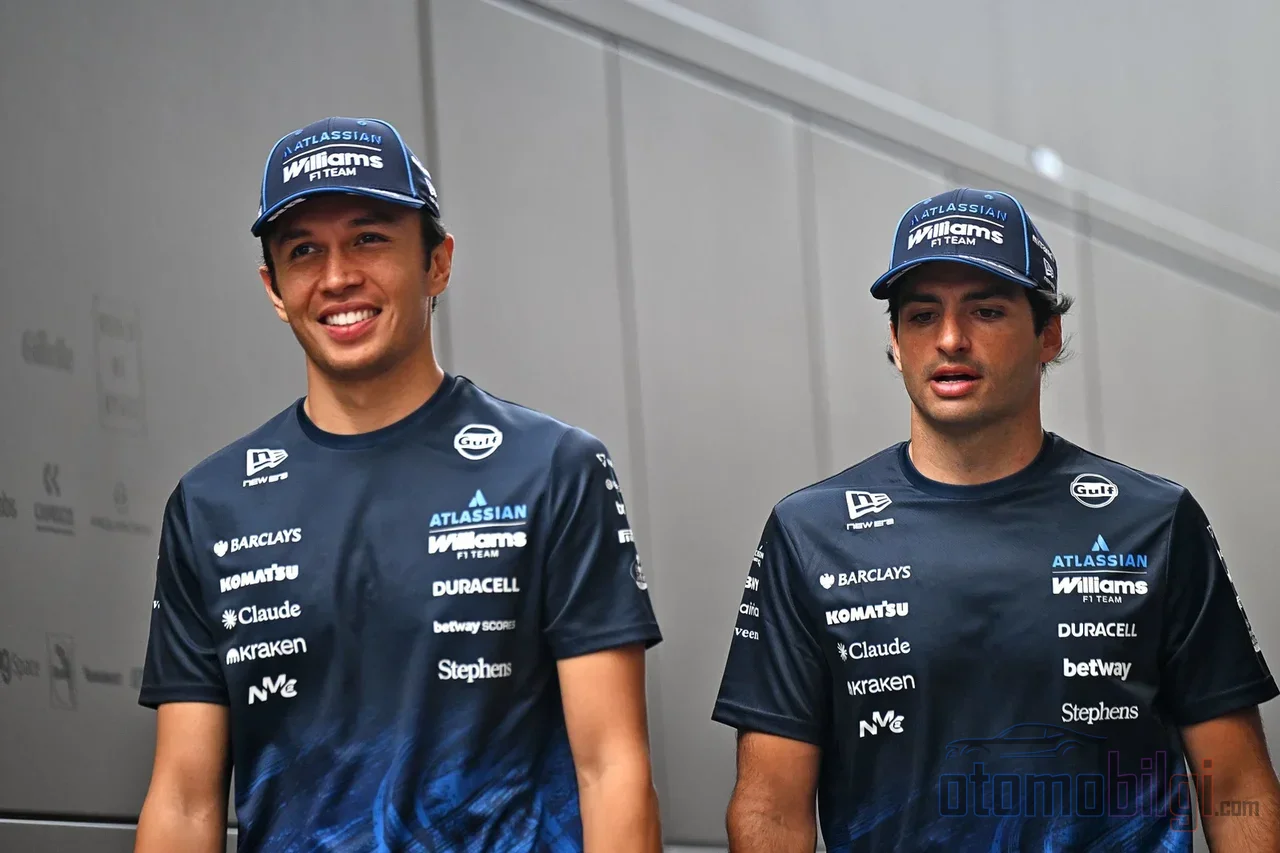
In the first practice session in Austin, while every other team was chasing lap time, Williams' two cars sat in the garage, making short measurement laps on track. Carlos Sainz and Alex Albon would go quick through two sectors on each run and return to the pit lane without crossing the finish line, then wait six to nine minutes in the garage. This essentially means turning parts of a race weekend into a test session. Williams is using its race drivers like test drivers in the final Grands Prix of the season, and the logic behind this unusual setup ahead of Las Vegas is directly tied to the bet the team is playing on its 2027 car.
Highlights
- Williams is devoting parts of the final race weekends of the 2026 season to the development of the 2027 car
- The two drivers completed a total of nine measurement laps in FP1 of the United States Grand Prix; the rest of the grid managed only six
- The team sits in ninth place among 11 teams in the championship, ahead of only Aston Martin and Cadillac in single-lap pace
- Sainz's biggest concern is the aero concept: of three fundamental flaws, only the first two are considered solved
How 2026 Turned Into This
The new technical regulation era and one of the strongest engines on the grid offered Williams a solid foundation to build on Carlos Sainz's two 2025 podiums. That goal was abandoned very early. The team even dared to be the only one to bring its car to the Barcelona shakedown in January; but the car that arrived late in Bahrain was both well over the weight limit and not competitive in terms of speed.
As the season progressed, the picture got worse rather than better. Ninth in the standings, the team can only place ahead of Aston Martin and Cadillac in single-lap pace; later in the season it slipped backward even in those metrics. The car's deeper flaw was its high-rake aerodynamic concept. Aston Martin followed a similar path and abandoned the concept with an in-season B-spec; Williams calculated whether the same move would cost it too dearly. The Baku update in September finally brought the car down to the weight limit, but it was largely part of the 2027 investment; the chassis carries over to next season. Team principal James Vowles openly admits that plenty of performance was left on the table in the wind tunnel.
Sainz also said in September, around the home race in Madrid, that the team was far from where it should be and from the promised point, and that all hopes rested on the eggs placed in next year's basket. This is where the decision to turn race drivers into test drivers comes in - the operational counterpart of that admission.
How the Practice Session at COTA Turned Into a Test
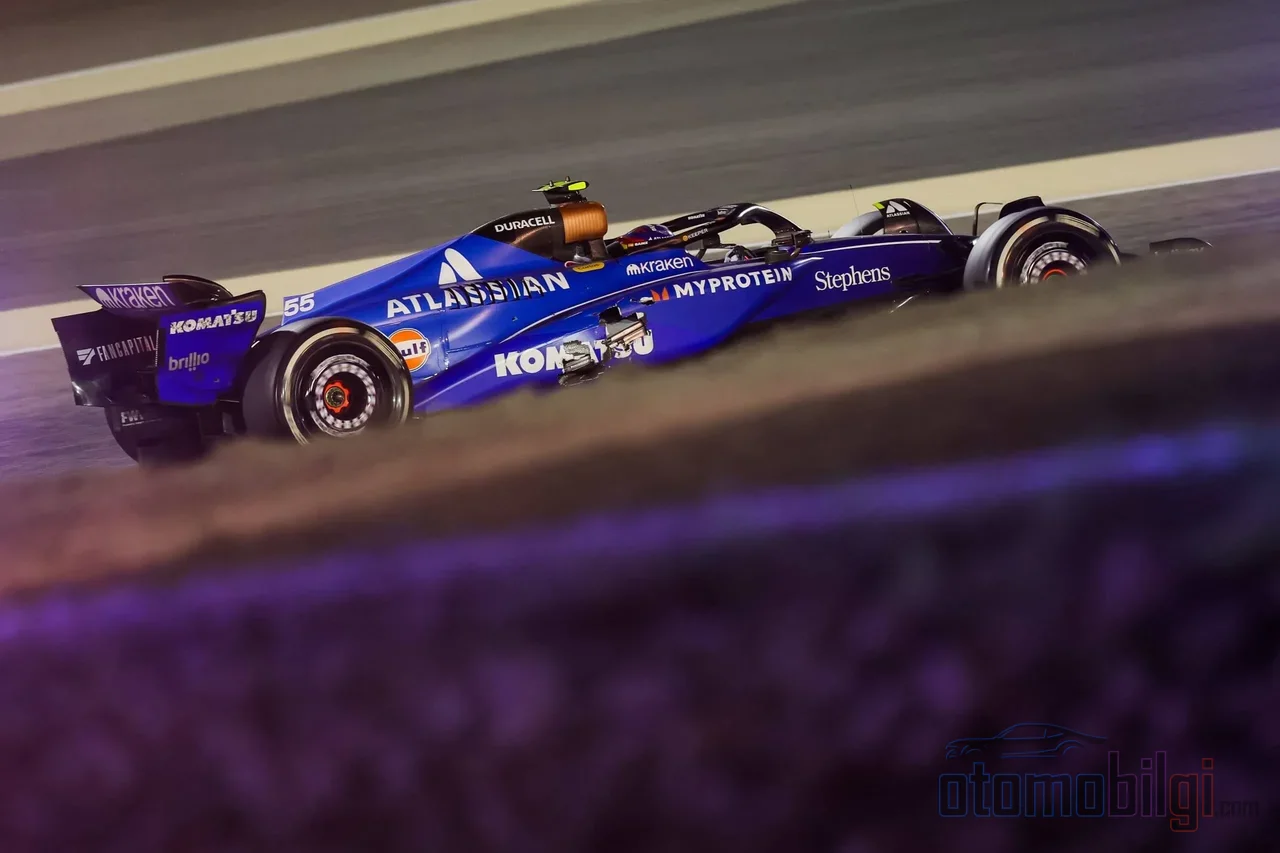
The Anatomy of Five Laps
The classic approach is well known: stop 2026 development and shift wind tunnel and CFD capacity to 2027 early. What makes Williams different is that it carries this resource shift into the Grand Prix weekends themselves. Head track engineer Paul Williams explains that the team balanced that weekend's performance with long-term learning, and that the Austin circuit is particularly favorable for gathering aerodynamic data.
The program strategy was unique across the entire grid. On hard tires, every car ran five-lap stints, going quick through the first two sectors after the out lap and returning to the pits before reaching the finish line; they waited six to nine minutes in the garage after each lap. Albon completed this program four times, Sainz five times. The rest of the field did only six such laps in total. The two Williams drivers were able to begin their first full flying laps at around 48. minutes, running on medium tires; they were the only team not to run soft tires or back-to-back laps. When Albon's only flying lap on mediums was deleted for track limits, he ended the session 0.416 seconds down on pace - but the result on paper was not the point of this exercise.
What Will the Collected Data Be Used For
Williams left the track with a far broader bank of controlled data than a normal practice session could ever provide; FP1 effectively turned into a micro version of in-season testing, which today's F1 no longer allows. Sainz explains that they ran setup experiments and simulator correlation: the car's behavior on track is compared with its behavior in the simulator and in numerical models. Albon also says they spent almost none of their simulator time at the factory on this year's car, devoting it instead to next year's car.
Technical director Matt Harman's description is even more encompassing: they are testing not only physical parts but also systems and processes, taking risks to find out how wide the car's operating envelope is. According to Harman, staying in the middle of the model is easy; the real challenge is trying to reach the edges.
Why a B-Spec Was Not Done
Aston Martin changed direction mid-season with a B-spec car on a similar concept error; Williams could not carry, or chose not to carry, the cost of that route. The calculation for the team was clear: rather than sinking major resources into the current chassis, staying within the structure that brought the weight solution with the Baku update and carries the chassis into 2027 increased the overall benefit. In the final stretch of a season whose competitive outcomes are largely settled, this means trading points opportunities for learning opportunities.
Still, the team has not turned its back entirely on development. In Mexico they recorded the season's first fastest pit stop; the median stop time dropped from 3.28 seconds before the summer break (ninth among 11 teams) to 2.79 seconds afterward. Progress continues in areas that are still winnable, such as the pit lane.
Sainz's Three-Item Fear List
Sainz clearly names the three fundamental failures for 2026: not getting the car onto the track on time, not getting the car down to the weight limit, and setting up the aero concept wrong. He believes the first two will be solved next year. The third one worries him - because that is what produces performance.
The concern has a historical basis. In the final years of the ground-effect era, Williams' strength was that updates delivered exactly as predicted. Under the new regulations, that confidence has been shaken: the cars are giving more trouble than before, and the delivered parts are not showing the expected performance. Sainz adds that he also approaches the 2027 simulator figures with suspicion. While this suspicion weakens the justification for the data-gathering campaign on one hand, on the other it shows exactly why it exists: a team whose correlation confidence has been broken refuses to surrender the model to the track without track measurements.
The result is not a generous exam. As The Race's analysis also pointed out, all this effort goes to waste if the 2027 car does not make the required leap - and Sainz himself admits that this is the biggest concern. The picture between the drivers is also interesting: Sainz carries the internal battle into 2026 leading 10-9, with Albon being the one out of the races on five occasions.
The Las Vegas Exception and a New Name in the Reserve Seat
For Sainz, Las Vegas is the exception to the testing narrative of the rest of the season. He says points are a long shot this year, but that in Vegas he will fight for them; everywhere else, he sees the weekends almost as testing opportunities that improve next year's car. If he needs to be a test pilot at this point of the year, that is what he is, he said, and he does not care about finishing 15th or 17th. A normal practice program is expected in Nevada; if the hope for points becomes clear - a qualifying spot a few rows above normal, a strong start and position retention - the team switches to full performance mode.
On the lineup side, a small but significant change was confirmed on November 13: Victor Martins will sit in the reserve pilot seat for the Las Vegas Grand Prix. The French pilot has been the team's test and development pilot since joining the academy in 2025; the change is happening because the regular reserve, Luke Browning, has his full-time program in Japan's Super Formula. This is Martins' first such duty since the Singapore Grand Prix and a first with the team in Las Vegas.
What Is This Move a Sign Of
The short answer is this: Williams is turning the final race weekends of the 2026 season into a development program run with the two pilots sitting in the race seats; because there is nothing left to fight for with the current car, and testing opportunities in F1 are extremely limited. Gaining track experience and learning with big test parts is also not against the rules - the team's deviation at FP1 does not conflict with the rookie outing requirement (in 2026, two outings per car per team, four in total).
Thirty years ago, such a thing would not have been done; teams ran as much as they wanted at test tracks, and race weekends were solely for preparing for the race. Now, in the scarcity brought by testing bans, a team is turning the race weekend itself into a laboratory. This is the product of either desperation or a calculated long-term gamble - Williams' stake will be revealed when the 2027 car hits the track.