F1 Brings the ADUO Plan to the Table with Teams
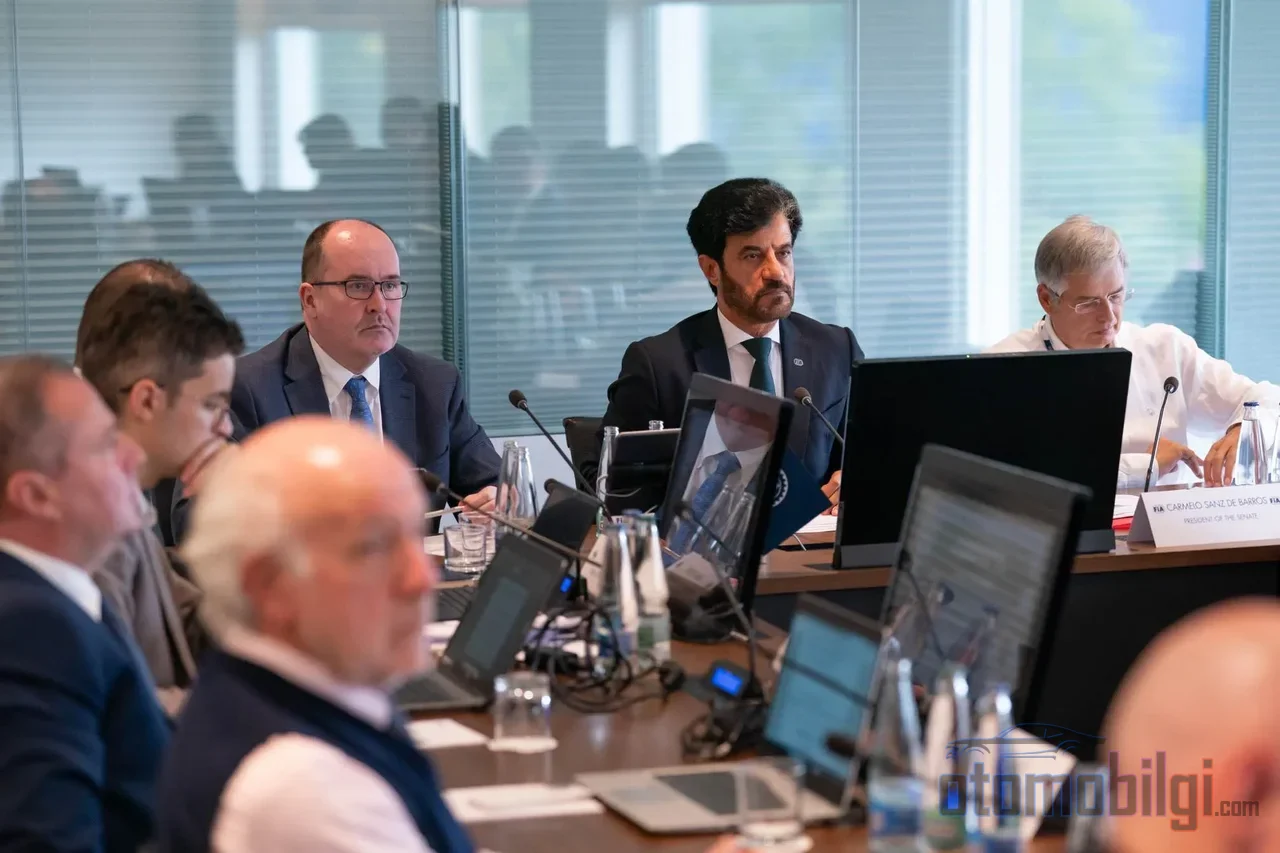
Formula 1's cost cap regime has been regarded as a framework that has protected the championship's financial balance since 2021. Now this framework itself is being put on the table: The proposal prepared by Williams team principal James Vowles, called "ADUO for teams," has been added to the agenda of the F1 Commission, which will meet on Monday. The essence of the proposal is to extend the ADUO logic that already works for engine manufacturers to the chassis teams layer, and to grant teams outside the top four progressively more spending freedom within the cost cap. It is not clear at this point how the debate will conclude; because the required voting threshold has not yet been met.
The first thing to pay attention to when following the topic is terminology: ADUO stands for "Additional Development and Upgrade Opportunities," meaning Additional Development and Upgrade Opportunities, and for now it is a mechanism applied only to power unit manufacturers. Vowles's proposal carries the same name, but targets something entirely different, namely the teams' budgets. Confusing the two would mean missing the essence of the debate circulating in the paddock this week.
How does the current ADUO work?
To understand what the proposal wants to change, we first need to look at the logic of the existing system. ADUO, under Article C4 of the 2026 Technical Regulations, provides additional opportunities to power unit manufacturers whose internal combustion engine performance is at least 2% below the leader. The evaluation criterion is only the ICE, that is, the internal combustion engine; however, manufacturers that earn the right gain the ability to make changes to other power unit components as well.
The system's deterrent effect emerges in the spending cap reductions. The tiered structure works as follows: a manufacturer whose performance is 2-4% behind earns an additional spending allowance of up to $3.0 million, one 4-6% behind up to $4.65 million, one 6-8% behind up to $6.35 million, and a manufacturer 8-10% behind earns up to $8 million. A manufacturer that earns the right receives one homologation upgrade in the current season and one additional upgrade right in the following season.
Highlights
- Williams principal James Vowles's "ADUO for teams" proposal is on Monday's F1 Commission agenda.
- The proposal grants teams that cannot make the top four a sliding-scale right to additional spending within the cost cap.
- For 2027, the support of the FIA, FOM, and 6 of the 11 teams is required; currently the support stands at four teams: Cadillac, Alpine, Aston Martin, and Audi.
- Haas and Racing Bulls are opposing the proposal.
- The FIA's 2026 season engine ADUO assessment is a separate and completed process; in the final round, no manufacturer gained or lost additional upgrades.
What exactly does Vowles's proposal target?
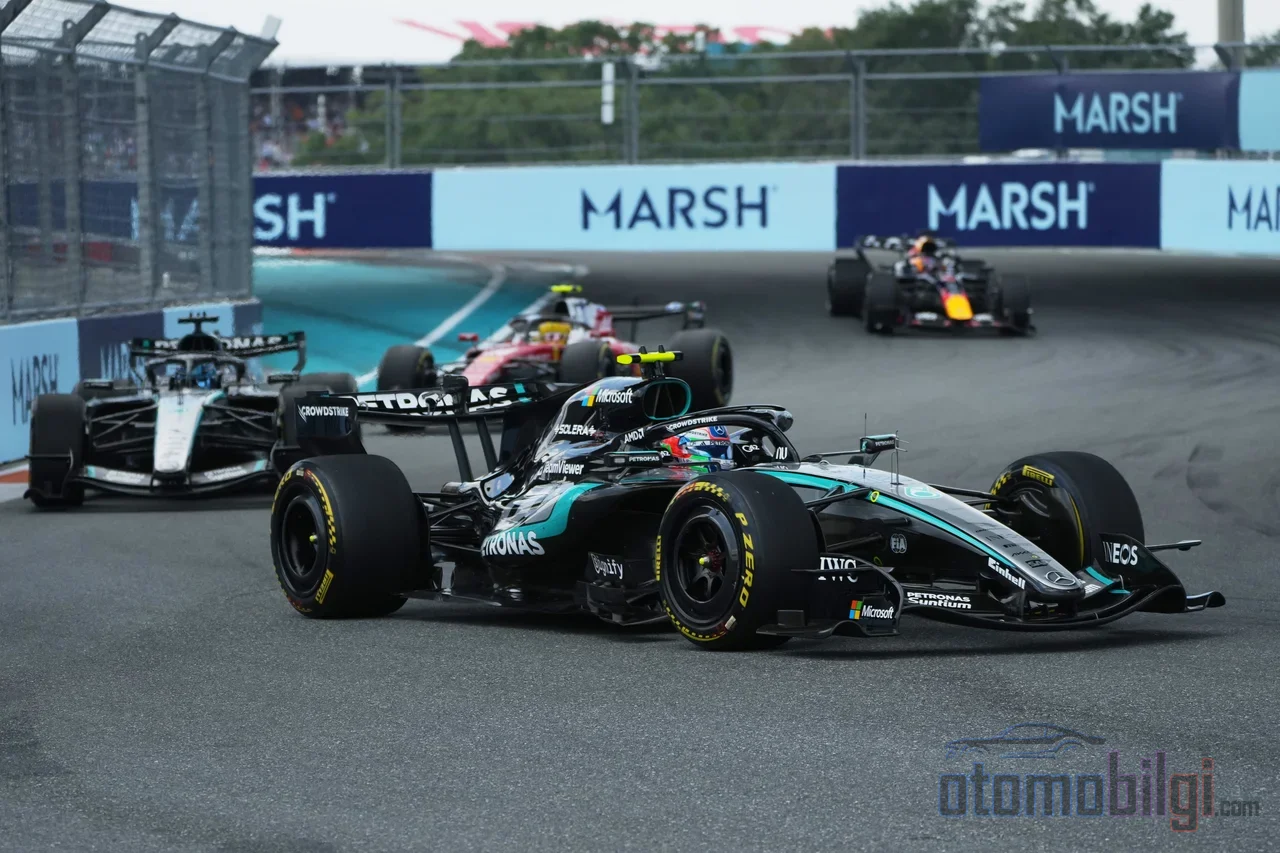
Vowles's diagnosis is based on a trap created by the cost cap itself. The team principal acknowledges that the cap has made all teams financially sustainable; but the same cap, they argue, locks in the deep advantages that come from the teams' histories and past investments, effectively making it impossible for small teams to catch up with the big ones. They describe this situation as a "cost cap trap": while everyone spends at an equal limit, the superiority of teams that previously spent far above that limit and built infrastructure and accumulated knowledge is preserved.
The mechanical side of the proposal is a sliding-scale catch-up arrangement. Teams that fail to enter the top four positions at the end of the championship would be able to spend more; the teams at the very bottom would gain greater financial freedom. In other words, the system is designed to work to the benefit of those lower down, not those at the top. While ADUO on the engine side grants manufacturers dyno hours and homologation opportunities, the team version works directly through budget freedom.
The difference between the engine system and the team proposal
Apart from the similarity in name, there are three fundamental differences between the two systems. The first is the addressee: ADUO applies to power unit manufacturers, while the proposal targets chassis teams. The second is the tool: the engine system provides extra spending allowance, dyno hours and homologation rights; the team version envisages extra spending freedom within the cost cap. The third is scope: while the current assessment looks only at ICE performance, the team proposal takes the championship standings as its yardstick and covers all teams outside the top four.
The voting mathematics and the teams' positions
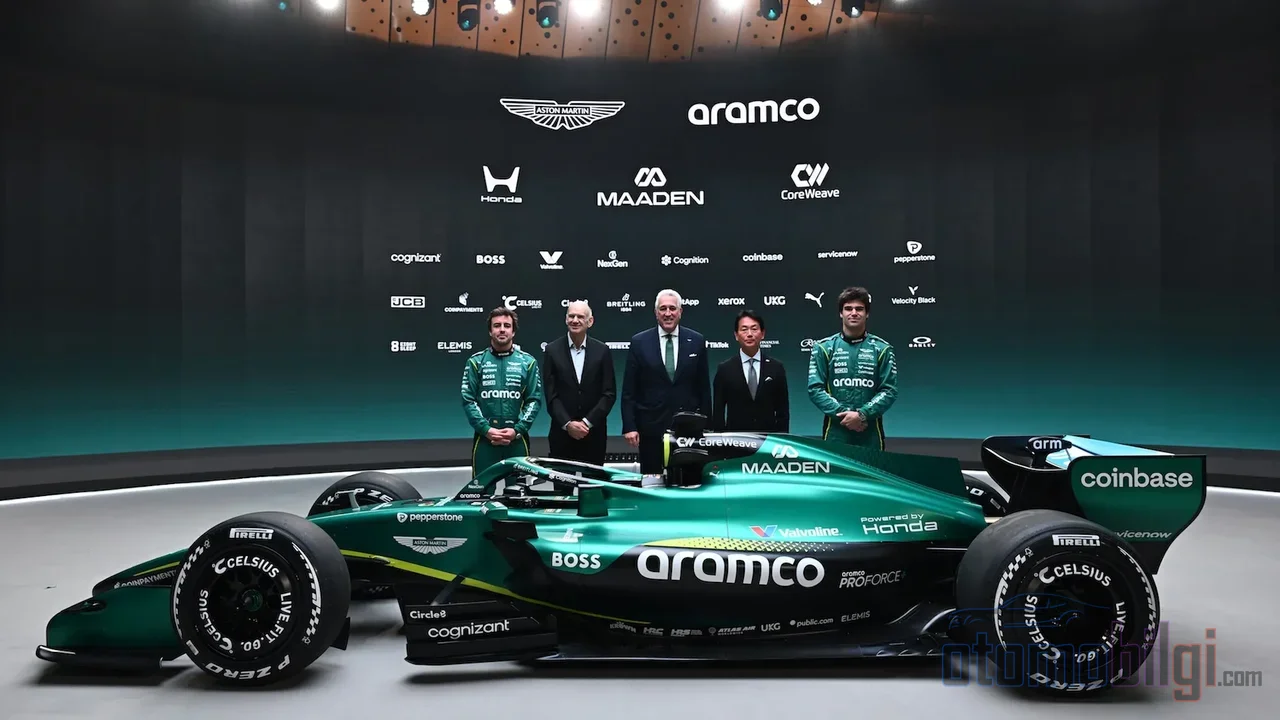
The real issue here is political. For the proposal to enter the 2027 budget, a qualified majority was required, meaning the support of the FIA, FOM and 6 of the current 11 teams. Looking at the supporting camp, so far there are only four teams: Cadillac, Alpine, Aston Martin and Audi. Vowles' own team, Williams, is the side that brought the proposal to the table. The FIA and F1 management are also said to be behind the plan.
The opposing front is not silent either. Haas opposes the proposal, arguing that since it is not close to the current cost cap limit, its spending should not be restricted. Racing Bulls team principal Alan Permane also openly said he does not support the concept. The big teams gain little from this regulation; the biggest beneficiaries are the mid-field and lower-order teams that want to catch up with those ahead. For this reason, the vote distribution reflects a map of interests within the paddock rather than a debate on purely sporting balance.
The interesting side of the mathematics is this: the current support of four teams is enough for the proposal to come into force for 2028. This opens the way for the system to shape the new rule period expected to begin in 2030 or 2031. So even if the proposal is rejected in 2027, it does not leave the table; the possibility of it being carried over to the next regulation cycle is preserved.
Vowles' timeline expectation
Vowles himself is aware that the process will not be quick. It states that the FIA and F1 support the plan, but that the change will not happen overnight, and that the real goal is to set it up properly by the next regulation change. He notes that the matter will be discussed more frequently in the coming months, and that a conciliatory solution between the parties is also possible. In short, Monday's meeting is not a finale, but the opening move of a long negotiation.
The FIA's engine ADUO decision: a separate and completed file
While the team proposal is being discussed, another ADUO topic circulating in the paddock should not be confused with it: the FIA's 2026 season engine evaluation. The authority announced that it examined the third and final analysis period of the season, meaning the engine data from the Dutch Grand Prix to the United States Grand Prix, and that there was no change. No manufacturer gained an additional upgrade entitlement or lost its existing one.
The standout technical result of the period is this: in the comparison, Red Bull Ford Powertrains was determined to have the most powerful internal combustion engine. Mercedes, meanwhile, found itself 2-4% behind in performance, and holds the right to use one of its two upgrade entitlements, the one for 2026; another entitlement is also available for the following season. This is a completed and concluded process; the team proposal to be discussed on Monday, by contrast, is still a draft at the decision stage. It is also reported that Ferrari has actively advocated in the paddock its view that it deserves additional engine upgrade opportunities through the ADUO during the season; this claim has not yet been tied to any finalized official outcome.
The door has opened: the cost cap's broader reform debate
Vowles' proposal is, in fact, the visible part of a much broader picture of dissatisfaction. The big teams are also unhappy with the current rules, and the hottest topic on the agenda is the staff retention problem: engineer losses in the face of high salary offers from technology companies and the possibility of higher earnings in other racing series are putting pressure on the paddocks.
One of the solutions being discussed is for the cost cap to separate spending on parts from spending on people. Currently, only the three highest-paid staff members are excluded from the cap within an organization; in the past, extending this exemption to 300 staff members came up, but it was shelved on the grounds that it would effectively render the cap meaningless. Mercedes boss Toto Wolff also explained that the team submitted a request to the FIA regarding staff salaries so that it could pay junior staff better, but that the request was not accepted. In other words, the question of who and where the cost cap should allow flexibility has become a reform agenda in its own right, independent of the ADUO proposal.
What would this proposal change?
The short and clear answer: "ADUO for teams" is a cost cap reform proposal that turns the absolute equality principle of the cost cap into performance-based flexibility, granting scaled additional spending rights to teams finishing outside the top four in the championship, aiming to make it easier for trailing teams to catch up with their deeply advantaged rivals. While support stands at four teams, there is no qualified majority required for 2027, but the same support is sufficient for 2028; therefore the fate of the proposal depends not on a single vote, but on negotiations extending into the 2030-2031 rule cycle.
For someone who has followed this sport's regulation cycles for thirty years, the picture is familiar: the cost cap, once the problem itself, is now being discussed as part of the solution. In the past, championships were built with unlimited budgets; now the search is on for a way to remedy the shortfall that cannot be closed with a limited budget. The "ADUO for teams" proposal is precisely the product of this search. Whatever the outcome of Monday's Commission meeting, the discussion about the cost cap's second decade has already begun; and the engine of this discussion will be, as much as the votes in the paddock, the pursuit of sporting balance itself.