Verstappen Demands Radical Solution for the COTA Bumps
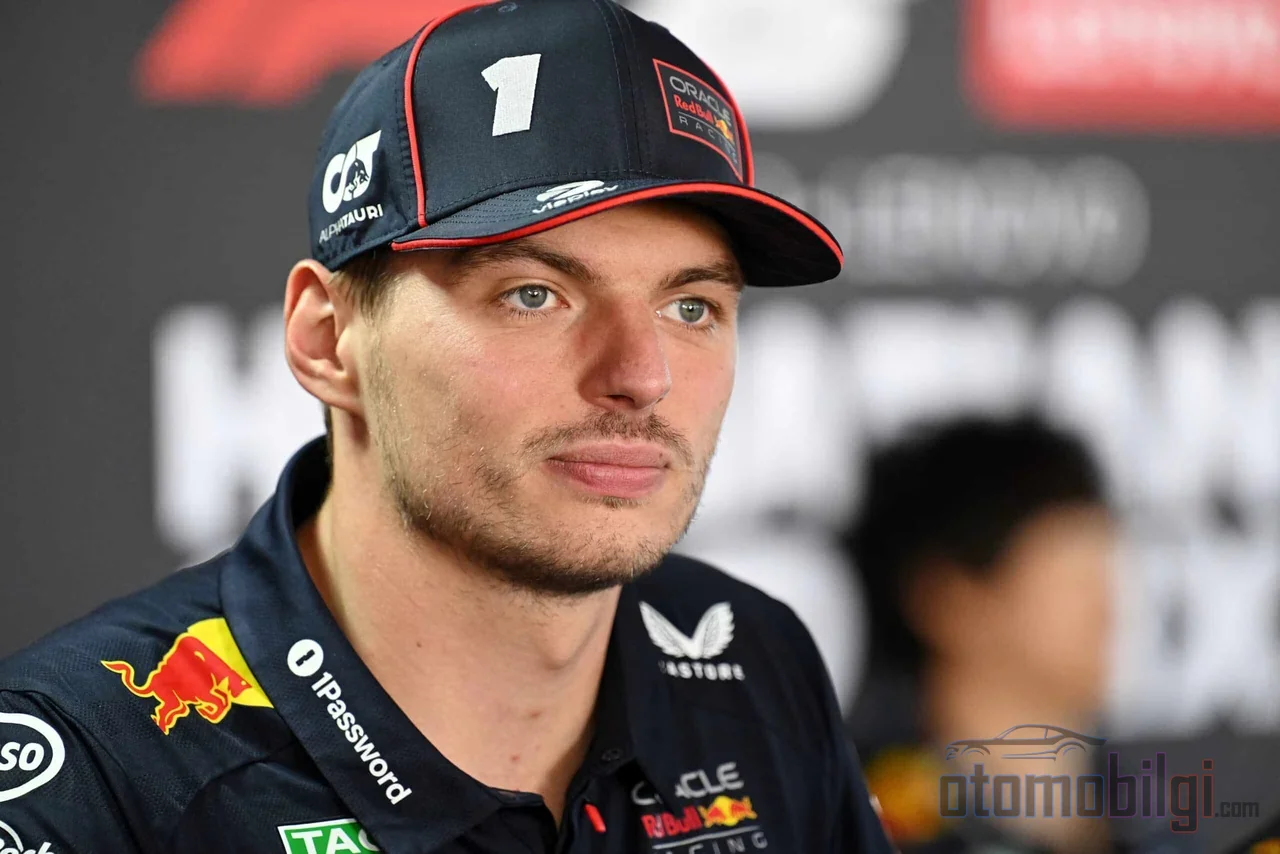
Everyone who stood on the track over the three days of the weekend in Austin said the same thing: The surface of the Circuit of the Americas has started to overshadow one of the most critical races of the year. Max Verstappen called the situation unacceptable on Thursday, and on Saturday he revealed that he has to take painkillers every day. So why can't this track ever rid itself of its bumps, and is the real debate actually hidden deep beneath the asphalt, in the ground itself?
The 2026 United States Grand Prix was run on October 23-25, and the main topic of the weekend was not the qualifying results but the physical condition of the track. Verstappen's proposal was unconventional: that laying new asphalt on the surface should not be enough, and the entire track should be dug up and rebuilt on a solid foundation. The response of COTA president Bobby Epstein, however, pointed in the completely opposite direction: that most of the known problem areas had been fixed and that the track was in good condition. The tension between these two perspectives stands as the most concrete example of the modern Formula 1 debate over track infrastructure.
Why does Verstappen find the bumps unacceptable?
The objection of the Dutch driver stems not from an aesthetic annoyance but from direct physical strain. The problem areas are clear: 1. 1, the dangerous protrusion at Turn 19, and the large bumps in the fast section between Turns the large bumps in the fast section between the turns. These sit exactly at the points where the car slams into the ground with massive vertical accelerations, in other words, where it bottoms out. When a modern F1 car makes contact this closely with the ground, centimeter-level imperfections on the surface combined with several hundred kilograms of downforce reach the scale of danger.
Verstappen revealed on Saturday in Austin that he takes painkillers every day and that his teammate Lando Norris also uses headache tablets in every session. What is even more striking is that the driver was found to have damage in a scan related to his own spine, and issued a warning that the track's bumps could harm exactly that region. This is a detail that takes track quality out of being a comfort issue and puts it on the health agenda.
It was also reported that during Friday practice several drivers came close to losing control of their cars in the sequence of fast corners. The Red Bull team noted that the vertical impacts of the 2026 cars could become uncontrollable; in other words, it is thought that this year's car regulations have increased the load the bumps inflict on the drivers. The matter was put on the table at the Friday evening driver briefing, and Verstappen had a long meeting with the FIA and track representatives after the briefing. On the other side, there is an interesting nuance: Verstappen described COTA as one of the best track layouts ever. The criticism is definitely aimed at the surface; not at the British architecture.
Highlights
- At the US GP run on October 23-25, 2026, the track surface was the main topic.
- The track had been completely resurfaced about two years ago; 9-11 before 2026. 9 and 11 had also been renewed before 2026.
- The problem stems from the expanding and contracting effect of Texas' highly plastic clay soil.
- Verstappen wants a complete resurfacing, Russell wants new asphalt every two years, and Epstein believes the existing surface is good enough.
- Kimi Antonelli completed qualifying with pole position.
Why does the COTA track develop bumps, and why doesn't repaving fix the problem?
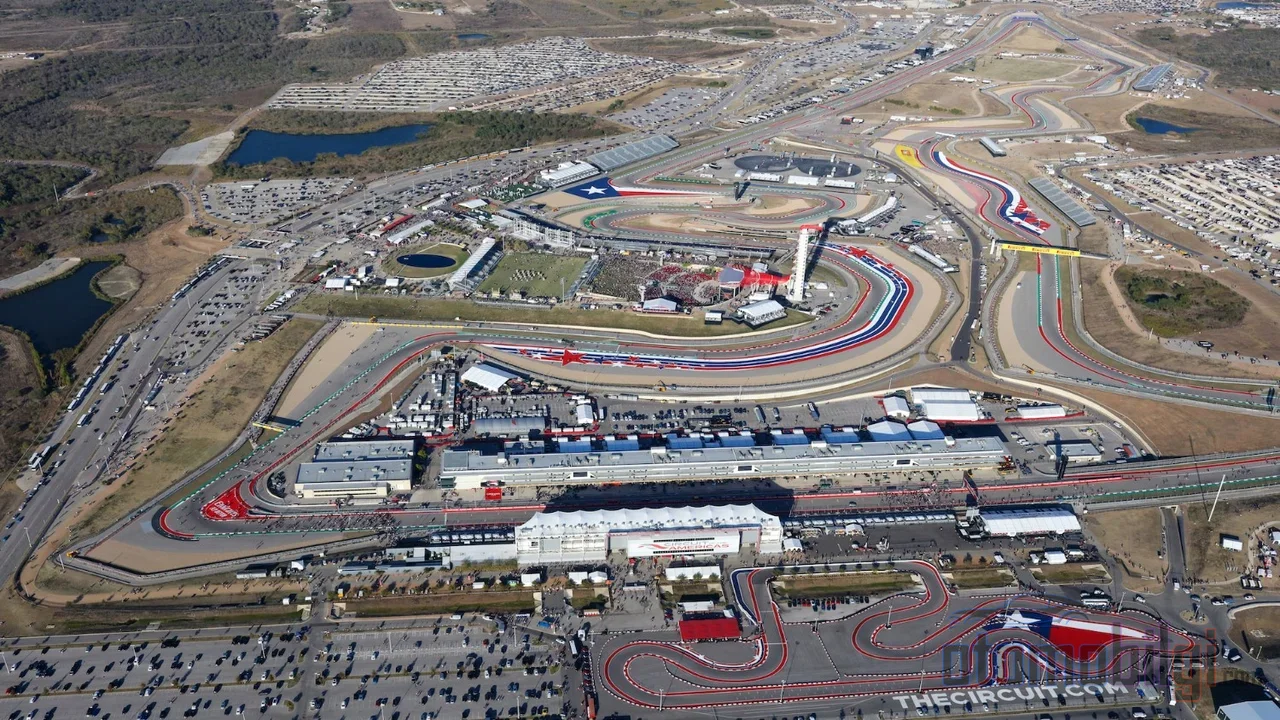
The answer to this question lies not in the track's surface, but beneath our feet. The Circuit of the Americas was built on Texas' highly plastic clay. Soils of this type change volume depending on moisture: they swell as they absorb rain and shrink as they dry. This behavior, known in engineering literature as the shrink-swell effect, slowly but continuously moves the ground beneath the concrete and asphalt layers. No matter what you lay on top, as long as the ground keeps moving, wave formations reappear on the surface.
A look at history is enough. The track was completely repaved about two years ago, around 2024. Two more separate interventions were also made ahead of the 2026 event: 9-11. the section between the curves was repaved, 12-19. Work was carried out to eliminate the worst bumps between the turns. Even so, when drivers arrived in Austin, they found that the three most critical points were still causing problems. As Verstappen summarized, if the ground is known to be moving, a solid foundation needs to be built; otherwise, the new asphalt will share the same fate within a year or two.
The organization itself is aware of the problem. In early 2022, track management announced an asphalt project using ground-penetrating radar and laser technology; in other words, ground measurement and correction efforts have been ongoing for at least a few years. However, the results of these efforts are racing against ground conditions that change every year. There is no verified information about the monetary figure in the field; estimates point to millions of dollars, but no exact amount has been disclosed.
Epstein's response: does he think the track is really in good condition?
COTA chairman Bobby Epstein gave a sharp but measured reply to the weekend's debate. At one point, he showed candor: 1. 1 himself, and that they did not know these areas were in that condition until this weekend, and would have fixed them if they had known. On the other hand, he defended the view that all the bumps Verstappen described had already been removed and that the track is really in good condition. Behind closed doors, a detail emerged stating that, contrary to what is thought, some bumps no longer exist: Epstein said he expected Verstappen to change his mind after the practice sessions.
The discrepancy between the points recorded by the two sides may actually be related to the measurement problem. Track management may have fixed the points they measured as of a certain date; but since the ground continues to move, new deterioration may have formed during race week. 1. Epstein also made the assessment that the formation at the beginning of the corner is not a bump, but a dip. Even the terminology has become part of the debate; everyone is looking at the same surface but describing different things.
This is not the first such debate we will encounter in COTA's history. Before the 2021 US GP as well, Epstein had stated that grinding was carried out at the points marked by the FIA and that the bumps did not affect the cars. That same year, after MotoGP riders complained about the track, the message was given that the surface would not affect F1 cars. That the same debate is being repeated five years later in a much harsher form is no surprise to someone who has swallowed the dust of the matter; the battle with the ground is a more patient rival than the repairs.
Verstappen's radical solution and Russell's more measured proposal
Verstappen's thesis is that the surface improvements amount to patching over the problem and that the FIA and Formula 1 need to be stricter on this matter. According to him, the entire track should be dug up and rebuilt on a solid foundation resistant to ground movement. Otherwise, every few years the same expense, the same complaints and the same safety debate will occur. The response he gave to the track boss also showed the intensity of the debate: He said he would invite Epstein into his car, and that after five laps he would have no strength left to get out. This is less a measured criticism and more a challenge.
George Russell voiced the same concern on a different scale. According to him, F1 tracks being resurfaced every few years should be considered normal, and this cycle should be institutionalized. The difference between Verstappen's demand for a fundamental renewal and Russell's proposal for regular renewal points to a debate about cost and operations rather than engineering approach. Digging up a track and rebuilding it from the foundation is far more expensive and logistically difficult than resurfacing it every two years.
The scene returning to racing and where the real debate lies
Despite all this tension, the race weekend went ahead and the competition on track continued. Kimi Antonelli completed qualifying with pole position; this result is also proof that, despite all the criticism, the surface still serves as a real race track. COTA showed that it is continuing its infrastructure investments ahead of the 2026 race: 1. a new four-story building was opened at the corner, including terrace suites, a restaurant and a rooftop pool. In other words, the facility is investing in its revenue side while waging a constant defensive battle on the surface side.
The real question is to what extent Verstappen's proposal will be taken seriously. How much authority the FIA and Formula 1 have over surface quality in track licensing processes is a permanent part of the tension between a track's ownership and the needs of an international championship. The problem buried in Austin's clay is not one single track's issue, but the common concern of every facility whose ground moves. COTA has at least charted a course of intervention: 1. the promise to fix the bottom of the corner remains unfulfilled, and Epstein's previous statements also show that measurement and observation will continue for other regions.
Conclusion: What does Austin's bump debate say about the future of circuits?
The summary of this weekend is this: the layout of the track is praised, the surface is debated. The radical full repaving that Verstappen demands is financially tough in the short term but the only route that solves the problem at its root in the long term. The regular asphalt milling cycle that Russell advocates spreads out the cost but cannot stop the movement lurking beneath the surface. Epstein's cautious optimism, meanwhile, is the property owner's realistic reflection: fix what is known, don't deny the unknown, talk after the race.
To put it through the eyes of a thirty-year follower, there is no surprise side in this debate; what is surprising is the magnitude of the debate. Modern F1 cars are machines that magnify every flaw in the surface, and drivers are now marking the limits on the health side, not comfort. Beating Austin's clay soil is not the asphalt company's job, but ground engineering's. How quickly this reality is reflected in institutional processes will reveal itself in how COTA greets its next guests.
Sources
- Max Verstappen reacts to COTA boss: "He can drive my car, after five laps he won't be able to walk" - Motorsport.com
- Max Verstappen issues stark 'unacceptable' COTA track warning - Motorsportweek
- Max Verstappen slams "unacceptable" bumps at Austin F1 track - Motorsport.com US
- George Russell calls for F1 track changes after Max Verstappen's COTA complaints - Motorsport.com
- Max Verstappen: Red Bull driver hits out at 'unacceptable' bumpy US GP surface - Sky Sports
- COTA boss addresses driver concerns - ESPN
- COTA boss addresses track surface - RacingNews365
- COTA Smooths Out Bumps Ahead of 2026 Formula 1 - Yahoo Sports
- Circuit of the Americas Finalizes Track Repaving Project - COTA official
- Circuit of the Americas - RacingCircuits.info