Hamilton-Leclerc Rivalry: Accountability Rising at Ferrari
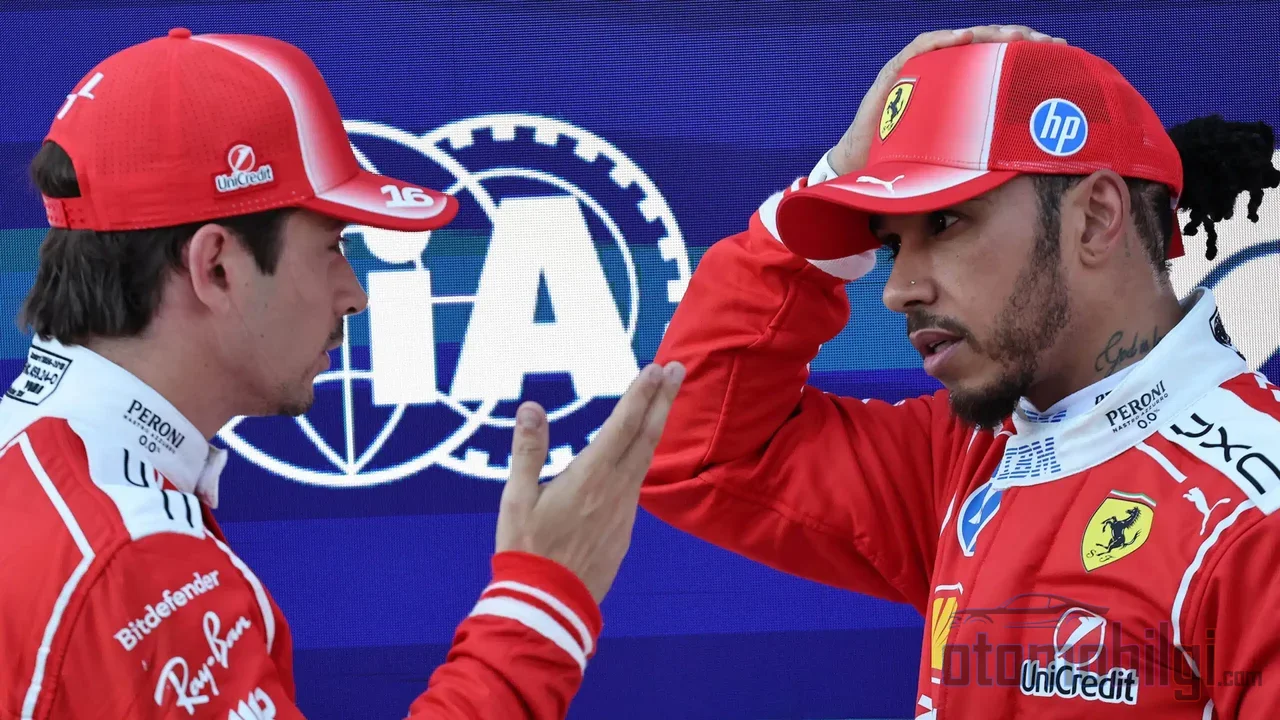
The Mexico City Grand Prix wasn't lost at the final corner, but at the fifth corner of the opening lap. On November 1, 2026 at Autódromo Hermanos Rodríguez, Ferrari was having one of the strongest weekends of the season: Lewis Hamilton had claimed his first Grand Prix pole position in Ferrari colors, while Charles Leclerc waited on the third row, just ahead of the Mercedes cars in fourth. Entering Turn 1, both red cars were ahead. When the race ended, the victory belonged to Max Verstappen, Hamilton finished second by 0.799 seconds, and the fiercest debate on track had turned from speed to team discipline. After the race, Hamilton made it clear that Ferrari needed to sit down and talk seriously behind closed doors.
From Pole Position to the Turn 5 Crisis: What Happened on the Opening Lap?
Hamilton, with a 1:16.514 in qualifying, had beaten George Russell by just 0.009 seconds; it was his first pole position since 2023 and Ferrari's first Grand Prix pole position of the season. On the grid, Russell was second, Leclerc third, and Kimi Antonelli fourth. The calculation for the red side was simple: A clean first lap, controlling the race with both cars.
But Leclerc, starting from the third row, attacked his pole-sitting teammate in the first corners on the opening lap. The most critical moment of the battle came at Turn 5: Leclerc cut the corner and went off track, gaining a position advantage from this shortcut. Hamilton dropped to third in this incident, and Ferrari's plan fell apart within the first lap.
Highlights
- Hamilton took his first Grand Prix pole position with Ferrari in 1:16.514
- Leclerc received a 5-second penalty for cutting Turn 5 to gain an advantage
- Verstappen won; Hamilton finished second 0.799 seconds behind
- Antonelli finished third, securing the 2026 world championship
Why Did the FIA Give 5 Seconds Instead of 10?
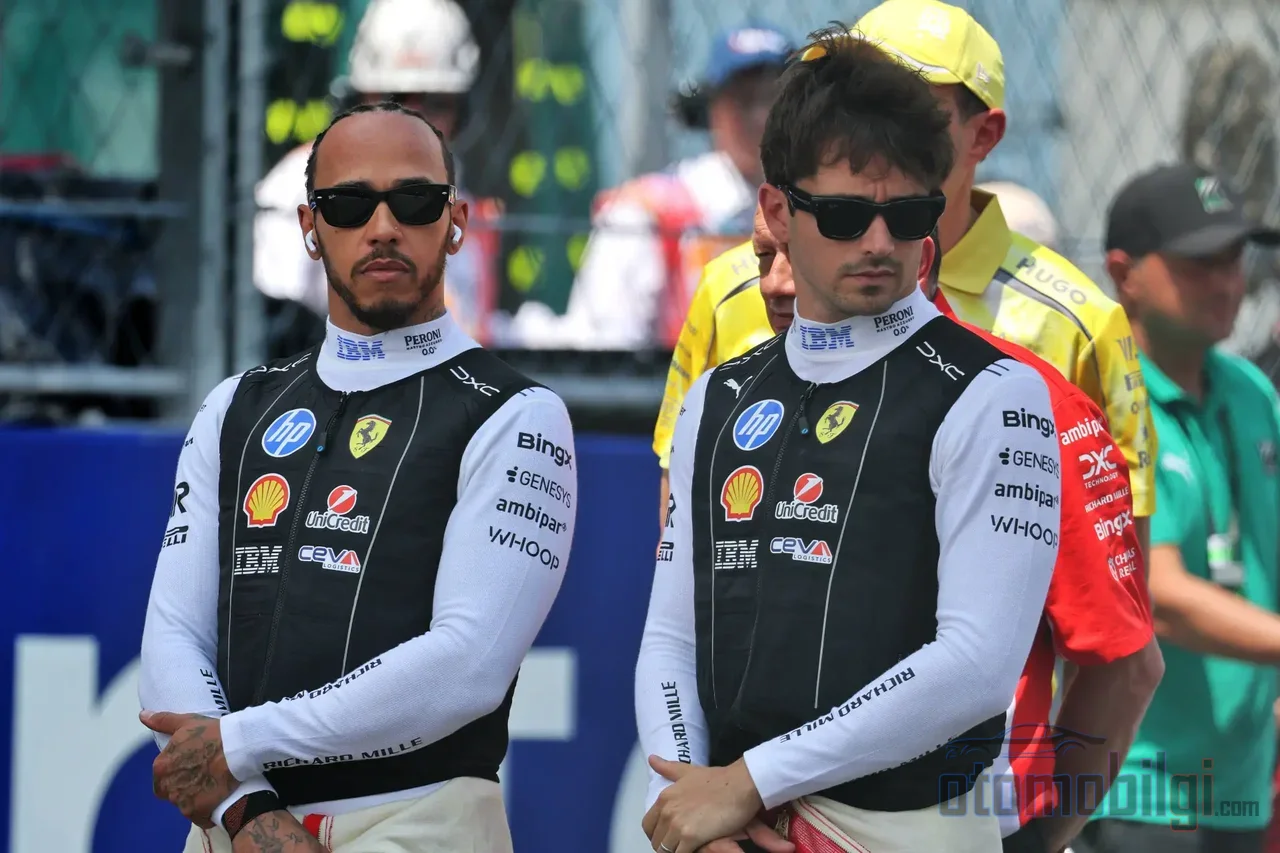
The stewards judged the incident as a classic case of "leaving the track and gaining an advantage" and issued a penalty; but the size of the penalty sparked controversy. The standard penalty for such violations is 10 seconds. Leclerc was given 5 seconds, and the reasoning was built on two factors: The incident happened on the opening lap, and Hamilton himself had also gone off track during the battle, which was considered a mitigating factor.
This reignited a debate that has been repeated for years. In the past, stewards would suggest the position be returned in such cases, and the driver would either comply or take the penalty. Today, the penalty route is preferred; 5 seconds may not be a deterrent compared to the value of the position gained. And that is exactly what Leclerc did: He didn't give the lead back on track; he chose the pay-the-penalty route. By staying ahead of Verstappen at his first pit stop, he protected himself and kept his lead until the red flag, up to Bottas's crash.
Leclerc's defense
The defense from the Leclerc camp was simple: He stated that both drivers entered the corner very late, that he was pushed off the track by Hamilton at Turn 1, and that he could complain on the same grounds. In other words, according to the Monaco driver, the first lap was a lap of mutual toughness, and Turn 5 could not be read in isolation. The stewards halving the penalty shows they partially shared this reading.
An Account to Settle: From Hamilton to Ferrari
Hamilton's post-race message was harsh. He said that this move on the opening lap took the win away from them, and that Ferrari needed to discuss this matter seriously behind closed doors. The outburst from the seven-time champion, who throughout the season mostly had to hold off Leclerc in qualifying, requires more than a routine weekend debrief at Maranello.
Seen from the top of the pyramid, the picture is clear: Ferrari was 1-2 before Turn 1 and was in a position to control the race with both cars. The advantage coming from pole position was squandered internally, without the need for team orders even arising. In championship terms, the loss was not just one victory; Verstappen has been progressing fast enough in recent races to overtake Ferrari in the points table, and the red side keeps opening up free ground to its rival in every internal dispute.
Ferrari's Share in Verstappen's Victory
In Mexico, the prize did not go to whoever won the fight, but to whoever stayed out of it. Verstappen made the best possible use of the chaos created by the opening-lap battle between the two Ferraris; while the two red cars wore each other down, he advanced on a clean line. The result was his third of the 2026 season and his third win in the final four races. On a weekend when the Ferrari camp was settling its own accounts, Verstappen's job was to coolly finish off a scenario falling apart ahead of him.
The broader story of the race was completed here as well: Kimi Antonelli finished third, mathematically securing the 2026 Formula 1 world championship and becoming the youngest world champion in history. On an evening when the championship math was locked in, the agenda shifting to Ferrari's internal balance seems like a summary of the season from Maranello's point of view.
Is This Dispute a Shadow of Ferrari's Bigger Problem?
At the start of the season, when Hamilton and Leclerc completed their first laps in the 2026 car at Fiorano, they had at the time rejected claims that their relationship had deteriorated. Mexico was a rupture of the kind that brings those claims back onto the agenda. In a team where two drivers who are world-class fast are locked onto the same target, the problem is not the speed itself; it is the lack of a clear agreement on the rules within which that speed will be used.
Ferrari's balance within qualifying completes the story: Leclerc closed the season 10-7 ahead in qualifying, while Hamilton established a 9-8 advantage in races. That means each driver knows the other's weak point; an even internal struggle magnifies even the smallest mistakes. Turn 5 was exactly such a moment.
Mexico's Quick Ledger: Who Lost What?
| Fan | Situation |
|---|---|
| Ferrari | With a 1-2 position before Turn 1, the chance of the win and a one-two finish |
| Hamilton | Ferrari's first pole position, finishing second with a 0.799 second gap |
| Leclerc | 5 second penalty; did not return the lead |
| Verstappen | The third victory of the season; three wins in the last four races |
| Antonelli | Third place and the youngest world championship |
The answer to the real question is this: Ferrari lost the victory in Mexico not off the track, but within itself. The cut move at Turn 5 was compensated with a 5 second penalty; what could not be compensated was the two drivers' refusal to accept staying on the same line against each other. This is also the essence of Hamilton's call: The speed is not missing; for speed to find its place, the unwritten but well-known limits within the team need to be redrawn. The upcoming races will show whether this talk remains on paper or finds its answer on the track.