Formula 1 Brazil GP - Technical Takeaways from Day One
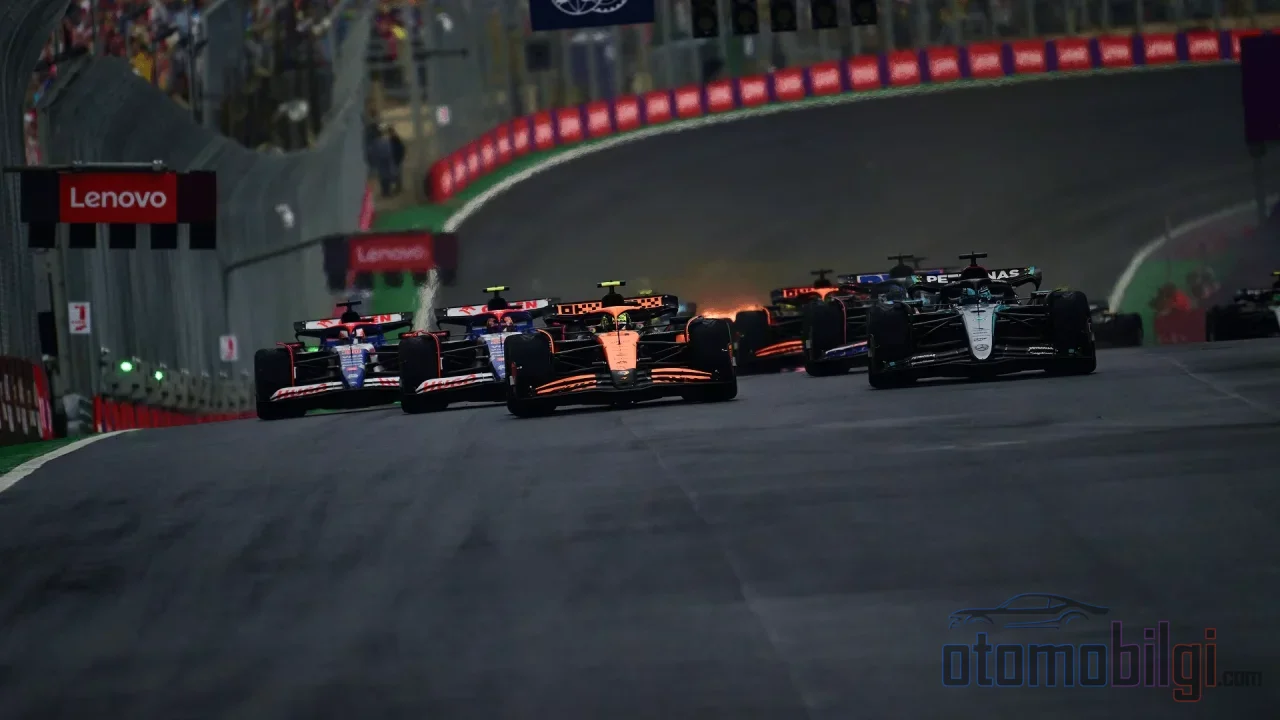
When the Formula 1 circus lands in Mexico and heads to Interlagos, the big question of the season has already been answered: Kimi Antonelli secured his championship in Mexico City and is arriving in Brazil as world champion. But the game being played at Interlagos is not over yet. This weekend, when Mercedes can mathematically seal the constructors' championship, the real technical question lies elsewhere: How will a balance be struck between Pirelli's noticeably softer tire set compared to last year, Interlagos's abrasive asphalt, and the circuit's short-lap character?
Friday's two practice sessions are the first real source of data for teams searching for that balance. And in the 2026 season, this search is a more delicate task than it appears.
Highlights
- This year, Pirelli has brought a softer set with its C3-C4-C5 selection compared to last year
- The race is run over 71 laps on Sunday, November 8; there is no sprint this weekend
- Antonelli is champion with 380 points, and Mercedes leads the constructors' standings with 630 points
- In 2026, the degradation difference between compounds is only 0.008 seconds per lap
- The weather in São Paulo looks wet and unpredictable; it could rewrite the strategy
Why Interlagos's short lap makes setup difficult
The 4.309-kilometer circuit has one of the shortest laps on the modern F1 calendar; the official lap record stands at around 1:10.540. A short lap means small mistakes cost big positions. In a region where 20 cars are packed within tiny fractions of a second, half a meter of extra slide in a single lap can be the entire gap stretching from Q1 to Q3.
The circuit's physical character also narrows the setup choice. Banked corners, the Senna S, a twisty infield section, and a descending approach to Turn 1; a rare combination that houses low, medium, and high-speed corners all in the same lap. Add relatively high minimum speeds and two straights, and teams find themselves squeezed between aerodynamic efficiency and mechanical grip. A team chasing straight-line speed with less wing punishes its tires more in the banked sections; one that opts for more wing keeps the overtaking chance at the end of the straight in hand.
The fact that part of the circuit has been resurfaced is one of the most interesting variables of the Friday sessions. New asphalt leads to grip increasing as the day progresses, meaning the track evolves; Friday afternoon's lap times improve enough to directly affect Saturday's qualifying. The same surface can also alter the expected degradation profile over long stints. The teams' first task on Friday will be to measure the speed of this evolution.
Pirelli's soft selection and the degradation tension
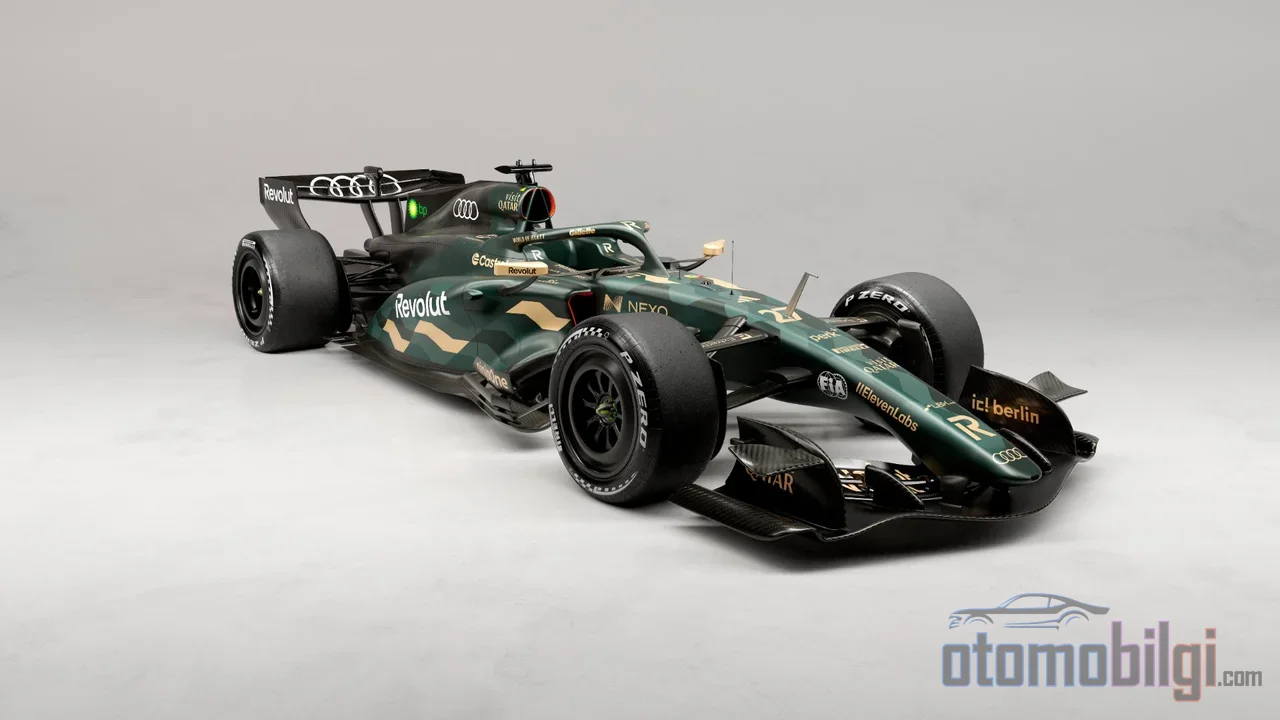
The lesson of 2025: durability decided the race
The technical summary of last year's São Paulo race fits into a single sentence: degradation decided the race. While graining was less of a problem than expected, the demanding C2 hard tires were prone to sliding; the tires in the medium and soft ranges suffered heavy wear. Pirelli gave a clear answer this year: bringing one step softer, the C3 hard, C4 medium and C5 soft set to Interlagos.
This choice favors one-lap pace; the qualifying session, especially in Q3, could see fierce battles between laps set on the C5. But the other side of the coin is this: Interlagos's abrasive surface and high minimum speeds raise the question of how long the soft compound will last over the race distance. The inclusion of full wet and intermediate tires in the set counts as an admission that Pirelli knows how unpredictable São Paulo can be.
How 2026's narrow tire gap changes strategy
The most striking tire data of this season is that the degradation difference between compounds has dropped to just 0.008 seconds per lap. This is the narrowest gap of the ground-effect era; it was 0.053 seconds in 2022 and 0.011 seconds in 2023. In practice, this makes using the soft tire as a strategic tool far more appealing than in the past: switching to the soft used to be a move requiring defense on the pit wall, now it is a calculable choice.
Building on this, there are assessments that the tire hierarchy has effectively been inverted in 2026; this reading is an analytical interpretation and it is too early to take it on its own as a definitive finding. But the long-run data on Friday will be the first real test of whether this thesis holds on Interlagos's abrasive surface.
Championship calculations and the points table
There is no longer any tension in the drivers' classification: Antonelli has clinched the championship with 380 points, Max Verstappen sits on 261 points, and Lewis Hamilton is the name in third place. The podium trio in Mexico was exactly these three names. In contrast, the constructors' classification is still open and Mercedes holds a 126-point lead over Ferrari with 630 points. Brazil, the first of the final four races of the season, is the weekend when Mercedes can mathematically clinch the 2026 constructors' championship; the points combination required for the calculation to work out becomes clear in this race.
| Classification | Leader | Points | Gap |
|---|---|---|---|
| Drivers | Kimi Antonelli (Mercedes) | 380 | Champion declared |
| Drivers | Max Verstappen (Red Bull) | 261 | 119 points behind |
| Constructors | Mercedes | 630 | +126 over Ferrari |
On the Ferrari front, concerns about form continue. The Italian team, which has accumulated signals that it has struggled with tire management throughout the season, is assessed to be facing an important tire management test this weekend, with fresh asphalt and a soft tire set. This is not an official assessment from the team; but combined with Interlagos's character, Saturday evening looks set to be tense again for the red side.
Format change and the weekend schedule
The sprint format was used in São Paulo in 2024 and 2025; this year, however, the traditional weekend has returned. That means three practice sessions, qualifying on Saturday and the race on Sunday. The format bringing extended practice time gives teams extra breathing room, especially for reading the new asphalt and the soft tire set. The 2025 sprint data offers an idea about last year's speed ranking; Lando Norris took sprint pole position, Antonelli finished second and set his fastest lap in the first stint. But if there is no sprint, taking this data directly as a guide for this year's race would be misleading.
- FP1: Friday, November 6, 12:30 (local time)
- FP2: Friday, November 6, 16:00
- FP3: Saturday, November 7, 11:30
- Qualifying: Saturday, November 7, 15:00
- Race: Sunday, November 8, 14:00 - 71 laps
With home driver Gabriel Bortoleto on the grid, this weekend carries a special atmosphere in terms of the grandstands. The official experience packages of Formula 1 being sold out is a strong sign that Sunday's 71-lap race over 305.879 kilometers will be run in front of packed stands.
Weather and the power unit dimension
São Paulo is always a wild card on the charts in November, and this weekend promises no different a picture: forecasts show wet and unpredictable weather. Rain reshuffles everything: setup balances become invalid, the meaning of the C3-C4-C5 hierarchy is lost, and strategy shifts from the pit wall to the engine. According to the FIA's tyre preview, the last hour for fitting tyres on race morning expires four hours before the race start; in a wet race, this window can turn into a matter of whether you can get out on the right tyre.
The technical picture also has a power unit side. The power unit demands of the 2026 regulations, combined with tyre degradation and variable weather, draw an intense weekend profile keeping Interlagos engineering screens busy. The tyres, under constant load in the banked corners, considered together with the power unit's energy recovery character, make it clear that long stint lap times will come not from Friday data but from race-day reality.
Summary of day one: what to watch
The question to be answered in Friday's two sessions will be this: does the soft tyre set really boost single-lap pace on Interlagos's abrasive surface, or does 2025's degradation lesson still apply this year? 2026's compound gap of 0.008 seconds per lap, while giving strategy flexibility on one hand, pushes pit walls toward risky moves on the other.
The clear answer to this weekend is this: Interlagos rewards the team that reads the setup correctly and balances single-lap pace with long stint tyre management. Mercedes could seal the constructors' championship; Ferrari could pass the tyre management test with flying colors, or once again the asphalt could turn everyone's Friday data upside down. The 71-lap race starts on Sunday, November 8 at 14:00, arriving with a scenario to be written together by the short lap, the abrasive surface, and the sky.
Sources
- Sao Paulo Grand Prix 2026, Brazil - F1 Race
- 2026 Brazilian GP: Weekend Schedule, When and Where To Watch, Streaming Details
- 2026 Brazil GP Schedule: Interlagos F1 Start Times
- What tyres will the teams have for the Sao Paulo Grand Prix?
- Some technical insights ahead of the 2026 Sao Paulo Grand Prix at Interlagos
- Brazil Grand Prix 2026 Tyre Preview: Pirelli Goes Softer
- 2026 Sao Paulo Grand Prix - Pirelli Preview (FIA decision document)
- How Mercedes can win the 2026 F1 constructors' championship at the Brazilian GP
- F1 Tyre Degradation in 2026: The Data Behind the Flipped Hierarchy
- Sao Paulo GP 2026: Dates, schedule, weather, UK start time