Morio Nitta Announces His Retirement from SUPER GT
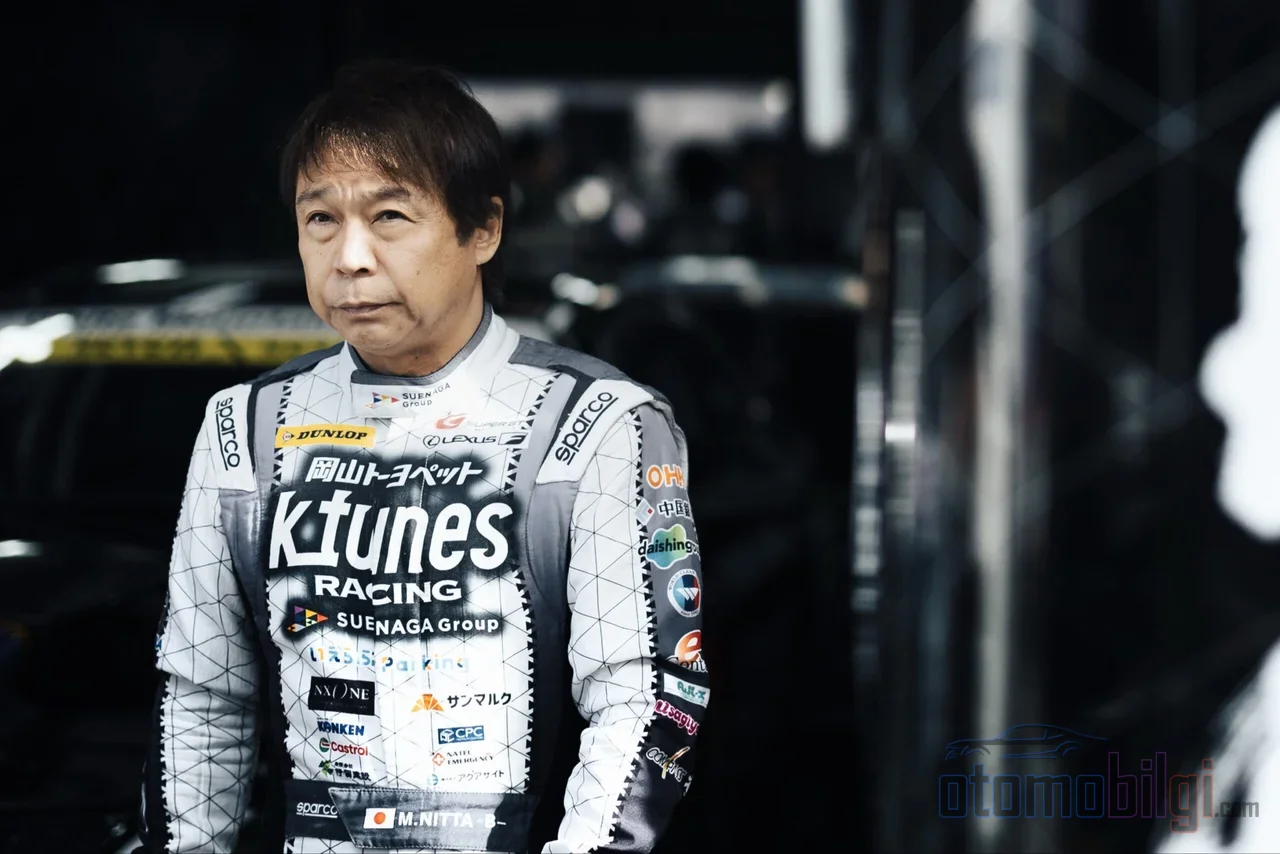
Morio Nitta announced with a short social media statement, just days before the finale of the 2026 season and ahead of the double race at the Motorsports complex, that he will end his SUPER GT driving career. The 59-year-old driver spent his 30-year career, uninterrupted since 1996, in the GT300 class and reached the championship three times. The decision is not merely a driver's farewell; it is also the latest evidence that the generation which shaped the character of a class is thinning out rapidly.
In his statement, Nitta noted that he will draw a line under his journey as a SUPER GT driver at the end of this season, writing that he will give his all in the final two races at Motegi and wants to enjoy himself with everyone until the last lap. He added that ever since his youth he has walked his path believing that determination pays off, and that his ability to race for such a long time stems not from his own strength but from those around him who gave him the opportunity. A measured, unassuming farewell; much like his career itself.
Milestones of a 30-Year GT300 Career
Nitta's story goes back to the years when today's SUPER GT was known as JGTC. Winning the championship in his first full season in 1996, alongside Keiichi Suzuki in Team Taisan's Porsche 911 RSR, was already a sign of how fast the series was rising that very year. In 1999 he moved to a Toyota team then named A'PEX, the predecessor of today's apr, and formed a lasting partnership with Shinichi Takagi. Because Takagi joined the team in the second race of the season, the 1999 title belongs to Nitta alone; in 2002, however, the same duo shared the title together.
Highlights
- Morio Nitta is retiring from SUPER GT at the end of the 2026 season
- He won the GT300 championship in 1996, 1999 and 2002
- His career spanned 30 uninterrupted years since 1996
- Last month at Autopolis he took his 23rd GT300 victory, extending the class's win record
- In the same period, Orido and Kano are also leaving SUPER GT
Nitta and Takagi's paths continued in the same team until the 2010 season. When apr and ARTA parted ways in 2011, Nitta stayed at apr for four more seasons, moved in 2015 to LM Corsa run by Inging, and in 2018 arrived at his current team, K-tunes Racing. With K-tunes in 2019, he finished the Lexus RC F GT3 second in GT300 together with Sena Sakaguchi; it was his best result since his ARTA year in 2010. In 2020 the team became fully independent by parting with Okayama Toyopet support.
The Autopolis Victory: The Man Who Extended the Record in His Farewell Season
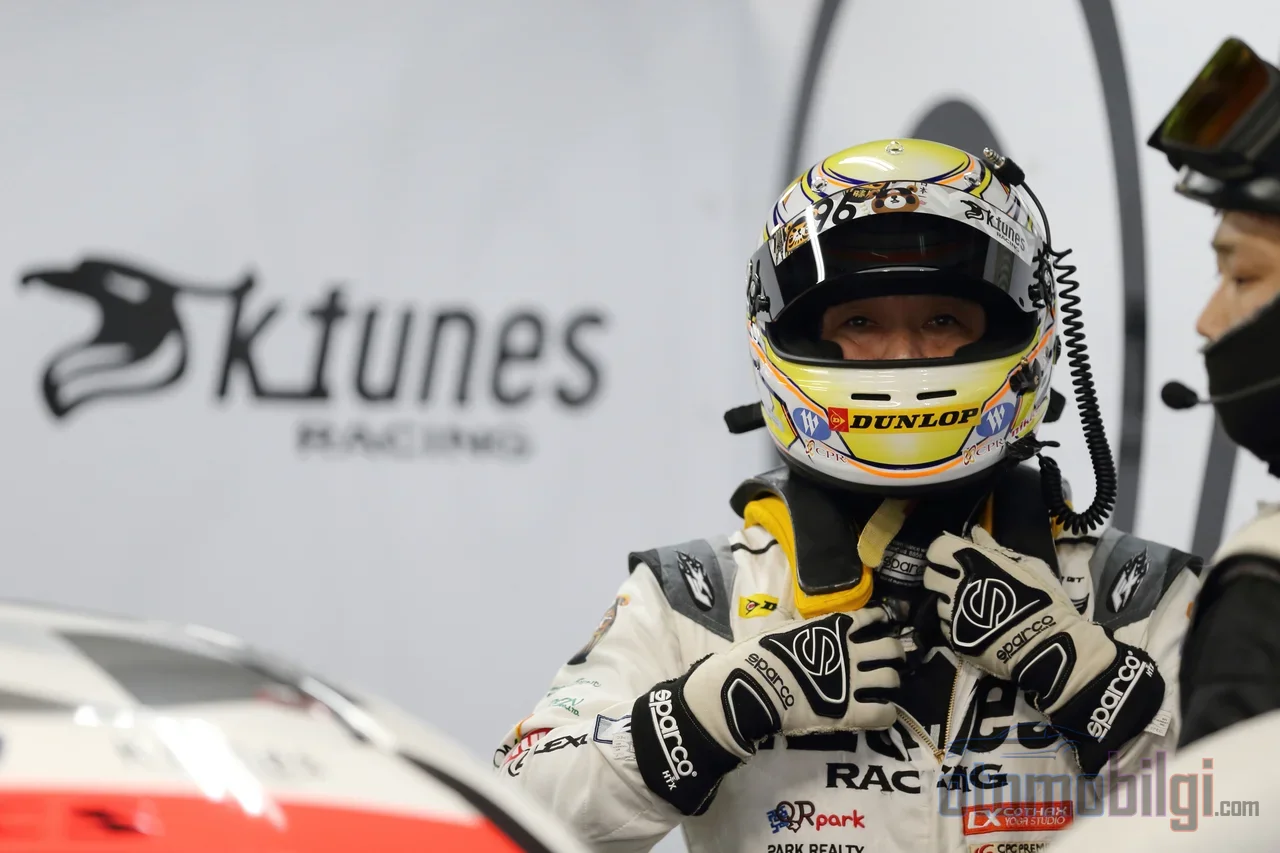
His retirement season was crowned with one of the most elegant additions to Nitta's statistics. Reuniting with Takagi at K-tunes in 2022, the driver reached his 23rd victory in GT300 with last month's win at Autopolis, further extending his title as the class's most successful race winner; right behind him stands Takagi. The duo's only podium before this partnership also came at Autopolis, in 2024. He has amassed a surprising total over his career: 293 race starts, 28 wins, 14 pole positions, and 74 podiums. Official series records count the Autopolis victory as his 23rd in GT300 specifically; win in GT300 specifically; career-wide figures also include starts in other series.
A Whole Generation Retiring Together: Orido and Kano Are Leaving Too
Reading Nitta's decision on its own is not enough to grasp its significance. Two-time GT300 champion Manabu Orido, also 57, is bidding farewell to the track after this season. Orido won his championships with Racing Project Bandoh in 1997 and 2009; he raced in GT500 from 2000 to 2007 and took two wins with Toyota equipment. He has been on the apr roster since 2018, and since 2022 he has supported Hiroaki Nagai and Hibiki Taira as the third driver of the No. 30 Toyota GR86 GT team, where he has supported Hiroaki Nagai and Hibiki Taira as third driver; he is taking part in the two season finales at Motegi alongside Taira. Much of Orido's career has been intertwined with Yokohama tires; his retirement coincides with Yokohama's withdrawal from SUPER GT as the championship switches to a single-make tire in 2027. A symbolic coincidence makes the departure of a generation visible even from the tire wall.
The list does not end here either: 50-year-old Masaki Kano also announced that he will leave SUPER GT after the two Motegi races with R'Qs Motor Sports. Tsugio Matsuda, who previously set the record with four GT500 championships, had also announced his farewell to the Nissan camp with the Motegi GT 300km in November. Among fans, the observation is circulating that it is getting hard to believe the number of legendary SUPER GT drivers who have retired in the last two years; and it is not an exaggerated observation.
Movement in the Driver Market and K-tunes' Open Seat
The technical meaning of the retirement wave is that more than one experienced seat is vacated within a single year. In GT300, experience is a quality spread across years; long-distance knowledge, tire management, and the ability to read race rhythm are commodities with a price tag in this category. Who will take Nitta's place at K-tunes Racing has not yet been announced; movements such as Team Eneos ROOKIE newly joining GT300 in the 2026 entry list, Anest Iwata Racing switching from the Lexus RC F to the Nissan Fairlady Z GT300, and Niklas Kruetten's return show that rosters are shifting too. Quite a few people believe that in the Japanese formula and GT world, retirement announcements serve as the starting gun for the driver transfer period known as the silly season. Until the definitive signatures become clear, this assessment should be read with caution; but its direction is clear: the market is moving.
What GT300 Is Losing
The value of drivers like Nitta lies not only in the number of trophies but in the memory of the class. A name that remained in the same championship from 1996 to 2026 has witnessed the series' entire technical transformation: 30 years stretching from the Porsche 911 RSR to GT3 hardware, and from fully independent small teams to manufacturer-backed operations. What is lost in a category that loses such a driver is a lived reference that anyone taking to the track could consult. 23rd. The record-extending win at Autopolis could not have symbolized it better: he is leaving with a record in hand, too.
Why and How Is Nitta Saying Goodbye?
The short answer: no specific reason has been given, but the plan is clear. In his statement, Nitta did not cite any health or performance grounds; the decision was presented as a natural full stop after 30 years. The final curtain will fall in the season-ending double race at Mobility Resort Motegi. Official SUPER GT accounts announced the news by sharing the celebration after the round 7 win at Autopolis; seeing such a farewell gesture from the series' own channels is a sign of Nitta's standing within the community. He will take to the track at Motegi, race until the final lap, and then let go of the wheel. After thirty years, no more honest an ending could be imagined.
GT300 will start the next season without Nitta, without Orido, and without Kano. The vacant seats will surely be filled; the market always solves that. But the absence of a name who carried the 1996, 1999 and 2002 championships, with 23 GT300 wins and 74 podiums to his credit, will be felt not in the statistics tables, but in the silence of the garage block.