Registration and Document Requirements When Selling an LPG Vehicle

When you put an LPG-converted car up for sale, the job is not limited to setting a price and taking listing photos. With that tank under the car, what the buyer, the inspection station and the notary will look at is whether the paperwork matches the actual state of the vehicle. If that match is missing, even the most well-maintained car starts waiting at the transfer desk. On this page we focus on the specific situations sellers face: whether the kit has been registered on the vehicle's documents, the current chain of paperwork, the documents the buyer will check, and the problems an unregistered kit creates.
Why Registering the LPG Kit on the Vehicle Documents Determines the Fate of the Sale
LPG conversion is not merely a mechanical job; it is a legal process within the framework of the Highway Traffic Regulation. An unregistered system means a car that looks "petrol" on paper but actually runs on two fuels. This discrepancy is treated as a major defect during the vehicle's periodic inspection and prevents it from passing. Driving on public roads with an LPG system that has not been registered on the documents is prohibited; enforcement can go as far as having the vehicle towed.
The regulation that came into force in February 2026 made this matter even stricter. Technical modifications made after installation must now be recorded on the registration document within 30 days; until they are documented and registered, the vehicle can be barred from traffic. In the past, sellers who delayed registration for weeks could get away with a small fine; now the process itself directly affects the vehicle's right to be on the road.
Key Highlights
- After an LPG conversion, the registration deadline is 30 days; until it is recorded, the vehicle can be barred from traffic.
- An unregistered LPG system is a major defect at inspection and blocks passing the test.
- The gas leak-tightness report is no longer issued as a separate document; the check is carried out as part of the TUVTURK inspection.
- The legal service life of an LPG tank is generally 10 years; an expired tank cannot pass inspection.
- In naturally aspirated 2015-2020 model vehicles, LPG hardly affects second-hand value; in new-generation turbo engines, buyers may keep their distance.
The Registration Process and the Current Chain of Documents
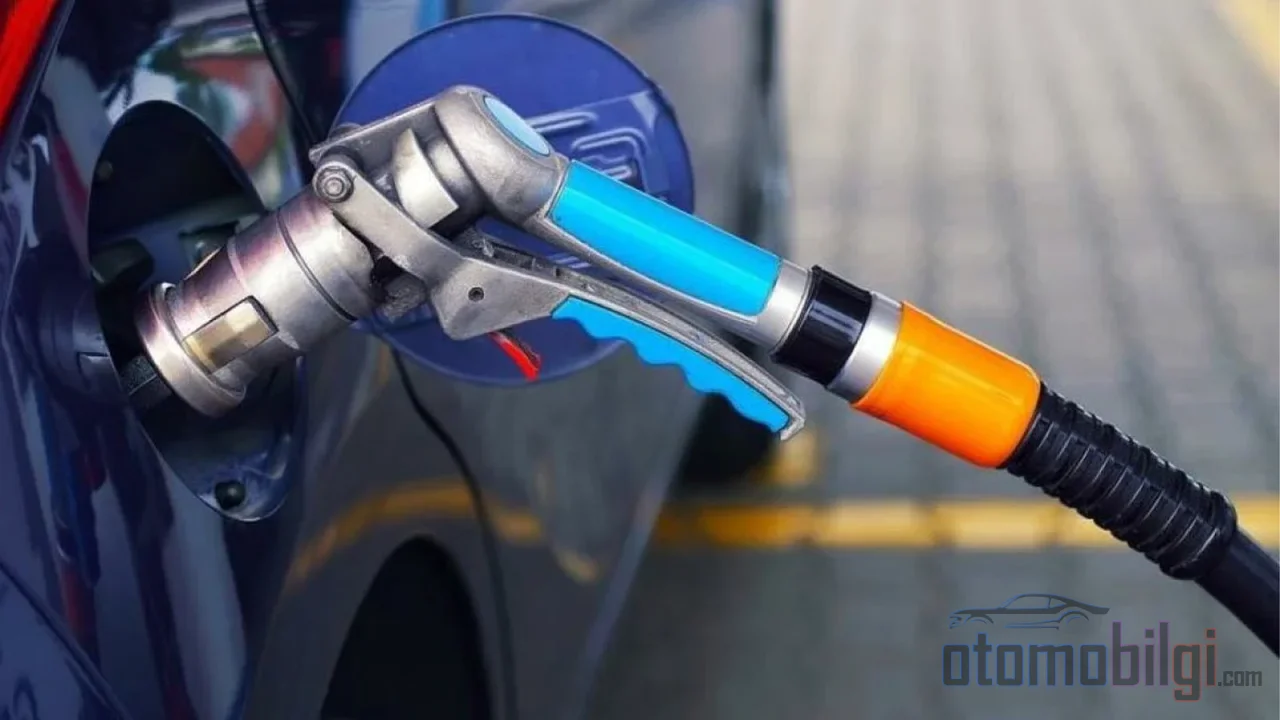
If the kit has not been registered on the documents, the first step in preparing for the sale is to close this gap. The chain consists of four links: installation at a service with a TSE "Workplace Competence Certificate", the TUVTURK post-modification inspection, updating the fuel type to "Petrol + LPG" at the notary, and notifying the insurance company. Breaking this order confronts you with a new document requirement at every link.
The Document File to Obtain from the Installation Service
The authorized installation service provides a document file upon delivery. This file later makes things easier both at inspection and in negotiating with the buyer:
- Installation Detection Report prepared by an authorized engineer
- Installation invoice issued in your name
- Photocopy of the TSE Workplace Competence Certificate
- Chamber of Mechanical Engineers SMM document
- AITP project (Regulation on the Manufacturing, Modification and Assembly of Vehicles)
- Warranty documents covering the kit and the tank
Current Documents Required at Inspection and Notary
The TUVTURK modification inspection includes the "Fuel System Installation Certificate" among the mandatory documents. At the notary, due to the Union of Turkish Notaries list, the AITM Serial Modification Vehicle Compliance Certificate, vehicle inspection report, ID, and vehicle registration certificate are requested. There is an important update here: the previously separate gas leak-tightness report requirement has been abolished. The leak-tightness check is now carried out within the scope of the TUVTURK inspection; you can go directly from the installation company to the inspection station. The separate report instructions you read in old guides are no longer valid.
Before going to the inspection, you need to have traffic fines, tax debts, and crossing violation debts checked; also, if there is no valid exhaust emission measurement, this counts as a serious defect. The label information on the tank being readable is also a detail the station will look for.
What Problems Does a Kit Not Recorded in the Registration Cause in Sale and Transfer
The kit not being recorded in the registration makes the sale difficult at three separate points. First is the inspection: due to a serious defect, the vehicle fails and the transfer process is blocked. Second is the notary: when the information in the registration does not match the vehicle's actual condition, the transfer process turns into a problem. Third, if the 30-day period is exceeded, a traffic fine comes into play; an objection to this fine can be filed with a petition, but the real cost for the seller is the transaction dragging on until the moment of sale.
The invoice issued by the installation company and the engineer's projects are valid for 30 days. If the period is exceeded, the documents may need to be renewed; this directly affects the sales calendar. On a vehicle where the kit has not been recorded in the registration, it is also possible for the buyer to encounter an additional inspection fee when entering the inspection appointment. In short, an unrecorded kit is not a deficiency left on paper, but a burden that grows until the moment of sale.
The Reverse Scenario: The Notation Is in the Registration but the Kit Is Not on the Vehicle
There is a little-known situation that is just as critical as the first one: vehicles where the system has been physically removed but the "Petrol + LPG" notation remains in the registration. Removal alone is not sufficient. If the LPG equipment is found missing during the inspection, the vehicle will again fail. To delete the notation, an AITM cancellation project, TSE approval, TUVTURK modification inspection, and notary change are required. Before the sale, it is essential to make the registration match the vehicle's actual condition.
Documents and Records the Buyer Will Check
An informed buyer asks for more than the standard documents on an LPG vehicle. Preparing these documents in advance strengthens your hand at the bargaining table and increases confidence in the vehicle.
List of Requested Documents
- Fuel System Installation Certificate
- LPG Vehicle Control Form
- Invoice from the authorized company that performed the installation
- LPG tank certificate
In addition, the buyer checks that the chassis number, engine number, and owner identity information in the registration match the seller's declaration exactly. The standard notary sale documents for the seller consist of ID, vehicle registration certificate, and, if applicable, a notarized power of attorney; if a transaction will be done by proxy, the scope of authority must be correct. The report of a vehicle that has passed its inspection can be queried before the notary, so a current inspection makes the sale easier.
The Value of Maintenance Records and the Tank
The periodic maintenance rhythm of the LPG system is clear: a check within the first 1,000 km after installation, then filter maintenance every 10,000 km. Regular service records are proof that the system has been maintained, and in return for a modest periodic maintenance cost of 1,000-2,000 TL per year, they create trust at the sale. Tank life is a critical issue: the legal service life is usually 10 years, or 15 years for some manufacturers. A tank whose period has expired cannot pass inspection; replacement costs 3,000-6,000 TL including the project and inspection. The buyer will query the tank's production date; as the seller, knowing this information and sharing it honestly prevents negotiations that fall through at the last moment.
The Kit's Effect on the Price: An Image That Varies by Vehicle Type
LPG's effect on second-hand value varies from vehicle to vehicle. In 2015-2020 model vehicles with 1.4/1.6 naturally aspirated engines, LPG does not affect the value much; for some buyers, it can even be a plus. The picture is different in new-generation turbo engines: in engines such as the 1.0 TSI or 1.2 Turbo, buyers may keep their distance from LPG-equipped vehicles out of concern that the engine may have worn early.
The economic background should also be taken into account. As of 2026, the conversion cost is in the range of 25,000-45,000 TL for naturally aspirated four-cylinder engines, 35,000-55,000 TL for turbo engines, and 55,000-85,000 TL for direct injection systems. The price difference between gasoline and LPG and the possibility of saving roughly 22,000 TL per year at 15,000 km annually turn a kit properly registered on the vehicle registration certificate into a defensible value in negotiation. An unregistered kit takes that argument out of your hands.
Pre-Sale Checklist and Practical Advice
As the seller, managing the process step by step is the safest way. Follow these steps:
- Check the fuel type on the registration certificate; if there is a kit, it should say "Gasoline + LPG".
- Gather the installation documentation file completely; be sure to check the validity period of the invoice and project.
- Look at the tank's production date; if its life has expired, plan the replacement before the sale.
- Run debt and fine queries, book a current inspection appointment, and file your LPG maintenance records.
- Go to the notary appointment with the registration certificate, inspection report, emissions compliance certificate, and ID.
You also need to be realistic about the costs: LPG installation packages generally do not cover inspection and notary costs; these are paid separately. In 2026, the notary fee in vehicle sales is also on the agenda: a proportional fee is applied on the sale price, at least 1,000 TL. Since the registration update fee changes periodically, confirming the current tariff before the transaction is the wisest way.
Summary: If the Paperwork Is in Order, LPG Is Not a Shortcoming but an Extra Asset
The summary of selling an LPG-equipped vehicle without problems is this: The kit must be registered in the vehicle registration certificate, the periodic technical inspection must be current, the document file must be complete, and the maintenance records must be regular. When these four conditions are met, LPG can be presented as a cost-saving feature in the eyes of buyers, especially in vehicles with naturally aspirated engines. If they are not met, you face a serious defect, the risk of being barred from traffic, and a transfer process stalled at the notary. Before preparing the sales listing, the oldest and most reliable method in this business is to lay out the registration certificate and document file on the table and check off these four conditions one by one.
Sources
- The Process of Registering an LPG Conversion on the Registration Certificate
- How to Register an LPG Conversion on the Registration Certificate
- Removing LPG from the Registration Certificate 2026: Removal and Cancellation Project
- LPG Conversion Guide 2026
- Vehicle Inspection After Modification
- What to Look for When Buying a Used LPG Vehicle?
- How to Sell a Vehicle at the Notary?
- Notary fee regulation in vehicle sales